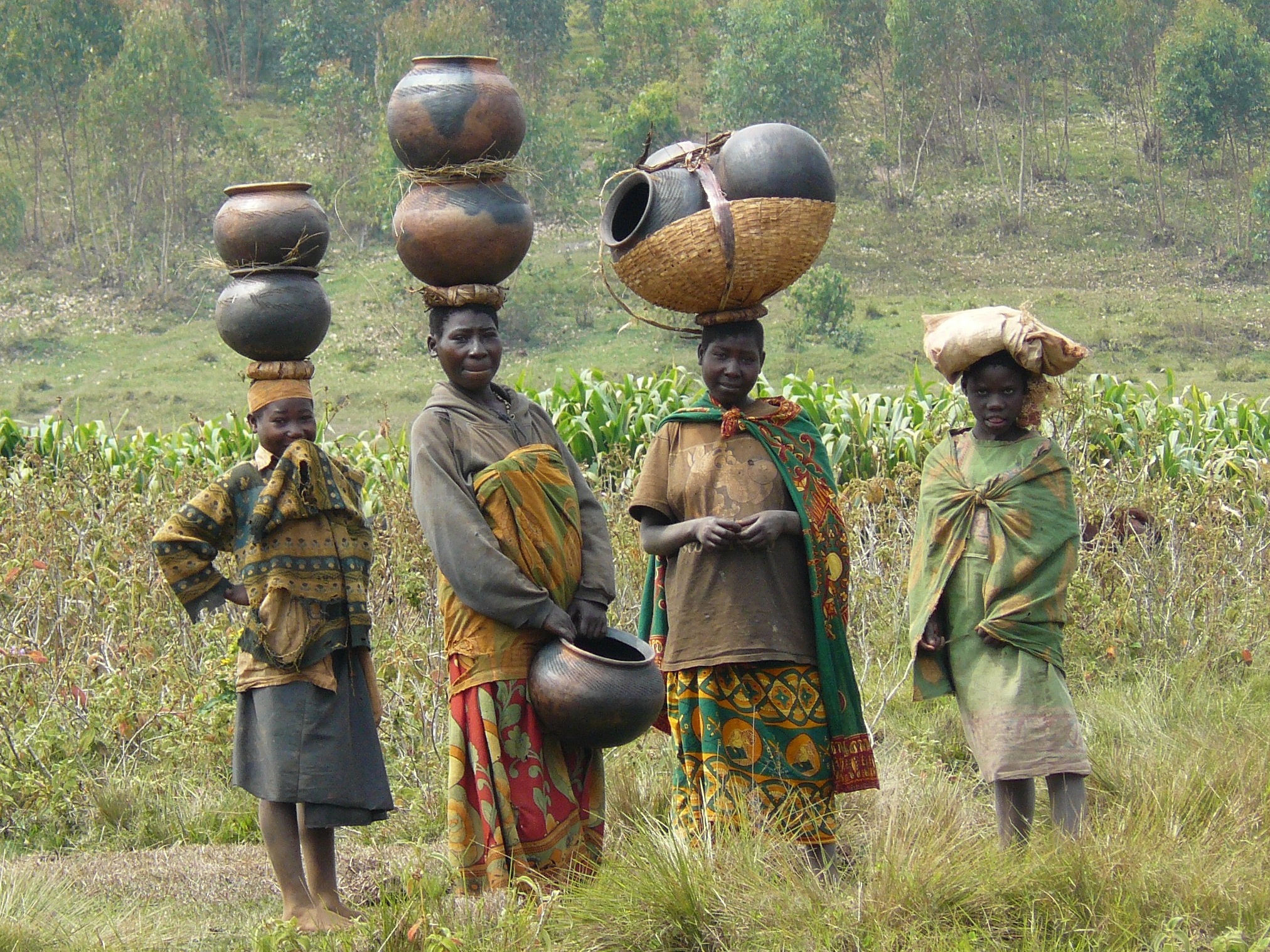
The Keepers of the Forest: Meeting the Communities Who Live with Gorillas
The story of gorilla conservation isn’t just about the gorillas; it’s about the people. For centuries, communities like the Batwa pygmies lived in these forests, hunting and gathering, with a deep spiritual connection to the land and its creatures. When national parks were established to protect the gorillas, these communities were moved to the boundaries. Today, a visit to a gorilla trek can—and should—include a visit to meet the “Keepers of the Forest.”
Many trekking itineraries now offer a visit to a community project or a cultural village. In Uganda, you can meet the Batwa, who will take you on a walk through the forest they once called home. They will demonstrate their ancient hunting techniques, show you which plants provide medicine and food, and sing their traditional songs . It’s a humbling experience that adds a profound human dimension to your wildlife adventure.
In Rwanda, a visit to the Iby’iwacu Cultural Village is a must. Here, former poachers and community members have come together to celebrate and share their culture with visitors. You’ll be welcomed into a traditional king’s court, watch energetic drumming and dancing performances, and learn about the traditions that have shaped Rwandan society .
These visits aren’t just entertainment. They are a vital part of the conservation model. The money you pay for these experiences goes directly to the communities, funding schools, healthcare, and providing a sustainable income . It shows the community that the gorillas are a source of economic opportunity, turning potential human-wildlife conflict into a partnership. As one guide told me, “Now, if a poacher comes to the forest, it’s the local people who report them, because they know the gorillas bring us tourists, and tourists bring us hope.”
A gorilla trek is about the apes. A trip to a cultural village is about the people. Together, they form a complete picture of conservation in the 21st century. You’ll leave not only with photos of a silverback but with the memory of a song, a dance, and a handshake that connects you to the human heart of the forest.