Choosing between gorilla trekking vs chimpanzee trekking in Uganda is a delightful dilemma for any traveler planning a safari to the Pearl of Africa. At Afraeka Adventures, we often guide our guests through this exact decision, and the answer depends on your expectations, physical fitness, and what kind of encounter you dream of.
In this comprehensive guide, we compare gorilla trekking vs chimpanzee trekking across every key factor—cost, location, terrain, group size, and the sheer magic of the moment. Whether you are a wildlife photographer, a primate enthusiast, or a first-time safari-goer, this comparison will help you make an informed choice for your 2026 Ugandan adventure. Let us, your local Ugandan experts, walk you through the wild to find your perfect primate experience.
1. Understanding the Stars: Mountain Gorillas vs. Chimpanzees
Before we dive into the logistics of gorilla trekking vs chimpanzee trekking, let’s understand the stars of the show.
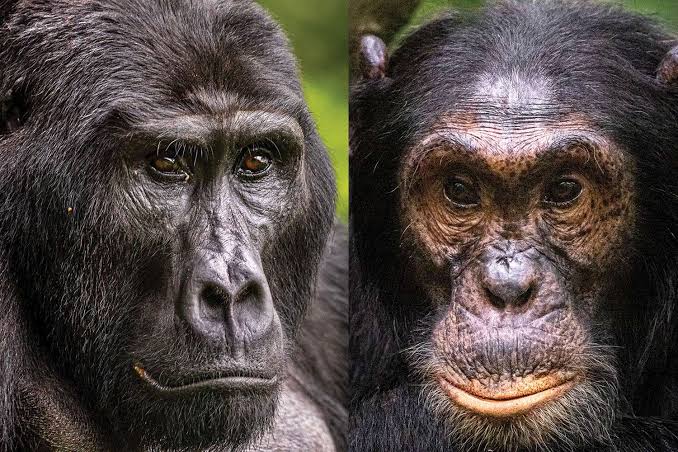
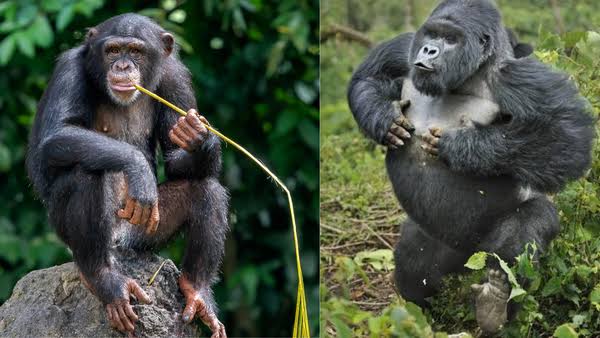
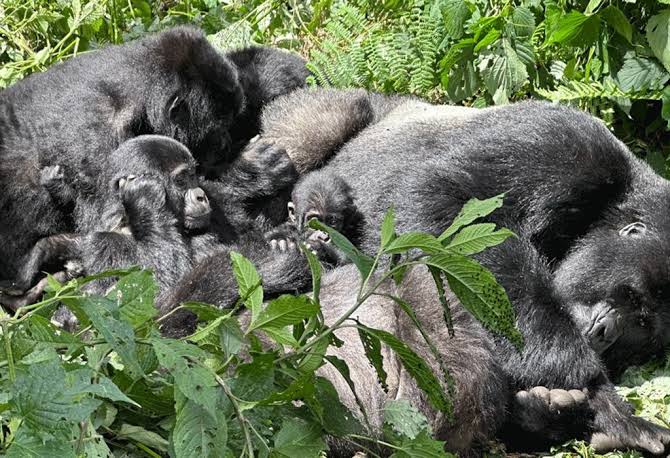
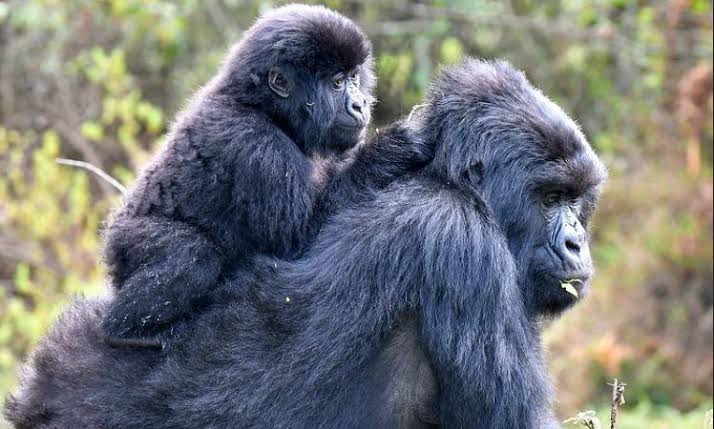
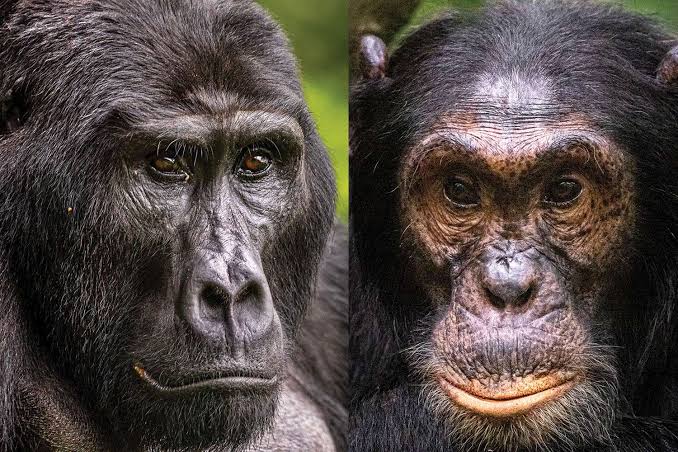
Mountain Gorillas are the gentle giants of the forest. Sharing approximately 98.3% of our DNA, they are our second-closest cousins after chimpanzees. They live in stable, tight-knit families led by a dominant silverback. With only about 1,064 individuals left in the world, they are critically endangered. Uganda is home to over half of these—around 600—nestled in the misty mountains of Bwindi and Mgahinga. Observing them is a humbling, spiritual experience.
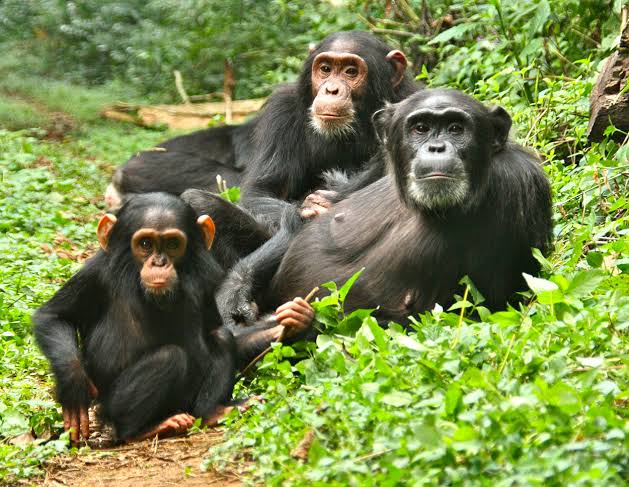
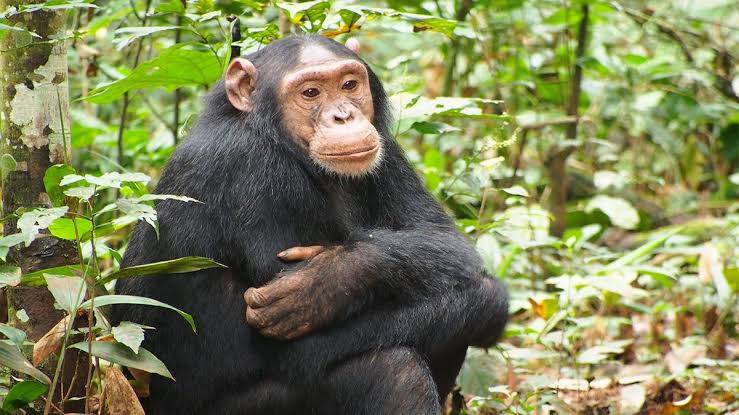
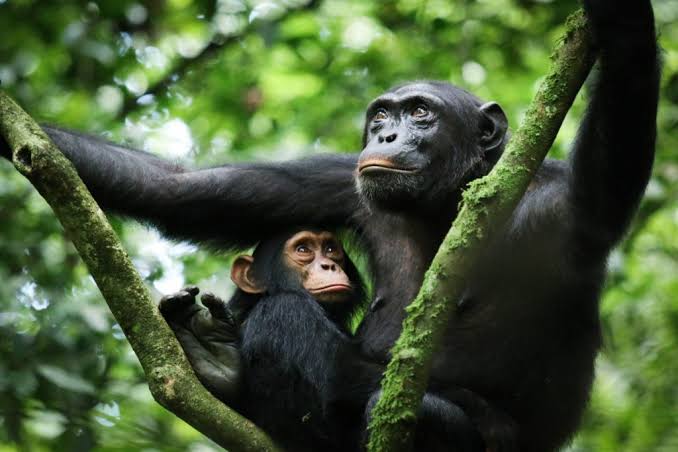
Chimpanzees, on the other hand, are our closest living relatives, sharing about 98.8% of our DNA. They are highly intelligent, energetic, and live in large, fluid communities called troops. Uganda boasts an impressive population of approximately 5,000 chimpanzees, making it one of the best places in the world for chimp trekking. They are acrobatic, vocal, and incredibly dynamic, offering a completely different, high-energy encounter compared to the serene gorilla trek.
2. Location & Where to Trek in Uganda
The location is a key factor when considering gorilla trekking vs chimpanzee trekking as it dictates the scenery, travel time, and add-on activities.
| Primate | Top National Parks | Geolocation | Key Scenery |
|---|---|---|---|
| Gorilla Trekking | Bwindi Impenetrable NP (4 sectors), Mgahinga Gorilla NP | 1.0618° S, 29.6630° E | Mist-covered, steep rainforest hills; UNESCO World Heritage Site. |
| Chimpanzee Trekking | Kibale National Park, Budongo Forest (Murchison Falls), Kyambura Gorge (Queen Elizabeth) | 0.4600° N, 30.4000° E | Varied terrain; Kibale is a lowland tropical rainforest with diverse ecosystems. |
- Gorilla Trekking is concentrated in the southwestern region. It is remote, rewarding you with breathtaking mountain vistas.
- Chimpanzee Trekking is more widely available. Kibale National Park, known as the “Primate Capital of East Africa,” offers the highest concentration, while Budongo is famous for habituated chimps that can be tracked year-round.
Afraeka Adventures can tailor your itinerary to include either (or both) of these incredible destinations, with smooth transfers and comfortable accommodations.
3. Trekking Experience: Terrain, Duration, and Physical Difficulty
This is often the deciding factor in the gorilla trekking vs chimpanzee trekking debate.
Gorilla Trekking (The Challenge)
- Difficulty: Strenuous to Moderate.
- Terrain: Steep, slippery, muddy hills. Altitudes range from 2,200 to 4,300 meters above sea level.
- Duration: Can take anywhere from 1 to 7 hours to locate the gorillas, depending on their movement. You do not walk on maintained trails; you are hacking through the thick jungle with a machete-clearing guide.
- Physicality: Requires good to excellent fitness. Hiring a porter ($15-20) is highly recommended to help you navigate the steep slopes.
Chimpanzee Trekking (The Exploration)
- Difficulty: Moderate.
- Terrain: Hilly but mostly follows well-maintained forest trails. Kibale’s terrain is generally gentler than Bwindi’s.
- Duration: Usually shorter, taking 1 to 4 hours to find the chimps, as they move quickly through the forest canopy.
- Physicality: While still requiring decent fitness, it is generally easier on the legs. The challenge here is keeping up with the fast-moving chimps as they swing through the trees.
4. Cost Considerations: Gorilla Permit vs. Chimpanzee Permit
Budget is a crucial element of the gorilla trekking vs chimpanzee trekking comparison.
| Expense Item | Gorilla Trekking | Chimpanzee Trekking |
|---|---|---|
| Permit Cost (Non-Resident 2026) | $800 USD per person | $200 – $250 USD per person (depending on the park) |
| UWA Park Entry Fee | ~$40 – $60 USD (included in some packages) | ~$40 – $50 USD |
| Value | Once-in-a-lifetime encounter with a critically endangered species. | Incredible value, highly interactive, and often combined with other activities. |
While the cost of a gorilla permit in Uganda is higher, it directly funds vital conservation efforts for the highly endangered mountain gorillas. Chimpanzee permits are more accessible, making this a fantastic option for budget-conscious travelers or those wanting to extend their primate experience without breaking the bank. Afraeka Adventures ensures transparent pricing on all permits and can bundle them into a seamless package.
5. Group Size & Viewing Time
The regulations for visitor interaction differ significantly, impacting the intimacy of your encounter.
Gorilla Trekking
- Group Size: Strictly limited to 8 visitors per gorilla family per day.
- Viewing Time: A maximum of 1 hour once the gorillas are located.
- Experience: The intimate group size allows for a serene, almost sacred hour of quiet observation while the gorillas go about their daily lives.
Chimpanzee Trekking
- Group Size: Up to 12 visitors allowed per trekking group (though often smaller).
- Viewing Time: A strict 1 hour once the chimps are found.
- Experience: The experience is more chaotic and exciting. Chimps are fast, loud, and often high in the trees, requiring you to look up constantly—a stark contrast to the ground-level stillness of gorilla viewing.
6. Best Time to Visit for Each Primate
Understanding the seasons is essential for planning your gorilla trekking vs chimpanzee trekking adventure.
- Gorilla Trekking: Can be done year-round. The best conditions are during the dry seasons (June–September and December–February). However, because gorillas live in high-altitude rainforests, rain is always possible. Many travelers prefer the less-crowded wet seasons (March–May and October–November) for cheaper accommodation and lush, green scenery.
- Chimpanzee Trekking: Like gorillas, chimps can be tracked year-round. The dry seasons are easier for walking, but the wet seasons offer spectacular visibility as the canopy opens up slightly, and fruits are more abundant, making chimps slightly more predictable. Kibale is excellent year-round, but Budongo is particularly good during the dry months.
Afraeka Adventures will advise you on the optimal timing for your specific itinerary and preferences.
7. Which One Should You Choose? (The Verdict on Gorilla Trekking vs Chimpanzee Trekking)
So, when it comes to gorilla trekking vs chimpanzee trekking, how do you decide?
Choose Gorilla Trekking if:
- You are seeking a once-in-a-lifetime, deeply emotional experience.
- You are physically fit and willing to tackle steep, muddy terrain.
- Budget is not a primary constraint (or you are saving specifically for this).
- You prefer a quiet, serene, and slow-paced wildlife encounter.
- You want to photograph the majestic giants of the rainforest.
Choose Chimpanzee Trekking if:
- You love watching highly active, dynamic, and intelligent animals.
- You want a higher chance of viewing primates swinging through the treetops.
- You are looking for a more budget-friendly primate experience.
- You prefer slightly easier walking trails.
- You want to combine your trek with a game drive or boat safari (Budongo is near Murchison, Kyambura is in Queen Elizabeth).
The Ultimate Answer: Why choose? At Afraeka Adventures, we highly recommend doing both. Combining gorilla trekking in Bwindi with chimpanzee trekking in Kibale or Queen Elizabeth offers an unparalleled primate safari, showcasing the full spectrum of Uganda’s incredible biodiversity.
8. Conservation Impact
Regardless of whether you choose gorilla trekking vs chimpanzee trekking, your visit directly supports conservation.
- Gorilla Permits fund anti-poaching patrols, veterinary care, and community projects that mitigate human-wildlife conflict.
- Chimpanzee Permits similarly support research, habitat protection, and community development.
By booking with Afraeka Adventures, you are choosing an ethical partner dedicated to sustainable tourism. Your adventure ensures these incredible species are protected for generations to come.
Frequently Asked Questions about Gorilla Trekking vs Chimpanzee Trekking
Q: Which is harder—gorilla trekking or chimpanzee trekking?
A: Gorilla trekking is generally harder due to the steep, muddy slopes and higher altitude in Bwindi Forest. Chimpanzee trekking in Kibale involves gentler terrain but requires brisk walking to keep up with the fast-moving chimps.
Q: Is gorilla trekking worth the higher cost compared to chimpanzee trekking?
A: Absolutely, for many travelers it is. The face-to-face encounter with a mountain gorilla in the mist is an incredibly rare, emotionally profound experience. The higher permit cost also contributes heavily to conservation efforts for this critically endangered species.
Q: Can I do both gorilla and chimpanzee trekking in the same trip?
A: Yes! This is one of the most popular safaris we arrange at Afraeka Adventures. You can easily combine gorilla trekking in Bwindi with chimpanzee trekking in Kibale or Queen Elizabeth National Park.
Q: Can children participate in gorilla or chimpanzee trekking?
A: The minimum age for gorilla trekking is strictly 15 years. For chimpanzee trekking in Kibale, the minimum age is usually 12 years, though some parks allow younger children at the discretion of the rangers.
Q: What should I wear for trekking?
A: For both, wear long sleeves, long pants, sturdy waterproof hiking boots, and a rain jacket. Neutral colors (khaki, olive, brown) are best. Check our detailed What to Pack for Uganda page for a complete list.
Q: Do I need a special permit for both?
A: Yes. Gorilla and chimpanzee permits are separate and must be booked in advance. Afraeka Adventures manages all permit bookings for you.
Ready to Experience Uganda’s Incredible Primates?
Book your safari with Afraeka Adventures today. Whether you choose to trek the gentle giants, the dynamic chimpanzees, or both, our expert team will craft a tailor-made itinerary that exceeds your expectations. Contact us now to start planning your unforgettable Ugandan adventure!
📞 Phone: +256-794144988
📧 Email: info@afraekaadventures.com
🌐 Website: www.afraekaadventures.com