Planning a trip to the Pearl of Africa is an exhilarating experience, but packing for it can feel a bit overwhelming. How do you prepare for both a hot savannah game drive in Queen Elizabeth National Park and a cool, humid trek through the dense jungles of Bwindi Impenetrable National Park?. Relying on a well-planned Uganda safari packing list ensures you don’t leave vital gear behind when heading out into the bush.
Why You Need a Dedicated Uganda Safari Packing List
To ensure you stay comfortable, safe, and fully focused on the breathtaking wildlife, packing the right gear is essential. At Afraeka Adventures, we want your journey to be absolutely seamless. Here is our official, expert-approved Uganda safari packing list for 2026.
1. Essential Gear for Mountain Gorilla Trekking
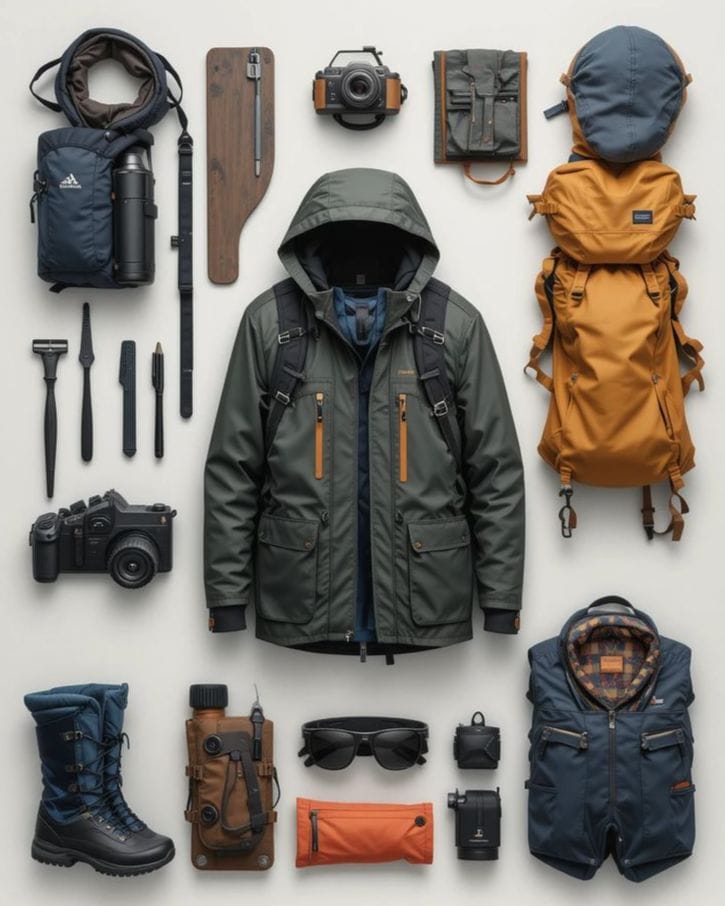
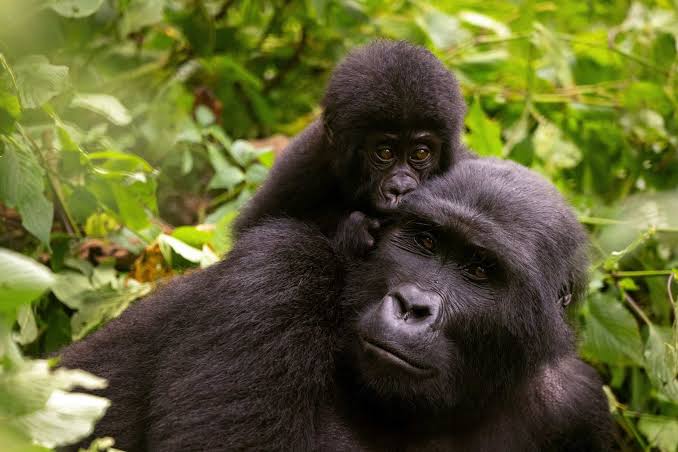
Gorilla trekking is a bucket-list adventure, but the terrain can be steep, muddy, and thick with vegetation. To tackle the jungle like a pro, make sure to pack these essentials Uganda safari packing list:
- Sturdy, Broken-In Hiking Boots: Good ankle support and solid traction are non-negotiable when navigating slippery slopes.
- Long-Sleeved Shirts and Trousers: Thick, lightweight fabrics protect your skin from stinging nettles, sharp branches, and insects. Tracksuits or sturdy hiking pants are ideal.
- Tough Gardening Gloves: This is a hidden pro-tip! You will frequently need to grab roots or vines for balance, and thick gloves protect your hands.
- Lightweight Rain Jacket: Bwindi is a tropical rainforest; downpours can happen at any moment, even during the dry season.
2. What to Wear on Classic Wildlife Game Drives
When you are out on the open savannah track in a 4×4 safari vehicle looking for lions and leopards, comfort and climate control are key for Uganda safari packing list.
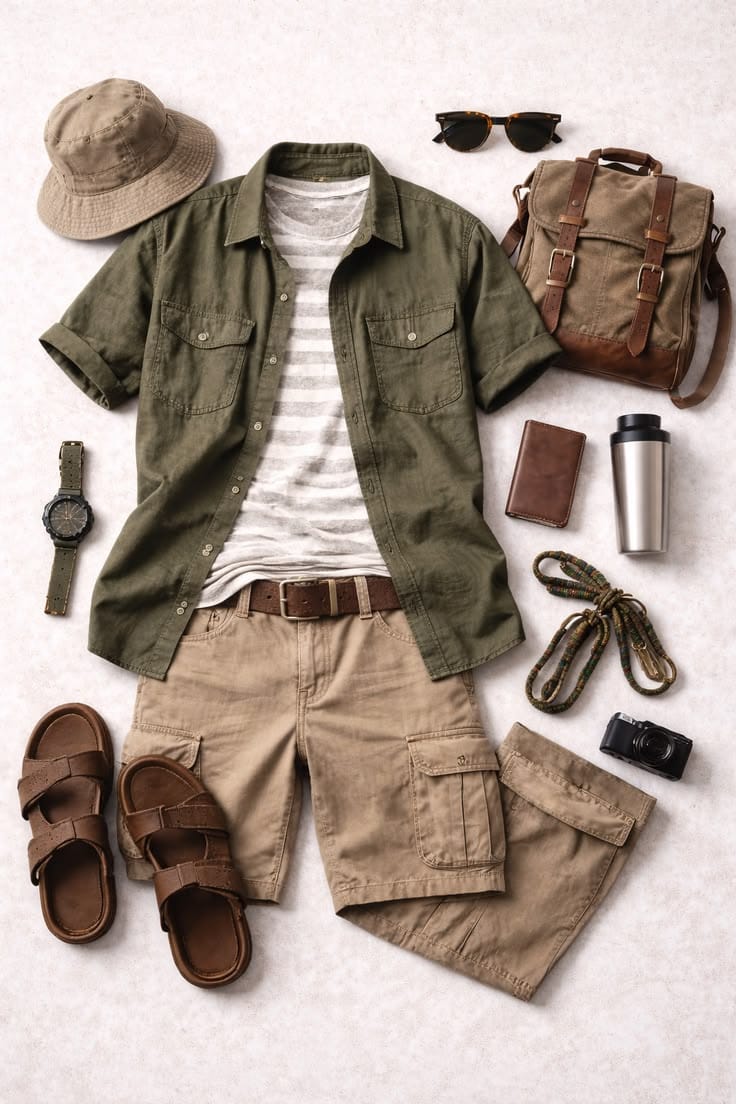
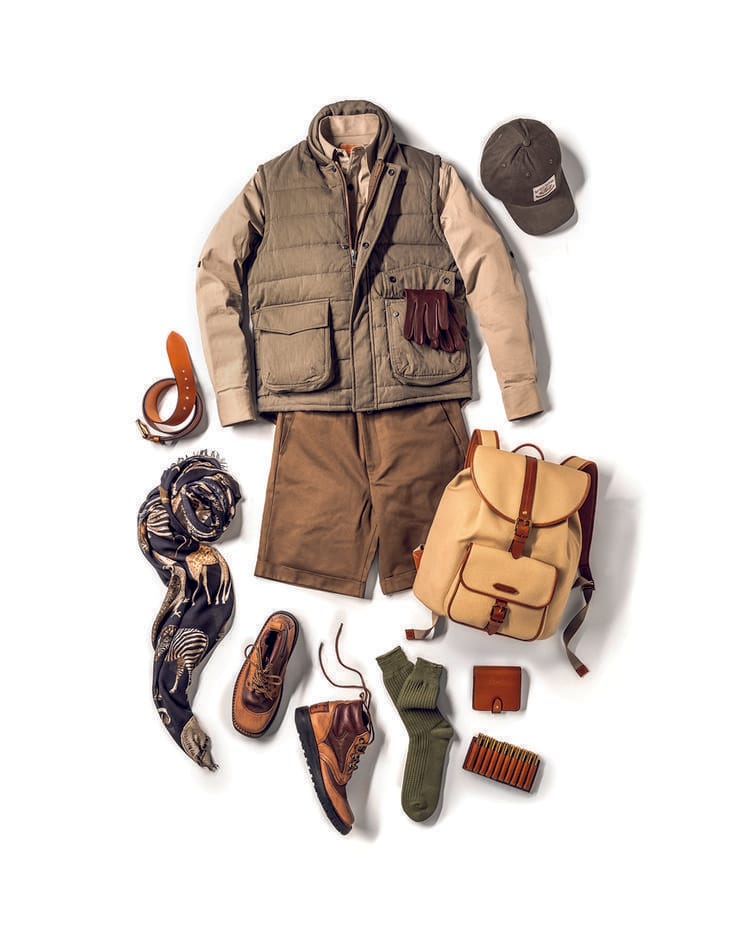
- Neutral Color Clothing: Stick to khakis, greens, browns, and tans. Avoid bright colors that might startle wildlife, and steer clear of dark blue or black, which attract tsetse flies.
- Layers for Early Mornings: Savannah game drives often start at dawn when the air is crisp and cold. Pack a light fleece or windbreaker that you can easily take off as the sun warms up the plains.
- A Wide-Brimmed Safari Hat: The African sun can be intense. Protect your face, neck, and eyes during long afternoons in open-top vehicles.
3. Crucial Tech and Photography Gear
You will want to capture every single moment of your journey. Make sure your camera gear is ready for rugged environments.
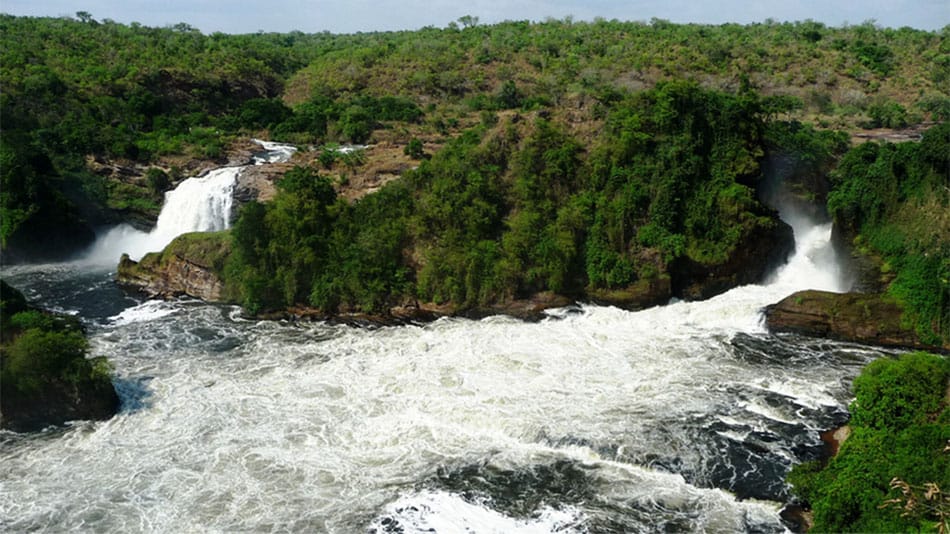
- Camera with a Solid Zoom Lens: While gorillas can get incredibly close, lions, leopards, and birds in Murchison Falls are often viewed from a distance. A lens of at least 200mm–300mm is highly recommended.
- Extra Memory Cards and Batteries: Cold jungle environments and long days in the bush can drain camera batteries faster than usual.
- A Lightweight Dust Cover/Bag: Savannah game drives can get incredibly dusty. Keep your camera gear protected inside a zip-up dry bag when you aren’t shooting.
4. Health, Protection, and Essential Documents
- High-SPF Sunscreen and Insect Repellent: Look for an insect repellent containing DEET to keep mosquitoes and flies at bay.
- Yellow Fever Vaccination Certificate: This is a mandatory requirement for entering Uganda at Entebbe International Airport. Keep it safely with your passport.
- Sufficient Cash (US Dollars or Uganda Shillings): While luxury lodges accept cards, local craft markets, tips for park rangers, and tipping your dedicated Afraeka Adventures guide require cash. Ensure US dollar bills are crisp and printed after 2013.
Let Afraeka Adventures Handle the Journey
Now that you know exactly what to put in your suitcase, let us handle everything else! From securing your official Uganda Wildlife Authority gorilla tracking permits to mapping out the ultimate itinerary, our local experts ensure a flawless experience.
Contact Afraeka Adventures today to book your custom tour and experience the magic of East Africa with the finest local guides!