
Getting Around in Uganda: A Complete Traveler’s Transport Guide
Your adventure to the Pearl of Africa starts the moment you land. But one of the most common questions travelers ask is about the logistics: how do you actually move between the gorilla forests, the savannas, and the lakes? Understanding the options for getting around in Uganda is essential for an efficient, stress-free, and unforgettable safari. Here is our comprehensive guide to transport in Uganda.
The Best Ways to Get Around Uganda
Uganda is roughly the size of the United Kingdom, and while the roads have vastly improved, travel times can be longer than you expect. Here are the main ways tourists navigate the country.
1. Private 4×4 Safari Vehicles (The Tourist Standard)
For 90% of tourists, a private, customized 4×4 Land Cruiser with a pop-up roof is the go-to method for getting around in Uganda. These are provided by your tour operator (like Afraeka Adventures) and come with a professional driver-guide.
- Pros: Unmatched for game viewing, convenient door-to-door service, and your guide handles all the navigation and park entry logistics.
- Cons: It takes time. A drive from Entebbe to Bwindi Impenetrable Forest can take 8 to 10 hours.
2. Domestic Flights (For Long Distances)
If your itinerary includes both the northern savannas (Murchison Falls) and the deep south (Bwindi), domestic flights are a fantastic way to save time.
Local airlines like Bar Aviation and Aerolink operate daily scheduled flights between Entebbe, Kasese (for Rwenzori/QE Park), Kisoro (for Bwindi), and Pakuba (for Murchison Falls).
- Important restriction: These are small Cessna aircraft. They strictly enforce a 15 kg (33 lbs) luggage limit per person, including hand luggage. Bring a soft-sided duffel bag!
3. Car Rentals (For Independent Travelers)
Self-driving is an option, but it comes with significant challenges. If you decide to rent a car for getting around in Uganda, you absolutely must rent a 4×4 vehicle (Toyota Land Cruiser, Prado, or Hilux) to handle the unpaved roads. Only consider this if you are an experienced off-road driver.
Understanding Roads, Driving, and Safety
To make your self-drive or overall transport safer, you must be aware of the road conditions.
Road Conditions and Travel Times
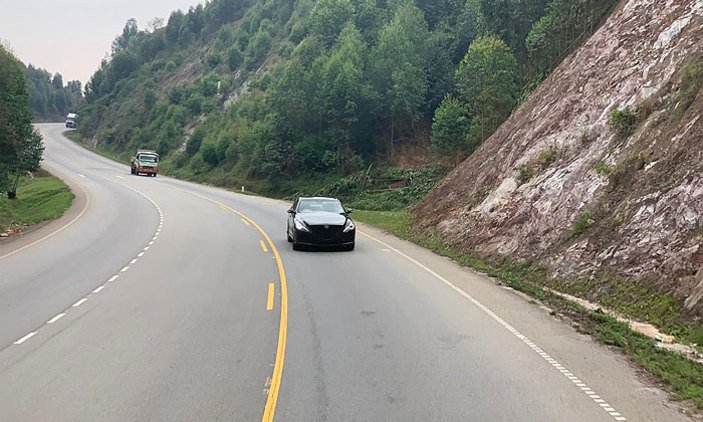
- Paved Roads: The main highways connecting Kampala, Entebbe, Jinja, and Masaka are generally paved and in good condition.
- Unpaved Roads: Once you leave the main highway to enter the National Parks, the roads turn to murram (gravel/dirt). These roads are maintained, but can be dusty, bumpy, and slippery during the rainy seasons.
- Travel Times: Always double your expected driving time. A distance of 80 km (50 miles) on a dirt road through a national park can easily take 3 to 4 hours because of the rough terrain and frequent wildlife stops!
Driving Rules (Left-Hand Drive)
In Uganda, traffic drives on the left side of the road (the same as the UK, India, and Kenya). If you are from the US or Europe, this is a critical adjustment. Also, be prepared for motorcycles (boda bodas) and pedestrians sharing the same road. Because of the unique driving style, most international travelers prefer to hire a driver-guide rather than self-drive.
Airport Transfers in Entebbe
Entebbe International Airport is located about 40 to 45 minutes from Kampala (the capital). Most reputable tour operators include a private airport pickup service. If you are arranging your own transfer, always agree on the price for the taxi before getting in. A reliable taxi from the airport to Kampala generally costs between 100,000 and 150,000 UGX.
Safety Warnings for Getting Around
- Night Driving: Avoid driving at night. Many roads lack streetlights and reflective markings, and there are higher risks of encountering animals or unlit vehicles on rural roads.
- Be careful with Boda Bodas: Motorcycle taxis are common in towns and cities for cheap, fast transit. However, they are very dangerous due to a lack of helmets and the chaotic traffic. We strongly advise tourists not to use boda bodas. Stick to official hotel taxis or private cars.
- Fuel stops: Fuel stations are common along the main highways, but scarce in national parks. Always fill up your tank before leaving a major town and carry extra fuel if you are doing a long self-drive.
Ready to Hit the Road?
Now that you know all the logistics of getting around in Uganda, the next step is choosing your itinerary. Whether you want to take a scenic road trip across the country or save time with a domestic flight, our team at Afraeka Adventures will perfectly plan every transfer for you. Browse our safari packages and let us take care of the driving!