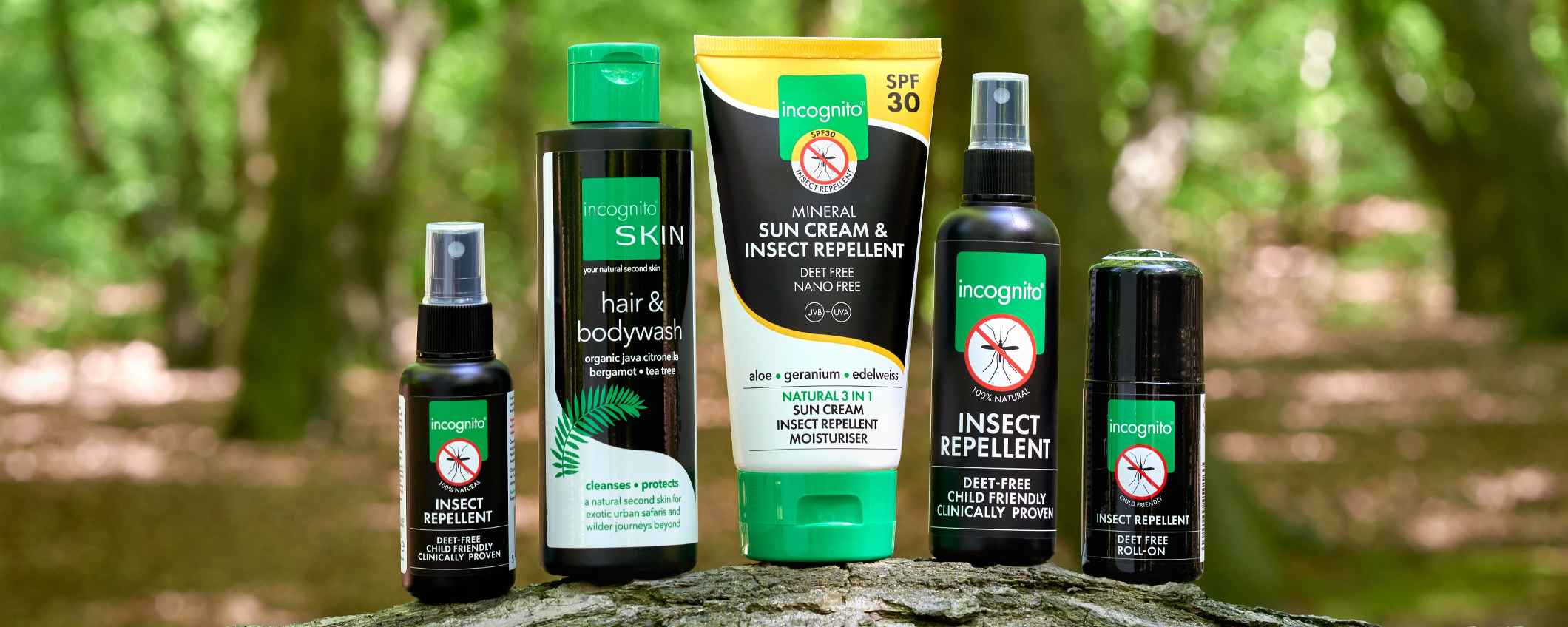
The best DEET repellent for Uganda jungle trekking is a 30-50% DEET formulation. DEET is the most effective repellent against mosquitoes, tsetse flies, and other jungle insects. Higher concentrations last longer. Apply to exposed skin and clothing. Picaridin is a good alternative.
Booking your gorilla trek? We arrange the permit, transport and lodge, so you only need to pack your boots.
See our Uganda gorilla trekking tours. Trips to consider: 3-Day Gorilla Safari | 5-Day Gorillas and Lake Bunyonyi Safari | Uganda and Rwanda Tours. Planning from the US, UK, Canada, the Netherlands, Germany or Australia? | Get a free quote
Choosing the best DEET repellent for Uganda jungle trekking is essential for a comfortable and safe safari. Uganda‘s national parks, especially Bwindi Impenetrable Forest, are home to mosquitoes, tsetse flies, and other insects. The best DEET repellent Uganda jungle trekking helps prevent malaria, sleeping sickness, and other insect-borne diseases.
The WHO recommends using insect repellent to prevent malaria. The CDC recommends DEET concentrations of 20-50% for effective protection. DEET is the most studied and proven insect repellent.
DEET works by masking the scent of carbon dioxide and lactic acid that attracts insects. A 30-50% concentration provides protection for 5-8 hours. Higher concentrations (over 50%) do not provide significantly more protection but last longer.
The Uganda Wildlife Authority recommends using insect repellent during all gorilla trekking activities. Tsetse flies are more common in savannah areas like Murchison Falls and Queen Elizabeth National Parks.
For more health advice, see our Malaria risk Bwindi high altitude gorilla trekking guide.
1. Best DEET Repellent Uganda Jungle Trekking – Overview
Choosing the best DEET repellent Uganda jungle trekking is essential for protection. DEET is the most effective repellent against mosquitoes, tsetse flies, and other insects. This Best DEET repellent Uganda jungle trekking guide covers everything you need to know.
When you ask “what is the best insect repellent for gorilla trekking?”, this Best DEET repellent Uganda jungle trekking guide provides the honest answers.
2. Why DEET Is the Best Choice
For the best DEET repellent Uganda jungle trekking, here is why DEET works:
- Proven Effective: DEET is the most studied insect repellent.
- Broad Spectrum: Effective against mosquitoes, tsetse flies, ticks, and biting flies.
- Long-Lasting: Provides 5-8 hours of protection.
- WHO Recommended: The WHO recommends DEET for malaria prevention.
- CDC Recommended: The CDC recommends DEET for travelers.
- Safe: Safe for adults and children over 2 months.
- Available: Widely available in travel stores and pharmacies.
- Affordable: Cost-effective compared to other repellents.
3. Best DEET Concentration
For the best DEET repellent Uganda jungle trekking, here are the concentration recommendations:
Recommended Concentration: 30-50%
- Duration: 5-8 hours of protection.
- Mosquitoes: Very effective.
- Tsetse Flies: Moderately effective.
- Best For: Gorilla trekking and jungle hiking.
- Safety: Safe for adults.
- Availability: Easy to find.
Lower Concentration: 20%
- Duration: 2-4 hours of protection.
- Best For: Short treks or urban areas.
- Children: Safe for children.
- Reapplication: Needs more frequent application.
Higher Concentration: 50%+
- Duration: 8-12 hours of protection.
- Best For: Extended periods in high-risk areas.
- Caution: May cause skin irritation for some.
- Recommendation: 30-50% is sufficient for most travelers.
4. How to Apply DEET Correctly
For the best DEET repellent Uganda jungle trekking, follow these application tips:
- Apply to Skin: Apply to all exposed skin.
- Avoid Eyes: Avoid contact with eyes and mouth.
- Wash Hands: Wash hands after application.
- Reapply: Reapply after swimming or sweating.
- Clothing: Apply to clothing as well.
- Sunscreen: Apply sunscreen first, then DEET.
- Children: Use lower concentrations for children.
- Pregnant Women: Consult a doctor before use.
- Duration: Reapply according to concentration.
- Storage: Store in a cool, dry place.
5. Alternatives to DEET
For the best DEET repellent Uganda jungle trekking, here are some alternatives:
Picaridin (Icaridin)
- Effective: Similar effectiveness to DEET.
- Gentle: Less irritating on skin.
- Odorless: No strong smell.
- Duration: 5-8 hours.
- Best For: Those with sensitive skin.
- Available: Widely available.
Oil of Lemon Eucalyptus (OLE)
- Natural: Plant-based repellent.
- Effective: Effective against mosquitoes.
- Duration: 2-4 hours.
- Not for Tsetse: Less effective against tsetse flies.
- Children: Not for children under 3 years.
- Available: Widely available.
Permethrin (Clothing Treatment)
- Clothing: Apply to clothing, not skin.
- Long-Lasting: Effective for several washes.
- Effective: Kills insects on contact.
- Best For: Treating safari clothing.
- Available: Available in travel stores.
- Safe: Safe when dry.
Frequently Asked Questions
Which insect repellent should I use on a trek?
Choose a repellent with an active ingredient such as DEET or picaridin, and follow the product label and your doctor or travel clinic’s advice.
Does DEET repel tsetse flies?
Not reliably. Clothing is more important for tsetse prevention. See our Tsetse fly bites Murchison Falls prevention guide.
Is repellent safe to use on a gorilla trek?
Many visitors use it on exposed skin. Wash your hands after applying and keep it away from your face, eyes and food.
What is an alternative to DEET?
Picaridin is a common alternative. Ask your doctor or travel clinic which suits you.
Can I use repellent on children?
Follow the label and ask a doctor or pharmacist about products and strengths suitable for your child’s age.
Can I buy repellent in Uganda?
Pharmacies and shops sell it, but bring the brand you prefer from home so you know what you are getting.
Ready to Trek Uganda’s Jungles with Confidence?
Using the best DEET repellent Uganda jungle trekking is essential for a safe and enjoyable safari. Our local team can help you plan every detail of your Uganda gorilla trekking experience.
Still unsure about the best DEET repellent Uganda jungle trekking? We book official UWA gorilla permits, arrange 4×4 vehicles and driver-guides, and customize your entire Uganda safari itinerary.
Chat with our lead safari planner on WhatsApp to book your safari: +256 794144988
For more travel inspiration, check out our Malaria risk Bwindi high altitude gorilla trekking and Tsetse fly bites Murchison Falls prevention guides.
Need Help Planning Your Gorilla Trekking Safari?
Our local team is on standby to help with:
- Custom gorilla trekking itineraries
- Official UWA gorilla permit reservations
- Packing advice including insect repellent
- 24/7 local support during your trip
Chat directly with our local team via WhatsApp: +256 794144988
Our team responds within minutes, not hours.
Contact Afraeka Adventures today to book your Uganda gorilla trek.
Call us: +256 794144988
Email us: info@afraekaadventures.com
Visit our website: www.afraekaadventures.com
Updated: August 2026. Health information is based on current guidelines. Always consult your doctor before travel.
Plan This Trip With Afraeka Adventures
Turn this guide into a real itinerary. Our local team plans your dates, permits and lodges around your budget.
Official sources and further reading
About the author: Victoria Kayaga
Victoria Kayaga is a Ugandan-born safari expert and the founder of Afraeka Adventures, with over 7 years of experience in the East African tourism industry. She specializes in gorilla trekking, wildlife safaris and multi-country itineraries across Uganda, Rwanda, Kenya and Tanzania.