Welcome to the Pearl of Africa. For Canadian travelers seeking a journey off the beaten path, a decision to travel to Uganda from Canada promises an adventure of a lifetime. While the distance is significant, the warm embrace of Ugandan hospitality and the chance to witness mountain gorillas in the mist make every mile worth it. This guide is your trusted companion, walking you through the logistics of distance, visas, health, and route planning so you can focus on the breathtaking magic that awaits in the heart of East Africa.
How to Get to Uganda from Canada
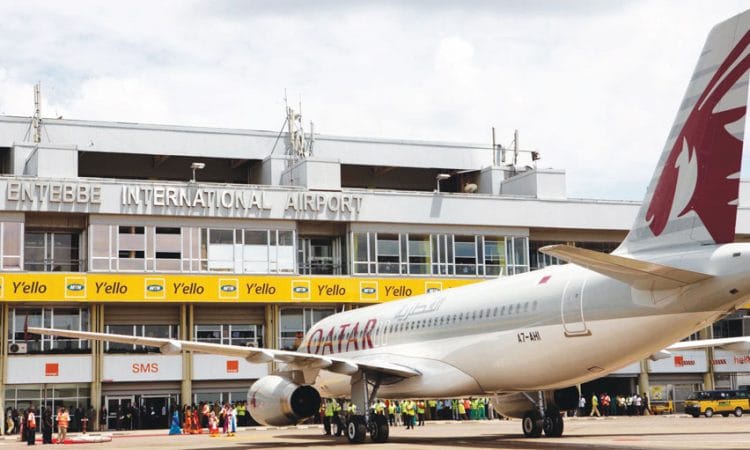
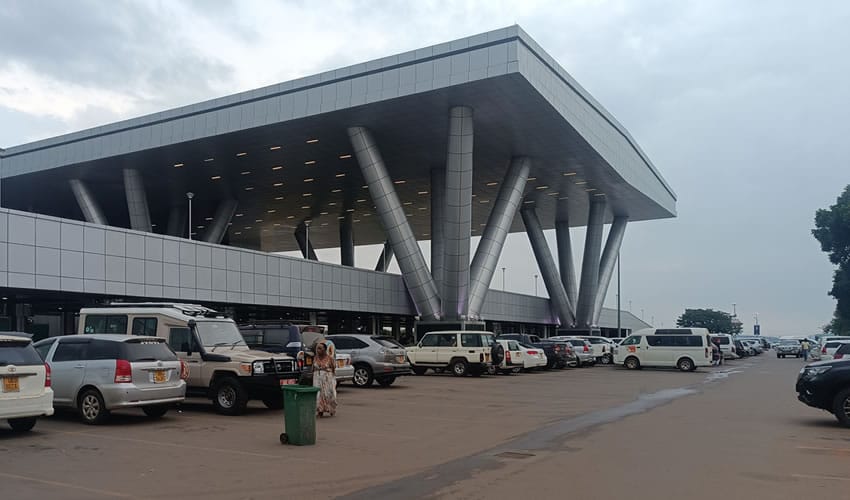
The first step in your journey is understanding the flight routes. While there are no direct flights from Canada to Uganda, several major international airlines offer comfortable one-stop or two-stop connections. Entebbe International Airport (EBB) is the primary gateway.
Most travelers flying from Toronto (YYZ) or Vancouver (YVR) will route through European hubs like Amsterdam (KLM), London (British Airways), or Istanbul (Turkish Airlines). The total travel time, including layovers, typically ranges from 15 to 22 hours. We recommend booking well in advance to secure the best seats for the long-haul journey.
Visa & Entry Requirements for Canadians
Navigating the visa process is a crucial step when you plan to travel to Uganda from Canada. The good news is that Canadians are eligible for the Uganda e-Visa, which can be conveniently applied for online before departure.
You will need a valid passport, a recent passport photo, and a Yellow Fever vaccination certificate. We strongly advise using the official Uganda Directorate of Citizenship and Immigration Control website to avoid third-party fees. The standard tourist visa is usually processed within a few days and is often valid for 90 days, allowing ample time to explore the national parks.

Health & Safety Planning
Your well-being is our priority. Before you travel to Uganda from Canada, consult with a travel health clinic regarding vaccinations for Yellow Fever, Typhoid, and Hepatitis A. It is also recommended to have malaria prophylaxis, as Entebbe and many safari areas have a moderate risk of malaria.
For safety, the Uganda Wildlife Authority (UWA) and your tour operator will ensure you are well-guarded during activities. In urban areas, standard travel precautions apply—keep valuables secure and avoid walking alone at night. The local communities are incredibly welcoming, and crime against tourists is generally low when standard protocols are followed.
The Best Time to Visit Uganda
Understanding Uganda’s climate will help you plan the perfect trip. The country enjoys a tropical climate, but temperatures are moderated by altitude.
- The Dry Seasons (December-February & June-September): These are the peak months for travel. Trails are less muddy, making wildlife viewing and gorilla trekking easier. If you can travel during these windows, we highly recommend it.
- The Rainy Seasons (March-May & October-November): While roads can be slippery, the landscapes turn a lush green. This is an excellent time for birders, as migratory birds are present, and lodges often offer lower rates (though we focus on the experience here).

What to Pack for Your Ugandan Safari
Packing correctly ensures you are comfortable during your journey. When preparing to travel to Uganda from Canada, remember you are moving from the chill of North America to the equatorial sun.
- Clothing: Lightweight, breathable fabrics in neutral colors (khaki, beige, green) are ideal. Bring a warm fleece or light down jacket for early morning game drives and the high-altitude gorilla trekking regions.
- Footwear: Sturdy, waterproof hiking boots are essential for gorilla trekking. For city exploring, comfortable walking shoes are sufficient.
- Essentials: Don’t forget high-SPF sunscreen, a wide-brimmed hat, polarized sunglasses, and a high-capacity power bank.
Must-Do Experiences in Uganda
Once you have successfully navigated the journey, Uganda is yours to discover. The country offers a diversity of experiences rarely found elsewhere.
1. Gorilla Trekking in Bwindi Impenetrable Forest
Often referred to as the “Switzerland of Africa,” the terrain here is steep, but the reward of spending time with a mountain gorilla family is an experience that will permanently mark your heart. The standard gorilla permit is priced at $800 (for foreign non-residents) during the high season.
2. The Mighty Murchison Falls
Witness the Nile River explode through a narrow gorge at Murchison Falls National Park. A boat cruise to the base of the falls is a spectacular way to see hippos and crocodiles while feeling the spray of the “World’s Most Powerful Waterfall.”
For travelers with limited time in Uganda, our 3-Day Murchison Falls Safari combines wildlife game drives, a Nile boat cruise and the park’s major highlights.
3. Tree-Climbing Lions of Ishasha
In the southern sector of Queen Elizabeth National Park, you can witness the unique pride of lions lazing in the branches of fig trees. This rare behavior is iconic and one of the top photo opportunities in Africa.
Frequently Asked Questions
How long does it take to fly from Canada to Uganda?
The average flight time, including layovers, is approximately 15 to 22 hours. The total travel time depends on layovers in cities like London, Amsterdam, or Istanbul. Typically, you will need to budget a full day for travel.
Do I need a visa to travel to Uganda from Canada?
Yes, Canadian citizens are required to obtain a visa before traveling. You can apply for the Uganda e-Visa online via the official government portal.
What is the currency used in Uganda?
Uganda uses the Ugandan Shilling (UGX). While most safari lodges and major hotels accept credit cards (Visa/Mastercard), it is advisable to carry USD in cash (issued after 2006) for tipping and smaller local markets. You can exchange money at the airport or in town.
Is it safe to travel to Uganda as a Canadian?
Yes. Uganda is a very safe country to visit. The locals are incredibly hospitable. As with any international travel, it is wise to avoid walking alone in unlit areas at night and to keep your belongings secure. The Uganda Wildlife Authority ensures high safety standards in national parks.
Do I need a Yellow Fever vaccine to travel to Uganda?
Yes. The Yellow Fever vaccination is mandatory for entry into Uganda and you will be required to show your vaccination certificate upon arrival. It is recommended to get this at least 10 days before your trip.
Understanding Modern Tourism in Uganda
As you plan your journey, it is worth understanding the type of travel you are participating in. Uganda is a global leader in conservation-led tourism, and the choices you make here have a profound impact.
What is the difference between ecotourism and mass tourism?
Ecotourism is a responsible form of travel focused on conserving natural environments and improving the well-being of local communities, whereas mass tourism prioritizes high visitor volume, often at the expense of ecological and cultural integrity. In Uganda, ecotourism manifests through small-group gorilla treks with strict visitor limits, ensuring the mountain gorillas’ habitat remains undisturbed. Revenue from permits directly funds anti-poaching units and veterinary care. Conversely, mass tourism often relies on large resorts, generates significant waste, and funnels profits to international chains rather than local households. When you choose to travel to Uganda from Canada with a conservation-minded operator, you are actively participating in ecotourism—keeping your carbon footprint low while maximizing the financial benefit to the rural communities protecting these endangered species.
What are the best sustainable tourism practices?
The best sustainable tourism practices begin with mindful preparation. First, pack reusable water bottles and eco-friendly toiletries to eliminate single-use plastics, as waste management is a challenge in remote national parks. Second, choose eco-lodges that operate on solar power and utilize locally sourced food, which reduces transportation emissions and supports Ugandan farmers. Third, maintain strict wildlife viewing protocols—never approach animals closer than the UWA recommended distances, and turn off your engine during game drives to minimize noise pollution. Fourth, purchase handicrafts directly from community cooperatives rather than mass-produced souvenirs, ensuring your money goes into local hands. Finally, we strongly recommend offsetting your international flight carbon footprint through verified reforestation projects in Uganda, many of which partner directly with the Uganda Wildlife Authority to restore degraded forest corridors.
How does adventure tourism boost local economies?
Adventure tourism acts as a powerful economic engine by creating direct employment and fostering entrepreneurship in rural areas. When you travel to Uganda from Canada for gorilla trekking or white-water rafting on the Nile, you are paying for park entry fees, guide services, and accommodation—all of which generate immediate income for local families. For instance, 20% of gorilla permit fees in Bwindi are shared with surrounding communities through revenue-sharing programs, funding schools, health clinics, and clean water projects. Furthermore, adventure tourism incentivizes conservation; when a mountain gorilla generates over $2 million in lifetime tourism revenue for its local parish, communities are far less likely to engage in poaching or deforestation. It also stimulates secondary industries—local drivers, cooks, porters, and handicraft sellers all depend on the steady flow of adventurous travelers, creating a resilient, diversified rural economy that stands firm against economic shocks.
Let’s Start Planning Your Journey
Travel to Uganda from Canada with Afraeka Adventures, we understand the nuances of helping you travel to Uganda from Canada. We are dedicated to creating an itinerary that respects your time, budget, and spirit of adventure. We take the stress out of logistics so you can immerse yourself in the stunning landscapes and culture of Uganda. Travel to Uganda from Canada
Your adventure of a lifetime is just a conversation away. Reach out to us to start planning your travel to Uganda from Canada.
- Email: info@afreakaadventures.com
- Phone: +256 794144988
- Website: www.afreakaadventures.com