Short answer: A Uganda safari from the USA is a one-stop long-haul trip. There are no direct flights from the United States to Entebbe International Airport, so every route connects via Amsterdam, Doha, Dubai, Istanbul, Addis Ababa, Nairobi or Brussels. Total travel time is 18 to 28 hours door to door. US passport holders need a Uganda eVisa and a yellow fever certificate. Uganda is 7 to 11 hours ahead of US time zones, so allow two to three days to adjust. Most US travellers spend 8 to 14 days in Uganda, combining gorilla trekking in Bwindi Impenetrable National Park with one or two savannah parks.
This guide covers what a Uganda safari from the USA actually involves: visa options, realistic flight routing from US cities, jet lag, how long to go for, the best months to travel around the US calendar, gorilla permit logistics, cost drivers, health requirements and how the booking process works.
Quick Facts: Uganda Safari from the USA
- Direct flights: None. Connect via Amsterdam, Doha, Dubai, Istanbul, Addis Ababa, Nairobi, Brussels or Kigali.
- Total travel time: 18–22 hours from the East Coast; 22–28 hours from the West Coast.
- Time difference: Uganda is on East Africa Time (UTC+3) — 7 hours ahead of US Eastern in summer, 8 hours ahead in winter, 11 hours ahead of US Pacific in summer.
- Jet lag: Allow 2 to 3 days to adjust — this is a large eastward time shift.
- Visa: Uganda eVisa required for US passport holders.
- Health: Yellow fever vaccination certificate required for entry into Uganda.
- Best months: December to February and June to September — Uganda’s dry seasons.
- Typical trip length: 8 to 14 days.
- Currency: Ugandan shillings for everyday spending; US dollars widely accepted in tourism. See exchange rate guidance.
- Gorilla trekking minimum age: 15 — confirm current rules with the Uganda Wildlife Authority.
Can Americans do a Uganda safari from the USA?
Direct answer: Yes. A Uganda safari from the USA is a well-established long-haul trip and the United States is one of Uganda’s largest source markets for gorilla trekking. There are no direct flights, so every route involves at least one connection, usually via a European, Middle Eastern or African hub. Once in Entebbe, Uganda’s safari circuits are well developed for both gorilla trekking and savannah parks.
Do US citizens need a visa for a Uganda safari from the USA?
Direct answer: Yes. US passport holders must obtain a Uganda visa before travel. The visa is applied for online through Uganda’s official eVisa portal. US travellers typically choose between a single-entry Uganda eVisa and the East Africa Tourist Visa, which covers Uganda, Kenya and Rwanda.
| Visa type | Covers | Best for |
|---|---|---|
| Uganda single-entry eVisa | Uganda only | Uganda-only itineraries |
| East Africa Tourist Visa | Uganda, Kenya, Rwanda | Multi-country trips, including Kenya safari or Rwanda gorilla add-ons |
For a full breakdown of requirements, fees and application steps, see our Uganda visa requirements guide.
Verify before applying. Visa categories, fees and processing times change. Confirm current requirements with Uganda Immigration and check the US Department of State travel advisory for Uganda.
Are there direct flights for a Uganda safari from the USA?
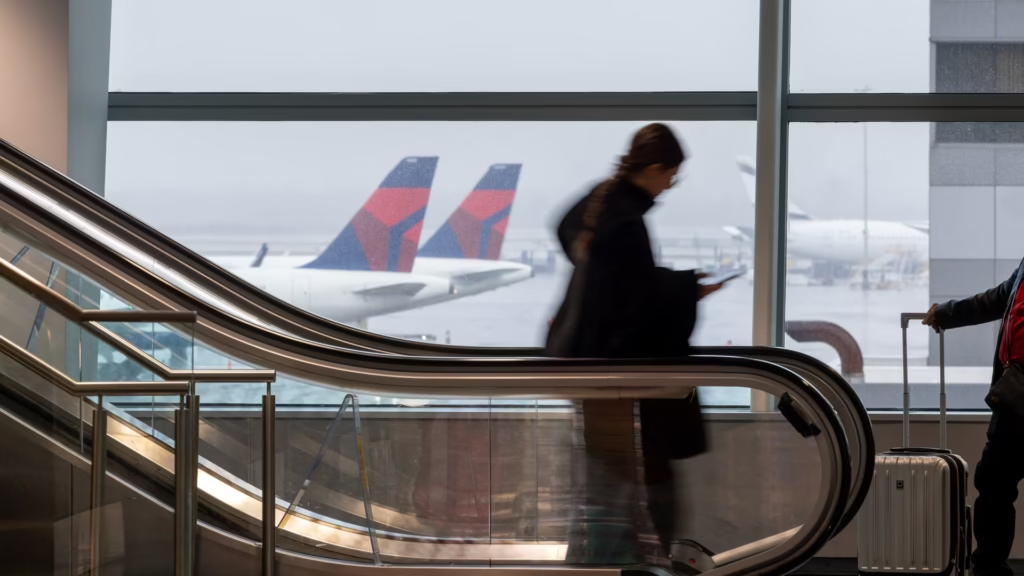
Direct answer: No. There are no direct flights from the United States to Uganda. Every US route for a Uganda safari from the USA involves at least one connection. The main one-stop hubs are Amsterdam, Doha, Dubai, Istanbul, Addis Ababa, Nairobi, Brussels and Kigali.
One-stop routes from the USA to Uganda
| Hub | Airline | Departure cities |
|---|---|---|
| Amsterdam (AMS) | KLM | New York JFK, Newark, Chicago, Atlanta, Los Angeles |
| Doha (DOH) | Qatar Airways | New York JFK, Chicago, Dallas, Los Angeles, Miami |
| Dubai (DXB) | Emirates | New York JFK, Boston, Chicago, Dallas, Los Angeles, Seattle |
| Istanbul (IST) | Turkish Airlines | New York JFK, Newark, Chicago, Washington Dulles, Atlanta, Los Angeles |
| Addis Ababa (ADD) | Ethiopian Airlines | Washington Dulles, New York JFK, Chicago |
| Nairobi (NBO) | Kenya Airways | New York JFK; useful for Kenya add-ons |
| Brussels (BRU) | Brussels Airlines | New York JFK, Washington Dulles |
| Kigali (KGL) | RwandAir | Useful for Rwanda extensions |
Route note. Airline schedules and hubs change. Confirm current routes with the airline or a travel agent when you book.
How long does a Uganda safari from the USA take to reach?
Direct answer: Door-to-door travel time for a Uganda safari from the USA is typically 18 to 22 hours from the East Coast, and 22 to 28 hours from the West Coast. This includes at least one connection with a layover of two to six hours. The longest leg is typically the transatlantic or transpacific sector.
| Departure region | Typical routing | Door-to-door time |
|---|---|---|
| East Coast | One stop (Europe, Middle East or Africa) | Approx. 18–22h |
| Midwest | One stop | Approx. 20–24h |
| South | One stop | Approx. 19–24h |
| West Coast | One or two stops | Approx. 22–28h |
Is there jet lag on a Uganda safari from the USA?
Direct answer: Yes, and it is significant. Uganda operates on East Africa Time (UTC+3). The US spans multiple time zones, so the adjustment varies by location. Uganda is 7 hours ahead of US Eastern in summer and 8 hours ahead in winter, 10 hours ahead of Mountain, and 11 hours ahead of Pacific in summer.
You are flying eastward, which is generally the harder direction to adjust to. A shift of seven to eleven hours is significant. Most travellers need two to three days before feeling fully normal. The practical implication: do not schedule gorilla trekking for the morning after landing. Spend the first night near Entebbe, rest, and start the drive or flight toward your first park the following day.
How long should a Uganda safari from the USA be?
Direct answer: Most US travellers spend 8 to 14 days in Uganda. Given the length of the journey, a trip shorter than seven days rarely makes sense. A 10 to 12 day trip is the most common US itinerary length for a Uganda safari from the USA.
| Trip length | Covers | Notes |
|---|---|---|
| 7–8 days | One gorilla trek + one savannah park | Tight given travel time but workable |
| 10–12 days | Gorillas + chimpanzees + two savannah parks | Most common US trip length |
| 14+ days | Multiple parks + optional Rwanda extension | Best value once you’ve committed to the journey |
See the 8-Day Ultimate Uganda Wildlife and Gorilla Safari, the 5-Day Uganda Safari or the 18-Day Uganda Safari.
What is the best time of year for a Uganda safari from the USA?
Direct answer: The best months for a Uganda safari from the USA are December to February and June to September — Uganda’s two dry seasons. The June to September window aligns with US summer school holidays. December to February aligns with the US winter break. Gorilla trekking operates year-round but is easier in the dry seasons.
| Month | Season | Notes for US travellers |
|---|---|---|
| December–February | Dry | Winter break; permits book out for Christmas and New Year |
| March–May | Wet | Lower prices, fewer visitors, muddy forest trails |
| June–September | Dry | Peak season; aligns with US summer holidays |
| October–November | Short rains | Best value window |
US school-holiday alignment. Uganda’s June–September dry season aligns with US summer holidays. The December–February window aligns with the US winter break. Both are peak periods, so permits for July, August, December and January sell out months in advance.
Uganda gorilla trekking from the USA
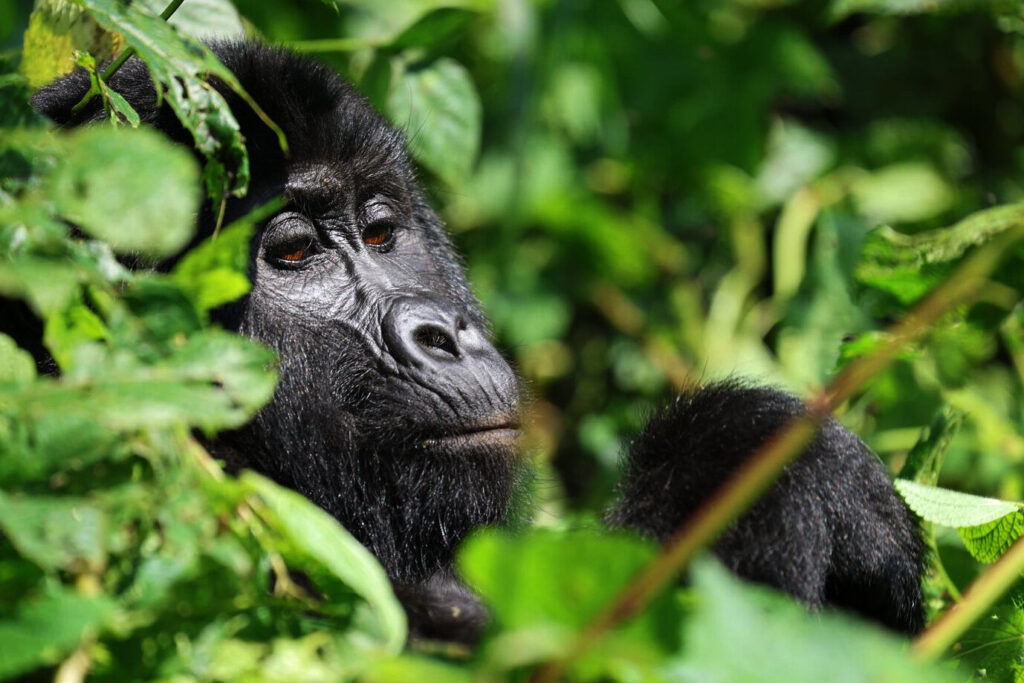
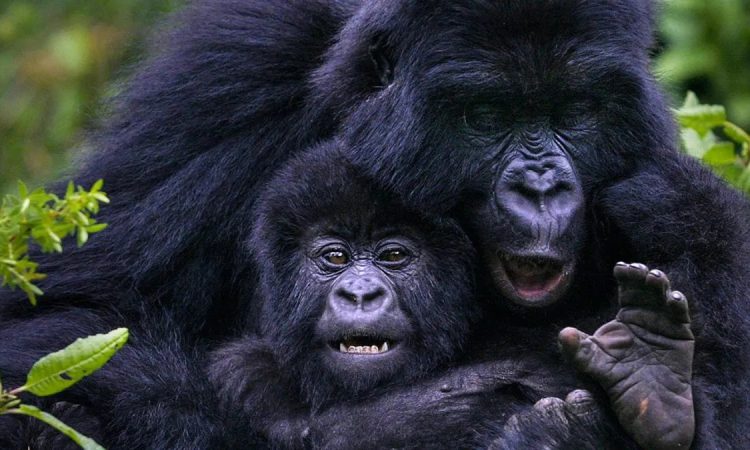
Direct answer: Gorilla trekking in Uganda takes place in Bwindi Impenetrable National Park and Mgahinga Gorilla National Park. Bwindi is the primary destination with four trekking sectors and the widest accommodation range. Permits are issued by the Uganda Wildlife Authority and priced per person, per trek. US travellers should book permits at least six months ahead for peak-season trekking.
For a full guide to permits, sectors, fitness and what to expect, see our Uganda gorilla trekking guide and our primate tracking experiences page.
Verify permit pricing. Gorilla permit prices are set by the Uganda Wildlife Authority and change periodically. Confirm current pricing and the booking process before finalising your budget.
See the 3-Day Uganda Gorilla Safari or the 5-Day Bwindi and Lake Mburo Safari.
How much does a Uganda safari from the USA cost?
Direct answer: There is no single price for a Uganda safari from the USA. Costs depend on six variables: gorilla permit fees, trip length, accommodation tier, group size, season and whether international flights are included. Uganda safari quotes are typically priced in US dollars, so US travellers face no currency conversion on the ground portion. Budget separately for international flights.
| Cost driver | Effect on total cost |
|---|---|
| Gorilla permits | Largest fixed cost per person; set by UWA |
| Trip length | More days = more park fees, nights and vehicle time |
| Accommodation tier | Budget, mid-range and luxury tiers differ substantially |
| Group size | Private vs shared vehicle affects per-person cost |
| Season | Peak season (Jun–Sep, Dec–Feb) costs more |
| International flights | Usually excluded from Uganda safari quotes |
For a tailored figure, request a quote. See also our exchange rate guidance for on-the-ground spending.
Health, vaccinations and travel insurance for a Uganda safari from the USA
Direct answer: Yellow fever vaccination is mandatory for entry into Uganda. Malaria prophylaxis is strongly recommended for all travellers. Routine US vaccinations (tetanus, hepatitis A, typhoid) should be current. Travel insurance must cover medical evacuation and trekking activity — many standard US policies exclude gorilla trekking.
- Yellow fever. Certificate required for entry. Vaccinate at least 10 days before travel. Waiver letters available for medical contraindications.
- Malaria. Uganda is a malaria-risk country. Antimalarials are usually recommended. Consult a US travel clinic.
- Routine vaccinations. Confirm tetanus, hepatitis A and typhoid are current.
- Travel insurance. Confirm the policy covers trekking, medical evacuation from remote areas and trip interruption. US health insurance does not cover you abroad unless a specific travel benefit applies.
See our full travel advice for Uganda and Uganda packing list.
Verify with official sources. Health requirements change. Confirm current recommendations with the CDC, your travel clinic, and Uganda Immigration before departure. This is general guidance, not medical advice.
Which Uganda safari from the USA suits you?
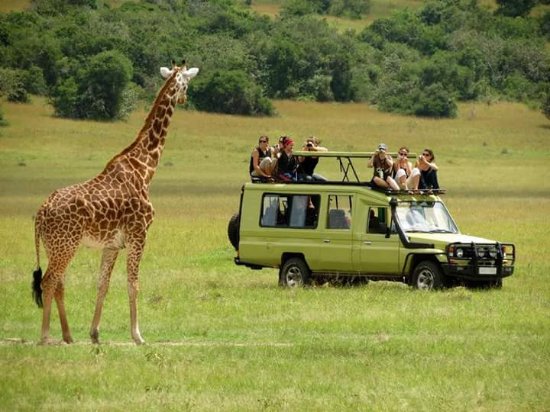
Direct answer: Uganda safaris for US travellers fall into three shapes: gorilla-focused, gorilla plus savannah wildlife, and comprehensive multi-park trips. The most popular shape for a Uganda safari from the USA combines Bwindi Impenetrable National Park with Queen Elizabeth or Murchison Falls National Park.
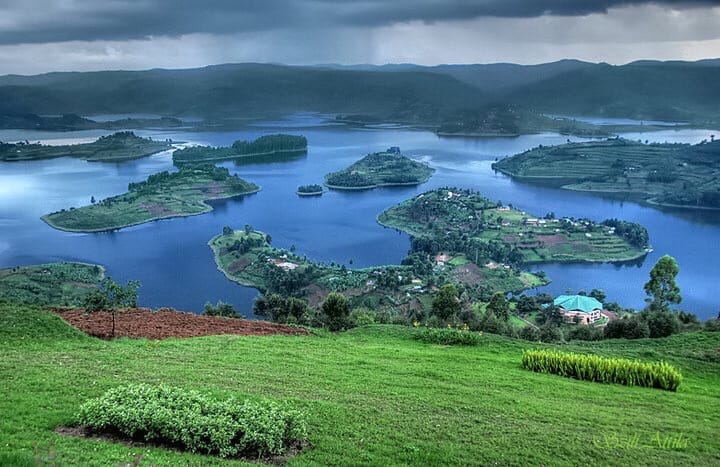
- Gorilla-focused. Bwindi plus Lake Mburo or Lake Bunyonyi. See the 3-Day Uganda Gorilla Safari.
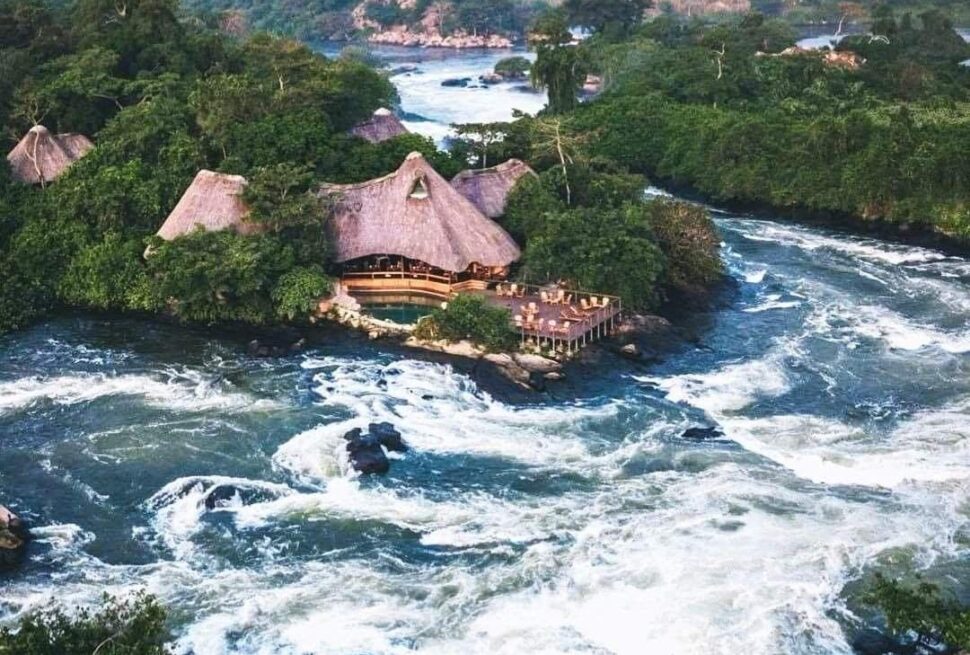
- Gorilla plus wildlife. Bwindi plus Queen Elizabeth or Murchison Falls National Park. Most popular for US travellers. See the 3-Day Murchison Falls Safari or browse big game safaris.
- Comprehensive. Multiple parks, chimpanzee tracking, cultural experiences, optional Rwanda extension. See the 18-Day Uganda Safari or the 7-Day Uganda and Rwanda Primate Safari.
Browse all options on the Uganda safari trips page, or explore safari destinations and Uganda destination highlights.
How do you book a Uganda safari from the USA?
Direct answer: Booking a Uganda safari from the USA is done remotely. Choose dates around permit availability, pick your parks, request quotes from a Uganda-based operator, secure permits with a deposit, then book flights into Entebbe. Visa and vaccinations come last.
- Confirm dates and trip length. Gorilla permits drive the calendar.
- Choose parks and activities. Gorillas, chimpanzees, game drives, boat safaris, birding. See all activities.
- Request quotes from operators. Share dates, group size, budget and priorities.
- Confirm the itinerary and pay a deposit. Permits are purchased early.
- Book flights into Entebbe. At least one connection from any US city.
- Apply for the Uganda eVisa and complete vaccinations.
- Arrange travel insurance and pay the balance.
Afraeka Adventures is a Uganda-based operator, so ground logistics, permits and vehicles are handled locally rather than through a US agency. Start planning your Uganda safari or contact us with your dates.
Frequently Asked Questions
Are there direct flights from the USA to Uganda?
No. There are no direct flights between the United States and Entebbe International Airport. Every route connects through a hub such as Amsterdam, Doha, Dubai, Istanbul, Addis Ababa, Nairobi, Brussels or Kigali. Common US departure airports include New York JFK, Newark, Washington Dulles, Atlanta, Chicago, Los Angeles and Seattle.
How long does it take to fly from the USA to Uganda?
Total door-to-door travel time is approximately 18 to 22 hours from the US East Coast, and 22 to 28 hours from the West Coast. This includes at least one connection with a layover of two to six hours. The longest leg is typically the transatlantic or transpacific sector.
Do US citizens need a visa for Uganda?
Yes. US passport holders must obtain a Uganda visa before travel, applied for online through Uganda’s official eVisa portal. The East Africa Tourist Visa covers Uganda, Kenya and Rwanda if you plan a multi-country itinerary. Confirm current requirements with Uganda Immigration before applying.
Is there jet lag flying from the USA to Uganda?
Yes, and it is significant. Uganda is 7 to 11 hours ahead of US time zones, depending on your location. You are flying eastward, which is the harder direction. Most travellers need two to three days to adjust fully. Do not schedule gorilla trekking for the morning after landing.
Is Uganda safe for American tourists?
Uganda is an established safari destination and most trips pass without incident. Check the US Department of State travel advisory before booking. Follow local guidance on the ground and travel with a reputable Uganda-based operator. Gorilla trekking areas such as Bwindi are well managed and regularly visited.
What is the best time of year for Americans to visit Uganda?
The best months are December to February and June to September, Uganda’s dry seasons. The June to September window aligns with US summer school holidays. December to February aligns with the US winter break. October to November is the best-value window with fewer crowds and lower lodge rates.
How many days do you need for a Uganda safari from the USA?
Most US travellers spend 8 to 14 days in Uganda. Given the long flight, a trip shorter than 7 days rarely makes sense. A 10 to 12 day trip is the most common US itinerary length, covering gorilla trekking, chimpanzee tracking in Kibale National Park and two savannah parks.
Do I need a yellow fever vaccination for Uganda?
Yes. A yellow fever vaccination certificate is required for entry into Uganda. Vaccination should be completed at least 10 days before travel. Travellers with medical contraindications can obtain a waiver letter from a travel clinic. Confirm current requirements with the CDC and your travel clinic before departure.
How much does a Uganda safari from the USA cost?
A Uganda safari cost depends on trip length, accommodation tier, group size, season and whether international flights are included. Gorilla permits are the largest fixed cost and are set by the Uganda Wildlife Authority. Uganda safari quotes are typically priced in US dollars, so US travellers face no currency conversion on the ground portion.
Can you combine a Uganda safari with Rwanda or Kenya?
Yes. The East Africa Tourist Visa covers Uganda, Kenya and Rwanda on a single visa, which makes multi-country itineraries straightforward. Common combinations are Uganda gorilla trekking plus Rwanda, or Uganda plus a Kenya safari. Regional flights between Entebbe, Kigali and Nairobi are short.
About the author — Victoria Kayaga
Victoria Kayaga is a Ugandan-born safari specialist and the founder of Afraeka Adventures. She works on gorilla trekking, wildlife safaris and multi-country itineraries across Uganda, Rwanda, Kenya and Tanzania, with a focus on conservation and community-based tourism. Based in Kampala.