Last updated: 26 September 2026. Rates and availability are set by UWA and subject to change — confirm before booking.
Short answer: A 5 day Uganda cultural and wildlife safari combines the country’s cultural heritage — the Kasubi Tombs in Kampala, the Ankole kingdom history around Mbarara, and the pastoralist traditions of the west — with savannah wildlife at Lake Mburo and Queen Elizabeth National Park. The route runs Kampala → Lake Mburo → Queen Elizabeth → Kampala, with cultural stops at the Igongo Cultural Centre and Ankole community visits built into the driving days. It is the format for travellers who want more than game drives and want to understand the country they are travelling through.
Most Uganda itineraries are about wildlife. The gorillas, the chimpanzees, the lions, the elephants, the boat safaris — these are the experiences that draw travellers to the country, and they are worth the trip on their own. What gets left out is the culture: the kingdoms, the pastoralist traditions, the shrines, the markets, the food. The 5 day Uganda cultural and wildlife safari is the format that deliberately integrates both, using the driving days as opportunities for cultural stops rather than dead time in the vehicle.
This guide covers what a 5 day Uganda cultural and wildlife safari actually involves — the day-by-day route, what each cultural stop contributes, how the wildlife parks fit around the cultural experiences, and who the format suits. It is a companion to the shorter wildlife-only format covered in our guide on the 4 day Uganda wildlife safari from Kampala, and to the wider activity range on the big game safaris page. Permit categories and rates sit on the gorilla permits Uganda page for travellers considering a primate extension. The regulatory framework for Uganda’s protected areas is published by the Uganda Wildlife Authority.
5 day Uganda cultural and wildlife safari — key facts
- Route: Kampala → Lake Mburo → Queen Elizabeth → Kampala
- Cultural stops: Kasubi Tombs, Namugongo Martyrs Shrine, Igongo Cultural Centre, Ankole community visits
- Wildlife parks: Lake Mburo National Park, Queen Elizabeth National Park
- Signature wildlife: Zebras (Lake Mburo), lions, elephants, hippos, buffalo (Queen Elizabeth)
- Distance: roughly 900 km total across the five days
- Best season: Dry months (Dec–Feb, June–Sept) for easier game viewing and firmer roads
- Minimum age: No minimum age for game drives, boat safaris or cultural visits
- Best for: Travellers who want culture and wildlife together; families; second-time Uganda visitors
What is a 5 day Uganda cultural and wildlife safari?
A 5 day Uganda cultural and wildlife safari is a five-day itinerary that combines Uganda’s cultural heritage with its savannah wildlife. It uses the driving days between parks as opportunities for cultural experiences — the Kasubi Tombs, the Namugongo Martyrs Shrine, the Igongo Cultural Centre, and community visits with the Ankole pastoralists. The wildlife stops are Lake Mburo and Queen Elizabeth, the two savannah parks closest to the western route.
Three things define the format:
- The cultural stops are built into the driving days. Rather than treating the transfers between parks as dead time, the format uses them for cultural experiences that would otherwise require extra days. The Kasubi Tombs and Namugongo sit in Kampala itself. The Igongo Cultural Centre sits on the Mbarara road, directly on the drive to Lake Mburo. The Ankole community visits happen on the same route.
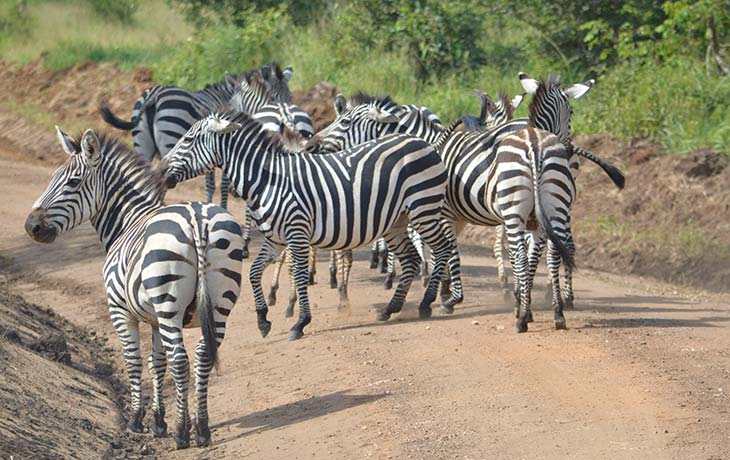
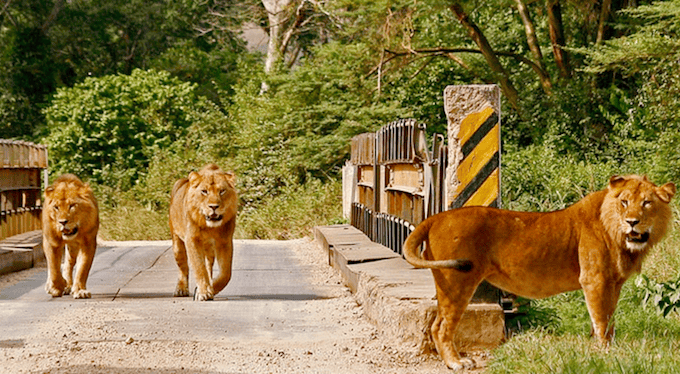
- Two wildlife parks provide the savannah segment. Lake Mburo is the closest savannah park to Kampala and the only place in Uganda for zebras. Queen Elizabeth is the country’s flagship savannah park, with lions, elephants, the Kazinga Channel and crater lakes. Together they cover the wildlife side of the trip.
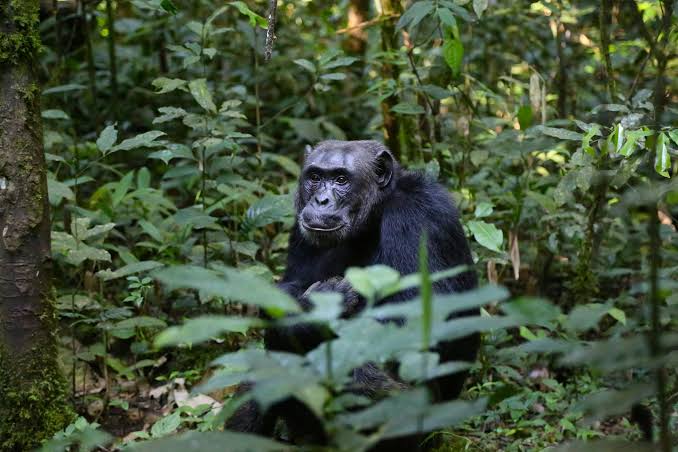
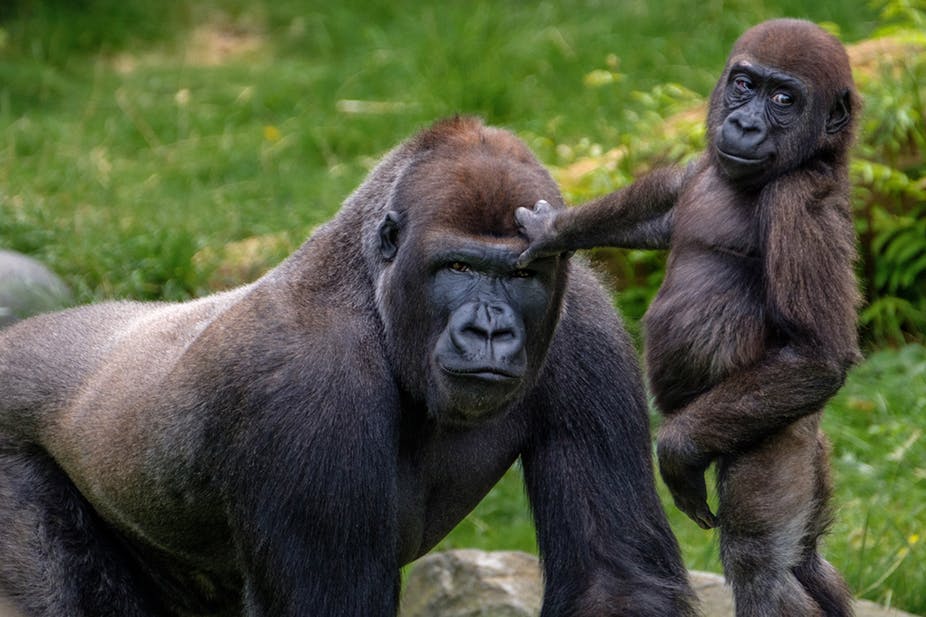
- No primates are included. The format deliberately excludes Bwindi, Mgahinga and Kibale because the primates require a separate, more focused route. The cultural and wildlife format works in the west of Uganda, on the Lake Mburo and Queen Elizabeth corridor, without the long drive to the extreme south-west.
The practical consequence is that the 5 day Uganda cultural and wildlife safari delivers a different kind of trip from the primate-focused itineraries. It is more varied, less physically demanding, and more accessible for families with children or travellers with mobility concerns. What it trades is the gorilla or chimpanzee trek, which the western route would require a separate trip to reach. The wider activity range across the country sits on the safari destinations page.
Afraeka tip: If you are booking a 5 day Uganda cultural and wildlife safari, plan the cultural stops around the actual driving times rather than as separate activities. The Kasubi Tombs and Namugongo take half a day in Kampala, but they can be fitted into the morning of day one before the drive to Lake Mburo. The Igongo Cultural Centre takes one to two hours and fits naturally on the Mbarara road. Building the stops into the driving days means the cultural experiences come without adding days.
What does each stop contribute?
The 5 day Uganda cultural and wildlife safari is built around six stops: three cultural, two wildlife, and one that combines both. Each contributes a specific part of the trip, and together they cover the variety of Uganda’s heritage and wildlife without the long drives of the primate circuit.
| Stop | Type | Contribution |
|---|---|---|
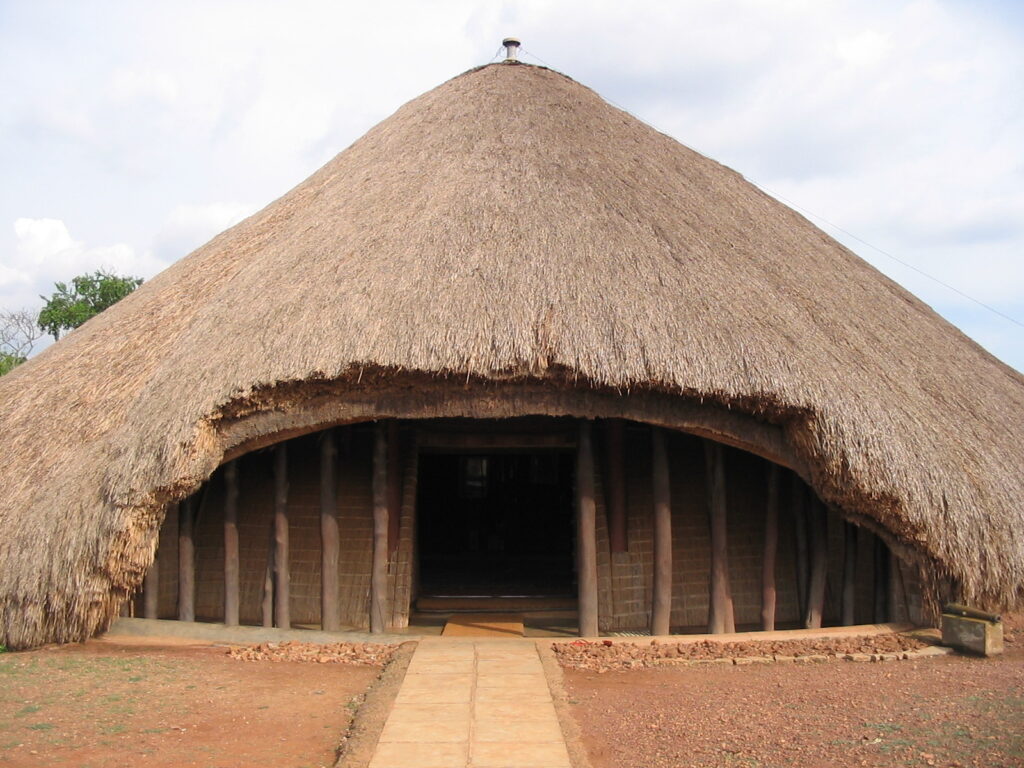
| Kasubi Tombs, Kampala | Cultural — UNESCO site | Burial site of the Buganda kings; the most significant cultural site in Uganda |
| Namugongo Martyrs Shrine, Kampala | Cultural — religious heritage | Site of the 1886 Uganda Martyrs; major pilgrimage destination |
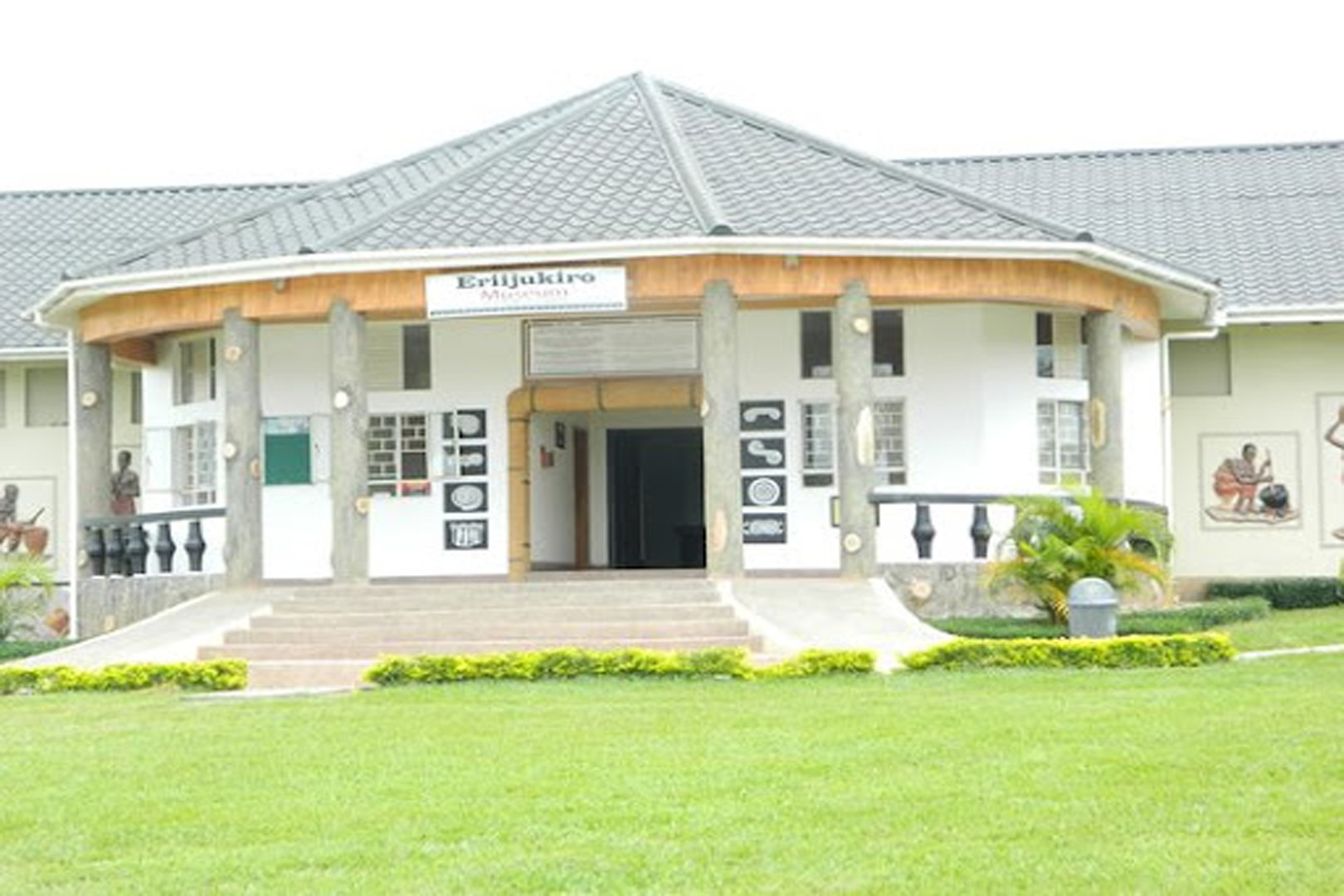
| Igongo Cultural Centre, Mbarara | Cultural — Ankole heritage | Museum and cultural village telling the story of the Ankole kingdom and Bahima pastoralists |
| Lake Mburo National Park | Wildlife — savannah | Zebras, impala, eland, buffalo, walking safaris, boat cruise |
| Ankole community visit | Cultural — pastoralist | Visit to a traditional Bahima homestead or a local market |
| Queen Elizabeth National Park | Wildlife — savannah | Lions, elephants, buffalo, the Kazinga Channel, crater lakes drive |
The two cultural stops in Kampala and the Igongo Cultural Centre are the anchors of the cultural side of the trip.
Three of these stops are worth highlighting. The Kasubi Tombs are the only UNESCO World Heritage Site in Uganda and the burial place of four kabakas (kings) of Buganda. The site is both culturally and architecturally significant, and a guided visit takes about an hour. Namugongo Martyrs Shrine is the site where 22 Ugandan Catholic and Anglican converts were executed in 1886, and it is now a major pilgrimage destination. The Igongo Cultural Centre near Mbarara is the best single introduction to western Uganda’s Ankole heritage — it includes a museum, a cultural village and a restaurant serving traditional Ankole dishes.
The two wildlife parks deliver the classic Uganda savannah experience. Lake Mburo is small, gentle and home to zebras. Queen Elizabeth is larger and holds the full range of East African savannah wildlife plus the Kazinga Channel. The wider picture of Uganda’s parks is on the Uganda destinations page.
What does the day-by-day route look like?
The five-day route runs west from Kampala to Lake Mburo, then south-west to Queen Elizabeth, then back to Kampala. The cultural stops are built into the driving days, and the wildlife experiences fill the days at each park.
The 5-day route, day by day
- Day 1 — Kampala cultural morning and drive to Lake Mburo. Start at the Kasubi Tombs (1 hour). Continue to the Namugongo Martyrs Shrine (1 hour). Depart Kampala mid-morning for Lake Mburo (3.5–4 hours via Masaka). Arrive at your Lake Mburo lodge by late afternoon. Sunset game drive or lodge arrival.
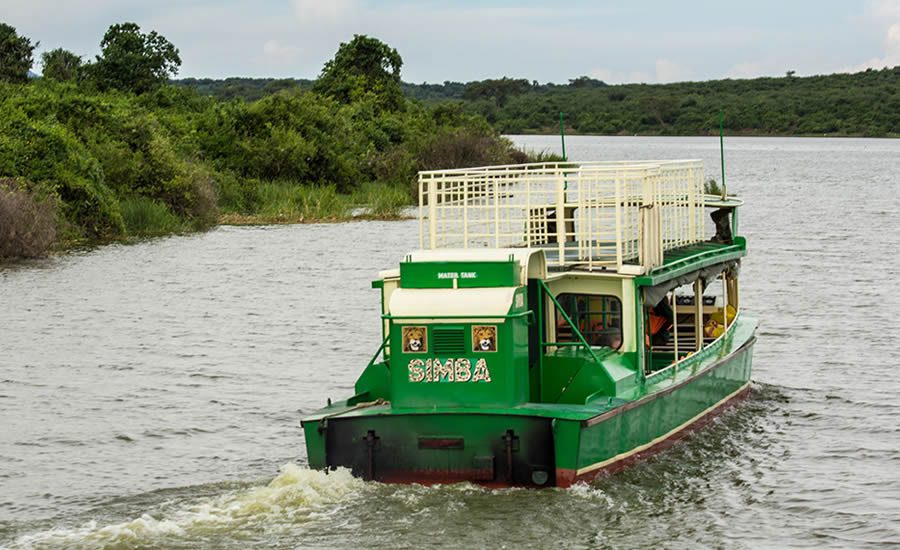
- Day 2 — Lake Mburo wildlife and Ankole culture. Morning walking safari or game drive in the park. Afternoon boat cruise on Lake Mburo. Late afternoon visit to a local Ankole community or market. Overnight at the same lodge.
- Day 3 — Lake Mburo to Queen Elizabeth. Depart after breakfast. Drive west to Queen Elizabeth (3 hours). Stop at the Igongo Cultural Centre on the way for a museum visit and lunch (1–2 hours). Arrive in Queen Elizabeth by mid-afternoon. Evening game drive on the Kasenyi plains. Overnight at a Queen Elizabeth lodge.
- Day 4 — Queen Elizabeth full day. Morning game drive on the Kasenyi plains or the northern bank. Afternoon Kazinga Channel boat safari. Optional crater lakes drive in the late afternoon. Overnight at the same lodge.
- Day 5 — Queen Elizabeth to Kampala. Depart after breakfast. Drive back to Kampala via Mbarara (6–7 hours), with a lunch stop and optional visit to a second cultural site. Arrive back in Kampala by late afternoon.
Two structural notes on this route. First, the cultural stops are deliberately weighted toward day one and day three — the two driving days that would otherwise be dead time. This means the trip includes the Kasubi Tombs, Namugongo and Igongo without adding days. Second, day four is the only full wildlife day. It combines a game drive, the Kazinga Channel boat safari, and an optional crater lakes drive. This is the pattern for the format — a moderate wildlife schedule wrapped around strong cultural content.
The wildlife elements are covered in more detail in our guides on the 2 day Lake Mburo safari and the Kibale and Queen Elizabeth safari, which cover the parks’ activity options in depth.
What cultural experiences fit into five days?
The cultural experiences that fit into the 5 day Uganda cultural and wildlife safari are the ones that sit naturally on the western route. Uganda has far more cultural heritage than any five-day trip can cover — the Buganda kingdom alone has dozens of sites around Kampala — but the format concentrates on the stops that combine well with the wildlife itinerary.
| Experience | Location | Time needed |
|---|---|---|
| Kasubi Tombs | Kampala | 1–1.5 hours |
| Namugongo Martyrs Shrine | Kampala (north-east) | 1 hour |
| Uganda National Museum | Kampala | 1–2 hours |
| Igongo Cultural Centre | Mbarara road | 1–2 hours |
| Ankole community visit | Lake Mburo area | 1–2 hours |
| Bahima homestead visit | Ankole region | 1–2 hours |
| Local market visit | Various | 1 hour |
| Traditional cooking demonstration | Lake Mburo or QE area | 1–2 hours |
Cultural stops are usually arranged through the lodge or a local guide. Some require advance booking.
The Kasubi Tombs and Namugongo Martyrs Shrine are the two anchor cultural experiences in Kampala, and both are close enough to be visited in a single morning. The Igongo Cultural Centre near Mbarara is the strongest single introduction to western Uganda’s Ankole heritage, and it sits directly on the drive from Lake Mburo to Queen Elizabeth. Together, these three stops give a compressed but comprehensive overview of Uganda’s cultural heritage along the western route.
The Ankole community visits are the fourth category. The Ankole region is home to the Bahima pastoralists, whose cattle-keeping traditions are distinct from the farming cultures of central and eastern Uganda. A visit to a traditional homestead or a working cattle enclosure gives a sense of a way of life that has been shaped by the landscape for centuries. The water-based wildlife activities that pair with the cultural stops sit on the boat and water safaris page.
When is the best time for the five-day trip?
The best time for a 5 day Uganda cultural and wildlife safari is the drier months — December to February and June to September. Game viewing at both Lake Mburo and Queen Elizabeth is easier in the thinner vegetation, the murram road sections on the driving days are firmer, and the cultural stops are more comfortable without heavy rain.
Three practical points on timing:
- Dry season is best for both wildlife and driving. Thinner vegetation means more visible wildlife at both parks, and the murram sections of the western route are firmer. The cultural stops in Kampala are unaffected by season.
- Wet season is quieter and greener. Lodges and activities are more available in April, May and November, and the parks are less crowded. The trade-off is harder game viewing and slower road sections.
- Cultural festivals vary by calendar. Several Ugandan cultural events — including the Buganda kingdom’s ceremonies and the Namugongo pilgrimage in early June — are worth planning around if you have specific interest. Confirm dates with your operator.
The wider season picture sits with the Uganda Tourism Board. The five-day format is genuinely year-round, and the trade-offs between seasons are about comfort and game visibility rather than whether the trip works.
Who is the format best for?
The 5 day Uganda cultural and wildlife safari is best for travellers who want more than game drives. It suits a wider range of travellers than the primate-focused itineraries because it has no minimum age, no physical fitness requirement, and no permit-based constraint on the schedule.
Book the format if you are…
- Wanting to understand Uganda’s culture alongside its wildlife
- Travelling with children — no minimum age for any of the activities
- Travelling with older relatives who want a slower pace and less physical demand
- On a second or third Uganda trip and wanting a different angle
- Interested in UNESCO sites, religious heritage, kingdom history and pastoralist cultures
- Wanting a break from the primate circuit without leaving the western route
Consider a different format if you are…
- Coming to Uganda specifically for gorillas or chimpanzees — those require the primate parks
- Wanting a heavier wildlife focus — the 4-day wildlife-only format is more concentrated
- Wanting deeper cultural coverage — a dedicated cultural itinerary around Kampala or the Buganda kingdom would be stronger
- Wanting the Nile or the top-of-the-falls walk — that requires the northern circuit
- On a tight three-day window — the five-day format is the minimum for this combination
The format works well as a first trip for travellers who want to see the country rather than just its parks, and as a return trip for travellers who have already done the primate circuit. The full range of longer itineraries sits on the trips page linked below.
How do you book a 5 day Uganda cultural and wildlife safari?
You book a 5 day Uganda cultural and wildlife safari by confirming the cultural stops first — since some require advance booking — then the lodges at Lake Mburo and Queen Elizabeth, and the vehicle and driver-guide for the full route. No UWA permits are required for any part of this itinerary.
What to arrange before the trip
- Kasubi Tombs visit confirmed — usually arranged on arrival or through a guide
- Namugongo Martyrs Shrine visit confirmed
- Igongo Cultural Centre stop booked — the restaurant and museum both need advance notice
- Ankole community visit arranged through the Lake Mburo lodge
- Lake Mburo lodge for nights one and two
- Queen Elizabeth lodge for nights three and four
- Vehicle and driver-guide for the full five-day route
- Game drives and boat safaris at both parks confirmed through the lodges
Two things are worth confirming when you book. First, whether the Kasubi Tombs are open on your visit date — the site is managed by the Buganda kingdom and can be closed for ceremonies. Second, whether the Ankole community visit is booked through the lodge or arranged separately — the quality of these visits varies, and a lodge that has an established relationship with a specific community is usually the better choice.
The full trip options that include the western parks sit on the trips page linked below. For travellers combining this cultural route with the primate parks, our guide on the Kibale and Bwindi combined safari shows how the western circuit extends further south.
Common mistakes with the 5 day Uganda cultural and wildlife safari
Most of what goes wrong with a 5 day Uganda cultural and wildlife safari comes down to a small set of avoidable mistakes, and all of them can be prevented with one careful planning conversation.
- Treating cultural stops as add-ons. The cultural experiences are not filler — they are the point of the format. Plan them with the same care as the game drives.
- Not checking the Kasubi Tombs opening hours. The site is managed by the Buganda kingdom and can be closed for ceremonies. Confirm before the visit.
- Missing the Igongo Cultural Centre. It sits directly on the Mbarara road and takes only one to two hours. It is the single best introduction to Ankole heritage, and skipping it means missing the cultural anchor of the western route.
- Underestimating the driving on day one. Kampala to Lake Mburo is 3.5 to 4 hours, and the cultural stops in the morning add to the day. Leave Kampala by mid-morning at the latest.
- Booking cultural visits through the wrong channel. Community visits arranged through a reputable lodge are usually more authentic and better supported than those booked on the roadside.
- Scheduling the return to Kampala too late. The drive from Queen Elizabeth is six to seven hours. Do not book anything with a fixed start time that evening.
- Not building in a buffer night at the end. If you have an international flight out of Entebbe, build in a night in Kampala or Entebbe before the flight.
- Assuming this format includes gorillas. It does not. The primate parks require a separate route further south-west. Travellers wanting gorillas should combine this format with a Bwindi extension of two or three days.
Can one permit cover two people?
Neither Lake Mburo nor Queen Elizabeth uses permits for game drives, boat safaris or cultural visits. Both parks operate on entry fees paid at the gate and per-activity fees paid through the lodge or at the ranger post. Each adult and each child pays their own entry fee, and each activity is booked on a per-person basis. The cultural stops in Kampala and Mbarara charge per-person entrance fees, and the community visits are booked on a per-person basis. There is no shared entry and no advance permit allocation. The permit-based system applies to the primate parks — Bwindi, Mgahinga and Kibale — and current permit categories for those sit on the gorilla permits Uganda page.
Two practical points about the booking structure. First, park entry fees are per person per day with children’s rates. Second, the cultural site fees are modest and usually paid in cash — bring small notes. The community visits are best booked through a lodge that has an established relationship with the community, which supports the local economy directly.
Once the lodges and cultural stops are confirmed, the five-day format runs to a fixed schedule with no permits or allocations on the day. The regulatory framework for Uganda’s protected areas is set by the Uganda Wildlife Authority, and the wider country map is on the Uganda destinations page.
Afraeka field note: A family of four — two parents and two teenagers — once booked a 5 day Uganda cultural and wildlife safari because their children were under 15 and they could not do the gorilla trek. What they told us afterwards was that the trip had been a proper education. The teenagers had known nothing about the Buganda kingdom before the Kasubi Tombs; the Namugongo Martyrs Shrine had sparked a conversation about religion and colonialism that lasted the whole drive to Lake Mburo; and the Igongo Cultural Centre had given them a framework for understanding the rest of the trip. On the wildlife side, the zebras at Lake Mburo and the Kazinga Channel boat safari had been the highlights. The parents’ comment was that the trip had felt more like a complete country than a single experience, and they had understood Uganda in a way they would not have from game drives alone. That is the honest value of the cultural and wildlife format. It shows you a country, not just its wildlife.
A question that comes up occasionally on TripAdvisor’s Uganda forum and on r/Uganda is some version of: “Is there more to Uganda than gorillas?” The honest answer is yes — the country has a rich cultural heritage, distinct regional traditions, and a strong savannah wildlife circuit that does not require a gorilla permit. Travellers who want to see Uganda as a country rather than a single experience will find the 5 day Uganda cultural and wildlife safari the right format.
Frequently asked questions
What is included in a 5 day Uganda cultural and wildlife safari?
The route includes cultural stops at the Kasubi Tombs and Namugongo Martyrs Shrine in Kampala, the Igongo Cultural Centre near Mbarara, and Ankole community visits around Lake Mburo. The wildlife parks are Lake Mburo and Queen Elizabeth National Park. The format combines game drives, a walking safari at Lake Mburo, the Kazinga Channel boat safari, and cultural experiences built into the driving days.
Does this format include gorillas or chimpanzees?
No. The 5 day Uganda cultural and wildlife safari deliberately excludes Bwindi, Mgahinga and Kibale because the primate parks require a separate, more focused route. Travellers wanting gorillas should combine this format with a two- or three-day Bwindi extension, or book a dedicated primate itinerary.
Is the Kasubi Tombs visit suitable for children?
Yes — the Kasubi Tombs welcome visitors of all ages, and the guided visit is about an hour. The site has cultural and historical significance that even younger children find engaging with the right guide. Confirm opening hours before your visit, as the site can be closed for Buganda kingdom ceremonies.
What is the Igongo Cultural Centre?
A museum and cultural village near Mbarara that tells the story of the Ankole kingdom and the Bahima pastoralists. It includes exhibits on Ankole history, a cultural village, and a restaurant serving traditional Ankole dishes. It sits directly on the Mbarara road and fits naturally into the drive from Lake Mburo to Queen Elizabeth.
When is the best time for the trip?
The drier months of December to February and June to September. Game viewing at both parks is easier in the thinner vegetation, and the murram road sections are firmer. The cultural stops in Kampala are unaffected by season.
Do I need permits for the cultural sites or parks?
No. The Kasubi Tombs, Namugongo Martyrs Shrine, Igongo Cultural Centre and the two wildlife parks all operate on per-person entry fees, not permits. The UWA permit system applies only to the primate parks — Bwindi, Mgahinga and Kibale.
Is the trip suitable for families with children?
Yes — this is one of the most family-friendly Uganda formats. There is no minimum age for any of the activities: game drives, boat safaris, walking safari at Lake Mburo, or the cultural visits. Families with children of any age can do the full itinerary.
How far is the driving on the trip?
Roughly 900 kilometres total across five days. The longest driving day is the return from Queen Elizabeth to Kampala (6–7 hours). The drive to Lake Mburo is 3.5 to 4 hours, and the transfer from Lake Mburo to Queen Elizabeth is 3 hours with the Igongo stop en route.
Can I extend the trip to include gorillas or chimpanzees?
Yes, but not within five days. Adding Bwindi, Mgahinga or Kibale requires at least two or three more days, bringing the itinerary to seven or more. Our guides on the Kibale and Bwindi combined safari and the 7-day Uganda primate safari cover the extended routes.
Planning a cultural and wildlife safari?
Send us your dates, party size and which cultural experiences you are most interested in, and we will build the route around the stops that matter to you — the Kasubi Tombs, Namugongo, Igongo or a specific community visit. We will confirm the wildlife parks and lodges, and outline how the five days fit together. No price figures until we know your route, because the activities are only part of the total.
About the author: Victoria Kayaga is a Ugandan-born safari expert and founder of Afraeka Adventures, with 15+ years in East African tourism. Based in Kampala, she has planned cultural and wildlife itineraries across Uganda for years, and she advises travellers on how to combine the country’s heritage with its savannah parks in a single trip. More about Victoria.
Keep planning