An Akagera National Park safari itinerary offers a classic African savannah experience in the heart of Rwanda. While the country is famous for mountain gorillas, Akagera provides a completely different wildlife adventure—open plains, rolling hills, wetlands, and lakes teeming with hippos, crocodiles, and over 500 bird species. It is the only place in Rwanda where you can see the Big Five, and its remarkable conservation story makes it one of Africa’s most inspiring safari destinations.
This guide outlines a detailed 4-day Akagera safari itinerary, with practical tips, wildlife highlights, and everything you need to plan your visit. Whether you are a first-time safari-goer or a seasoned traveller, Akagera will exceed your expectations.
Why Visit Akagera National Park?
Akagera National Park is located in eastern Rwanda along the border with Tanzania. It covers approximately 1,122 square kilometres of savannah, woodland, wetlands, and lakes. The park is named after the Kagera River, which forms part of its eastern boundary and feeds a network of lakes, including Lake Ihema, the largest in the park.
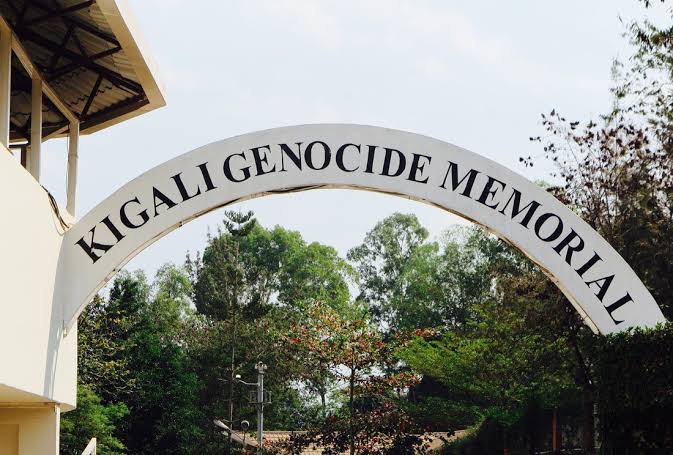
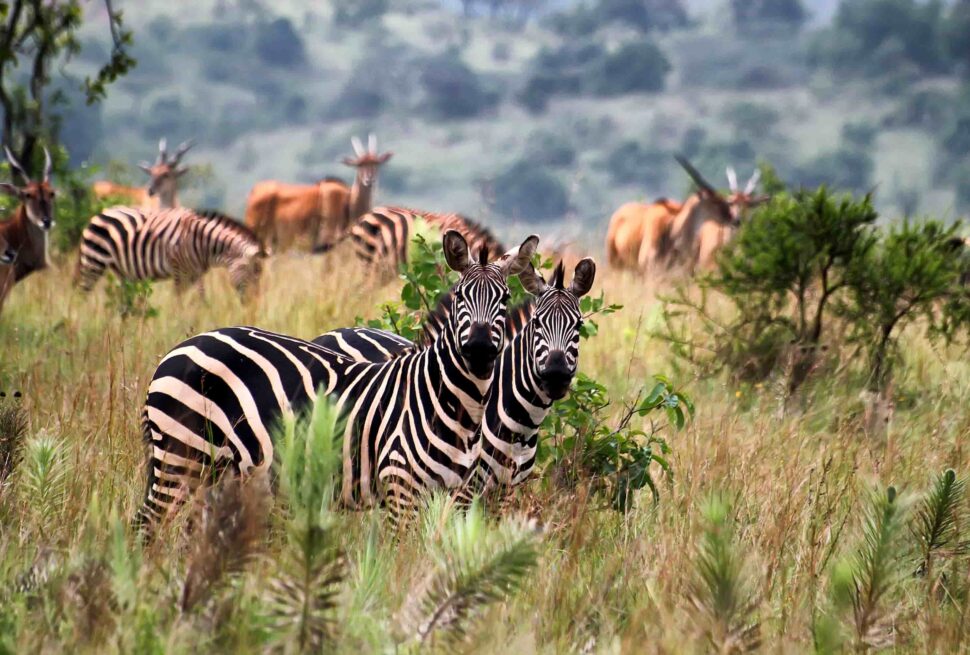
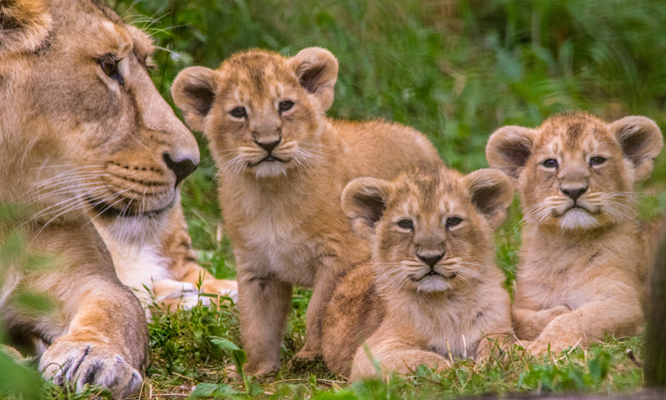
Akagera is a conservation success story. In the 1990s, the park was devastated by poaching and habitat loss following the Rwandan genocide. In 2010, the Rwanda Development Board partnered with African Parks to revitalise the park. Since then, lions and rhinos have been reintroduced, anti-poaching patrols have been strengthened, and wildlife populations have rebounded. Today, Akagera is home to the Big Five—lion, leopard, elephant, buffalo, and rhino—as well as giraffes, zebras, hippos, crocodiles, and a stunning variety of antelope.
For travellers who want a traditional savannah safari without the crowds of East Africa’s more famous parks, Akagera is a hidden gem. It offers excellent game viewing, beautiful scenery, and a sense of exclusivity that is increasingly rare.
Best Time to Visit Akagera National Park
Akagera is a year-round destination, but the best time for wildlife viewing is during the dry seasons:
- June to September (Long Dry Season): The best time for game drives. Vegetation is thinner, and animals congregate around water sources. This is peak season, so book accommodation early.
- December to February (Short Dry Season): Good conditions for game viewing, with fewer crowds than June–September.
- March to May (Long Rainy Season): Lush scenery, excellent birdwatching, and lower lodge rates. Some roads may become difficult, but the park remains accessible.
- October to November (Short Rainy Season): Similar to March–May but shorter. A good time for birders as migratory species arrive.
For the best combination of wildlife visibility and comfortable conditions, aim for the dry seasons. However, even in the wet season, Akagera offers rewarding safaris—just be prepared for occasional rain and muddy roads.
How to Get to Akagera National Park
Akagera is easily accessible from Kigali, Rwanda’s capital. The drive takes approximately two to two and a half hours, covering about 110 kilometres on a paved road. Most safari operators include private transfers from Kigali in their packages.
If you prefer to drive yourself, you can hire a 4×4 vehicle in Kigali. However, for a stress-free experience, we recommend booking a guided safari with a professional driver-guide who knows the park intimately.
For those combining Akagera with other Rwandan parks, the drive from Volcanoes National Park takes about four to five hours, while Nyungwe Forest is approximately six to seven hours away. Our 16-Day Rwanda and Uganda Gorilla Trekking & Big Five Safari includes Akagera as part of a comprehensive itinerary.
4-Day Akagera National Park Safari Itinerary
Day 1: Kigali to Akagera – Afternoon Game Drive
Your safari begins with a morning pickup from your hotel in Kigali. After a scenic drive through Rwanda’s eastern countryside, you’ll arrive at Akagera National Park in time for lunch. Check into your lodge or tented camp and take some time to relax and enjoy the views.
In the afternoon, embark on your first game drive. The park’s northern sector is known for its rolling hills and open plains, where you can spot elephants, buffalo, giraffes, zebras, and various antelope species. Your guide will introduce you to the park’s ecosystems and help you spot wildlife.
As the sun begins to set, return to your lodge for dinner and overnight. The sounds of the African bush—hippos grunting in the distance, birds calling—will be your lullaby.
Accommodation: Akagera offers a range of lodges and tented camps, from mid-range to luxury. Popular options include Ruzizi Tented Lodge, Karenge Bush Camp, and Magashi Camp (luxury).
Day 2: Full-Day Game Drive and Boat Safari
After an early breakfast, set out for a full day of game viewing. The morning is the best time to spot predators, so your guide will focus on areas where lions and leopards are known to roam. Akagera’s lion population has grown steadily since their reintroduction in 2015, and sightings are now common.
You’ll also visit the park’s wetlands, which are home to hippos, crocodiles, and an incredible array of birdlife. Keep an eye out for the elusive shoebill stork, a prehistoric-looking bird that is a favourite among birdwatchers.
In the afternoon, enjoy a boat safari on Lake Ihema. The lake is one of the largest in the park and offers a different perspective on the wildlife. You’ll glide past hippos and crocodiles, and spot kingfishers, fish eagles, and other waterbirds. The boat safari is a highlight for many visitors and a perfect way to relax after a morning of game drives.
Return to your lodge in the late afternoon for dinner and overnight.
Accommodation: Same as Day 1.
Day 3: Morning Game Drive and Night Drive
Today, you’ll explore a different sector of the park. Akagera is divided into northern and southern sections, each with its own character. The south is known for its lakes and wetlands, while the north offers more savannah and woodland. Your guide will choose the best route based on recent wildlife sightings.
After a morning game drive and lunch, take some time to relax at your lodge. In the evening, embark on a night drive—a thrilling experience that reveals Akagera’s nocturnal side. With a spotlight and an expert guide, you may spot leopards, genets, bushbabies, and owls. Night drives are conducted in special vehicles and are a fantastic way to see predators in action.
Return to your lodge for a late dinner and overnight.
Accommodation: Same as Day 1.
Day 4: Birdwatching and Departure
On your final morning, enjoy a leisurely breakfast before a short birdwatching walk or game drive. Akagera is a birdwatcher’s paradise, with over 500 recorded species. The park’s wetlands are particularly productive, and you may spot papyrus gonoleks, swamp flycatchers, and carmine bee-eaters.
After your activity, check out of your lodge and begin the journey back to Kigali. You’ll arrive in the capital by mid-afternoon, with time to relax or catch your evening flight.
If you have more time, consider extending your safari with a visit to Volcanoes National Park for gorilla trekking or Nyungwe Forest for chimpanzees. Our 7-Day Uganda-Rwanda Primates Safari offers a perfect combination of savannah and rainforest experiences.
Wildlife in Akagera National Park
Akagera is home to an impressive diversity of wildlife. Here’s a breakdown of what you can expect to see:
| Category | Species |
|---|---|
| Big Five | Lion, leopard, elephant, buffalo, rhino |
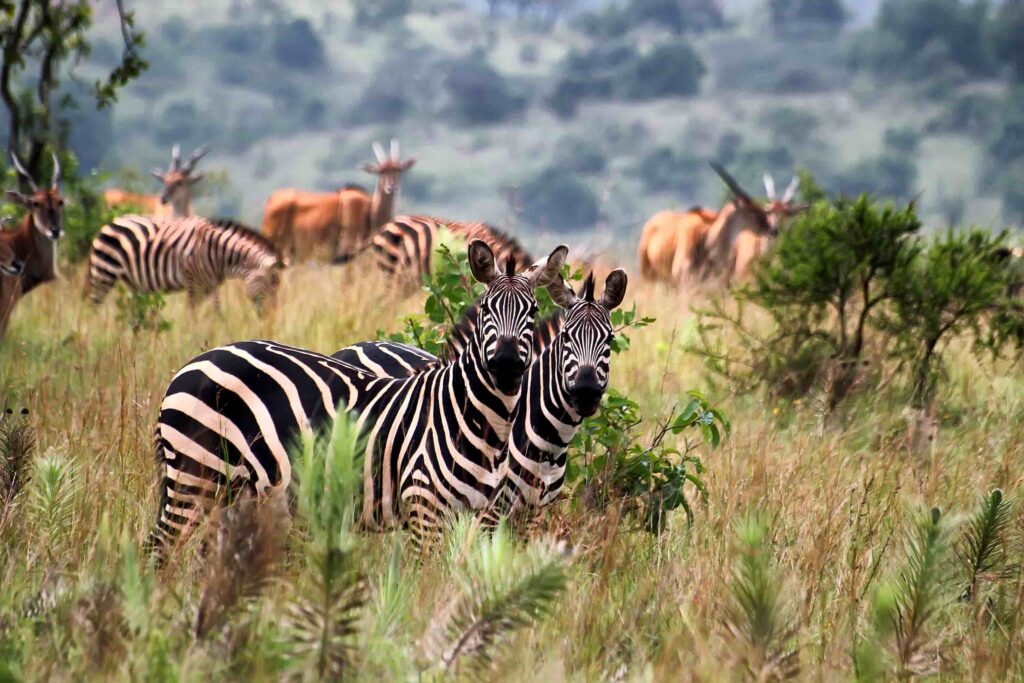
| Other mammals | Giraffe, zebra, hippo, crocodile, warthog, baboon, vervet monkey, bushbuck, topi, eland, roan antelope, oribi, sitatunga |
| Birds | Over 500 species including shoebill stork, papyrus gonolek, fish eagle, kingfisher, carmine bee-eater, and many more |
The park’s varied habitats—savannah, woodland, wetlands, and lakes—support this remarkable biodiversity. The northern sector is particularly good for elephants and giraffes, while the southern lakes are ideal for hippos and waterbirds.
Activities in Akagera National Park
- Game drives: The classic safari activity. Morning and afternoon drives offer the best wildlife viewing.
- Boat safaris: Explore Lake Ihema by boat for close encounters with hippos, crocodiles, and waterbirds.
- Night drives: Spot nocturnal animals like leopards, genets, and bushbabies.
- Birdwatching: With over 500 species, Akagera is a top destination for birders.
- Fishing: Catch-and-release fishing is available on Lake Ihema (seasonal).
- Cultural visits: Visit local communities to learn about traditional Rwandan life.
- Walking safaris: Guided nature walks are available in certain areas of the park.
Accommodation in Akagera National Park
Akagera offers a range of accommodation options to suit different budgets and preferences:
- Luxury: Magashi Camp (exclusive, high-end tented camp in the north), Ruzizi Tented Lodge (luxury tents on the shores of Lake Ihema).
- Mid-range: Karenge Bush Camp (seasonal tented camp), Akagera Game Lodge (comfortable rooms with pool and restaurant).
- Budget: Campsites and basic guesthouses are available for self-drive travellers.
Staying inside the park allows you to maximise your safari time and enjoy the sounds of the bush at night. Lodges often offer additional activities like guided walks and cultural visits.
Conservation in Akagera National Park
Akagera’s transformation is one of Africa’s greatest conservation success stories. When African Parks took over management in 2010, wildlife populations were at an all-time low. Through intensive anti-poaching efforts, community engagement, and strategic reintroductions, the park has been restored.
Lions were reintroduced in 2015, followed by rhinos in 2017. Today, the park is home to a healthy population of both. The park’s revenue-sharing programme ensures that a percentage of tourism income goes to local communities, building support for conservation.
When you visit Akagera, your park fees and lodge stays directly contribute to these efforts. It’s tourism that protects wildlife and supports local people.
What to Pack for an Akagera Safari
- Clothing: Neutral-coloured layers (greens, browns, khakis), long-sleeved shirts, long trousers, a warm fleece for early mornings, a hat, and comfortable walking shoes.
- Accessories: Sunscreen, insect repellent, binoculars, camera with zoom lens, and a small daypack.
- Documents: Passport, visa, travel insurance, and printed itinerary.
- Other: Reusable water bottle, power adapter (Type C and J), and a good book for downtime.
Most lodges offer laundry service, so you can pack light. Dress codes are casual, but smart-casual for dinner is appreciated.
Health and Safety in Akagera
Akagera is a safe destination, but standard precautions apply:
- Malaria: Akagera is in a malaria-risk area, so antimalarial medication is recommended. Consult your doctor.
- Yellow fever: A certificate is required if arriving from a country with yellow fever transmission.
- Sun protection: The sun can be strong, so wear sunscreen and a hat.
- Water: Drink bottled or purified water only.
- Wildlife: Always follow your guide’s instructions and keep a safe distance from animals.
For the latest entry requirements, visit the Rwanda Directorate General of Immigration and Emigration.
Frequently Asked Questions
How many days do I need in Akagera?
We recommend at least 3–4 days to fully experience Akagera. This allows for multiple game drives, a boat safari, and a night drive. A 2-day visit is possible but rushed.
Is Akagera suitable for self-drive?
Yes, self-drive is possible, but a guided safari is recommended for the best wildlife sightings and a stress-free experience. Guides know the park intimately and can find animals more easily.
Can I see the Big Five in Akagera?
Yes. Akagera is home to lion, leopard, elephant, buffalo, and rhino. The park’s reintroduction programmes have been highly successful.
What is the best time for a boat safari?
Boat safaris operate year-round, but the dry season (June–September) offers the best wildlife viewing as animals congregate around water.
Is Akagera good for birdwatching?
Absolutely. With over 500 species, Akagera is one of Rwanda’s top birding destinations. The wetlands are particularly productive.
Start Planning Your Akagera Safari
Every safari we create is tailored to your interests, budget, and travel dates. Whether you want a short 3-day escape or a comprehensive 10-day Rwandan adventure, we’ll design the perfect itinerary for you.
Contact us today to begin planning your unforgettable Akagera National Park safari.
Plan Your Rwanda Safari With Afraeka Adventures
Turn this guide into a real itinerary. Our local team plans your dates, permits and lodges around your budget.
Official sources and further reading
About the author: Victoria Kayaga
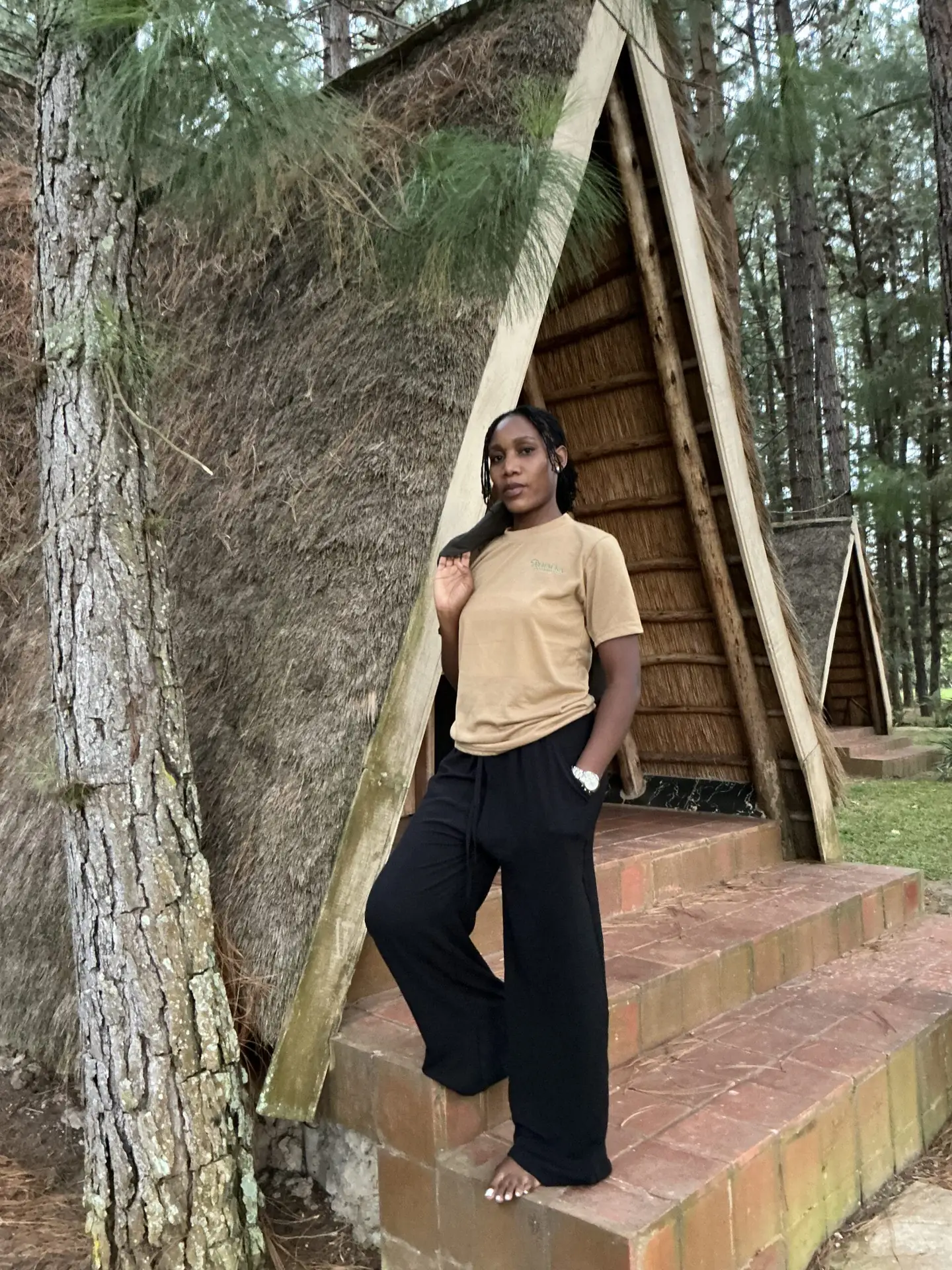
Victoria Kayaga is a Ugandan-born safari expert and the founder of Afraeka Adventures, with over 7 years of experience in the East African tourism industry. She specializes in gorilla trekking, wildlife safaris and multi-country itineraries across Uganda, Rwanda, Kenya and Tanzania.