Should you trek in Uganda or the Democratic Republic of Congo in 2026? This comprehensive comparison covers permit costs, safety updates, trekking terrain, and accessibility to help you decide.
Introduction: The Great Gorilla Trekking Debate
When planning a gorilla trekking adventure in Africa, travelers face a crucial decision: gorilla trekking Uganda vs DRC 2026 – which destination offers the best value, safety, and experience?
For years, Rwanda dominated the high-end gorilla tourism market with its $1,500 permits and luxury lodges. But for budget-conscious adventurers and those seeking raw, untamed wilderness, the choice has often come down to gorilla trekking Uganda vs DRC. Both countries offer extraordinary encounters with mountain gorillas, but the differences in cost, accessibility, and experience are significant.
In 2026, the debate around gorilla trekking Uganda vs DRC has intensified. Uganda recently increased its permit prices to $800 for foreign non-residents, while DRC’s Virunga National Park continues to offer permits at $400 – half the price. But price isn’t everything. Safety concerns, trekking conditions, and conservation efforts all play into the decision.
At Afraeka Adventures, we’ve guided thousands of travelers through gorilla trekking in Uganda and have extensive knowledge of the DRC options. This comprehensive guide compares gorilla trekking Uganda vs DRC 2026 – covering permit costs, safety updates, terrain, accessibility, and more – so you can make an informed decision for your once-in-a-lifetime adventure.
Let’s dive into the great debate: gorilla trekking Uganda vs DRC 2026.
Permit Costs Compared – Gorilla Trekking Uganda vs DRC 2026
The most immediate difference in the gorilla trekking Uganda vs DRC debate is the cost. Let’s break down the numbers.
Uganda Gorilla Trekking Permit Costs (2026)
| Visitor Category | Standard Trekking Permit | Gorilla Habituation Experience |
|---|---|---|
| Foreign Non-Residents | $800 | $1,500 |
| Foreign Residents | $700 | $1,000 |
| African Nationals | $500 | $1,000 |
| East African Citizens | 300,000 UGX (~$80) | 750,000 UGX (~$200) |
DRC Gorilla Trekking Permit Costs (2026)
| Visitor Category | Standard Trekking Permit |
|---|---|
| International Visitors | $400 |
| Congolese Nationals | $50 |
| East African Community Citizens | $200 |
What You Get for Your Money: Gorilla Trekking Uganda vs DRC
| Factor | Uganda | DRC (Virunga) |
|---|---|---|
| Permit Cost | $800 | $400 |
| Time with Gorillas | 1 hour | 1 hour |
| Group Size | Maximum 8 trekkers | Maximum 8 trekkers |
| Additional Fees | None (park entry included) | $150 park entry fee (payable separately) |
| Habituation Experience | Available ($1,500) – 4 hours | Not available |
| Number of Habituated Families | 22 families in Bwindi, 1 in Mgahinga | Approximately 8 families in Virunga |
The True Cost Comparison for Gorilla Trekking Uganda vs DRC
When comparing gorilla trekking Uganda vs DRC, the $400 permit in DRC seems significantly cheaper. However, there are hidden costs to consider:
| Cost Item | Uganda | DRC |
|---|---|---|
| Permit | $800 | $400 |
| Park Entry Fee | Included | $150 (payable separately) |
| Gorilla Trekking Uganda vs DRC Total | $800 | $550 |
| Visa Cost | $50 (e-visa) | $100 (DRC visa) + $30 (Yellow Fever card) |
| Accommodation (per night) | $150-500 | $100-400 (safety concerns may limit options) |
| Transport (from Kigali) | $200-300 (to Bwindi) | $100-150 (to Virunga) |
| Porter Fee | $15-20 | $15-20 |
Verdict on Gorilla Trekking Uganda vs DRC costs: While DRC’s permit is cheaper, the additional park entry fee ($150) narrows the gap. Factor in higher visa costs and potential security-related accommodation limitations, and the total price difference for gorilla trekking Uganda vs DRC may be less dramatic than expected.
Safety & Security Update for Virunga National Park (2026) – Gorilla Trekking Uganda vs DRC
Safety is the most critical factor in the gorilla trekking Uganda vs DRC debate. Here’s the 2026 update.
Uganda – The Safe, Stable Option
Uganda consistently ranks as one of the safest countries in East Africa. The gorilla trekking regions – Bwindi Impenetrable National Park and Mgahinga Gorilla National Park – are heavily protected by:
- Armed rangers from the Uganda Wildlife Authority (UWA)
- Community conservation programs that provide economic benefits to locals, reducing poaching
- Stable political environment with no active conflict near tourism areas
Current Travel Advisory: Most Western governments (US State Department, UK FCDO, Canadian Government) classify Uganda’s gorilla trekking regions as safe for tourism, with standard precautions advised.
DRC (Virunga National Park) – The High-Risk, High-Reward Option
Virunga National Park has made significant strides in conservation, but security risks remain:
Positive Developments (2026):
- Improved security cooperation between DRC, Uganda, and Rwanda
- Community ranger programs expanding
- Eco-lodge facilities being rebuilt
Ongoing Concerns for Gorilla Trekking Uganda vs DRC:
- Armed militia activity in surrounding areas (though not inside the park)
- Volcanic activity near Nyiragongo (does not directly affect gorilla zones)
- Political instability in eastern DRC (North Kivu province)
Current Travel Advisory: Most Western governments advise against non-essential travel to North Kivu province, where Virunga is located. Many travel insurance policies do not cover DRC.
Safety Comparison Table: Gorilla Trekking Uganda vs DRC
| Safety Factor | Uganda | DRC (Virunga) |
|---|---|---|
| Government Travel Advisory | Level 1-2 (Exercise normal precautions) | Level 3-4 (Reconsider travel / Do not travel) |
| Armed Ranger Presence | High – UWA rangers patrol all areas | High – park rangers are armed but face external threats |
| Political Stability | Stable democratic environment | Ongoing conflict in North Kivu province |
| Medical Facilities | Good facilities in Kampala/Entebbe; basic clinics near parks | Limited; evacuation to Kigali or Goma required |
| Travel Insurance Coverage | Standard policies cover Uganda | Many policies exclude DRC – check carefully |
Verdict on safety for gorilla trekking Uganda vs DRC: Uganda is the clear winner for safety-conscious travelers. While DRC’s gorilla experience is spectacular, the security risks and insurance complications make Uganda the recommended choice for most visitors, especially families and first-time safari-goers.
Trekking Terrain Comparison – Gorilla Trekking Uganda vs DRC
The physical experience of gorilla trekking Uganda vs DRC differs significantly due to terrain and vegetation.
Uganda – Dense Rainforest (Bwindi Impenetrable)
Bwindi Impenetrable National Park lives up to its name. The terrain is characterized by:
- Dense, ancient rainforest with thick undergrowth and towering trees
- Steep hills with elevation ranging from 1,160m to 2,607m
- Muddy trails that can be slippery, especially in rainy seasons
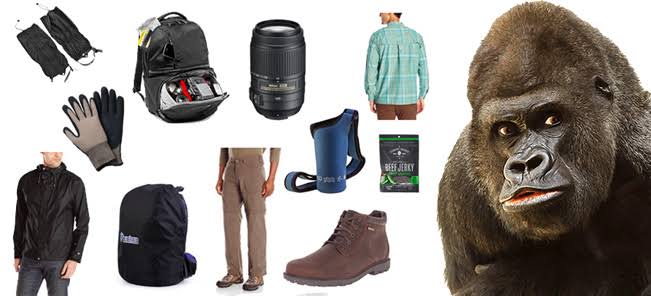
- Stinging nettles and thorny vines require protective clothing
Trek Difficulty: Moderate to Challenging. Treks can last 2-7 hours, depending on gorilla movement. The difficult terrain, muddy conditions, and steep ascents make this a physically demanding experience. Porters are highly recommended and available for hire ($15-20).
Best for: Adventure seekers who want a raw, authentic jungle experience. The dense forest atmosphere and biodiversity are unmatched.
DRC (Virunga) – Volcanic Slopes
Virunga National Park offers a different terrain experience:
- Volcanic slopes with elevation ranging from 1,400m to over 4,500m
- Bamboo zones and open vegetation making gorilla spotting easier
- Dryer conditions compared to Bwindi’s rainforest
- Rocky, uneven ground – less mud, but steep volcanic terrain
Trek Difficulty: Moderate. Treks are generally shorter (2-4 hours) due to more open vegetation. However, the altitude (over 2,500m) can be challenging for those not acclimatized.
Best for: Photographers seeking better visibility and those who prefer less muddy conditions.
Terrain Comparison Table: Gorilla Trekking Uganda vs DRC
| Factor | Uganda (Bwindi) | DRC (Virunga) |
|---|---|---|
| Vegetation | Dense rainforest, thick undergrowth | Bamboo zones, volcanic slopes, open vegetation |
| Elevation Range | 1,160m – 2,607m | 1,400m – 4,500m |
| Trek Duration | 2-7 hours | 2-4 hours |
| Terrain Difficulty | Challenging – steep, muddy, slippery | Moderate – steep but less mud |
| Visibility | Limited due to dense forest | Better visibility due to open bamboo zones |
| Porter Availability | Yes – highly recommended | Yes |
Verdict on terrain for gorilla trekking Uganda vs DRC: If you want a classic, immersive rainforest experience and don’t mind physical challenges, gorilla trekking Uganda in Bwindi is the winner. If you prefer better visibility for photography and slightly easier terrain, DRC’s Virunga offers a strong alternative.
Accessibility – How to Reach Both Parks (Gorilla Trekking Uganda vs DRC)
Logistics play a significant role in the gorilla trekking Uganda vs DRC decision.
Getting to Uganda’s Gorilla Trekking Parks
By Road from Kampala (Uganda):
- Bwindi: 8-10 hours
- Mgahinga: 10-12 hours
By Air (Charter):
- Fly to Kisoro or Kihihi with Aerolink Uganda
- Flight time: Approximately 1.5 hours from Entebbe
- Then road transfer to park: 30-90 minutes
By Road from Kigali (Rwanda):
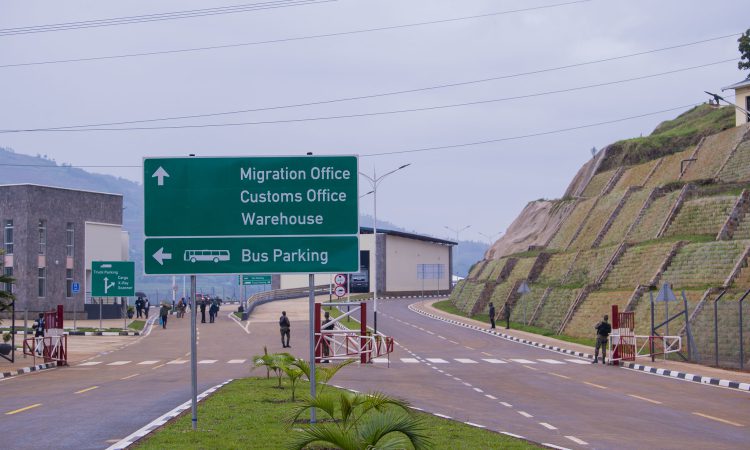
- Bwindi: 4-5 hours via Cyanika or Gatuna border
- Mgahinga: 3-4 hours via Cyanika border
Getting to DRC’s Virunga National Park
By Road from Goma (DRC):
- Virunga: 45 minutes to 1 hour
- Goma is accessible from Kigali (3-4 hours) or by flight
By Air:
- Fly to Goma International Airport (GOM)
- Direct flights from Nairobi, Addis Ababa, or Kigali
- Then road transfer to park: 45 minutes
Accessibility Comparison Table: Gorilla Trekking Uganda vs DRC
| Factor | Uganda | DRC |
|---|---|---|
| International Airport | Entebbe (EBB) – good international connections | Goma (GOM) – limited international connections |
| Road Access | Good, well-maintained roads from Kampala | Variable; some roads are unpaved and in poor condition |
| Border Crossings | Cyanika, Gatuna (from Rwanda) – smooth process | Goma border crossing (from Rwanda) – can be bureaucratic |
| Flight Options | Multiple daily charters to Kisoro/Kihihi | Limited flights to Goma |
| Travel Time from Major Hub | Kigali to Bwindi: 4-5 hours | Kigali to Goma: 3-4 hours; then 1 hour to Virunga |
Verdict on accessibility for gorilla trekking Uganda vs DRC: Uganda wins for ease of access. Entebbe is a well-connected international hub, and road infrastructure is good. DRC’s Goma has limited international flights, and the border crossing can be more bureaucratic. Many travelers opt for the Kigali-to-Bwindi route for Uganda gorilla trekking.
Which One Should You Choose? A Decision-Making Guide
Here’s how to decide between gorilla trekking Uganda vs DRC based on your priorities:
| If You Want… | Choose Uganda | Choose DRC |
|---|---|---|
| Budget-Friendly Adventure | ✅ (if habituation or multi-day) | ✅ (cheaper permits) |
| Maximum Safety & Stability | ✅ | ❌ |
| Travel Insurance Coverage | ✅ | ❌ |
| Raw, Immersive Jungle Trek | ✅ | ❌ |
| Better Visibility for Photos | ❌ | ✅ |
| High-End Luxury Lodges | ✅ | ❌ |
| Unique Habituation Experience | ✅ | ❌ |
| Combine with Other Ugandan Parks | ✅ | ❌ |
| Volcanic Scenery | ❌ (Mgahinga has some) | ✅ |
| Fewer Tourists/Exclusivity | ❌ (Bwindi is popular) | ✅ (fewer trekkers) |
Summary: Gorilla Trekking Uganda vs DRC 2026
Choose Uganda if you:
- Prioritize safety and political stability
- Have comprehensive travel insurance
- Want to combine gorilla trekking with other Ugandan parks (safaris, chimpanzees, cultural tours)
- Appreciate high-end lodges and services
- Want the exclusive 4-hour Gorilla Habituation Experience
- Are a first-time safari traveler
Choose DRC (Virunga) if you:
- Are an experienced, adventurous traveler
- Are comfortable with higher risk
- Have checked your insurance coverage carefully
- Want a cheaper permit ($400)
- Prefer volcanic terrain and better photography conditions
- Are visiting Rwanda and can easily cross the border
Frequently Asked Questions (FAQ) – Gorilla Trekking Uganda vs DRC 2026
Is it cheaper to go gorilla trekking in Uganda or DRC?
DRC offers cheaper permits at $400 compared to Uganda’s $800. However, DRC charges an additional $150 park entry fee, bringing the total to $550. Factor in higher visa costs ($100 vs $50), and the price difference for gorilla trekking Uganda vs DRC narrows significantly.
Is gorilla trekking in DRC safe in 2026?
The safety situation in DRC’s Virunga National Park has improved, but risks remain. Most Western governments advise against non-essential travel to North Kivu province. Many travel insurance policies do not cover DRC. For safety, Uganda is the clear winner in the gorilla trekking Uganda vs DRC comparison.
Which has better gorilla trekking terrain – Uganda or DRC?
Uganda’s Bwindi offers dense, immersive rainforest trekking with steep hills and muddy trails. DRC’s Virunga offers volcanic slopes with bamboo zones and better visibility. The choice depends on your preference for a challenging jungle experience versus easier terrain.
How much does a gorilla permit cost in Uganda vs DRC?
In 2026, Uganda’s standard gorilla trekking permit costs $800 for foreign non-residents. DRC’s permit costs $400 for international visitors, plus a $150 park entry fee. Both include one hour with the gorillas.
Can I combine gorilla trekking in Uganda and DRC?
Yes. Many travelers combine gorilla trekking Uganda with DRC’s Virunga, especially when flying into Kigali and crossing borders. However, note the separate visa requirements, insurance considerations, and logistical planning needed for both destinations.
Which country has the most gorilla families available for trekking?
Uganda has 22 habituated gorilla families in Bwindi and 1 in Mgahinga. DRC’s Virunga has approximately 8 habituated families. Uganda offers significantly more availability, especially during peak seasons.
What is the Gorilla Habituation Experience (GHE) in Uganda?
The GHE is a unique 4-hour experience available only in Bwindi’s Rushaga sector, allowing you to spend up to four hours with a semi-habituated gorilla family alongside researchers. Only 4 permits are available daily at $1,500. This exclusive experience is not available in DRC, making Uganda the winner in this category.
Which destination offers better photography conditions?
DRC’s Virunga offers better visibility due to its bamboo zones and more open vegetation. Uganda’s Bwindi is dense rainforest, making photography more challenging but rewarding. For photographers, the gorilla trekking Uganda vs DRC decision often favors DRC.
Final Thoughts – Gorilla Trekking Uganda vs DRC 2026
The choice between gorilla trekking Uganda vs DRC ultimately comes down to your priorities.
Uganda offers safety, stability, exceptional service, exclusive experiences (the Gorilla Habituation Experience), and the ability to combine gorilla trekking with other national parks for a complete safari experience. It’s the recommended choice for families, first-time trekkers, and travelers who value peace of mind above all else.
DRC offers a cheaper permit and a unique volcanic landscape, but comes with significant security concerns and insurance complications. It’s best suited for experienced, adventurous travelers who understand the risks and have the appropriate coverage.
At Afraeka Adventures, we specialize in gorilla trekking in Uganda and offer comprehensive itineraries that combine gorilla trekking with wildlife safaris, chimpanzee tracking, and cultural experiences. We’ve been guiding travelers to see mountain gorillas in Uganda for over a decade, and we prioritize your safety, comfort, and unforgettable experiences.
Whether you choose Uganda or DRC, you’ll experience one of the most profound wildlife encounters on Earth. But for most travelers, gorilla trekking Uganda remains the safer, more accessible, and more rewarding choice.
Ready to book your gorilla trekking adventure? Secure your permit and lock in your dates by visiting our official 3-Day Gorilla Trekking safari page today. Spaces are strictly limited to 8 trekkers per gorilla family!
Contact Afraeka Adventures
Email: info@afraekaadventures.com
Phone / WhatsApp: +256794144988
Website: afraekaadventures.com
Talk to our local experts for personalized advice on your gorilla trekking adventure.
Sources & Further Reading
- Uganda Wildlife Authority – Official permit pricing and park regulations
- Virunga National Park (DRC) – Official park information and safety updates
- UK Foreign, Commonwealth & Development Office – Travel Advice DRC
- US State Department – DRC Travel Advisory
- World Wildlife Fund – Mountain Gorillas
- International Gorilla Conservation Programme
This Gorilla Trekking Uganda vs DRC 2026 guide was last updated in August 2026. All data and safety information are accurate as of the publication date. Travel advisories change frequently – always check official government sources before booking.