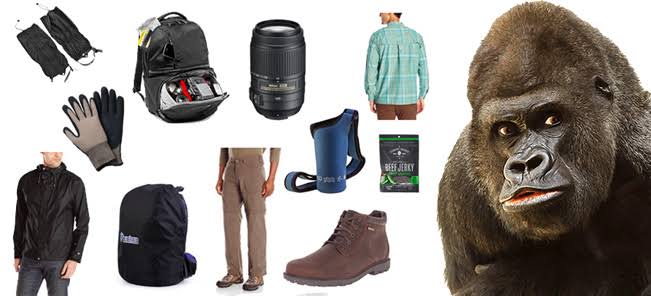
What to wear for gorilla trekking in Uganda is one of the most common questions we receive at Afraeka Adventures. Dressing appropriately for your gorilla trek is not just about comfort—it’s about safety, protection, and respect for the environment. The dense, misty rainforests of Bwindi Impenetrable National Park and Mgahinga Gorilla National Park present unique challenges, including steep muddy slopes, thick vegetation, stinging nettles, and unpredictable weather.
In this comprehensive guide, we share our expert advice on what to wear for gorilla trekking in Uganda, covering everything from base layers to footwear, accessories, and seasonal variations. With over a decade of experience guiding travelers to see the majestic mountain gorillas, our team at Afraeka Adventures has perfected the art of packing for this once-in-a-lifetime adventure. Whether you are a seasoned hiker or a first-time trekker, this guide will ensure you are prepared for every scenario, allowing you to focus entirely on the incredible experience ahead.
Understanding what to wear for gorilla trekking in Uganda is essential for your comfort, safety, and enjoyment. The right clothing protects you from the elements, insects, and the rugged terrain, while also ensuring you don’t disturb the gorillas with bright colors or strong scents. Let us guide you through every layer, from head to toe.
1. Dressing for Success: The Core Principles
Before we dive into specific items, let’s establish the fundamental principles of what to wear for gorilla trekking in Uganda:
- Layer Up: Uganda’s gorilla habitats are at high altitude, with temperatures ranging from 5°C to 25°C. You’ll start your trek in cool conditions, warm up as you hike, and then cool down again at rest stops. Layers allow you to regulate your temperature throughout the day.
- Neutral Colors: Wear khaki, olive, brown, or dark green. Bright colors, especially red, blue, and white, can startle the gorillas and disrupt their natural behavior. Camouflage is strictly forbidden as it is reserved for the Ugandan military.
- Protection First: Your clothing is your first line of defense against stinging nettles, thorny bushes, biting ants, and insect-borne diseases. Cover as much skin as possible.
- Comfort & Mobility: You’ll be hiking for several hours over challenging terrain. Choose clothing that allows for a full range of motion.
- Durability: The rainforest is rough on clothing. Choose sturdy, rip-resistant fabrics that can withstand snagging on branches and thorns.
2. Base Layers: The Foundation of Comfort
Your base layer is the most critical component of what to wear for gorilla trekking in Uganda as it sits directly against your skin:
| Item | Why You Need It | Afraeka Adventures Pro Tip |
|---|---|---|
| Moisture-Wicking T-Shirt | Keeps sweat away from your body, preventing chills and overheating. | Choose merino wool or synthetic fabrics (polyester, nylon). Avoid cotton—it retains moisture and causes chafing. |
| Long-Sleeved Thermal Top | Provides an extra layer of warmth for cool mornings and high altitudes. | Merino wool is naturally odor-resistant and temperature-regulating. |
Our Recommendation: A lightweight merino wool or synthetic long-sleeved base layer is ideal for the warm-up, paired with a short-sleeved shirt underneath for versatility.
3. Mid Layers: Insulation and Warmth
Between your base layer and outer shell, a mid-layer provides insulation:
- Fleece Jacket or Quarter-Zip: This is the most versatile piece of clothing. It provides warmth when you’re resting and can be easily unzipped or removed when you are hiking uphill.
- Lightweight Insulated Vest: A great alternative to a full jacket, offering core warmth while keeping your arms free for movement.
Afraeka Adventures Pro Tip: A fleece with a full front zipper is more versatile than a pullover. You can regulate your temperature without having to remove the entire layer.
4. Outer Layer: Protection from the Elements
The rainforest is unpredictable. The outer layer of your what to wear for gorilla trekking in Uganda plan is your shield:
| Item | Why You Need It | Afraeka Adventures Pro Tip |
|---|---|---|
| Waterproof Rain Jacket | Essential protection from sudden downpours. | Gore-Tex or similar breathable waterproof fabric is ideal. Look for a jacket with a hood and pit zips for ventilation. |
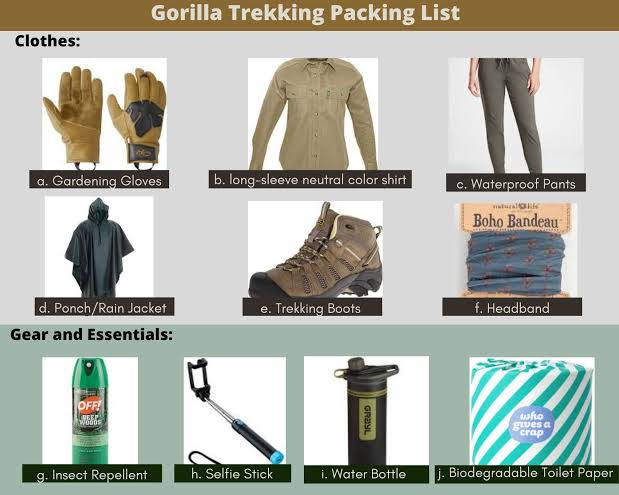
| Waterproof Trousers/Pants | Protects from rain, mud, and wet vegetation. | Lightweight, packable rain pants are a lifesaver, especially during the rainy seasons. |
| Gaiters | Keeps mud, water, and debris out of your boots. | Essential in the rainy season and highly recommended year-round. |
Warning: Ponchos are not recommended. They can get caught on branches, restrict your movement, and make it difficult for your guide to assist you on steep sections.
5. Trousers: Your Most Important Layer
Choosing the right trousers is the cornerstone of what to wear for gorilla trekking in Uganda:
| Item | Why You Need It | Afraeka Adventures Pro Tip |
|---|---|---|
| Sturdy Hiking Pants | Protect your legs from stinging nettles, thorns, and biting insects. | Choose ripstop fabric for durability. Zip-off pants are versatile, allowing you to convert to shorts at the lodge. |
| Convertible Pants | Offer flexibility for changing weather conditions. | Ensure they have a good fit to prevent chafing during long walks. |
What to Avoid:
- Shorts: Not recommended. Your legs will be exposed to stinging nettles, thorns, and insect bites.
- Jeans: Heavy, retain moisture, and are restrictive. They are the worst choice for gorilla trekking.
- Skinny Pants: Restrict movement and are difficult to layer over.
6. Footwear: The Most Critical Decision
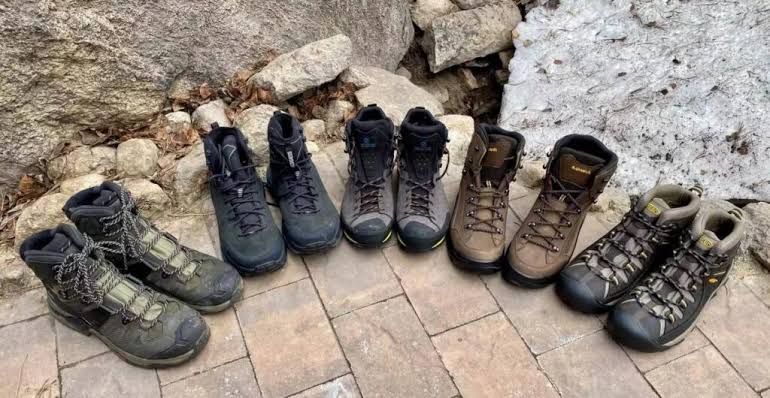
Your feet are your engine for gorilla trekking. Investing in proper footwear is non-negotiable when considering what to wear for gorilla trekking in Uganda:
| Item | Why You Need It | Afraeka Adventures Pro Tip |
|---|---|---|
| Waterproof Hiking Boots | Essential for the steep, muddy, and often slippery terrain. | Choose boots with good ankle support and a deep, aggressive tread. Break them in before you arrive. |
| Hiking Socks | Prevents blisters and wicks moisture. | Merino wool socks are the gold standard. Bring at least 2-3 pairs. |
| Gaiters | Keeps mud, water, and small debris out of your boots. | Essential, especially in the rainy season. |
What to Avoid:
- Trail Runners/Sneakers: Insufficient ankle support and traction.
- Wellies/Rubber Boots: While waterproof, they offer no ankle support and can cause blisters on steep slopes.
- New Boots: Never wear brand-new boots on a gorilla trek. Break them in over several weeks.
7. Accessories: The Details That Make a Difference
The small details can make or break your experience. Here is our expert list for what to wear for gorilla trekking in Uganda accessories:
| Item | Why You Need It | Afraeka Adventures Pro Tip |
|---|---|---|
| Wide-Brimmed Hat or Cap | Protects from sun and light rain. | A baseball cap or safari hat is essential. Avoid bright colors. |
| Polarized Sunglasses | Reduces glare from the sun and protects your eyes. | Essential even in the forest canopy, where sunlight can pierce through. |
| Gardening Gloves | Protects your hands from stinging nettles and thorns when grabbing vegetation for balance. | Lightweight, breathable gloves are a lifesaver. |
| Buff or Neck Gaiter | Versatile: can be worn as a scarf, face mask, or headband. | Provides protection from sun, dust, and insects. |
| Insect Repellent | Protects against mosquitoes and tsetse flies. | Apply to all exposed skin. DEET-based repellents are most effective. |
8. What NOT to Wear for Gorilla Trekking
Avoid these common mistakes to ensure a safe and respectful trek:
| Item | Why It’s Not Suitable |
|---|---|
| Camouflage Clothing | Illegal for civilians to wear in Uganda. |
| Bright Colors (Red, Blue, White) | Can startle gorillas and disrupt their behavior. |
| Cotton Clothing | Retains moisture, leading to chafing and hypothermia. |
| Perfume or Strong Deodorant | Gorillas have a powerful sense of smell. Strong scents can disturb them. |
| Shorts | Exposes legs to stinging nettles and insects. |
| Jeans | Heavy, restrictive, and uncomfortable when wet. |
| Sneakers/Trail Runners | Insufficient traction and ankle support. |
| Open-Toed Shoes | No protection for your toes on rough terrain. |
9. What to Pack in Your Daypack
Your daypack is your lifeline during the trek. Here is our recommended packing list for what to wear for gorilla trekking in Uganda:
- Water: At least 1.5 liters of water. Your guide will know where to refill, but always carry enough.
- Snacks: High-energy snacks like granola bars, nuts, and dried fruit for energy on the trail.
- Rain Cover: A waterproof cover for your daypack.
- Camera & Extra Batteries: Capture the experience. Cold temperatures can drain batteries quickly.
- Binoculars: For spotting birds and distant wildlife.
- First-Aid Kit: Include blister plasters, pain relievers, and personal medications.
- Sunscreen: Apply before you start and reapply as needed.
- Wet Wipes/Hand Sanitizer: For quick cleanups during the trek.
- Portable Power Bank: To keep your devices charged.
- Cash: For tipping your guides and porters.
10. Seasonal Variations: Adapting Your Wardrobe
Your approach to what to wear for gorilla trekking in Uganda should vary depending on the season:
| Season | Key Considerations | Recommended Additions |
|---|---|---|
| Dry Season (June-Aug, Dec-Feb) | Warmer, less rain, but still cool mornings/evenings. | Light layers, a good sun hat, and a lightweight rain jacket. |
| Wet Season (Mar-May, Sep-Nov) | Heavy rain, slippery trails, cooler temperatures. | Essentials: Waterproof trousers, gaiters, extra socks, a more robust rain jacket, and thermal layers. |
Afraeka Adventures Pro Tip: No matter the season, always pack a complete change of clothes in a dry bag to leave at the lodge. After your trek, you’ll be grateful for clean, dry clothes.
11. Dress Code for Gorilla Habituation vs. Normal Trekking
If you are booked on a gorilla habituation experience (a full day with a gorilla group), your clothing needs to be even more robust:
- Same Core Principles: Layers, neutral colors, and protection.
- Extra Warmth: You’ll be out for 4-8 hours in the forest. Bring an extra fleece layer.
- Additional Snacks: You’ll need more energy for a longer trek.
- Rain Protection: The habituation experience continues regardless of weather, so your rain gear must be top-notch.
12. Why Proper Clothing Matters for Gorilla Conservation
What you wear is not just about your comfort—it’s about the gorillas’ well-being. Gorillas share 98.3% of our DNA and are susceptible to human diseases. Proper clothing:
- Contains Scents: Minimizing strong smells reduces the risk of transmitting diseases.
- Protects Against Transfer: Long sleeves and pants create a barrier between you and the vegetation the gorillas touch.
- Minimizes Disturbance: Neutral colors reduce the chance of startling the gorillas.
By following our guidelines on what to wear for gorilla trekking in Uganda, you are contributing to the conservation of these magnificent creatures.
13. The Afraeka Adventures Packing Guarantee
At Afraeka Adventures, we want you to focus on the experience, not your gear. That is why we provide:
- Pre-Trek Consultations: Our expert team reviews your packing list and provides personalized advice.
- On-the-Ground Support: Our guides carry emergency supplies, including first-aid kits and extra rain gear if needed.
- Porter Services: We recommend hiring a local porter for $15-20, who can carry your daypack and provide invaluable support on the steep trails.
Ready to Experience Uganda’s Incredible Primates?
Book your gorilla trekking safari with Afraeka Adventures today. Our expert team will ensure you are fully prepared for every aspect of your adventure—from what to wear to securing your permits. Contact us now to start planning your unforgettable Ugandan adventure!
📞 Phone: +256-794144988
📧 Email: info@afraekaadventures.com
🌐 Website: www.afraekaadventures.com
Contact Our Team | Explore Gorilla Trekking Packages | View Our Uganda Safaris