Birding in Uganda is a world-class experience that attracts ornithologists and nature enthusiasts from every corner of the globe. With over 1,090 recorded bird species—representing more than 50% of Africa’s total bird species and 10% of the world’s—Uganda is undeniably the ultimate birding destination in Africa. At Afraeka Adventures, we have been guiding birdwatchers through Uganda’s diverse ecosystems for over a decade, from the misty montane forests of Bwindi to the vast savannahs of Kidepo and the lush wetlands of Mabamba.
In this comprehensive guide, we share our expert knowledge on birding in Uganda, covering the top birding hotspots, endemic and migratory species, the best seasons for birdwatching, and essential tips for a successful safari. Whether you are a dedicated “twitcher” or a casual bird enthusiast, this guide will help you plan the ultimate birding adventure in the Pearl of Africa. Let us, your Ugandan birding specialists, take you on a journey through the skies.
Understanding birding in Uganda is about more than just checking species off a list—it’s about immersing yourself in the incredible biodiversity that makes Uganda one of the most biodiverse countries on the planet. With habitats ranging from tropical rainforests and papyrus swamps to alpine moorlands and acacia savannahs, Uganda offers unparalleled birding opportunities year-round. Let’s explore the wonders that await.
1. Why Uganda is a Birdwatcher’s Paradise
Birding in Uganda offers several distinct advantages that make it the premier birding destination in Africa:
| Factor | Why Uganda Excels |
|---|---|
| Incredible Diversity | Over 1,090 species, more than 50% of Africa’s total. Includes 14 Albertine Rift endemics and 20+ species found nowhere else. |
| Compact Geography | Uganda is small enough to explore multiple habitats in a single trip. Within a few hours, you can move from rainforest to savannah to wetland. |
| Accessibility | Most birding sites are easily reachable by road, with well-maintained trails and experienced local guides. |
| Year-Round Birding | Resident species are present year-round, with migratory birds adding to the spectacle from October to April. |
| Safety & Stability | Uganda is a safe, welcoming country with excellent birding infrastructure and knowledgeable local communities. |
Afraeka Adventures Pro Tip: Uganda’s Albertine Rift Valley is one of the most biodiverse regions on Earth, home to endemic species like the Rwenzori Turaco, Grauer’s Broadbill, and the critically endangered African Green Broadbill. This is a must-visit for serious birders.
2. Top Birding Destinations in Uganda
Here are the must-visit locations for birding in Uganda, each offering unique habitats and species:
2.1 Bwindi Impenetrable National Park
- Key Species: African Green Broadbill, Grauer’s Rush Warbler, Kivu Ground Thrush, Brown-necked Parrot, and 23 of the 24 Albertine Rift endemics.
- Habitat: Montane and lowland tropical rainforest.
- Best Time: Year-round. Dry seasons (June-August, December-February) offer easier walking.
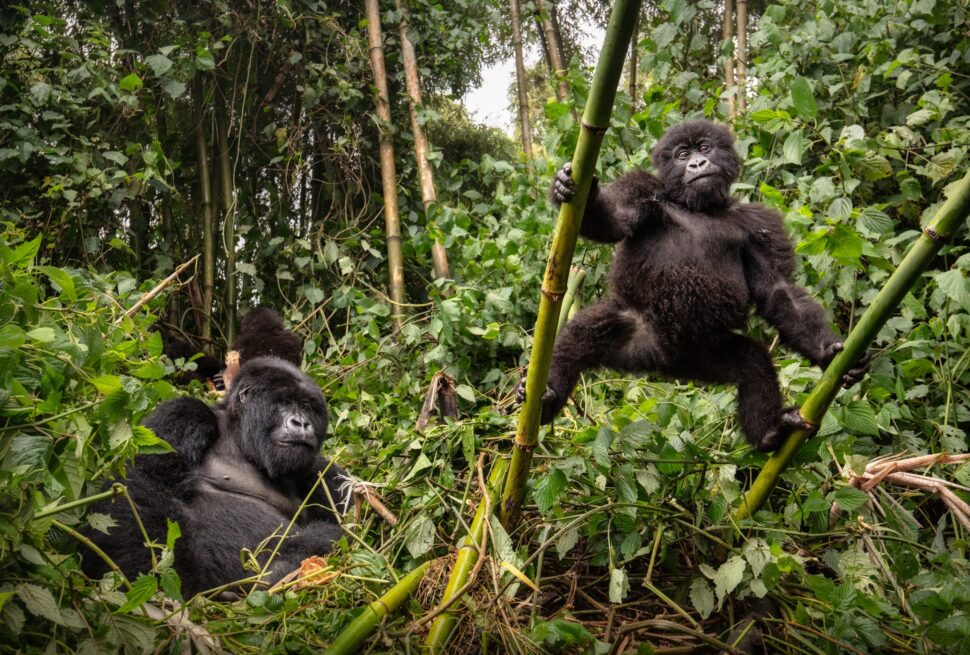
- Why Visit: Bwindi is not just for gorillas—it’s a birding treasure trove. The park hosts over 350 bird species and is a prime location for Albertine Rift endemics. The “Bwindi Specials” include the critically endangered African Green Broadbill.
Afraeka Adventures Recommendation: Combine your gorilla trekking with dedicated birding walks. Our expert birding guides know exactly where to find the rarest species.
2.2 Kibale National Park
- Key Species: Green-breasted Pitta, White-naped Pigeon, Yellow-spotted Barbet, Black-capped Apalis, and 12 other Albertine Rift endemics.
- Habitat: Tropical lowland rainforest with swampy areas.
- Best Time: Year-round. The Green-breasted Pitta is more visible from November to April.
- Why Visit: Known as the “Primate Capital of the World,” Kibale also boasts an impressive 375 bird species. The Bigodi Wetland Sanctuary is a birder’s paradise, offering sightings of the Great Blue Turaco, papyrus gonolek, and many wetland species.
Afraeka Adventures Recommendation: Book a morning primate trek followed by an afternoon birding walk in Bigodi. This offers the best of both worlds.
2.3 Murchison Falls National Park
- Key Species: Shoebill, Abyssinian Ground Hornbill, Secretary Bird, Denham’s Bustard, White-thighed Hornbill.
- Habitat: Savannah, riverine forest, papyrus swamps, and grasslands.
- Best Time: Dry seasons (June-August, December-February) for easier access.
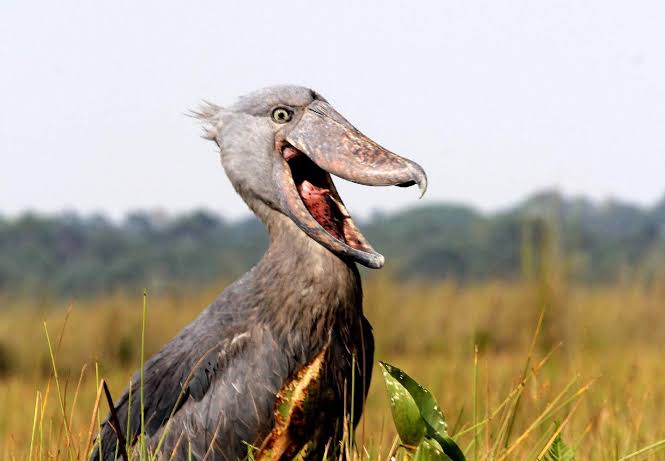
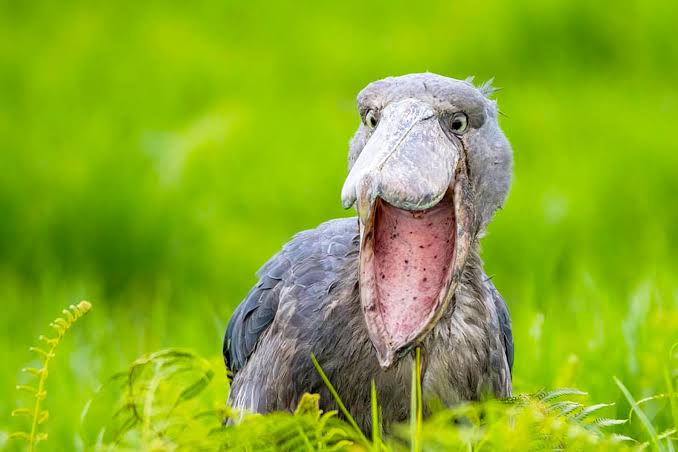
- Why Visit: Murchison is Uganda’s largest national park, with over 450 bird species. The Shoebill, a prehistoric-looking bird, is a highlight. A boat safari to the base of the falls offers excellent waterbird viewing, including Goliath Herons, African Fish Eagles, and Saddle-billed Storks.
Afraeka Adventures Recommendation: The boat cruise on the Nile is an absolute must. Combine it with a game drive for a truly diverse experience.
2.4 Queen Elizabeth National Park
- Key Species: Shoebill (in the Kazinga Channel), African Skimmer, Papyrus Gonolek, Verreaux’s Eagle-Owl, Palm-nut Vulture.
- Habitat: Wetlands, savannah, acacia woodland, and riverine forest.
- Best Time: Year-round, with dry seasons being easiest for road access.
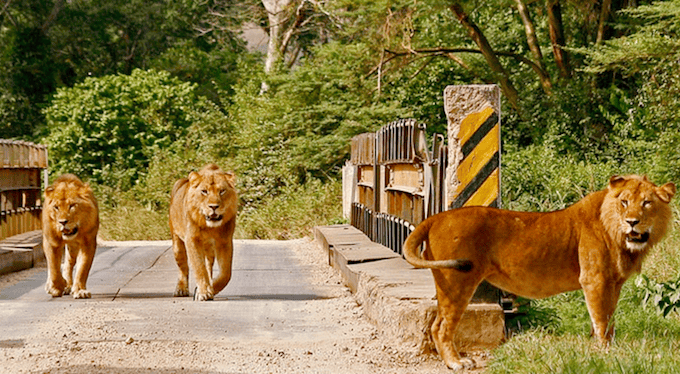
- Why Visit: Queen Elizabeth boasts over 600 bird species, the highest of any park in Uganda. The Kazinga Channel is a birding hotspot, with large concentrations of waterbirds. The Ishasha sector is famous for its tree-climbing lions and also offers good birding.
Afraeka Adventures Recommendation: The boat safari on the Kazinga Channel is one of the best birding experiences in Africa. You’ll see hippos, crocodiles, and countless waterbirds.
2.5 Kidepo Valley National Park
- Key Species: Karamoja Apalis, Fox’s Weaver, Northern Carmine Bee-eater, Ostrich, Bateleur Eagle.
- Habitat: Semi-arid savannah, open woodlands, and dry riverbeds.
- Best Time: Dry seasons (June-August, December-February) when roads are passable.
- Why Visit: Kidepo is one of Africa’s finest wildernesses, with over 475 bird species, including 28 that are rare or absent in other Ugandan parks. The Ostrich and Kori Bustard are highlights.
Afraeka Adventures Recommendation: Kidepo is remote and pristine. Combine it with cultural visits to the Karamojong people for a truly unique experience.
2.6 Mabamba Wetland (Entebbe)
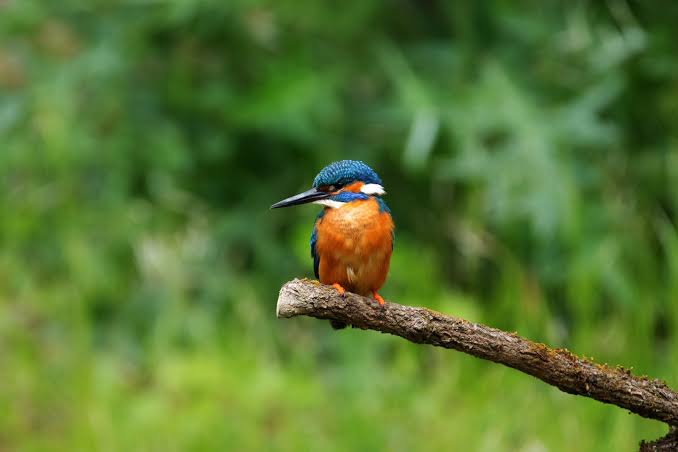
- Key Species: Shoebill, Blue Swallow, Greater Swamp Warbler, African Jacana, Malachite Kingfisher.
- Habitat: Extensive papyrus swamps along Lake Victoria.
- Best Time: Year-round. The Shoebill is most visible from November to April.
- Why Visit: Mabamba is one of the best and most accessible places in the world to see the Shoebill. A canoe ride through the swamps offers intimate birding experiences.
Afraeka Adventures Recommendation: This is a perfect half-day trip from Entebbe, ideal for travelers with limited time.
2.7 Semuliki National Park
- Key Species: White-crested Hornbill, Black-wattled Hornbill, Yellow-throated Cuckoo, Piping Hornbill, and many central African species.
- Habitat: Lowland tropical rainforest, swamp forest, and savannah.
- Best Time: Year-round. Dry seasons are easier for walking.
- Why Visit: Semuliki is a true wilderness, sharing many species with the Congo Basin. It’s the only place in East Africa where you can find the White-crested Hornbill and the Red-billed Dwarf Hornbill.
Afraeka Adventures Recommendation: Semuliki is off the beaten path. It’s perfect for experienced birders seeking rare species.
2.8 Lake Mburo National Park
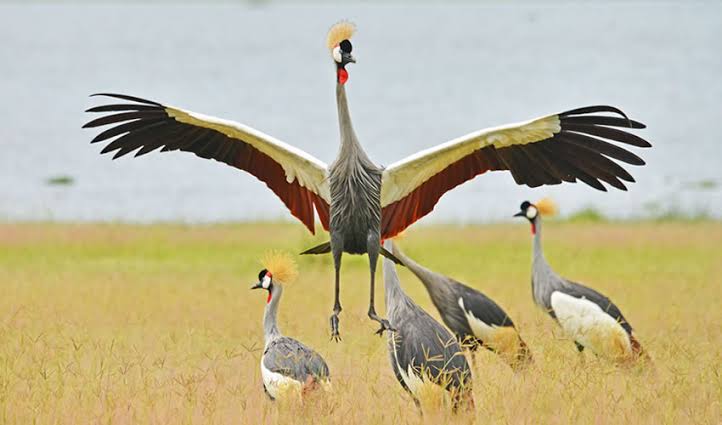
- Key Species: African Finfoot, Red-faced Barbet, White-winged Warbler, Black-necked Grebe, Crowned Crane.
- Habitat: Acacia savannah, lakeshores, and papyrus swamps.
- Best Time: Dry seasons (June-August, December-February) are best.
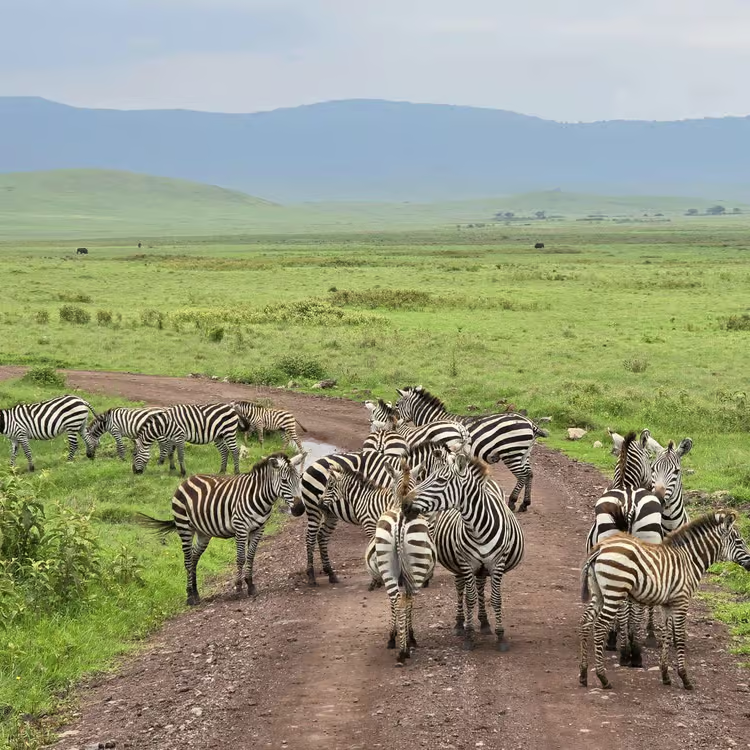
- Why Visit: Lake Mburo is the only park in Uganda with Impalas and Zebras. It’s also a birding gem, with over 350 species, including the rare African Finfoot. Boat trips and walking safaris offer excellent birding.
Afraeka Adventures Recommendation: Combine a boat safari with a guided nature walk for a comprehensive experience.
3. Endemic and Special Species in Uganda
Birding in Uganda is famous for its Albertine Rift endemics and other special species. Here are the must-see birds:
| Species | Where to Find It | Best Time |
|---|---|---|
| Shoebill | Mabamba, Murchison Falls, Queen Elizabeth | Year-round (Nov-Apr best) |
| African Green Broadbill | Bwindi Impenetrable Forest | Year-round |
| Grauer’s Rush Warbler | Bwindi, Mgahinga | Year-round |
| Rwenzori Turaco | Bwindi, Mgahinga, Rwenzori Mountains | Year-round |
| Green-breasted Pitta | Kibale National Park | Nov-Apr (breeding season) |
| Karamoja Apalis | Kidepo Valley National Park | Year-round |
| Fox’s Weaver | Kidepo Valley National Park | Year-round |
| White-crested Hornbill | Semuliki National Park | Year-round |
| Papyrus Gonolek | Queen Elizabeth (Kazinga), Mabamba | Year-round |
| Great Blue Turaco | Kibale (Bigodi), Bwindi | Year-round |
| Abyssinian Ground Hornbill | Murchison Falls, Kidepo | Year-round |
| Denham’s Bustard | Murchison Falls, Kidepo | Year-round |
4. Seasonal Guide to Birding in Uganda
The best time for birding in Uganda depends on whether you want to see resident species, migratory birds, or breeding plumage:
| Season | Months | What to Expect | Advantages |
|---|---|---|---|
| Dry Season (Peak) | June-August, December-February | Resident birds are active and visible. Trails are dry and accessible. | Best for walking safaris and game drives. Great for photography. |
| Wet Season (Low) | March-May, September-November | Migratory birds arrive (Oct-Apr). Breeding plumage is at its best. Lush vegetation. | Ideal for birdwatchers seeking specific species. Lower tourist numbers. |
| Migration Period | October-April | Many Palearctic migrants (from Europe and Asia) and intra-African migrants are present. | The peak period for species diversity. |
Afraeka Adventures Pro Tip: The months of November to April are considered the best for birding in Uganda due to the presence of migratory species. However, resident species are abundant year-round, making Uganda a 365-day birding destination.
5. What to Pack for a Birding Safari
Based on our expertise with birding in Uganda, here is our essential packing list:
| Item | Why You Need It |
|---|---|
| Binoculars (8×42 or 10×42) | Essential for spotting distant birds. The 8×42 offers a wider field of view, ideal for forest birding. |
| Camera with Telephoto Lens | Capture stunning photos of birds. A 200-600mm lens is recommended. |
| Birding Field Guide | A comprehensive guide (e.g., “Birds of East Africa”). |
| Notebook & Pen | Record your sightings for personal records or eBird. |
| Neutral-Colored Clothing | Khaki, olive, brown to blend into the environment. |
| Sturdy Hiking Boots | Waterproof and broken-in for comfort on trail. |
| Rain Jacket | Essential for unpredictable tropical showers. |
| Sun Hat & Sunglasses | Protection from the sun during long hours outdoors. |
| Insect Repellent | Protect against mosquitoes and tsetse flies. |
| Water Bottle | Stay hydrated during walks and game drives. |
| Birding Scope | Optional but useful for long-distance wetland birding. |
| Smartphone with eBird App | Log your sightings and access bird calls. |
6. Birding Safaris with Afraeka Adventures
At Afraeka Adventures, we specialize in tailor-made birding safaris that cater to your specific interests, whether you are a dedicated “twitcher” or a casual observer. Our expert birding guides are local ornithologists with intimate knowledge of Uganda’s birdlife, habitats, and the best spots for sightings.
Why Choose Afraeka Adventures for Birding in Uganda:
- Expert Guides: Our birding guides are not just drivers—they are passionate ornithologists who can identify birds by sight and sound.
- Tailor-Made Itineraries: We design itineraries based on your target species, preferred habitats, and travel style.
- Excellent Logistics: We handle all permits, accommodation, and transportation, ensuring a seamless experience.
- Sustainability: We support local communities and conservation efforts through ethical tourism practices.
- Transparent Pricing: No hidden charges. Our pricing is clear and competitive.
7. Birding in Uganda vs. Other African Destinations
| Factor | Uganda | Kenya | Tanzania | South Africa |
|---|---|---|---|---|
| Total Species | ~1,090 | ~1,100 | ~1,100 | ~850 |
| Albertine Rift Endemics | 14+ | Very few | Very few | None |
| Shoebill | Yes (best place) | No | No | No |
| Ease of Birding | Excellent | Good | Good | Excellent |
| Density of Species | Very High | High | High | High |
| Cost | Competitive | Varies | Varies | Higher |
Afraeka Adventures Verdict: Uganda offers the best combination of species diversity, endemic birds, and value for money. It is the ultimate African birding destination.
8. Conservation and Birding in Uganda
Your passion for birding in Uganda directly contributes to conservation. Birding tourism supports:
- Habitat Protection: Park entry fees and permits fund anti-poaching patrols and habitat management.
- Community Development: Birding safaris provide income for local communities, creating incentives to protect bird habitats.
- Research: Data collected by birdwatchers contributes to scientific studies and conservation strategies.
- Endangered Species: The Shoebill and other threatened species benefit from focused protection efforts.
By choosing Afraeka Adventures for your birding safari, you are actively supporting the conservation of Uganda’s incredible avian diversity.
9. Sample Birding Itinerary (10 Days)
Here is a typical 10-day birding itinerary that showcases the best of birding in Uganda:
| Day | Destination | Key Birding Highlights |
|---|---|---|
| 1 | Entebbe (Mabamba) | Shoebill, African Jacana, Malachite Kingfisher |
| 2-3 | Kibale National Park | Green-breasted Pitta, Great Blue Turaco, Bigodi Wetlands |
| 4-5 | Queen Elizabeth NP | Shoebill (Kazinga), Papyrus Gonolek, Verreaux’s Eagle-Owl |
| 6-7 | Bwindi Impenetrable NP | African Green Broadbill, Rwenzori Turaco, Albertine Rift endemics |
| 8-9 | Murchison Falls NP | Shoebill, Abyssinian Ground Hornbill, Secretary Bird |
| 10 | Entebbe (Departure) | Optional Entebbe Botanical Gardens for final birding |
10. Expert Birding Tips for Uganda
Based on our years of experience in birding in Uganda, here are our insider tips:
- Hire a Local Guide: A local guide knows exactly where to find specific species and will enhance your experience.
- Be Patient: Birding requires patience. Spend time in a good spot and let the birds come to you.
- Listen as Much as You Look: Many birds in the forest canopy are easier to identify by their calls. Learn the calls or use a birding app.
- Use a Spotting Scope: For wetland birding, a scope is invaluable.
- Respect Wildlife: Maintain a respectful distance and avoid flushing birds.
- Register on eBird: Contribute your sightings to science.
- Dress Appropriately: Neutral colors and layers are key.
- Carry Sunscreen & Insect Repellent: Essential for long days in the field.
Frequently Asked Questions about Birding in Uganda
Q: What is the best time for birding in Uganda?
A: The best time is during the dry seasons (June-August and December-February) for easier access, or the migration period (October-April) for the highest species diversity.
Q: How many bird species can I see in Uganda?
A: Uganda has over 1,090 recorded species, representing more than 50% of Africa’s total. A typical 10-day safari can yield 300-500 species.
Q: What are the top birding spots in Uganda?
A: Bwindi Impenetrable NP, Kibale NP, Murchison Falls NP, Queen Elizabeth NP, Kidepo Valley NP, and Mabamba Wetland are the top destinations.
Q: Do I need special permits for birding in Uganda?
A: Most national parks require park entry fees (approx. $40-60). Special permits are not required for birding, but some habitats may need specific permissions (e.g., Semuliki).
Q: Is birding in Uganda safe?
A: Yes, Uganda is a safe country for tourism. Afraeka Adventures ensures all our birding safaris are conducted with your safety as a priority.
Q: What should I wear for birding in Uganda?
A: Wear neutral-colored clothing (khaki, olive, brown), sturdy hiking boots, a sun hat, and a rain jacket. Layers are essential for changing temperatures.
Q: Can I combine birding with gorilla trekking?
A: Absolutely! Many of our clients combine gorilla trekking in Bwindi with birding in the same park. This offers the best of both worlds.
Q: What is the most sought-after bird in Uganda?
A: The Shoebill, a prehistoric-looking bird, is the most iconic and sought-after species in Uganda.
Ready to Plan Your Ultimate Birding Safari?
Book your birding safari with Afraeka Adventures today. Our expert birding guides will help you tick off your target species and create memories that will last a lifetime. Contact us now to start planning your adventure!
📞 Phone: +256-794144988
📧 Email: info@afraekaadventures.com
🌐 Website: www.afraekaadventures.com
Contact Our Team | Explore Birding Tours | View All Safaris