Updated for August 2026. For serious birders, Semuliki National Park is a dream destination. Home to over 440 bird species, including many Congo Basin endemics, this park offers a unique comparison: birding by canoe vs motorboat in Semuliki National Park. But which watercraft gives you the best sightings? This comprehensive guide breaks down the pros, cons, and specific birding advantages of each. If you are debating birding by canoe vs motorboat in Semuliki National Park, this article is your essential decision-making resource.
Semuliki’s diverse habitats, from the lowland tropical forest to the wetlands along Lake Albert, create a spectacular setting for avian enthusiasts. Choosing between a silent paddle and a powerful engine can dramatically affect your experience. We analyze the birding by canoe vs motorboat in Semuliki National Park debate from every angle—coverage, noise, accessibility, and target species. Use this guide to plan your ultimate Semuliki birding expedition for 2026.
1. Semuliki National Park – A Birding Paradise
Semuliki National Park, located in the Bundibugyo district of western Uganda, is the only true lowland tropical forest in East Africa. It forms the easternmost extension of the vast Ituri Forest of the Democratic Republic of Congo. The park’s landscape, dominated by the Semuliki River and swamps, is exceptionally rich. When planning your trip, the central question often becomes birding by canoe vs motorboat in Semuliki National Park. Both options access the watery habitats, but they offer vastly different experiences.
The park boasts over 440 recorded species, including 46 Guinea-Congo biome species found nowhere else in East Africa. This diversity makes the choice of transport critical. Understanding the nuances of birding by canoe vs motorboat in Semuliki National Park will significantly influence your checklist at the end of the day. Let’s explore each option in detail.
2. Birding by Canoe – Silent and Stealthy
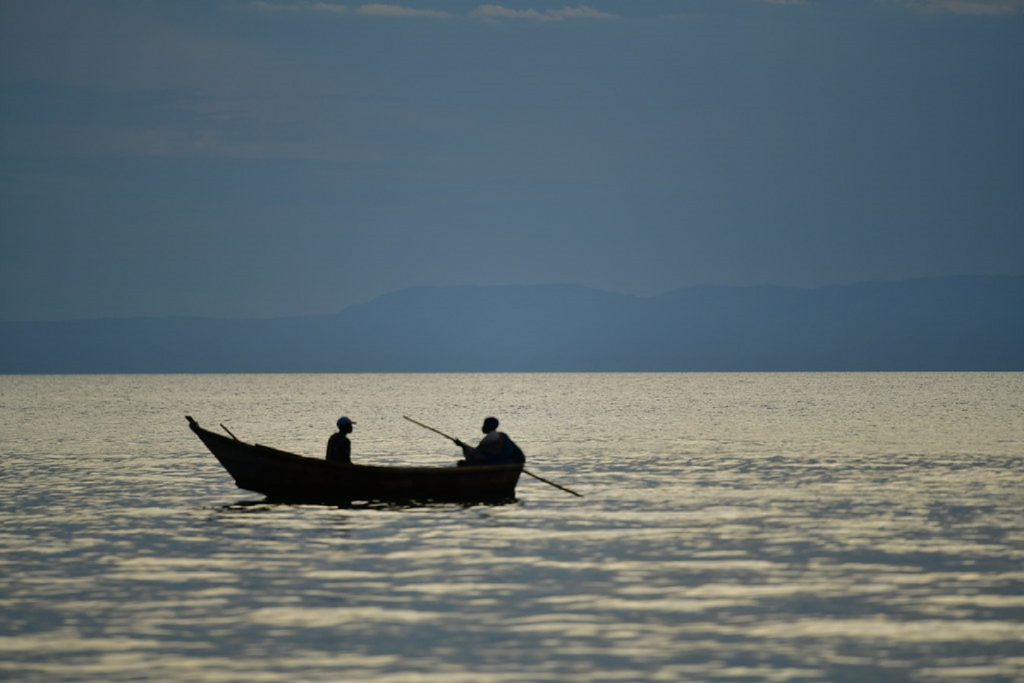
Birding by canoe in Semuliki National Park offers an unparalleled connection with nature. The silence of a paddle dipping into the water allows you to drift into narrow channels and flooded forests that motorized vessels simply cannot access. For many purists, birding by canoe in Semuliki National Park represents the most intimate way to observe avian behavior.
Advantages of Canoe Birding:
- Silence: Canoes are virtually silent. You can approach skittish birds like the Nkulengu Rail or White-crested Hornbill without startling them.
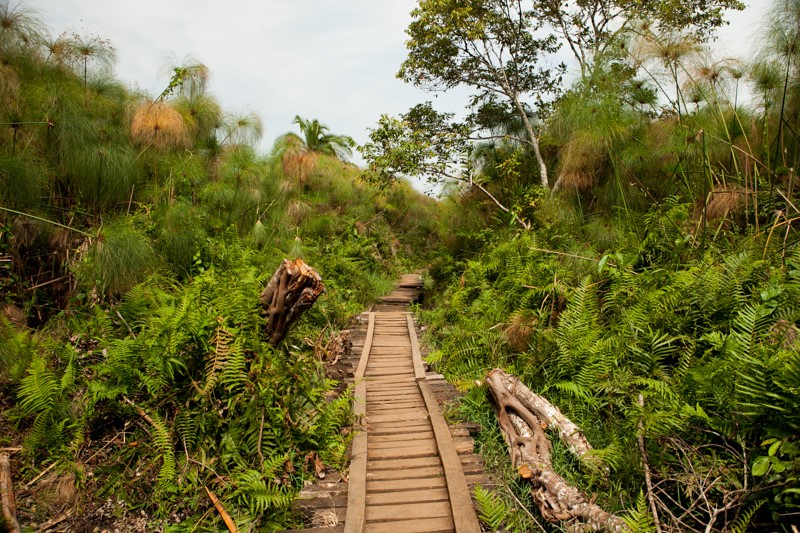
- Shallow Water Access: Canoes can navigate dense papyrus beds and shallow flooded forests where motorboats get stuck.
- Stealth: The absence of engine vibrations allows you to hear subtle bird calls and locate species like the Yellow-throated Cuckoo more easily.
- Immersive Experience: You are closer to the water surface, perfect for spotting wetland species like the African Pygmy Kingfisher and various heron species.
However, birding by canoe in Semuliki National Park has limitations. Canoes are slow and cover only a fraction of the area a motorboat can reach. They also require a calm, serene environment to be truly effective.
3. Birding by Motorboat – Speed and Distance
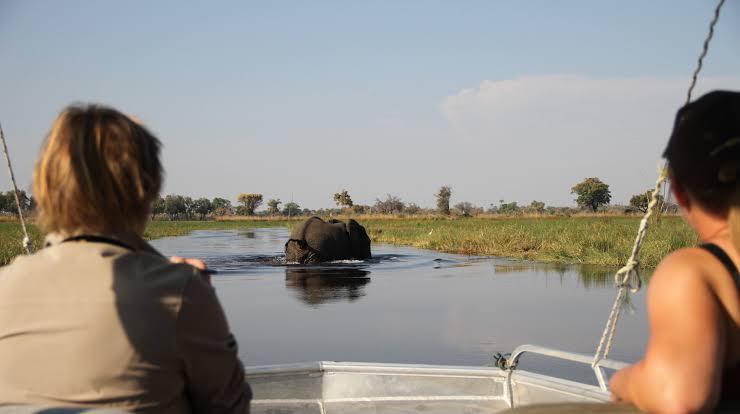
On the other side of the birding by canoe vs motorboat in Semuliki National Park debate sits the motorboat. For efficiency and range, birding by motorboat in Semuliki National Park is unmatched. Covering large sections of the Semuliki River and the shores of Lake Albert, motorboats allow you to encounter a wider diversity of habitats and species in a single outing.
Advantages of Motorboat Birding:
- Extensive Range: You can travel several kilometers up and down the river and along the Lake Albert delta, targeting different micro-habitats.
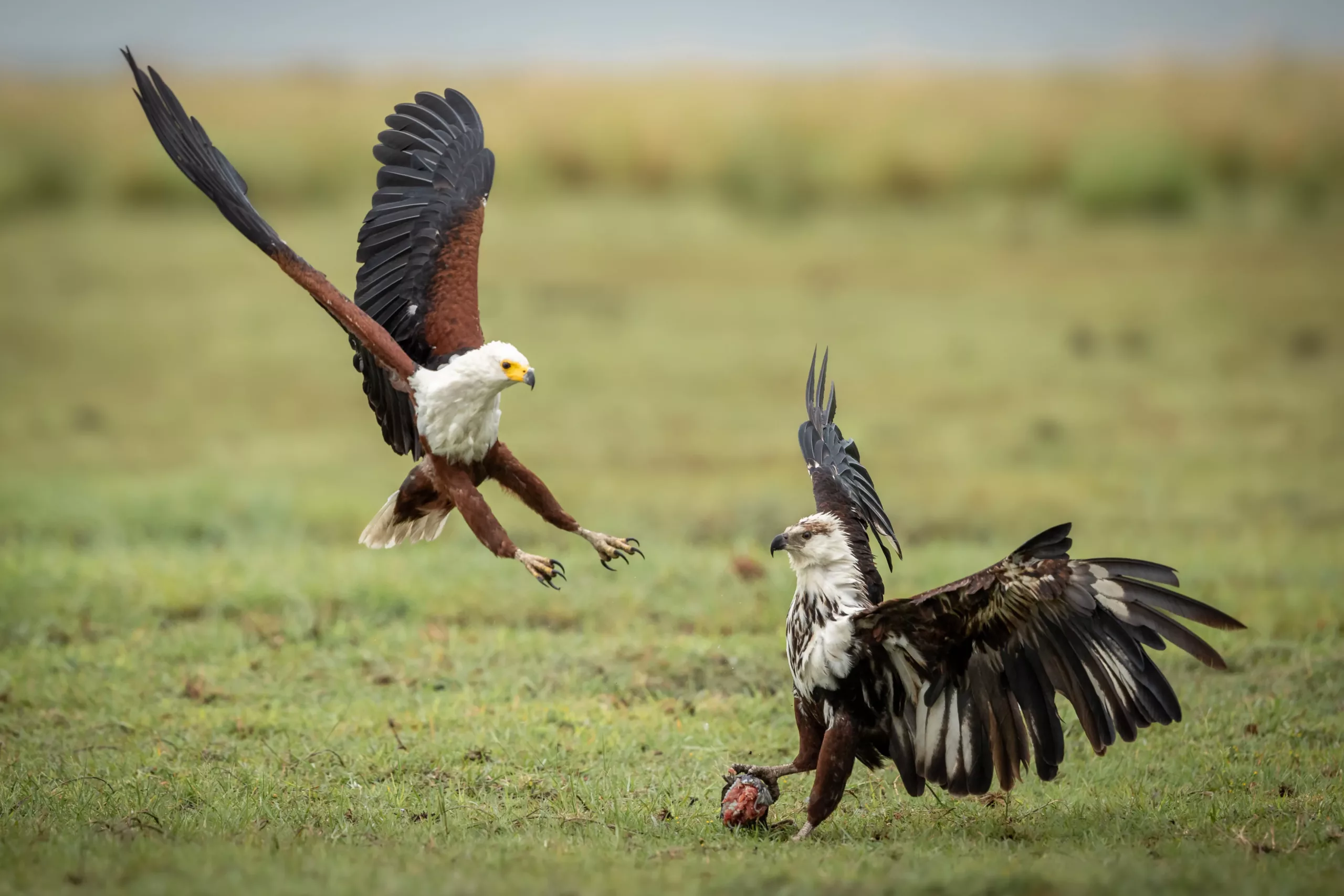
- Pelagic and Open-Water Birds: Motorboats can reach deeper waters to spot fishing pelicans, African Fish Eagles, and various terns.
- Efficiency: For birders with limited time, birding by motorboat in Semuliki National Park ensures you see maximum species in minimum time.
- Photography Stability: A larger motorboat offers a more stable platform for heavy lenses and tripods compared to a tippy canoe.
The downside is noise. Engine noise can frighten shy forest-edge birds. Birding by motorboat in Semuliki National Park requires your guide to cut the engine and drift silently when you approach promising spots. It is a trade-off between quantity and intimacy.
4. Direct Comparison – Canoe vs Motorboat for Birding
To decide on birding by canoe vs motorboat in Semuliki National Park, it helps to see a direct comparison:
| Factor | Birding by Canoe | Birding by Motorboat |
|---|---|---|
| Noise Level | Silent (10/10) | Loud (4/10 – improves with engine off) |
| Accessible Range | Limited (2-3 km) | Extensive (10+ km) |
| Target Species | Secretive rails, kingfishers, forest-edge birds | Pelicans, fish eagles, large waterbirds |
| Photography | Close, low-angle shots (unstable) | Stable platform, long-lens support |
When considering birding by canoe vs motorboat in Semuliki National Park, the choice often comes down to your primary interests—intimacy with secretive species (canoe) versus covering ground for open-water birds (motorboat).
5. Which Bird Species Can You See With Each?
Understanding target species is key to choosing between birding by canoe vs motorboat in Semuliki National Park. Here is the breakdown:
Best species for birding by canoe in Semuliki National Park:
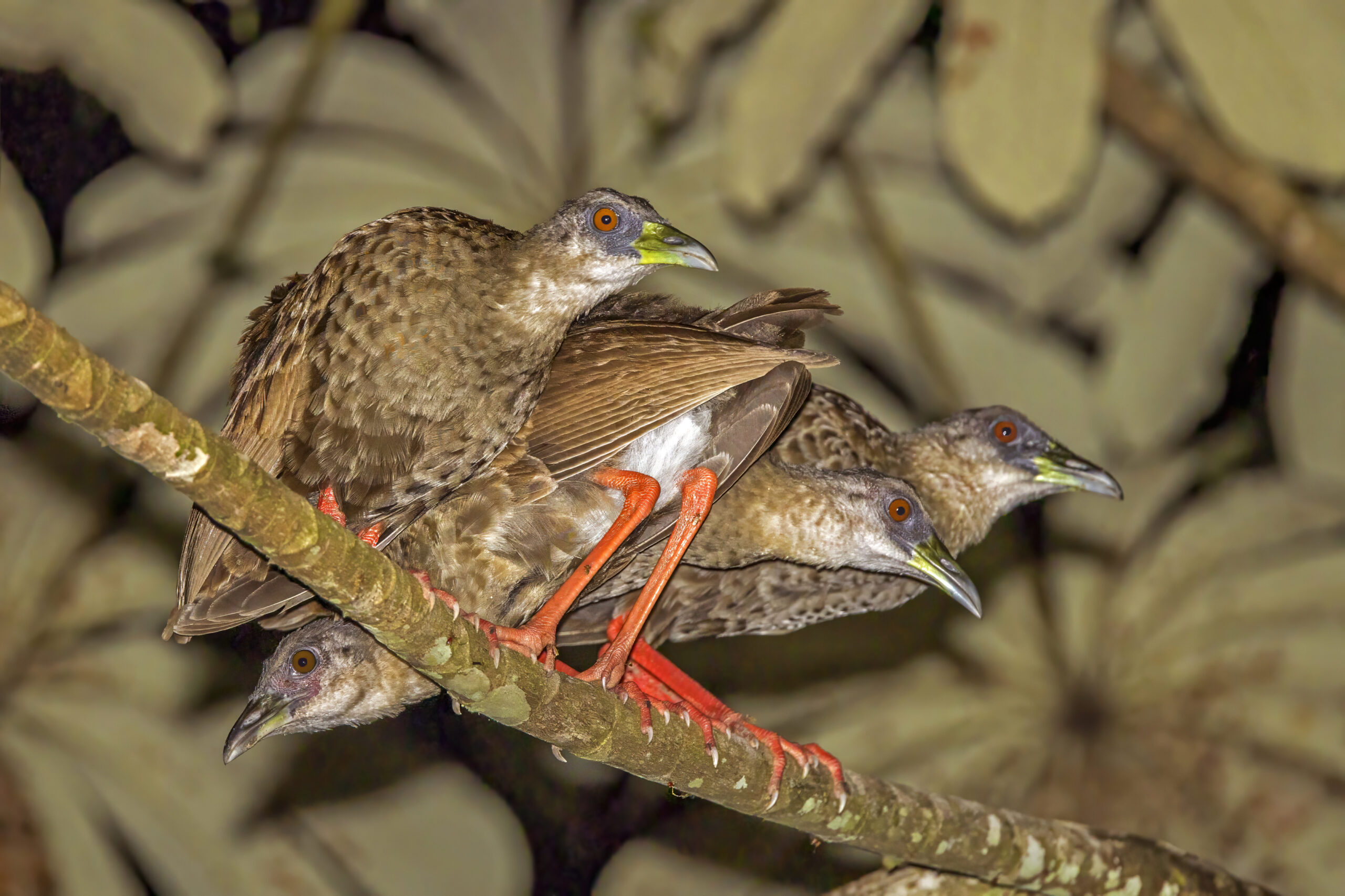
- Nkulengu Rail – Heard more often than seen; the silence of the canoe helps you pinpoint its location.
- White-crested Hornbill – Often seen in the dense riverine canopy at eye-level from a canoe.
- African Pygmy Kingfisher – Perches low over water, highly responsive to silent approaches.
- Yellow-throated Cuckoo – A skulking species that responds to playback, best approached in total silence.
- Chestnut-flanked Sparrowhawk – Hunts along the forest edges; often spotted from the water’s edge.
Best species for birding by motorboat in Semuliki National Park:
- Great White Pelican – Frequently seen fishing in the deeper waters of Lake Albert.
- African Fish Eagle – The iconic raptor is easily spotted from a motorboat scanning the shoreline.
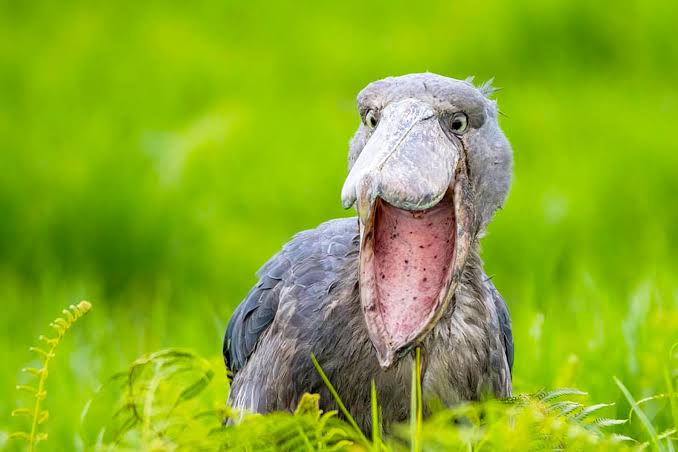
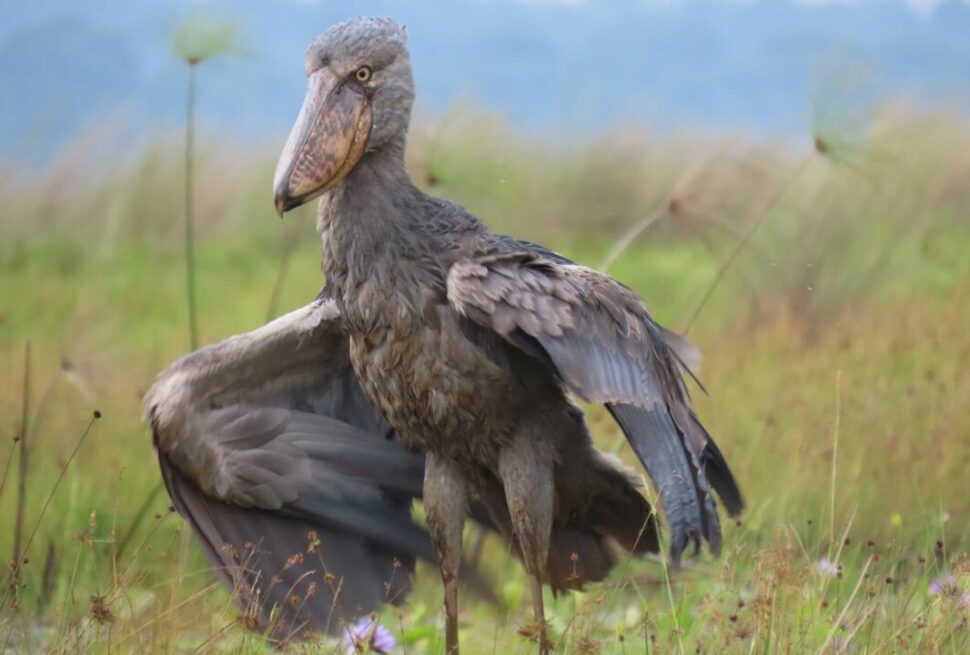
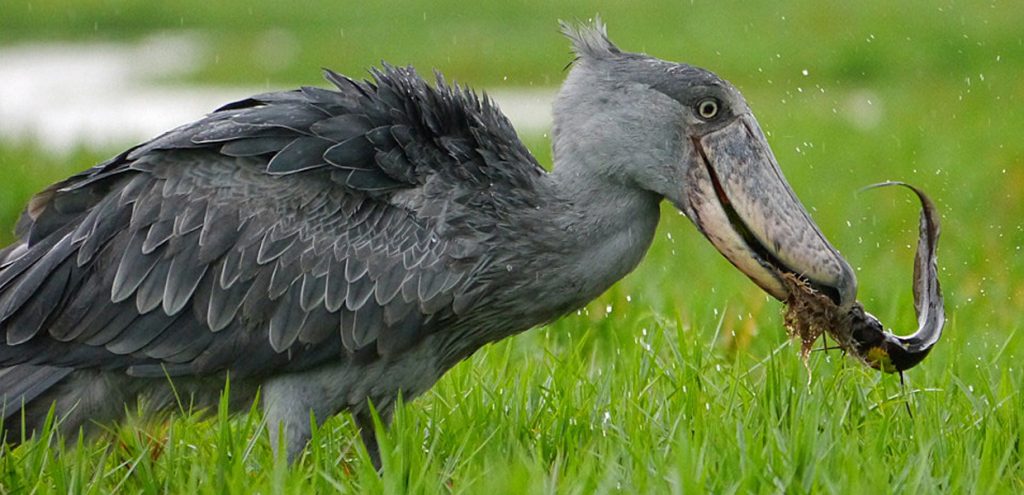
- Shoebill – (More common in the adjacent Lake Albert delta) Reaching these areas requires a motorboat.
- Dwarf Kingfisher – More active in the delta areas, accessible via longer motorboat treks.
- Black-wattled Hornbill – Often seen in the open forested banks which the motorboat covers quickly.
For a broader birding foundation, consider reviewing our comprehensive Birding in Uganda guide, which covers all the top national parks and endemic species.
6. Practical Logistics for Birding by Canoe vs Motorboat in Semuliki
When planning your birding by canoe vs motorboat in Semuliki National Park adventure, practical logistics matter. Both options can be arranged through the Uganda Wildlife Authority (UWA) office at Semuliki or via your tour operator.
- Park Entry Fees (2026): Foreign non-residents pay $40 per 24-hour entry (as per standard UWA rates for Uganda National Parks). This is required regardless of whether you choose canoe or motorboat.
- Boat Rental: Canoes are typically paddled by local guides (highly recommended for birding by canoe in Semuliki). Motorboats require an experienced UWA ranger. Prices are set by UWA but vary by duration. We recommend contacting your tour operator for current rates.
- Best Time for Birding by Canoe vs Motorboat in Semuliki: The dry seasons (June-August and December-February) offer stable weather and clearer waters. The wet seasons (March-May and September-November) bring migratory species and dramatic skies but can make canoeing more strenuous.
- Essential Gear: Pack a high-quality pair of binoculars. For birding by motorboat in Semuliki National Park, a sturdy camera with a 400mm+ lens is recommended for stability. For birding by canoe in Semuliki National Park, a waterproof bag is essential.
7. Expert Tips for Your Semuliki Birding Adventure
To maximize your experience comparing birding by canoe vs motorboat in Semuliki National Park, follow these pro tips:
- Do Both! The best strategy is to spend one morning birding by canoe in Semuliki National Park and one afternoon birding by motorboat in Semuliki National Park. This gives you the full spectrum of species and the best of both worlds.
- Start Early: Bird activity peaks between 6:30 AM and 9:30 AM. Plan your canoe or motorboat departure to coincide with dawn.
- Communicate with Your Guide: Tell your ranger exactly what species you are targeting. For secretive forest birds, choose birding by canoe in Semuliki National Park. For open-water spectacle, choose the motorboat.
- Pack Snacks: Both options can last 3-4 hours. Carry water and light snacks, especially if you choose the longer motorboat excursions.
- Check with UWA: Before your trip, confirm with the Uganda Wildlife Authority for any temporary river closures or safety advisories.
- Combine with Other Experiences: After your water-based adventures, explore the famous hot springs at Sempaya. For a broader itinerary, see our 3-Day Queen Elizabeth Safari as Semuliki can be a magnificent addition to that route.
8. Frequently Asked Questions (FAQ)
Q: Which is better for the Shoebill – birding by canoe vs motorboat in Semuliki National Park?
A: For the Lake Albert delta, a motorboat is far better as it covers the distance to their remote nesting spots. Canoes are used in quieter swamp fringes but are limited in range.
Q: Is birding by canoe in Semuliki National Park safe for non-swimmers?
A: Yes. UWA provides life jackets and experienced guides who manage the canoe safely. The waters are generally calm.
Q: How long is a typical birding boat trip?
A: Canoe trips are usually 2-3 hours. Motorboat trips can be half-day (4-5 hours) to reach the Lake Albert delta.
Q: Can I do birding by canoe vs motorboat in Semuliki National Park on a self-drive safari?
A: Yes, you can self-drive to Semuliki (Fort Portal-Bundibugyo road). Arrange boats directly with UWA upon arrival.
Q: When is the best season for birding by canoe or motorboat?
A: June-August and December-February offer the best weather and bird activity, making it ideal for both birding by canoe vs motorboat in Semuliki National Park.
Q: Do I need a permit for birding by canoe vs motorboat in Semuliki National Park?
A: You need a standard UWA park entry permit ($40 for foreign non-residents). The boat activity is an additional fee arranged on-site.
Ready to Explore Semuliki’s Feathered Wonders?
Whether you choose the silent stealth of a canoe or the expansive reach of a motorboat, Semuliki National Park promises an unforgettable birding experience. Afraeka Adventures can arrange your logistics, guide, and accommodations so you can focus entirely on ticking off those rare species.
Contact Afraeka Adventures today to book your birding tour in Semuliki National Park.
Call us: +256 794144988
Email us: info@afraekaadventures.com
Visit our website: www.afraekaadventures.com
Updated: August 18, 2026. All information is subject to change. Confirm current fees and activity schedules with UWA or your tour operator.