Emergency medical care remote safari parks Uganda is available but limited. Major parks have ranger first aid, and evacuation to Kampala or Entebbe is possible. Travel insurance with medical evacuation is essential. Contact your lodge immediately in an emergency.
Emergency medical care remote safari parks Uganda is a critical concern for travelers visiting Uganda‘s national parks. While Uganda has improved its healthcare system, medical facilities in remote areas are limited. This Emergency medical care remote safari parks Uganda guide explains what to expect and how to prepare.
The WHO provides guidelines on emergency care in remote areas. In Uganda, the Uganda Wildlife Authority and lodge staff are trained to handle emergencies.
National parks like Bwindi Impenetrable National Park, Murchison Falls National Park, and Kidepo Valley National Park are remote. The nearest hospitals are in towns like Kabale, Kampala, or Entebbe. In a serious emergency, evacuation to Kampala or Nairobi may be necessary.
Here is what you need to know about emergency medical care remote safari parks Uganda:
- Lodge First Aid: Most lodges have trained first aid staff.
- Ranger Assistance: Park rangers provide first aid and support.
- Evacuation: Medical evacuation is available by air.
- Insurance: Travel insurance with evacuation coverage is essential.
- Hospitals: Kampala and Entebbe have good hospitals.
- Response Time: Evacuation can take 2-6 hours.
- Cost: Evacuation without insurance costs $20,000-$50,000.
- Preparation: Carry a first aid kit and emergency contacts.
For more health advice, see our Medical evacuation insurance Uganda gorilla trekking guide.
1. Emergency Medical Care Remote Safari Parks Uganda – Overview
Emergency medical care remote safari parks Uganda is available but limited. This Emergency medical care remote safari parks Uganda guide covers everything you need to know about medical emergencies in Uganda’s national parks.
When you ask “what happens if I have a medical emergency in a Uganda national park?”, this Emergency medical care remote safari parks Uganda guide provides the honest answers.
2. Current Medical Facilities in National Parks
For emergency medical care remote safari parks Uganda, here are the facilities:
Bwindi Impenetrable National Park
- Clinic: Nearest clinic in Kabale (1-2 hours).
- Hospital: Kabale Hospital.
- Evacuation: Air evacuation to Kampala.
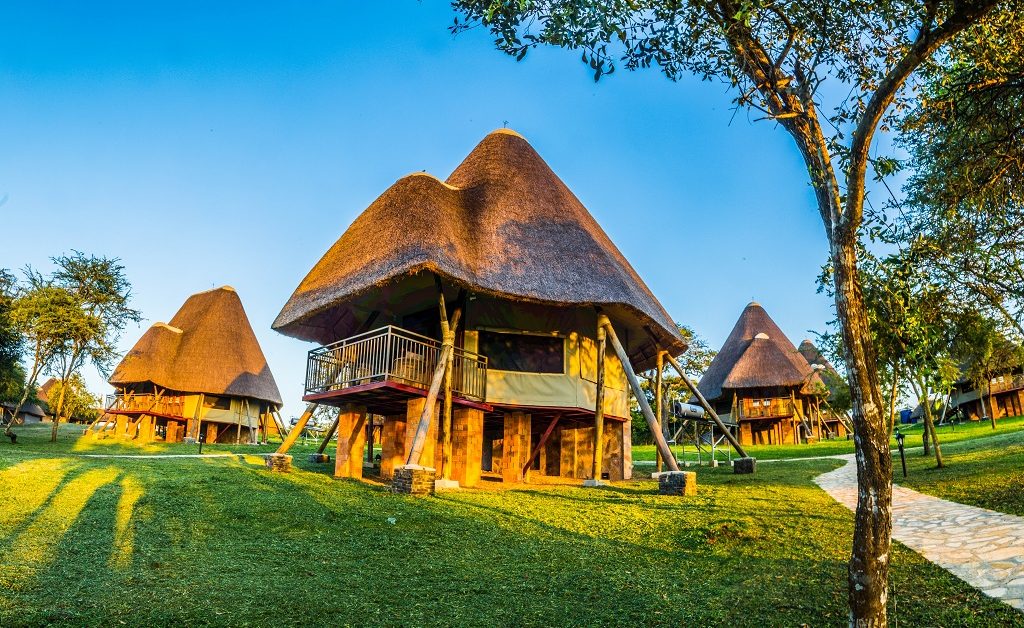
- Lodge: First aid available.
Murchison Falls National Park
- Clinic: Nearest clinic in Masindi (1 hour).
- Hospital: Masindi Hospital.
- Evacuation: Air evacuation to Kampala.
- Lodge: First aid available.
Queen Elizabeth National Park
- Clinic: Nearest clinic in Kasese (1 hour).
- Hospital: Kasese Hospital.
- Evacuation: Air evacuation to Kampala.
- Lodge: First aid available.
Kidepo Valley National Park
- Clinic: Nearest clinic in Kitgum (2 hours).
- Hospital: Kitgum Hospital.
- Evacuation: Air evacuation to Kampala.
- Lodge: First aid available.
3. First Aid and Ranger Assistance
For emergency medical care remote safari parks Uganda, first aid is the first line of response:
- Ranger Training: Rangers are trained in first aid.
- Lodge Staff: Lodge staff are trained in emergency response.
- First Aid Kits: Available at lodges and ranger posts.
- Emergency Plan: Each park has an emergency response plan.
- Communication: Rangers have radios for emergencies.
- Stabilization: First aid is provided on site.
- Evacuation: Emergency evacuation is coordinated.
- Contact: Your lodge will coordinate with authorities.
4. Medical Evacuation
For emergency medical care remote safari parks Uganda, medical evacuation is critical:
Air Evacuation
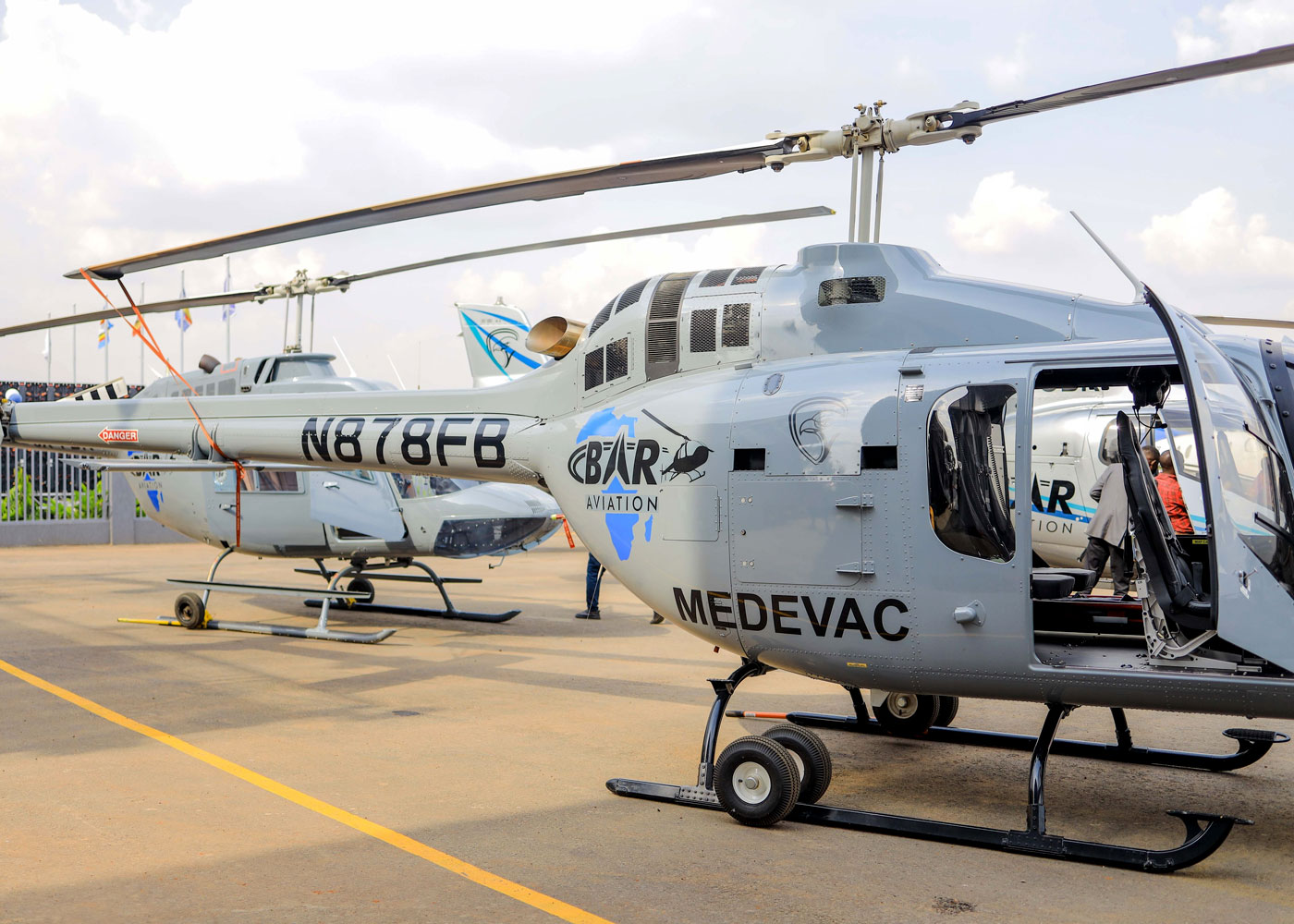
- Helicopter: Available for remote emergencies.
- Fixed Wing: Available for longer distances.
- Response Time: 2-6 hours depending on location.
- Destination: Kampala or Entebbe hospitals.
- Cost: $20,000-$50,000 without insurance.
- Insurance: Essential for covering evacuation costs.
Ground Evacuation
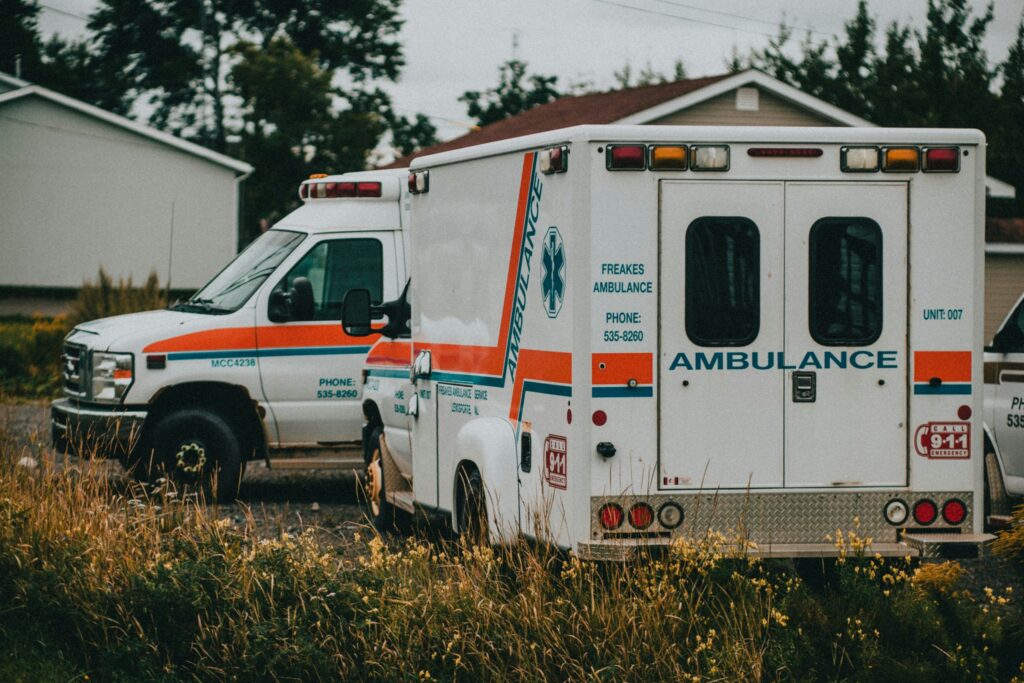
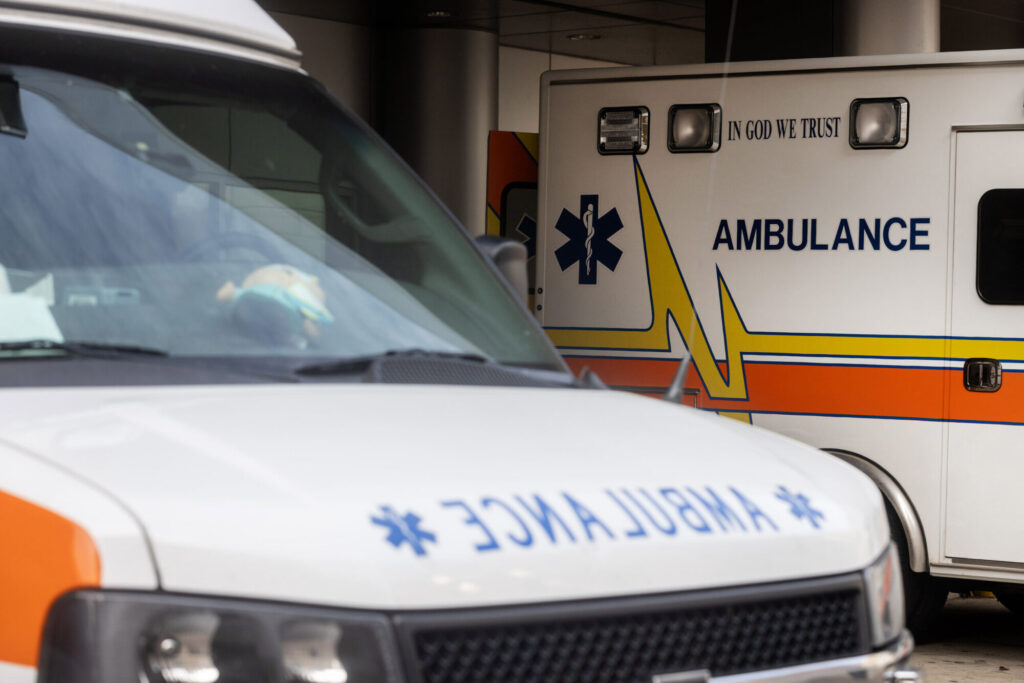
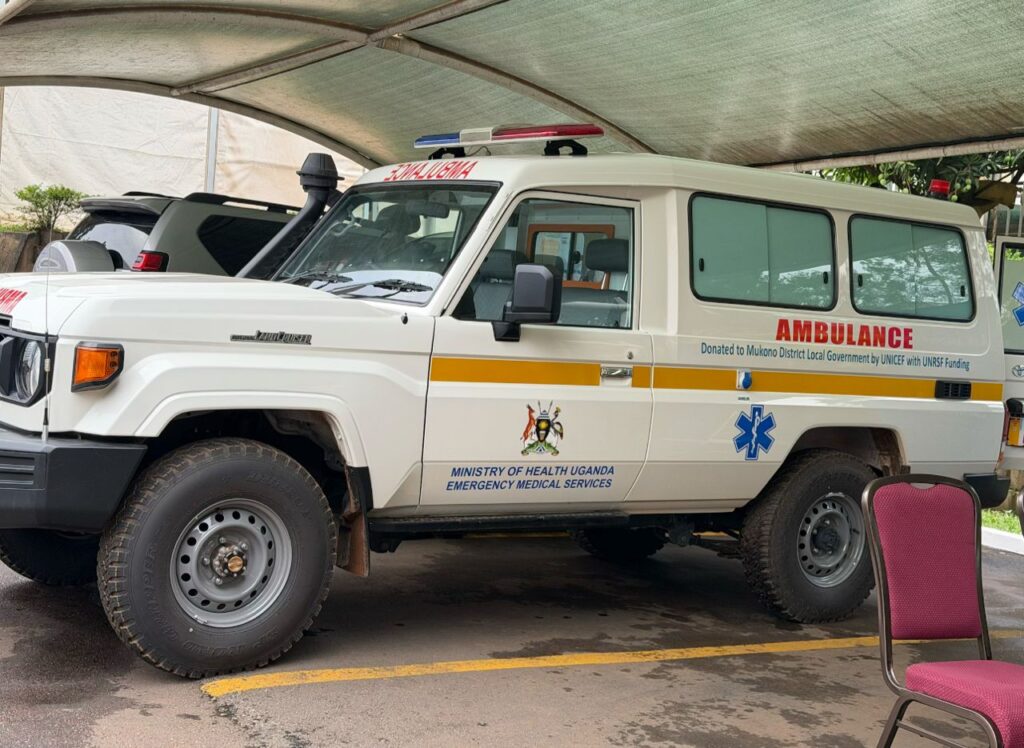
- Ambulance: Available in some areas.
- 4×4 Vehicle: Used for non-critical emergencies.
- Transfer: To the nearest hospital or clinic.
- Cost: Lower than air evacuation.
- Time: 2-8 hours depending on location.
- Lodge Support: Lodges coordinate ground transfers.
5. Insurance and Medical Evacuation Coverage
For emergency medical care remote safari parks Uganda, insurance is essential:
- Essential: Travel insurance is mandatory.
- Evacuation Coverage: Minimum $100,000 recommended.
- Medical Cover: Hospital and doctor costs.
- Repatriation: Return to your home country.
- 24/7 Assistance: Insurance providers have hotlines.
- Check Policy: Confirm coverage before travel.
- Emergency Contact: Keep your insurance number accessible.
- Pre-Approval: Some policies require pre-approval.
See our Medical evacuation insurance Uganda gorilla trekking guide for more details.
6. Practical Tips for Travelers
For emergency medical care remote safari parks Uganda, follow these tips:
- Carry First Aid Kit: Include bandages, antiseptic, and medication.
- Emergency Contacts: Save lodge, tour operator, and embassy numbers.
- Medications: Bring enough medication for your entire trip.
- Travel Insurance: Purchase comprehensive insurance.
- Share Itinerary: Share your itinerary with someone back home.
- Lodge Emergency Plan: Ask about the lodge’s emergency plan.
- Medical Information: Carry a card with medical conditions and allergies.
- Stay Calm: Remain calm and follow instructions.
- Contact Lodge: Contact the lodge immediately in an emergency.
- Follow Instructions: Follow the instructions of rangers and lodge staff.
7. Frequently Asked Questions (FAQ)
Q: What medical facilities are available in Uganda’s national parks?
A: Emergency medical care remote safari parks Uganda includes ranger first aid and lodge staff. Hospitals are in nearby towns.
Q: Is medical evacuation available from national parks?
A: Yes. Air evacuation is available to Kampala or Entebbe. This is key emergency medical care remote safari parks Uganda information.
Q: How much does medical evacuation cost?
A: $20,000-$50,000 without insurance. Insurance is essential.
Q: Do I need travel insurance for a Uganda safari?
A: Yes. Comprehensive travel insurance with evacuation coverage is essential.
Q: What should I do in a medical emergency at a national park?
A: Contact your lodge immediately. They will coordinate with rangers and emergency services.
Q: Are there hospitals near national parks?
A: Yes. Kabale Hospital (near Bwindi), Masindi Hospital (near Murchison), Kasese Hospital (near Queen Elizabeth).
Q: Can I get medical help at safari lodges?
A: Yes. Most lodges have trained staff and first aid kits for emergency medical care remote safari parks Uganda.
Ready to Safari in Uganda with Peace of Mind?
Understanding emergency medical care remote safari parks Uganda ensures you are prepared for any situation. Our local team can help you plan a safe and enjoyable Uganda safari.
Still unsure about emergency medical care remote safari parks Uganda? We book official UWA gorilla permits, arrange 4×4 vehicles and driver-guides, and customize your entire Uganda safari itinerary.
Chat with our lead safari planner on WhatsApp to book your safari: +256 794144988
For more travel inspiration, check out our Medical evacuation insurance Uganda gorilla trekking and Is Uganda safe for tourists right now guides.
Need Help Planning a Safe Uganda Safari?
Our local team is on standby to help with:
- Custom safari itineraries with safety advice
- Official UWA gorilla permit reservations
- Medical evacuation insurance recommendations
- 24/7 local support during your trip
Chat directly with our local team via WhatsApp: +256 794144988
Our team responds within minutes, not hours.
Contact Afraeka Adventures today to book your Uganda safari.
Call us: +256 794144988
Email us: info@afraekaadventures.com
Visit our website: www.afraekaadventures.com
Updated: August 2026. Health information is based on current guidelines. Always consult your doctor and insurance provider before travel.