Last updated: 26 September 2026. Rates and availability are set by UWA and subject to change — confirm before booking.
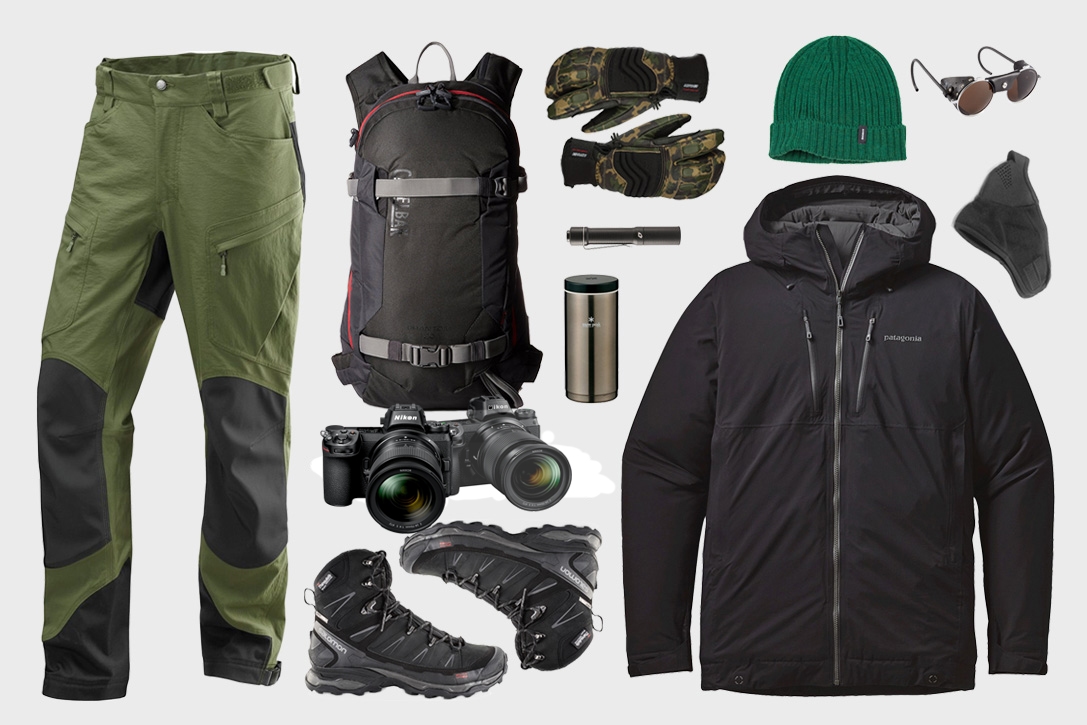
Short answer: For chimpanzee trekking, wear long trousers, long sleeves, waterproof hiking boots with deep tread, and gaiters. Bring gardening gloves for nettles and thorns, a light waterproof shell, and a warm layer for the early-morning briefing. Colours should be neutral — muted greens, browns and khakis. What to wear for chimpanzee trekking comes down to three things: full coverage, real grip on your feet, and enough layers for a cool morning and a humid midday. There is no special gear beyond what you would take on a well-organised forest walk.
Chimpanzee trekking is often described as the easier cousin of gorilla trekking. Physically, that is true — the forests are lower, the walks are shorter, and the terrain at most sites is gentler than Bwindi’s steep slopes. What does not get said often enough is that the chimp kit list is not simply the gorilla kit list at a milder setting. Chimp forests have their own conditions, and the gear that keeps you comfortable is slightly different.
This guide covers what to wear for chimpanzee trekking specifically — the footwear for muddy forest trails, the layers for humid undergrowth, the accessories for nettles and thorns, and the small items most trekkers forget. It applies across Uganda’s chimpanzee trekking sites, including Kibale, Budongo, Kyambura and Kalinzu, and touches on what changes at sites like Kyambura where the terrain is more demanding. For the gorilla side, our guide on what to pack for gorilla trekking covers the parallel kit list. Permit categories and rates sit on the gorilla permits Uganda page, and the wider primate picture is on the primate tracking experiences page. The regulatory framework is published by the Uganda Wildlife Authority.
Chimpanzee trekking kit — key facts
- Footwear: Waterproof hiking boots with deep tread — broken in before travel
- Legwear: Long trousers, not shorts; quick-drying fabrics work best
- Top: Long sleeves plus a light fleece for the morning briefing
- Rain protection: A light waterproof shell — Kibale and Budongo are often wet
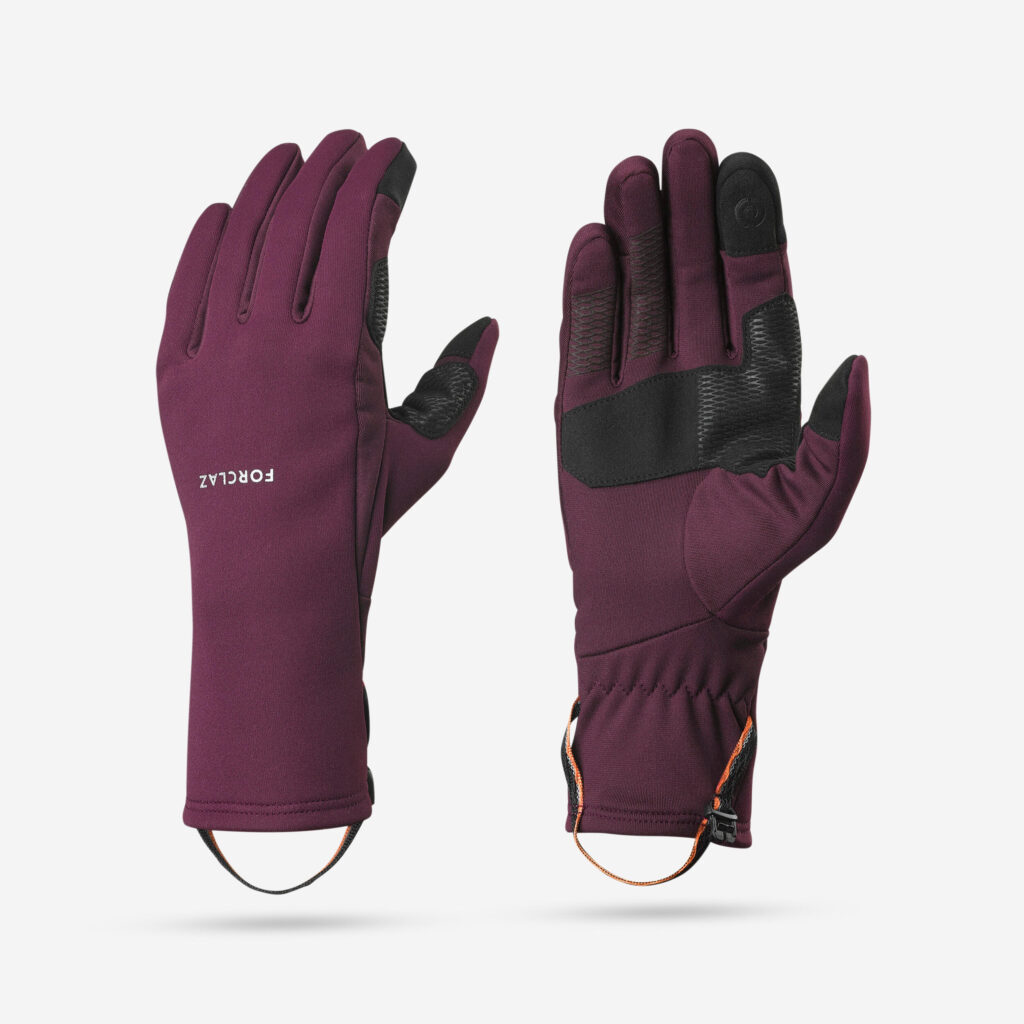
- Hands: Gardening gloves for nettles and thorny vegetation
- Gaiters: Essential for mud, water and ants on the trail
- Colours: Muted greens, browns and khakis — no bright colours
- Daypack: Small, with water, snacks and a camera strap
What footwear should you wear for chimpanzee trekking?
Waterproof hiking boots with deep tread and good ankle support are the correct footwear for chimpanzee trekking. Chimp forests are wet and muddy year-round — even in the dry season, the undergrowth holds moisture and the trails pass through stream beds and boggy patches. Boots that keep your feet dry and grip on mud are the single most important item in the kit.
Three practical points about footwear:
- Waterproofing matters more than at many sites. Kibale and Budongo are rainforests, and even short walks can cross wet ground. Non-waterproof boots become heavy and cold quickly, and wet feet on a long walk are miserable.
- Break boots in for at least a month. Chimp treks involve walking through undergrowth and over roots, and boots that have not been worn in cause blisters. Wear your boots on training walks in the weeks before travel.
- Consider rubber boots if the wet season is heavy. Local rubber boots are widely available for rent near the main chimp sites and work well on muddy trails. They are a good fallback if you did not bring proper boots, or if you are trekking in the middle of the rains.
Trail runners with aggressive grip can work in the dry season at gentle sites, but they do not protect your ankles from roots and rocks, and they do not keep water out the way proper boots do. Given that chimp trekking involves pushing through undergrowth and crossing occasional wet ground, proper boots are the right choice at every site.
Afraeka tip: Bring a spare pair of socks. A fresh pair in your daypack is a small item that becomes very welcome if your feet get wet during the walk. Wool or synthetic socks dry faster than cotton and cushion better under boots. On a chimp trek, walking in wet socks for hours is the most common complaint we hear from travellers who were otherwise well-prepared.
What clothing should you wear for chimpanzee trekking?
Long trousers and long sleeves are the correct clothing for chimpanzee trekking, along with layers that work for a cool morning and a humid midday. Shorts and short sleeves are not advisable — chimp forests have nettles, thorns, ants and dense undergrowth, and full coverage is the simplest protection. Lightweight, quick-drying hiking clothing works best.
The clothing kit breaks down into four categories:
Clothing for a chimpanzee trek
- Long trousers. Not shorts. Lightweight hiking trousers with some stretch are ideal. Jeans become heavy and stiff when wet and are not recommended. The undergrowth in Kibale and Budongo will brush against your legs constantly.
- Long-sleeved top. A breathable long-sleeved hiking shirt or a light fleece as a base layer. Cotton holds sweat and dries slowly; technical fabrics are better. In the wet season, long sleeves also protect against nettles at arm level.
- Warm layer. A light fleece or a soft-shell jacket for the morning briefing, which starts around 7:30am and is genuinely cool in the forest. This is the item most trekkers forget.
- Waterproof shell. A lightweight rain jacket that packs into your daypack. Chimpanzee trekking is often wet, and the forest canopy drips for hours after rain has stopped.
What to avoid: shorts, short sleeves, jeans, heavy cotton items, and any clothing that will not dry quickly if it gets wet. The one exception is the afternoon chimp trek at Kibale in the middle of the dry season, where the forest is drier and the undergrowth less aggressive — but even then, long trousers and long sleeves are the sensible default.
What accessories should you bring for chimpanzee trekking?
The accessories that make the biggest difference for chimpanzee trekking are gaiters, gardening gloves, and a small daypack. Gaiters keep mud, water and ants out of your boots and trousers; gardening gloves protect your hands from nettles and thorns; a small daypack carries water, snacks, a camera and a light layer without weighing you down.
Accessories for a chimpanzee trek
- Gaiters — essential for mud, water and ants on the trail
- Gardening gloves — protect hands from nettles and thorny vegetation
- Small daypack — 20 to 25 litres is plenty
- Water — 1.5 to 2 litres per trekker
- Snacks — nuts, energy bars, dried fruit
- Camera with strap — the strap is essential for both hands-free walking and protecting the camera
- Binoculars — genuinely useful for spotting chimps in the canopy and for birding en route
- Small towel — for drying hands and face after the trek
- Basic first aid — blister plasters, painkillers, personal medication
- Insect repellent — the forest undergrowth has mosquitoes and biting flies
- Sun protection — hat and sunscreen, even on cloudy days
The two items that make the biggest difference and are most often overlooked are gaiters and gardening gloves. Gaiters are underused by first-time trekkers and are the cheapest addition to the kit that produces an outsized improvement to the day. They keep mud, water, small stones and ants out of your boots and trousers — ants being a particular issue on chimp trails, where safari ants (siafu) can swarm a path and are genuinely painful to encounter in the undergrowth. Gardening gloves (rubberised or leather) protect your hands when you grip vegetation for balance or push through undergrowth.
What not to bring: drones (prohibited in Uganda’s national parks, with no exceptions), flash photography gear (prohibited during the viewing window), heavy camera equipment you are not comfortable carrying, and anything you would be upset to lose if it got wet or muddy. Our guide on what to pack for gorilla trekking covers the parallel list for the gorilla side, and the restrictions on photography and equipment sit in the gorilla trekking rules and regulations guide.
What colours should you wear for chimpanzee trekking?
Neutral, muted colours are the right choice for chimpanzee trekking — greens, browns, khakis and other earth tones. Bright colours stand out in the forest, and while there is no strict UWA rule banning them on chimp treks (the way there is on some walking safaris), muted colours help you blend into the environment and reduce the visual disturbance to the wildlife.
Three practical points about colour:
- Muted over bright. Khaki, olive, tan, brown and muted green all work well. Bright reds, yellows and blues stand out and are best avoided.
- White is a poor choice. Not because of any rule, but because white clothes show dirt immediately and the forest is muddy. Every contact with vegetation leaves a mark.
- Camouflage is fine but not necessary. Camouflage patterns are commonly worn by guides and trackers, but there is no requirement for trekkers to wear camouflage. Muted solids work just as well.
Chimp trekking is not a military exercise — nobody will object if you wear a blue shirt. But the closer your clothing sits to the colours of the forest, the less visually disruptive the group is on the trail, and the less your own clothing draws attention away from the animals. The same principle is behind the muted-colour advice across all of Uganda’s primate experiences.
Does the kit change by chimp trekking site?
The core kit for chimpanzee trekking is the same across Uganda’s sites, but the emphasis changes depending on where you are trekking. Kibale and Budongo are classic rainforest, with muddy trails, dense undergrowth and an emphasis on waterproofing. Kyambura Gorge involves a steep descent into a gorge and places a stronger emphasis on footwear grip and knees. Kalinzu sits between the two — forested, gentle, and easier underfoot.
| Site | Terrain | Kit emphasis |
|---|---|---|
| Kibale Forest | Rainforest trails; muddy in the wet season | Waterproof boots, gaiters, waterproof shell |
| Budongo Forest | Mahogany forest; more open understory | Slightly lighter kit; still waterproof boots |
| Kyambura Gorge | Steep descent and ascent; muddy gorge floor | Best boots you own; consider a trekking pole |
| Kalinzu Forest | Gentle forest trails; smaller reserve | Standard kit; less gear-intensive |
The core kit — long trousers, long sleeves, waterproof boots, gaiters, gloves — applies across all four sites.
Two practical consequences of this. First, if you are trekking at Kyambura, your footwear matters more than at any other chimp site. The descent into the gorge is genuinely steep, and the climb out is the hardest part of the day. Bring your best boots and consider a trekking pole. Second, if you are only trekking at Kibale or Budongo, the emphasis is on waterproofing rather than grip — the trails are muddy but not steep.
Does the season change what you wear?
The season changes the emphasis of what to wear for chimpanzee trekking, but not the core kit list. In the dry months — December to February and June to September — the trails are firmer, the undergrowth is less aggressive, and the light waterproof shell may stay in the daypack. In the wet months — April, May and November — the trails are muddier, the undergrowth is wet, and the waterproof shell becomes essential.
Three practical points on seasonal variation:
- Wet season: emphasise waterproofing. Waterproof boots, gaiters, waterproof shell and spare socks. The forest is genuinely wet, and the walk in and out can be through standing water.
- Dry season: keep the essentials. Gaiters and gloves still matter for nettles and ants; waterproof boots still matter because the undergrowth holds moisture. The layer you might leave at the lodge is the heavy waterproof shell.
- Shoulder weeks: bring everything. March, October and early December see mixed conditions. Bring the full kit and adjust on the day.
Chimpanzee trekking runs year-round at every site, and the wildlife is equally visible in all seasons. The seasonal difference is about comfort, not the experience itself. For a fuller picture of what the wet season looks like on a trek, our guide on gorilla trekking in the rain covers the parallel experience on the gorilla side — the principles are the same for chimps.
What should you leave behind?
What you leave behind is as important as what you bring. The items that most often cause problems on a chimp trek are the ones trekkers thought they might need but did not — heavy cameras, spare clothing, and electronics that either weigh you down or risk being damaged in the wet forest.
What not to bring on a chimpanzee trek
- Drones — prohibited in Uganda’s national parks; there is no exception for chimp trekking
- Flash photography gear — prohibited during the viewing window
- Multiple camera bodies or long lenses you are not comfortable carrying for hours
- Jeans or heavy cotton — becomes cold and stiff when wet
- Shorts and short sleeves — chimp forest undergrowth will punish exposed skin
- Heavy backpacks or full daypacks — a small pack is more than enough
- New boots that have not been broken in — blisters are the most preventable problem on the trail
- Anything you would be upset to lose — the forest is muddy and dense
The general principle is to pack for the specific day you are going to have, not for a hypothetical longer trek. Chimpanzee trekking is a half-day forest walk, and the kit list is narrower than a multi-day trek or a general East Africa safari. Light, functional, and weather-appropriate is the goal.
The wider primate picture across Uganda’s sites sits on the primate tracking experiences page. The full trip options that include chimp trekking are on the trips listed below and the Uganda destinations page. The Uganda Tourism Board maintains national context on the parks and activities.
Common mistakes with chimpanzee trekking clothing
Most of what goes wrong with chimp trekking kit comes down to a small set of avoidable mistakes, and all of them can be prevented with one careful read before you pack.
- Wearing shorts or short sleeves. The single most common mistake. Chimp forest undergrowth is dense, wet, and full of nettles and ants. Full coverage is the correct choice.
- Skipping gaiters. Gaiters are the cheapest addition to the kit that produces the biggest improvement. They keep mud, water and ants out of your boots and trousers.
- Wearing new boots. Blisters on the walk in make the walk back feel twice as long. Break boots in for at least a month before travel.
- Forgetting gloves. Nettle stings on the trail are common, and gardening gloves protect your hands when you grip vegetation for balance. Small item, big difference.
- Not bringing a waterproof shell. Kibale and Budongo are rainforests, and the canopy drips long after rain has stopped. A light shell is essential.
- Wearing jeans. Heavy cotton trousers become cold and stiff when wet. Lightweight hiking trousers are the right choice.
- Bringing too much camera gear. A single body and a single zoom lens is the practical optimum for a chimp trek. Multiple bodies and long lenses become dead weight on a humid trail.
- Wearing bright colours. Muted greens, browns and khakis are the right palette. Bright colours stand out in the forest and draw attention away from the wildlife.
Can one permit cover two people?
No. One permit covers one person for one trek, and this applies to chimpanzee trekking the same as to any other Uganda primate experience. A family of four needs four permits on the same date and departure, and each permit is tied to a named individual. There is no way to share a permit or transfer it to another person. Current permit categories and rates sit on the gorilla permits Uganda page.
Because the chimp trekking permits are per-person and the daily caps apply per habituated community, larger parties need to book earlier and plan for the possibility of splitting across two departures or two dates. The kit list, however, does not change with group size — each trekker needs their own boots, gaiters, gloves, layers and rain protection. It is one of the few things about a chimp trek where nothing can be shared.
Once your permits are confirmed, the community you follow is allocated on the morning of the trek. You will know your site in advance because it is on your permit; you will learn your community at the briefing alongside everyone else. The one-hour viewing window, seven-metre distance rule, no-flash rule and health exclusion apply to chimpanzee trekking the same as to every other UWA primate site. The regulatory framework is set by the Uganda Wildlife Authority.
Afraeka field note: A traveller once arrived at Kibale for her chimp trek wearing trail runners, shorts, and a short-sleeved shirt, on the reasoning that Uganda was hot and the trek was shorter than a gorilla trek. Her guide took one look at her legs and offered her a spare pair of gaiters and long trousers from the lodge. She accepted both. By the time the group returned to the trailhead, she told us she could not believe how much mud, ants and nettles she had avoided — the shorts would have been miserable, and the trail runners would have been soaked within the first twenty minutes. What to wear for chimpanzee trekking is not complicated, but it is genuinely different from what you would wear for a walk in a European forest. Long clothes, real boots, and gaiters. The rest is detail.
A question that comes up occasionally on TripAdvisor’s Uganda forum and on r/Uganda is some version of: “Is chimp trekking kit the same as gorilla trekking kit?” The honest answer is that it is 80% the same. Long trousers, long sleeves, waterproof boots, gaiters, gloves, a light waterproof shell and a small daypack apply to both. What changes is the emphasis — chimp trekking is wetter and muddier than most gorilla sectors, so waterproofing and gaiters matter more. Kyambura Gorge is the exception: it is steeper, and footwear grip becomes the priority. Get the core kit right, and the site-specific adjustments are small.
Frequently asked questions
What should I wear for chimpanzee trekking?
Long trousers, long sleeves, waterproof hiking boots with deep tread, and gaiters. Bring gardening gloves for nettles, a light waterproof shell, and a warm layer for the morning briefing. Colours should be muted — greens, browns, khakis. Avoid shorts, short sleeves and jeans.
Do I need special boots for chimpanzee trekking?
Waterproof hiking boots with deep tread and good ankle support are the correct choice. Chimp forests are wet and muddy year-round, and proper boots keep your feet dry and grip on the trail. Trail runners can work in the dry season but do not protect ankles or keep water out. Break boots in before travel.
Should I wear shorts or long trousers for chimpanzee trekking?
Long trousers. Chimp forest undergrowth has nettles, thorns, ants and dense vegetation. Shorts are not recommended. Lightweight hiking trousers with some stretch are the best choice; jeans become cold and stiff when wet.
Do I need gaiters for chimpanzee trekking?
Yes — strongly recommended. Gaiters keep mud, water, small stones and ants out of your boots and trousers, and they are the cheapest addition to your kit that produces an outsized improvement to the day. Most trekkers who use them come back saying they were glad they had them.
Do I need gardening gloves for chimpanzee trekking?
Yes — they are one of the most useful items on the kit list and one of the most commonly forgotten. Gardening gloves protect your hands from nettles and thorny vegetation when you grip plants for balance. Rubberised or leather gardening gloves work best.
What colours should I wear for chimpanzee trekking?
Muted, neutral colours — greens, browns, khakis and other earth tones. Bright colours stand out in the forest and draw attention away from the wildlife. White is a poor choice because the forest is muddy. Camouflage is fine but not required.
Do I need a waterproof jacket for chimpanzee trekking?
Yes. Kibale and Budongo are rainforests, and the canopy drips long after rain has stopped. A lightweight waterproof shell that packs into your daypack is essential, particularly in the wet season. In the dry season it can stay in the pack, but it should still be there.
Does the kit change for Kyambura Gorge chimpanzee trekking?
The core kit is the same, but Kyambura places more emphasis on footwear grip because of the steep gorge descent and ascent. Bring your best boots and consider a trekking pole. Gaiters and gloves still matter.
What should I not bring on a chimpanzee trek?
Drones (prohibited in Uganda’s national parks), flash photography gear (prohibited during the viewing window), heavy camera kits you will not use, shorts and short sleeves, jeans, and new boots that have not been broken in. Pack for the specific day you are going to have, not for a longer trek.
Want a kit check before your chimp trek?
Send us your dates, which site you are trekking and what you are planning to wear, and we will tell you what to adjust — whether your boots suit the season, which layers to bring, and what to leave behind. If you are trekking Kyambura Gorge, we will flag the footwear requirements specifically. No price figures until we know your route, because the permit is only one line of the total.
About the author: Victoria Kayaga is a Ugandan-born safari expert and founder of Afraeka Adventures, with 15+ years in East African tourism. Based in Kampala, she has planned chimpanzee trekking itineraries across Kibale, Budongo, Kyambura, Kalinzu and Ngamba Island for years, and she advises travellers on the practical side of the trekking day, including kit. More about Victoria.
Keep planning
- 5-day Uganda safari
- 7-day Uganda and Rwanda primate safari
- 5-day Bwindi and Lake Mburo safari
- All Afraeka trips