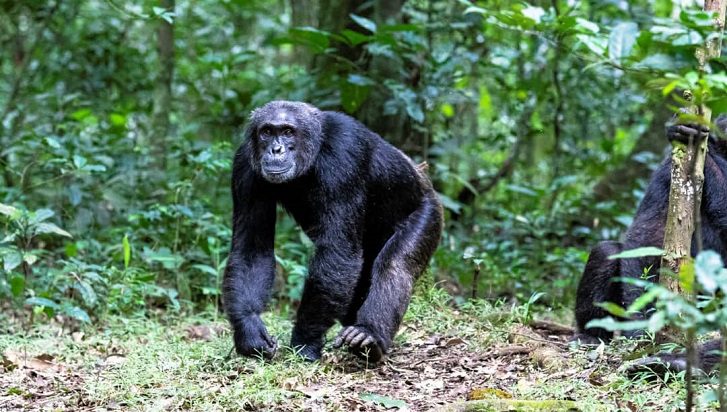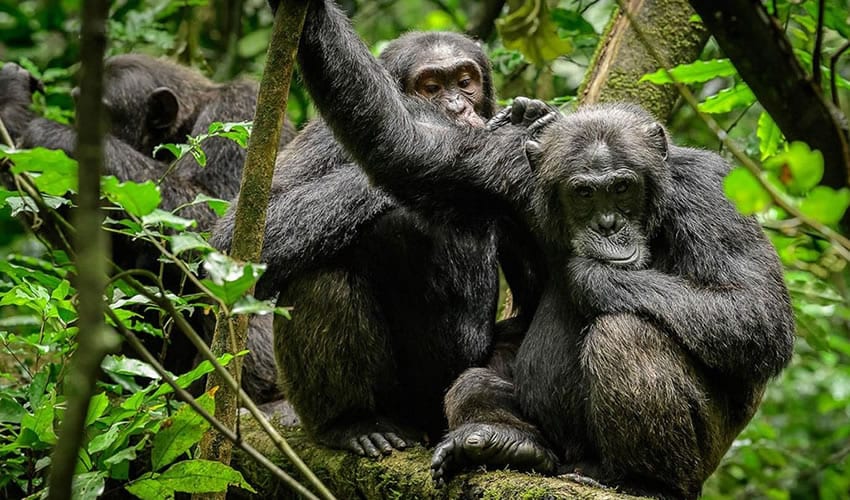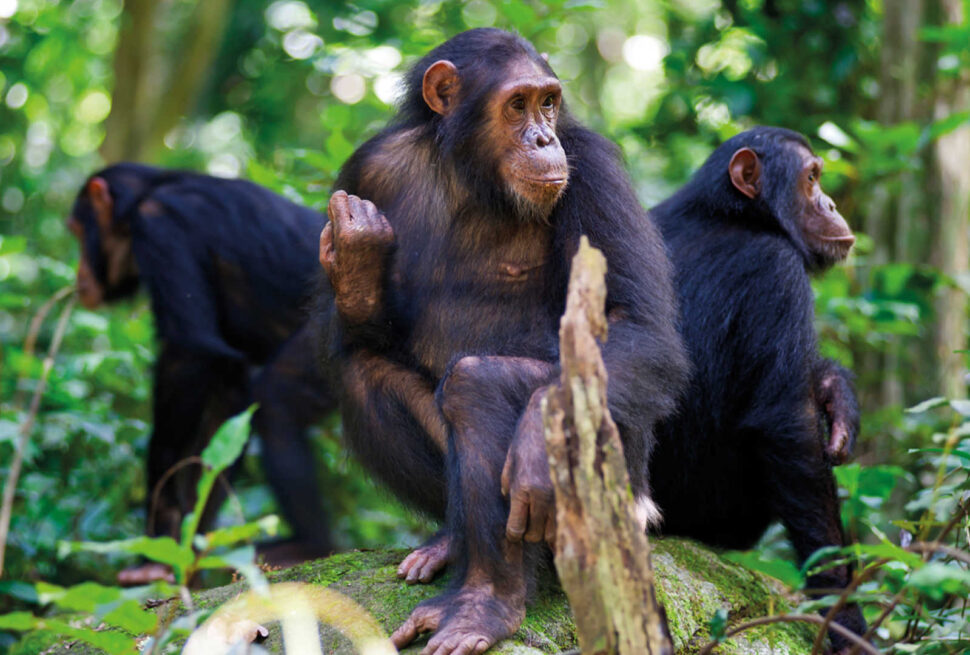
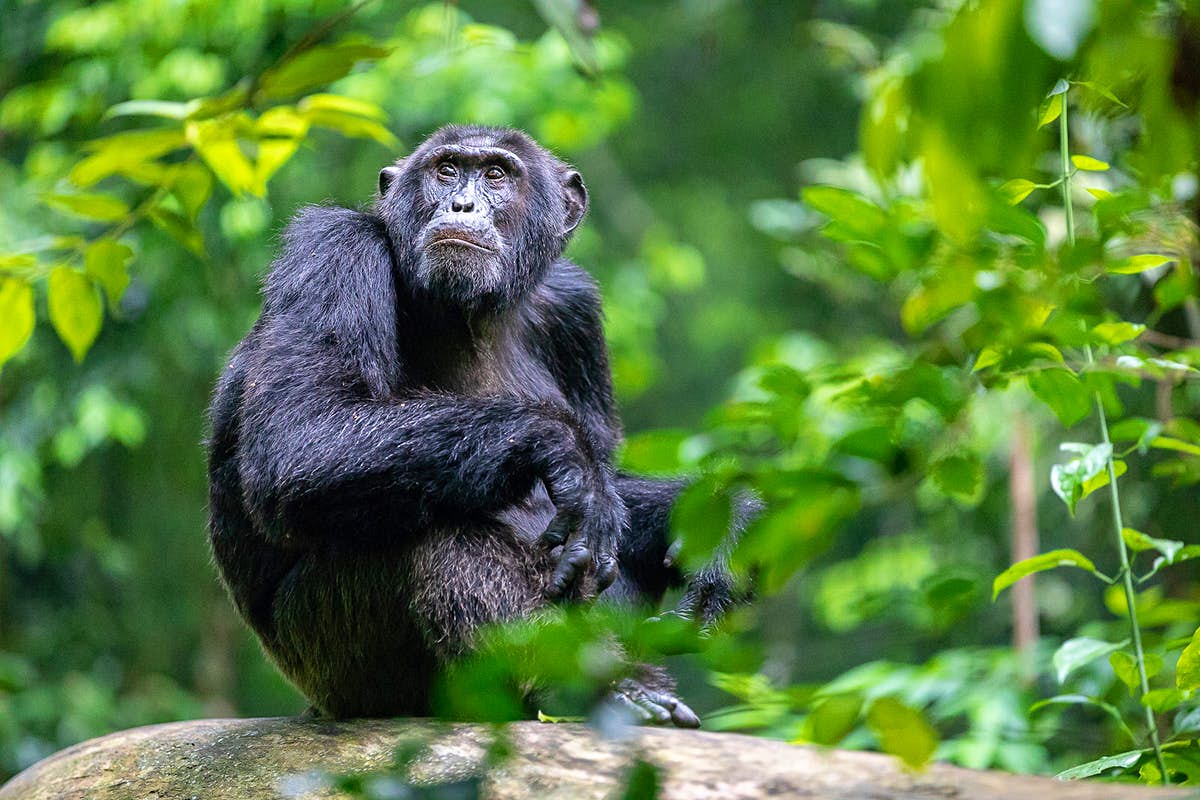
Rwanda chimpanzee trekking vs Uganda—which destination offers the better primate experience? Both countries are home to habituated chimpanzee communities, and both offer the chance to observe our closest living relatives in the wild. But the experiences differ in terrain, forest type, accessibility, group sizes, and the overall feel of the trek. This guide compares chimpanzee trekking in Rwanda’s Nyungwe Forest with Uganda’s Kibale Forest and other Ugandan chimpanzee destinations, so you can choose the right experience for your safari.
Chimpanzee trekking is one of Africa’s most rewarding wildlife experiences. Unlike gorilla trekking, which is tightly regulated and often booked months in advance, chimpanzee trekking offers more flexibility—but the quality of the experience varies significantly depending on where you go. For a combined Rwanda-Uganda primate adventure, see our 7-Day Uganda-Rwanda Primates Safari.
Why Chimpanzee Trekking Matters
Chimpanzees are our closest living relatives, sharing approximately 98% of our DNA. They live in complex social groups, use tools, communicate through a rich system of vocalisations and gestures, and display emotions that feel strikingly familiar. Observing them in the wild is a profound experience—one that changes how many people see the natural world.
Chimpanzees are classified as endangered by the International Union for Conservation of Nature (IUCN). Habitat loss, poaching, and disease threaten their survival. Responsible chimpanzee trekking contributes directly to conservation by providing economic incentives for protecting forests and wildlife. Both Rwanda and Uganda have strong conservation programmes, supported by organisations like the Rwanda Development Board and the Uganda Wildlife Authority.
Chimpanzee Trekking in Rwanda: Nyungwe Forest
Rwanda’s only chimpanzee trekking destination is Nyungwe Forest National Park, located in the southwest of the country. Nyungwe is one of Africa’s oldest rainforests, dating back to the Ice Age, and covers approximately 1,019 square kilometres. It is part of the Albertine Rift, a biodiversity hotspot that stretches from Uganda to Tanzania.
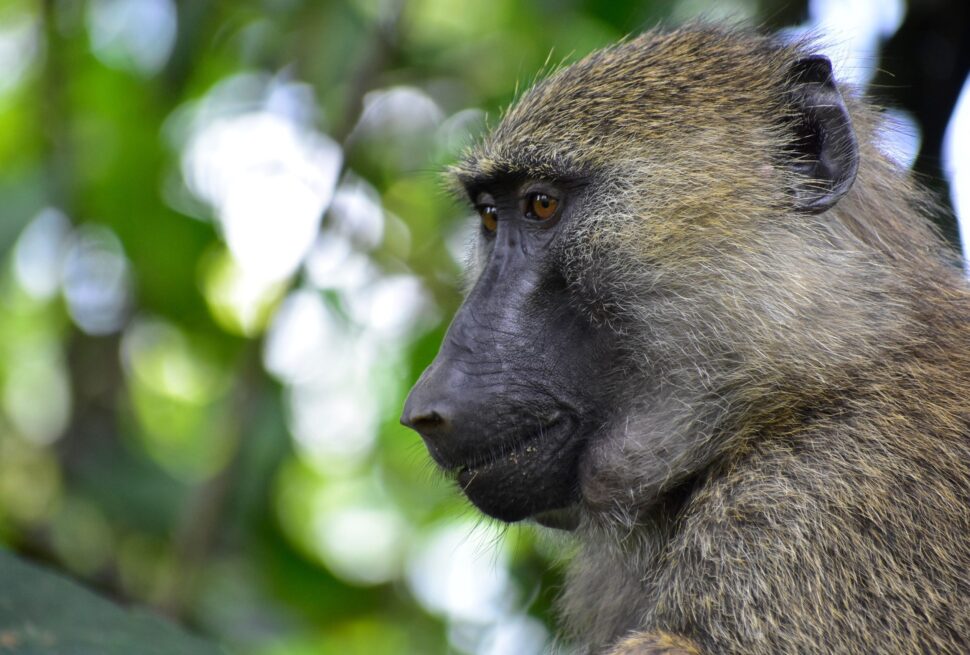
Nyungwe is home to 13 primate species, including chimpanzees, Ruwenzori colobus monkeys, golden monkeys, L’Hoest’s monkeys, and grey-cheeked mangabeys. The forest is also a birdwatcher’s paradise, with over 300 recorded species, including 27 Albertine Rift endemics.
Chimpanzee trekking in Nyungwe: A habituated chimpanzee community can be tracked by visitors. Treks begin early in the morning after a briefing at the park headquarters. The hike can take one to four hours, depending on where the chimpanzees have nested. The terrain is mountainous and can be muddy, especially during the rainy season. Once the chimpanzees are located, visitors spend one hour with them.
Group size: Limited to a small number of visitors per trek, ensuring a low-impact experience.
Best time to visit: June to September and December to February (dry seasons).
Other activities: Canopy walkway, colobus monkey trekking, birdwatching, nature walks, waterfall hikes.
For a detailed itinerary, see our guide to Nyungwe Forest chimpanzee trekking.
Chimpanzee Trekking in Uganda: Kibale Forest and Beyond
Uganda is widely considered the premier chimpanzee trekking destination in East Africa. The country has several chimpanzee trekking locations, each with its own character:
Kibale Forest National Park
Kibale Forest is the most famous chimpanzee trekking destination in Uganda. It covers approximately 795 square kilometres and is home to the highest concentration of primates in East Africa—13 species in total. The forest is estimated to host around 1,500 chimpanzees, with several habituated communities available for trekking.
Treks in Kibale begin early in the morning. The terrain is generally easier than Nyungwe—less steep and less muddy—making it suitable for a wider range of fitness levels. The forest is also more accessible, with well-maintained trails. Visitors spend one hour with the chimpanzees.
Kibale also offers the Chimpanzee Habituation Experience, a full-day activity that allows visitors to spend more time with the chimpanzees, including observing them as they wake up and settle down for the night. This is a premium experience for serious primate enthusiasts.
Queen Elizabeth National Park: Kyambura Gorge
Kyambura Gorge, located within Queen Elizabeth National Park, offers a different chimpanzee trekking experience. The gorge is a 100-metre-deep valley carved by the Kyambura River, home to a habituated chimpanzee community. Trekking here is more challenging than in Kibale or Nyungwe, as the descent into the gorge is steep and the terrain is rugged.
The gorge is also scenically spectacular, and the trek offers a sense of adventure that other chimpanzee experiences may lack. However, sightings are less reliable than in Kibale or Nyungwe, as the chimpanzees range widely within the gorge.
Other Ugandan Chimpanzee Destinations
Uganda also offers chimpanzee trekking in Budongo Forest (near Murchison Falls National Park) and Kyambura Gorge. Budongo is less crowded than Kibale and offers a more intimate experience, though sightings may be less predictable.
Direct Comparison: Rwanda vs Uganda Chimpanzee Trekking
Here’s a side-by-side comparison of the key factors:
| Factor | Rwanda (Nyungwe Forest) | Uganda (Kibale Forest) |
|---|---|---|
| Forest type | Ancient montane rainforest | Lowland and montane rainforest |
| Terrain | Mountainous, steep, can be muddy | Generally easier, well-maintained trails |
| Chimpanzee population | Habituated community | Around 1,500 chimpanzees, several habituated communities |
| Group size | Limited to small groups | Limited to small groups |
| Other primates | 13 species including colobus, golden monkeys | 13 species including colobus, mangabeys |
| Birdwatching | Over 300 species, 27 Albertine Rift endemics | Over 375 species |
| Canopy walk | Yes (famous walkway) | No (but other activities available) |
| Accessibility | 5–6 hours from Kigali, or short flight | 5–6 hours from Kampala, or short flight |
| Combines well with | Gorilla trekking in Volcanoes NP, Lake Kivu | Gorilla trekking in Bwindi, Queen Elizabeth NP |
| Habituation experience | No | Yes (full-day Chimpanzee Habituation Experience) |
Which is Better for You?
The answer depends on your priorities, fitness level, and overall itinerary.
Choose Rwanda (Nyungwe Forest) if:
- You are already in Rwanda for gorilla trekking and want to add chimpanzees to your trip
- You want to experience one of Africa’s oldest rainforests
- You are interested in the famous Nyungwe canopy walkway
- You want to combine chimpanzee trekking with colobus monkey trekking and excellent birdwatching
- You prefer a more adventurous, mountainous trekking experience
- You want to combine your safari with Lake Kivu for relaxation
Choose Uganda (Kibale Forest) if:
- You want the highest chance of seeing chimpanzees in a relatively accessible forest
- You prefer easier terrain and well-maintained trails
- You want to combine chimpanzee trekking with gorilla trekking in Bwindi Impenetrable National Park
- You are interested in the full-day Chimpanzee Habituation Experience
- You want to combine chimpanzee trekking with savannah wildlife in Queen Elizabeth National Park
- You are already planning a Uganda safari and want to add chimpanzees
Consider doing both if:
You have time for a multi-country safari. Combining Rwanda and Uganda allows you to experience chimpanzees in two different forest types, as well as gorillas, golden monkeys, and savannah wildlife. Our 16-Day Rwanda and Uganda Gorilla Trekking & Big Five Safari is designed for exactly this kind of comprehensive adventure.
Chimpanzee Trekking: What to Expect in Both Countries
Regardless of where you trek, the experience follows a similar pattern:
- Early morning start: Treks begin at dawn, when chimpanzees are most active.
- Briefing: You’ll receive a safety and conservation briefing from park officials.
- Guided hike: Experienced trackers and guides lead you through the forest, following signs of the chimpanzees’ previous night’s nests.
- One hour with chimpanzees: Once located, you’ll spend one hour observing them. This limit is strictly enforced to minimise disturbance.
- Physical effort: The hike can take one to four hours, depending on where the chimpanzees are. A reasonable level of fitness is required.
- Porters: Available in both countries to carry bags and provide local employment.
The main differences are in terrain, forest type, and the overall feel of the trek. Nyungwe is more mountainous and dramatic; Kibale is more accessible and reliable for sightings.
Conservation Impact of Chimpanzee Trekking
Chimpanzee trekking is a powerful conservation tool. Permit fees and tourism revenues fund anti-poaching patrols, habitat protection, and community development programmes. In both Rwanda and Uganda, tourism has helped stabilise chimpanzee populations and protect their forest homes.
However, chimpanzee trekking also carries risks. Chimpanzees are susceptible to human diseases, and close contact can transmit illness. That’s why park authorities enforce strict rules: visitors must keep a safe distance, not trek if they are sick, and follow hygiene protocols. When done responsibly, chimpanzee trekking is a force for good—for wildlife and for local communities.
Best Time for Chimpanzee Trekking in Rwanda and Uganda
Both countries offer chimpanzee trekking year-round, but the dry seasons are generally best:
- Rwanda: June to September and December to February.
- Uganda: June to September and December to February.
The dry seasons offer easier hiking conditions, but the wet seasons (March–May and October–November) offer lush scenery, fewer crowds, and excellent birdwatching. Chimpanzee sightings are possible year-round.
What to Pack for Chimpanzee Trekking
- Clothing: Long-sleeved shirts, long trousers, a waterproof jacket, warm fleece for cool mornings, and sturdy hiking boots with good grip.
- Accessories: Sun hat, sunglasses, sunscreen, insect repellent, binoculars, camera with zoom lens, and a small daypack.
- Documents: Passport, visa, yellow fever certificate, travel insurance, and printed permits.
- Other: Reusable water bottle, energy snacks, power adapter, and a walking stick (available locally).
Most lodges offer laundry service, so you can pack light. Dress in layers, as temperatures can vary throughout the day.
Health and Safety Considerations
- Malaria: Both Rwanda and Uganda are malaria-risk countries, so antimalarial medication is recommended. Consult your doctor before travel.
- Yellow fever: A yellow fever certificate is required for entry into both countries if arriving from a country with yellow fever transmission.
- Altitude: Nyungwe and Kibale are at high altitude, so take it easy on the first day and stay hydrated.
- Travel insurance: Comprehensive travel insurance covering medical evacuation is strongly recommended.
- Respiratory illness: Do not trek if you have a cold, flu, or other respiratory illness, as chimpanzees are vulnerable to human diseases.
For the latest entry requirements, visit the Rwanda Directorate General of Immigration and Emigration or the Uganda Wildlife Authority.
Frequently Asked Questions
Which country is better for chimpanzee trekking?
Uganda’s Kibale Forest is generally considered the best destination for chimpanzee trekking due to its large population, well-maintained trails, and high sighting success rate. However, Rwanda’s Nyungwe Forest offers a more adventurous, mountainous experience and combines well with gorilla trekking in Volcanoes National Park.
How difficult is chimpanzee trekking in Rwanda vs Uganda?
Rwanda’s Nyungwe Forest is more mountainous and can be muddy, making it more physically challenging. Uganda’s Kibale Forest has generally easier terrain and well-maintained trails.
Can I combine chimpanzee trekking with gorilla trekking?
Yes. In Rwanda, you can combine Nyungwe with Volcanoes National Park. In Uganda, you can combine Kibale with Bwindi Impenetrable National Park. Our 7-Day Uganda-Rwanda Primates Safari combines both countries for the ultimate primate adventure.
How far in advance should I book chimpanzee permits?
We recommend booking at least three to six months in advance for peak season. For low season, one to two months may be sufficient, but earlier is always better.
Is chimpanzee trekking suitable for children?
Chimpanzee trekking has a minimum age requirement, typically 15 years, in both Rwanda and Uganda. Families with younger children can enjoy other activities such as the Nyungwe canopy walk or game drives.
Start Planning Your Chimpanzee Trekking Adventure
Every safari we create is tailored to your interests, budget, and travel dates. Whether you choose Rwanda, Uganda, or both, we’ll design the perfect primate adventure for you.
Contact us today to begin planning your unforgettable chimpanzee trekking experience.