A Kigali city tour itinerary for one day is the perfect way to begin or end a Rwanda safari. Rwanda’s capital is one of Africa’s cleanest, safest, and most vibrant cities—a place where poignant history, thriving art, bustling markets, and excellent food come together in a compact, walkable city centre. This guide outlines a detailed one-day Kigali itinerary that covers the essential sights, hidden gems, and cultural experiences, with practical tips to help you make the most of your visit.
Whether you have a layover, a spare day before your safari, or a final day before flying home, a Kigali city tour is time well spent. The city is easy to navigate, and most attractions are within a short drive of each other. For a combined Rwanda-Uganda adventure that begins or ends in Kigali, see our 7-Day Uganda-Rwanda Primates Safari.
Why Visit Kigali?
Kigali is often described as Africa’s most impressive capital city. It is clean, safe, and well-organised, with modern infrastructure and a growing reputation as a cultural and culinary hub. But Kigali is also a city of deep historical significance. The 1994 Genocide against the Tutsi left deep scars, and the city has become a global example of reconciliation, resilience, and renewal.
A Kigali city tour offers the chance to understand Rwanda’s past, appreciate its present, and support its future. The city’s museums, memorials, markets, and art spaces tell a story of a nation that has chosen hope over despair. The Visit Rwanda website is a useful resource for planning your visit.
Kigali city tour itinerary for one day
Morning: Kigali Genocide Memorial
Begin your day at the Kigali Genocide Memorial, the most important and moving site in the city. Located in the Gisozi district, the memorial is the final resting place for more than 250,000 victims of the 1994 Genocide against the Tutsi. It is also a museum and education centre, documenting the history of the genocide and its aftermath.
The memorial is a UNESCO World Heritage Site and a place of reflection, learning, and hope. The exhibits are thoughtfully curated, and the audio guide provides context and personal stories. It is a deeply emotional experience, so allow yourself time to process what you see. The memorial also includes a rose garden, a wall of names, and a children’s memorial.
Plan to spend two to three hours at the memorial. It’s best to visit in the morning when it’s quieter. Photography is not permitted inside the memorial buildings, but you may take photos in the gardens.
After your visit, take a short walk or drive to the nearby Campaign Against Genocide Museum, which tells the story of the Rwandan Patriotic Front’s campaign to stop the genocide. It’s a smaller museum but provides important context.
Late Morning: Kimironko Market
From the memorial, head to Kimironko Market, the largest and liveliest market in Kigali. This is where locals shop for everything from fresh produce and spices to fabrics, crafts, and household goods. It’s a vibrant, chaotic, and utterly authentic experience—the perfect antidote to the solemnity of the morning.
Kimironko is particularly famous for its kitenge (colourful African fabrics), which you can buy by the metre or have tailored into clothing, bags, or home decor. There are also stalls selling handmade crafts, baskets, jewellery, and wood carvings. Bargaining is expected and part of the fun—start at about half the asking price and negotiate with a smile.
Even if you’re not buying, the market is a feast for the senses. The colours, sounds, and smells are intoxicating. It’s a great place to pick up souvenirs and gifts, and to experience everyday life in Kigali.
Lunch: A Taste of Rwanda
By now you’ll be ready for lunch. Kigali has a growing culinary scene, with options ranging from traditional Rwandan dishes to international cuisine. Here are some recommendations:
- The Hut Restaurant: A popular spot serving traditional Rwandan dishes in a relaxed setting. Try the brochettes (grilled meat skewers), isombe (cassava leaves), and ugali (maize meal).
- Repub Lounge: A stylish restaurant with a diverse menu and great views of the city. Popular with locals and expats.
- Question Coffee: A café and roastery that serves some of Rwanda’s best coffee. The beans are sourced from smallholder farmers, and the café supports women’s cooperatives. It’s a great spot for a light lunch or coffee break.
- Sole Luna: A casual Italian restaurant known for its wood-fired pizzas and pasta.
- Heaven Restaurant: A Kigali institution, offering a seasonal menu with international and Rwandan influences, plus a lovely garden setting.
Whichever you choose, be sure to try Rwandan coffee—it’s among the best in the world.
Afternoon: Art and Culture
After lunch, dive into Kigali’s thriving art and culture scene. Here are some options:
Inema Arts Center
Inema Arts Center is a contemporary art gallery and community space founded by brothers Emmanuel and Innocent Nkurunziza. It showcases the work of Rwandan and East African artists, including paintings, sculptures, and mixed-media pieces. The centre also hosts dance and music performances, and supports young artists through workshops and residencies. It’s a vibrant, welcoming space that reflects Kigali’s creative energy.
Niyo Arts Gallery
Niyo Arts Gallery is another excellent contemporary art space, featuring works by emerging Rwandan artists. The gallery is known for its colourful, expressive pieces and its commitment to supporting local talent. It’s a great place to buy original art at reasonable prices.
Kandt House Museum
The Kandt House Museum, located in the former home of German explorer Richard Kandt, is dedicated to Rwanda’s natural history and geology. It’s a small museum but offers interesting exhibits on volcanoes, wildlife, and the history of Kigali. The garden is also lovely, with views over the city.
Presidential Palace Museum
The Presidential Palace Museum, located in Kanombe, was the residence of President Juvénal Habyarimana until 1994. The palace is preserved as it was, and the grounds include the wreckage of the plane that was shot down in 1994, an event that triggered the genocide. It’s a sobering but important site. The museum is a bit further from the city centre, so you may need to choose between this and the other afternoon options.
Late Afternoon: Mount Kigali or Nyamirambo
As the day begins to cool, head to one of Kigali’s hills for panoramic views of the city. Mount Kigali, the highest point in the city, offers sweeping views of the valleys, hills, and suburbs. It’s a great spot for photography and sunset.
Alternatively, visit Nyamirambo, one of Kigali’s oldest and most vibrant neighbourhoods. The Nyamirambo Women’s Center offers guided walking tours that take you through the streets, markets, and local businesses. You’ll learn about daily life, taste local food, and meet artisans. It’s a responsible tourism initiative that directly supports women and their families.
If you prefer a more relaxed afternoon, head to one of Kigali’s many cafés for a coffee or fresh juice. Question Coffee, Café Camellia, and Brioche are all excellent choices.
Evening: Dinner and City Views
End your day with dinner at one of Kigali’s top restaurants. For a special experience, head to Fusion Restaurant or The Manor Hotel, both of which offer excellent food and views. Poivre Noir is another favourite, known for its French-inspired menu and elegant setting.
If you’re looking for something more casual, try Brachetto for Italian, Zen for Asian fusion, or Mocha Café for light bites. Kigali also has a growing number of bars and lounges, including Repub Lounge and Kigali Serena Hotel’s Sokoni Bar, where you can enjoy a nightcap while taking in the city lights.
Optional Add-Ons for a Kigali City Tour
If you have more time, consider adding these experiences:
- Rwanda Art Museum: Located in the former presidential palace in Kanombe, this museum showcases traditional and contemporary Rwandan art.
- Campaign Against Genocide Museum: A small museum that tells the story of the Rwandan Patriotic Front’s campaign to stop the genocide.
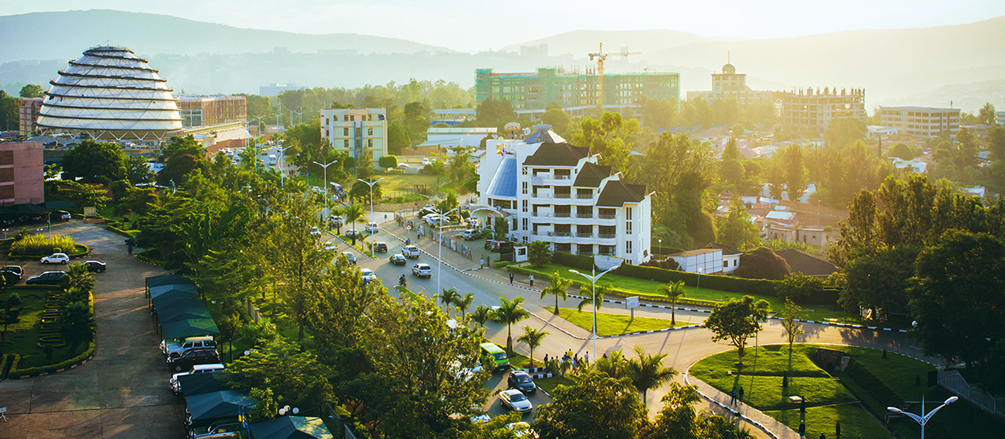
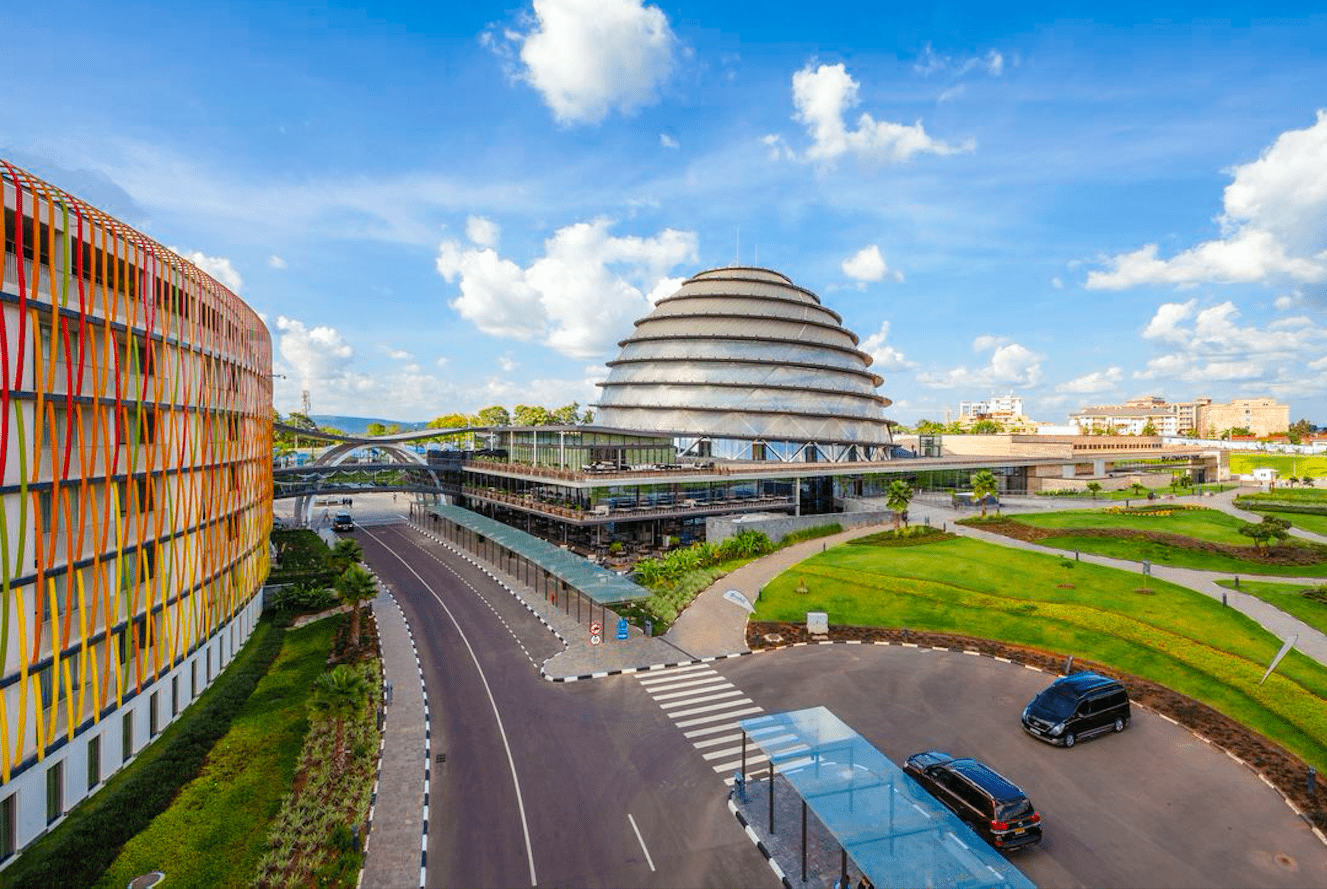
- Kigali Convention Centre: An architectural landmark with a distinctive dome, lit up at night in the colours of the Rwandan flag.
- Bel Vue Hotel: A hilltop hotel with a panoramic terrace, perfect for sunset drinks.
- Local craft markets: Caplaki Craft Village and Kimironko Market are the best places to buy souvenirs.
- Rwanda Cultural Village: A cultural centre that offers traditional dance, music, and food experiences.
Practical Tips for Your Kigali City Tour
Getting Around
Kigali is easy to navigate. The city is hilly, so walking between attractions can be tiring, but taxis and moto-taxis (motorcycle taxis) are readily available and affordable. Ride-hailing apps like YegoMoto and Move are popular and convenient. For a full-day tour, hiring a private driver-guide is the most comfortable option and allows you to cover more ground.
Best Time to Visit
Kigali is a year-round destination. The dry seasons (June–September and December–February) offer the most comfortable weather for walking and sightseeing. The rainy seasons (March–May and October–November) bring afternoon showers but also lush greenery and fewer crowds.
What to Wear
Dress comfortably and respectfully. Kigali is a modern city, but Rwandan culture is conservative. Avoid overly revealing clothing, especially when visiting memorials and cultural sites. Comfortable walking shoes are essential, as the city is hilly.
Money and Payments
The Rwandan franc (RWF) is the local currency. US dollars are widely accepted at hotels and larger businesses, but for markets and smaller shops, you’ll need francs. ATMs are widely available, and credit cards are accepted at most hotels and restaurants. Mobile money (MTN MoMo and Airtel Money) is also widely used.
Health and Safety
- Malaria: Kigali is in a malaria-risk area, so antimalarial medication is recommended. Consult your doctor before travel.
- Yellow fever: A yellow fever certificate is required for entry into Rwanda if arriving from a country with yellow fever transmission.
- Water: Drink bottled or purified water only.
- Safety: Kigali is generally very safe, but take standard precautions. Avoid walking alone at night, and keep valuables secure.
- Travel insurance: Comprehensive travel insurance covering medical evacuation is strongly recommended.
For the latest entry requirements, visit the Rwanda Directorate General of Immigration and Emigration.
Frequently Asked Questions
Is one day enough for a Kigali city tour?
One day is enough to see the highlights—the Genocide Memorial, Kimironko Market, an art gallery, and a good meal. If you have more time, you can add more museums and cultural experiences.
What is the best way to get around Kigali?
Taxis and moto-taxis are convenient and affordable. For a full-day tour, hiring a private driver-guide is the most comfortable option. Ride-hailing apps like YegoMoto and Move are also available.
Is Kigali safe for tourists?
Yes, Kigali is one of the safest cities in Africa. Violent crime is rare, and the city is clean and well-organised. Take standard precautions, especially at night.
What should I wear in Kigali?
Dress comfortably and respectfully. Avoid overly revealing clothing, especially at memorials and cultural sites. Comfortable walking shoes are essential.
Can I visit Kigali on a layover?
Yes. Kigali International Airport is close to the city centre (about 15–20 minutes), making it feasible to do a short city tour on a layover. However, allow plenty of time to return to the airport for your flight.
Start Planning Your Kigali City Tour
Every tour we create is tailored to your interests, budget, and travel dates. Whether you want a focused history tour, an art and culture immersion, or a relaxed day of food and shopping, we’ll design the perfect itinerary for you.
Contact us today to begin planning your unforgettable Kigali city tour.