The Nyungwe Forest canopy walk guide is one of Rwanda’s most thrilling and memorable experiences. Suspended 70 metres above the forest floor, this walkway offers a bird’s-eye view of one of Africa’s oldest rainforests—a perspective that few visitors ever forget. This guide explains everything you need to know before you go: what to expect, how to prepare, the best time to visit, and how to combine the canopy walk with other Nyungwe activities.
Whether you are a photographer, a nature lover, or simply someone seeking a unique adventure, the canopy walk is a highlight of any Rwanda safari. For those combining Nyungwe with other parks, see our 7-Day Uganda-Rwanda Primates Safari.
What is the Nyungwe Forest Canopy Walk guide?
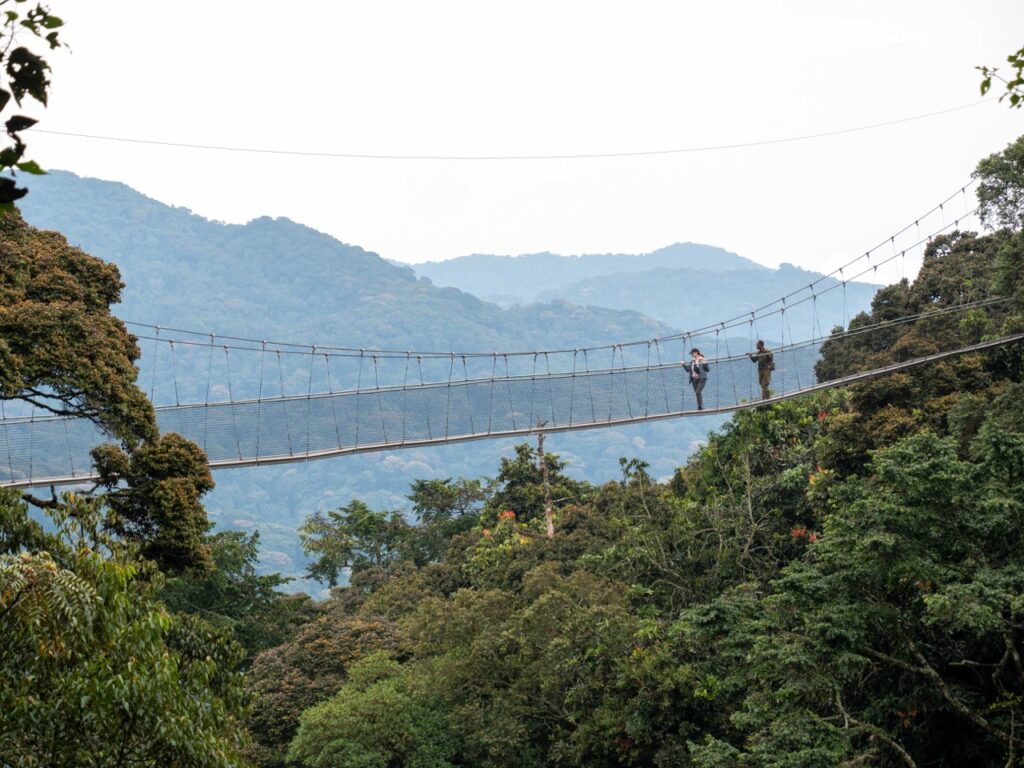
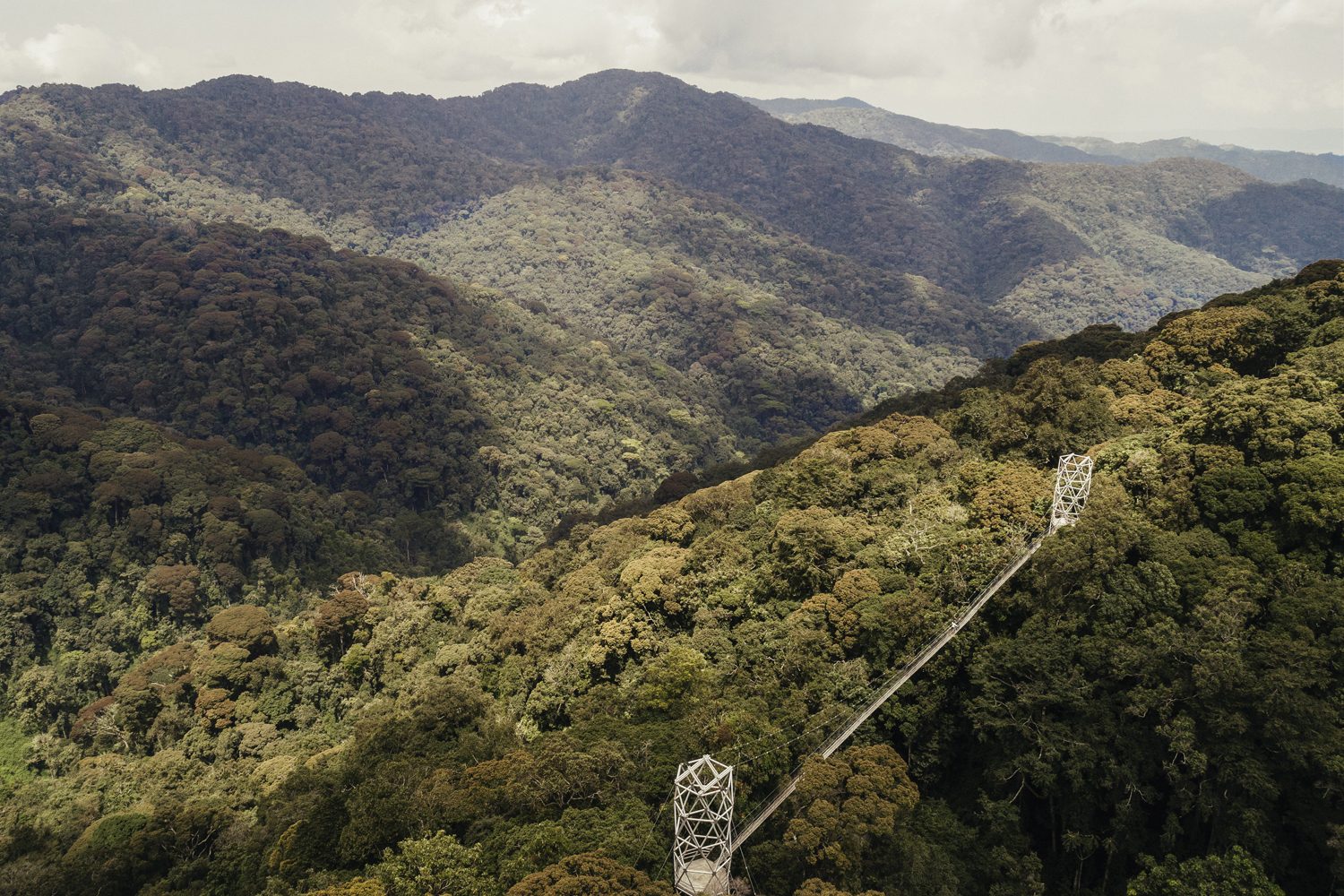
The Nyungwe canopy walkway is a suspended bridge constructed of metal and cable, stretching approximately 160 metres across a steep valley in the forest. It hangs 70 metres above the forest floor, offering panoramic views of the rainforest canopy and the surrounding mountains. The walkway is one of only a few of its kind in Africa, and it provides a completely different perspective on the forest compared to ground-level walks.
The walkway is divided into three sections, with platforms at each end and in the middle where you can pause to take photographs, catch your breath, and enjoy the view. The bridge is sturdy and safe, with high mesh sides, and it is maintained by the Rwanda Development Board (RDB) in partnership with conservation organisations.
Nyungwe Forest itself is one of Africa’s oldest rainforests, dating back to the Ice Age. It covers approximately 1,019 square kilometres and is part of the Albertine Rift, a biodiversity hotspot. The forest is home to 13 primate species, over 300 bird species, and an incredible variety of plants, insects, and amphibians. The Visit Rwanda website provides additional background on the park’s ecological importance.
The Experience: What to Expect on the Canopy Walk
The canopy walk begins with a guided hike from the Uwinka Visitor Centre, the main reception area in Nyungwe. The hike to the walkway takes approximately 30 to 60 minutes, depending on your pace. The trail is well-maintained but can be steep and muddy, especially after rain. Sturdy footwear is essential.
Along the way, your guide will point out interesting plants, birds, and signs of wildlife. Nyungwe is alive with sound—the calls of birds, the rustle of monkeys in the canopy, and the hum of insects. The forest is cool and often misty, adding to the atmosphere.
When you reach the walkway, you’ll be fitted with a safety harness and given a briefing. Then you step onto the bridge. The sensation of walking above the forest canopy is exhilarating. On a clear day, you can see across the valley to distant hills and, if you’re lucky, spot monkeys moving through the treetops below.
The walkway is suitable for most fitness levels, but it is not recommended for those with a severe fear of heights. The bridge does sway slightly as you walk, which is part of the experience but can be unnerving for some. Children are welcome, but they must be supervised at all times.
The entire canopy walk experience—including the hike to and from the walkway—takes approximately two to three hours. It’s best done in the morning when the forest is fresh and wildlife is more active.
What You’ll See from the Canopy Walk
The canopy walk offers a unique vantage point. Here’s what you can expect to see:
- Primates: Ruwenzori colobus monkeys are commonly seen in large troops, moving through the canopy. You may also spot blue monkeys, red-tailed monkeys, and grey-cheeked mangabeys. Chimpanzees are sometimes heard but rarely seen from the walkway.
- Birds: Nyungwe is a birdwatcher’s paradise. From the canopy, you may see turacos, sunbirds, and hornbills. The forest is also home to 27 Albertine Rift endemic species.
- Plants and flowers: The canopy is alive with orchids, epiphytes, and mosses. Your guide will explain how these plants survive in the high-humidity environment.
- Landscapes: On a clear day, the views stretch across the forest to the surrounding hills and, in the distance, the Virunga volcanoes. It’s a photographer’s dream.
- Butterflies and insects: Nyungwe is home to hundreds of butterfly species. Many can be seen fluttering around the canopy.
Wildlife sightings are never guaranteed, but the canopy walk itself is a rewarding experience regardless of what you see.
Best Time to Do the Nyungwe Canopy Walk
The canopy walk is open year-round, but the best time to visit depends on your preferences:
- June to September (Long Dry Season): The best conditions for the walk. Trails are drier, and the views are clearer. This is peak season, so book in advance.
- December to February (Short Dry Season): Good conditions with fewer crowds than June–September.
- March to May (Long Rainy Season): Lush scenery, excellent birdwatching, and lower lodge rates. However, trails can be muddy and slippery, and views may be obscured by mist.
- October to November (Short Rainy Season): Similar to March–May but shorter. A good time for birders.
For the most comfortable experience and the best views, aim for the dry seasons. If you’re primarily interested in birdwatching, the rainy seasons are actually ideal, as migratory species arrive and the forest is at its most vibrant.
How to Get to Nyungwe Forest
Nyungwe Forest is located in southwestern Rwanda, approximately 225 kilometres from Kigali. The drive takes about five to six hours, passing through beautiful scenery including tea plantations and the shores of Lake Kivu. The road is paved and in good condition.
Alternatively, you can fly from Kigali to Kamembe Airport near Cyangugu, which reduces travel time significantly. From Kamembe, it’s a short drive to the park. Domestic flights are operated by RwandAir.
Most visitors combine Nyungwe with a visit to Volcanoes National Park for gorilla trekking or with Lake Kivu for relaxation. Our 16-Day Rwanda and Uganda Gorilla Trekking & Big Five Safari includes Nyungwe as part of a comprehensive itinerary.
Combining the Canopy Walk with Other Nyungwe Activities
A visit to Nyungwe is best experienced over several days. The canopy walk is one highlight, but there’s much more to see and do. Here are some activities to combine with your canopy walk:
Chimpanzee Trekking
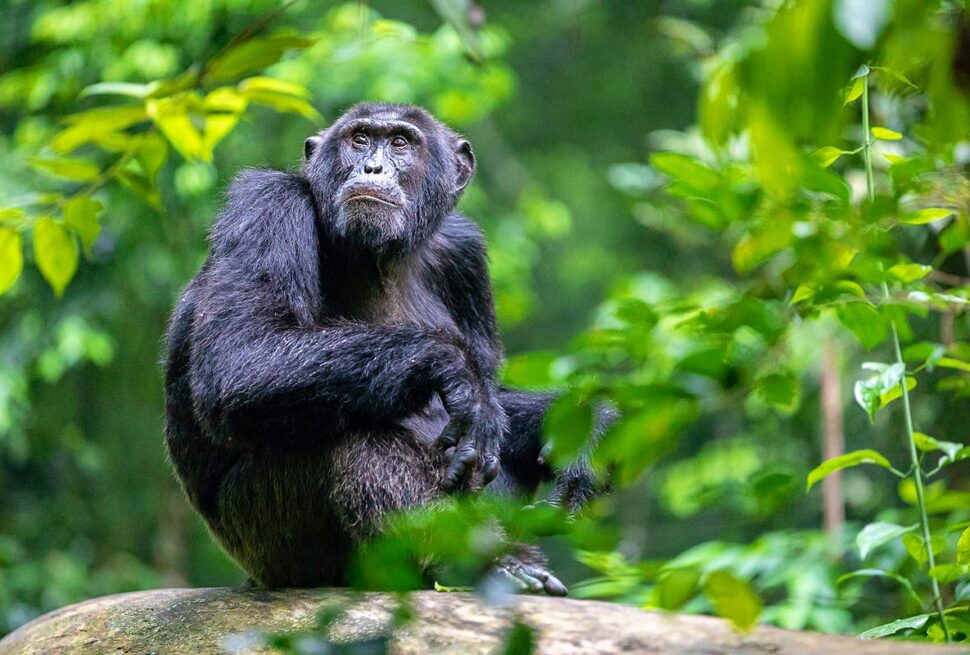
Nyungwe is home to a habituated chimpanzee community. Trekking to see them is a half-day activity that begins early in the morning. The hike can be challenging, but the reward—spending an hour with our closest living relatives—is unforgettable. For a detailed itinerary, see our guide to Nyungwe Forest chimpanzee trekking.
Colobus Monkey Trekking
Nyungwe is home to large troops of Ruwenzori colobus monkeys—up to 300 individuals. A guided trek to see them is a delightful addition to your itinerary. Unlike chimpanzees, colobus monkeys are often found in the canopy and can be observed from a distance.
Birdwatching
With over 300 species, including 27 Albertine Rift endemics, Nyungwe is one of Africa’s premier birding destinations. Guided birding walks are available and can be tailored to your level of experience. Early morning is the best time for birding.
Nature Walks and Hiking
Nyungwe has a network of trails for all fitness levels, from short nature walks to full-day hikes. The Igishigishigi Trail leads to the canopy walkway, while the Bigugu Trail climbs to the park’s highest peak. Guides are mandatory and will enrich your experience with knowledge of the forest’s flora and fauna.
Waterfall Hikes
The Isumo Waterfall Trail is a popular option, leading to a beautiful waterfall hidden in the forest. The trail is moderate and takes a few hours. It’s a great way to experience the forest’s rivers and streams.
Safety and Practical Tips for the Canopy Walk
- Wear sturdy shoes: The trail to the walkway can be muddy and slippery. Hiking boots or shoes with good grip are essential.
- Dress in layers: Nyungwe is cool and can be misty, especially in the morning. A waterproof jacket is a good idea.
- Bring a camera: The views from the canopy are spectacular. A camera with a zoom lens will help you capture wildlife in the treetops.
- Carry water and snacks: The hike takes a few hours, so stay hydrated and energized.
- Use a porter: Porters are available at the trailhead and can carry your bag for a small fee. They also provide valuable local employment.
- Follow your guide’s instructions: Guides are trained to keep you safe and to ensure you get the most from your experience.
- Respect wildlife: Keep a safe distance from animals and never feed them. Follow park rules at all times.
- Book in advance: The canopy walk is a popular activity, and slots can fill up during peak season. Book through your tour operator or the park headquarters.
Accessibility and Suitability
The canopy walk is suitable for most visitors, including older travellers and families with children. However, it may not be suitable for:
- People with a severe fear of heights
- Those with limited mobility (the trail to the walkway is uneven and can be steep)
- Very young children (supervision is essential, and the bridge may be challenging for toddlers)
If you have concerns about your ability to complete the walk, speak to your guide or tour operator in advance. They can advise on alternatives and help you make the most of your visit.
Health and Safety in Nyungwe
- Malaria: Nyungwe is in a malaria-risk area, so antimalarial medication is recommended. Consult your doctor before travel.
- Altitude: The forest is at high altitude (1,600–2,950 metres), so take it easy on the first day and stay hydrated.
- Yellow fever: A yellow fever certificate is required for entry into Rwanda if arriving from a country with yellow fever transmission.
- Travel insurance: Comprehensive travel insurance covering medical evacuation is strongly recommended.
- Weather: Nyungwe can be wet and cool. Bring waterproof clothing and be prepared for changing conditions.
For the latest entry requirements, visit the Rwanda Directorate General of Immigration and Emigration.
What to Pack for the Canopy Walk
- Clothing: Long-sleeved shirts, long trousers, a waterproof jacket, warm fleece for cool mornings, and sturdy hiking boots with good grip.
- Accessories: Sun hat, sunglasses, sunscreen, insect repellent, binoculars, camera with zoom lens, and a small daypack.
- Documents: Passport, visa, yellow fever certificate, travel insurance, and printed permits.
- Other: Reusable water bottle, energy snacks, power adapter (Type C and J), and a walking stick (available locally).
Most lodges offer laundry service, so you can pack light. Dress in layers, as temperatures can vary throughout the day.
Accommodation Near Nyungwe Forest
Nyungwe offers a range of accommodation options, from luxury lodges to mid-range hotels and campsites:
- Luxury: One&Only Nyungwe House, a former tea plantation lodge that offers luxurious rooms, a spa, and exceptional dining.
- Mid-range: Nyungwe Top View Hill Hotel, comfortable rooms with stunning views of the forest.
- Budget: Guesthouses and campsites near the park entrance.
Staying near the park allows you to start your activities early and make the most of your visit. Most lodges offer full-board rates that include meals.
Frequently Asked Questions
How long is the Nyungwe canopy walk?
The walkway itself is approximately 160 metres long, divided into three sections. The entire experience, including the hike to and from the walkway, takes about two to three hours.
Is the canopy walk safe?
Yes. The walkway is maintained to high safety standards, and visitors are fitted with safety harnesses. Guides are trained to ensure your safety at all times.
Can children do the canopy walk?
Yes, children can do the canopy walk, but they must be supervised at all times. The bridge may be challenging for very young children, so use your judgment.
Do I need to book the canopy walk in advance?
Yes, it’s recommended to book in advance, especially during peak season. Book through your tour operator or the park headquarters.
What is the best time of day for the canopy walk?
Morning is the best time. The forest is fresh, wildlife is more active, and the views are often clearer. Afternoon walks are also possible but may be mistier.
Start Planning Your Nyungwe Canopy Walk Adventure
Every safari we create is tailored to your interests, budget, and travel dates. Whether you want a short 2-day visit or a comprehensive 10-day Rwandan adventure, we’ll design the perfect itinerary for you.
Contact us today to begin planning your unforgettable Nyungwe Forest canopy walk experience.