A Kigali to Akagera National Park travel guide is essential for anyone planning a safari in Rwanda’s only savannah park. The journey from the capital to Akagera is straightforward, scenic, and surprisingly quick—making it one of the most accessible safari destinations in East Africa. This guide covers everything you need to know: transport options, the route, what to expect along the way, and how to combine your visit with other Rwandan attractions.
Akagera National Park is located in eastern Rwanda, about 110 kilometres from Kigali. The drive takes approximately two to two and a half hours on a paved road, making it feasible to visit even on a short trip. Whether you’re adding Akagera to a gorilla trekking itinerary or planning a dedicated safari, this guide will help you plan a smooth and enjoyable journey. For a combined Rwanda-Uganda adventure, see our 16-Day Rwanda and Uganda Gorilla Trekking & Big Five Safari.
Why Visit Akagera National Park?
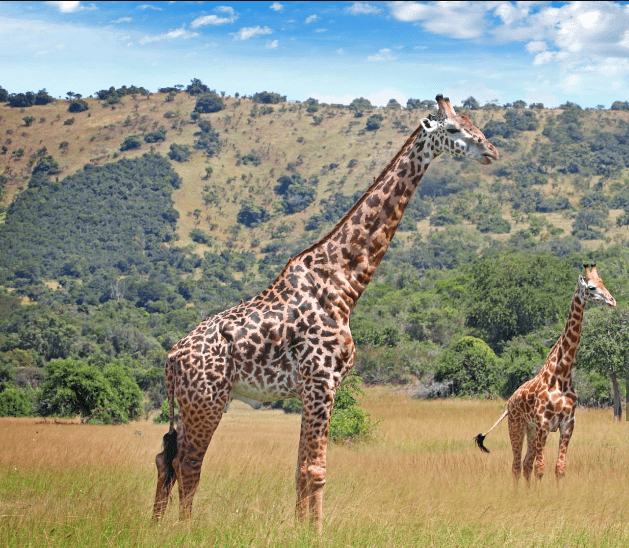
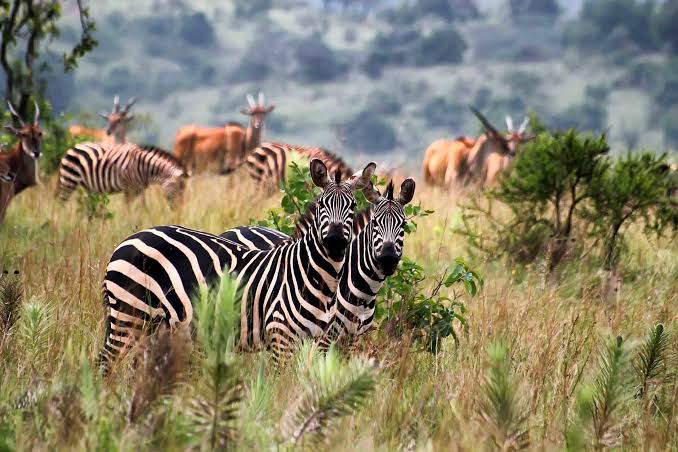
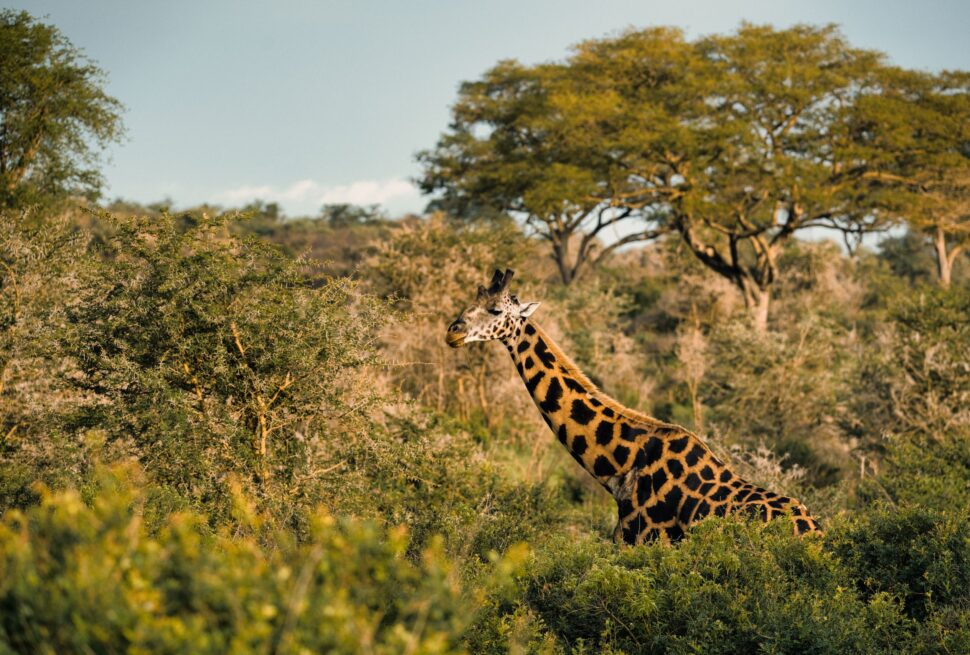
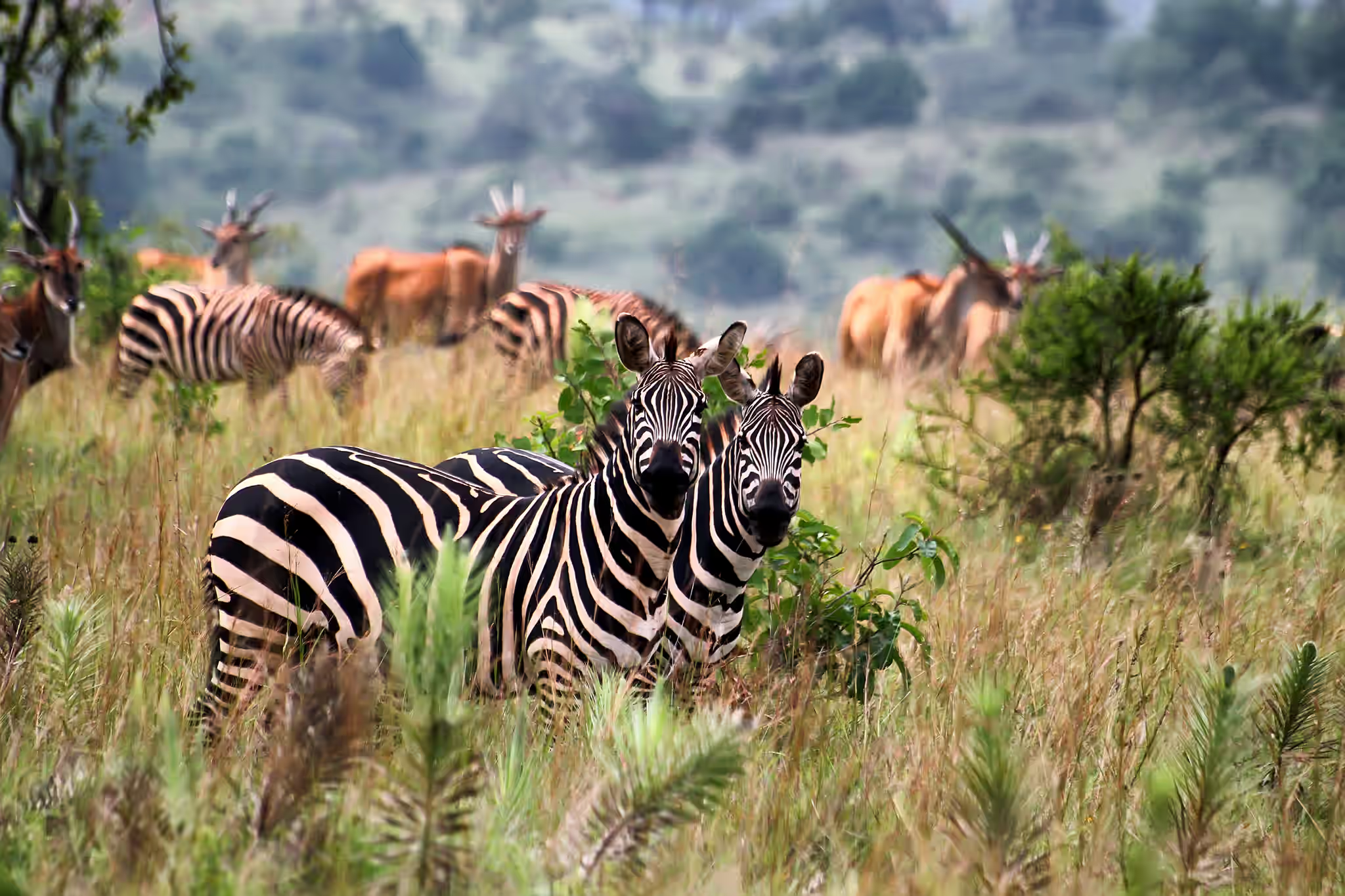
Akagera is a conservation success story. After being devastated by poaching in the 1990s, the park was revitalised through a partnership between the Rwanda Development Board (RDB) and African Parks. Lions were reintroduced in 2015, followed by rhinos in 2017. Today, Akagera is home to the Big Five—lion, leopard, elephant, buffalo, and rhino—as well as giraffes, zebras, hippos, crocodiles, and over 500 bird species.
Unlike many safari destinations, Akagera is rarely crowded. You can enjoy game drives without convoys of vehicles, and the park’s varied habitats—savannah, wetlands, and lakes—offer a diverse and rewarding experience. It’s also easily accessible from Kigali, making it perfect for a short safari or an add-on to a gorilla trekking trip.
The Route: Kigali to Akagera National Park travel guide
The drive from Kigali to Akagera follows a well-maintained paved road for most of the journey. Here’s what to expect:
- Departure from Kigali: Most safaris depart Kigali in the morning, between 7:00 and 9:00 AM. Your driver-guide will pick you up from your hotel or the airport.
- Route: The journey takes you east through Rwanda’s Eastern Province, passing through towns like Rwamagana and Kayonza. The landscape transitions from the rolling hills of Kigali to flatter, savannah-like terrain.
- Scenery: Along the way, you’ll see farmland, villages, and, in the distance, the wetlands and hills that border Akagera. The drive is scenic and comfortable.
- Arrival: You’ll arrive at the park’s southern entrance (the main gate) in about two to two and a half hours. From there, it’s a short drive to your lodge or the park headquarters.
The road is paved and in good condition, so the drive is smooth even in the rainy season. However, once inside the park, the roads are dirt tracks, so a 4×4 vehicle is essential for game drives.
Transport Options: Getting to Akagera
There are several ways to get from Kigali to Akagera, depending on your budget, preferences, and travel style:
1. Private Vehicle with Driver-Guide
This is the most popular and convenient option. A private 4×4 vehicle with a professional driver-guide will pick you up from your hotel in Kigali and transfer you to Akagera. The driver-guide stays with you throughout your safari, conducting game drives and sharing their knowledge of the park’s wildlife and ecosystems.
Benefits include flexibility, comfort, and the undivided attention of your guide. You can stop for photos along the way and tailor your itinerary to your interests. This option is ideal for couples, families, and small groups.
2. Self-Drive
If you’re comfortable driving in Rwanda, you can hire a 4×4 vehicle in Kigali and drive yourself to Akagera. The route is straightforward, and the road is paved until you enter the park. However, once inside the park, you’ll need a 4×4 to navigate the dirt tracks, and you’ll need to be confident in your navigation and wildlife-spotting skills.
Self-drive gives you maximum flexibility, but it also means you’re responsible for park fees, permits, and logistics. Many visitors prefer the ease of a guided safari.
3. Group Tour
Joining a group tour is a budget-friendly option that allows you to share transport and guide costs with other travellers. Group tours typically depart Kigali in the morning and return in the evening, or over multiple days. They follow a set itinerary, which may include game drives and a boat safari.
Group tours are a good way to meet other travellers and reduce costs. However, you’ll have less flexibility and may need to adapt to the group’s pace.
4. Domestic Flight
There are no scheduled domestic flights to Akagera. The park is easily accessible by road, and flying is not a practical option. However, if you’re combining Akagera with Nyungwe Forest, you can fly from Kigali to Kamembe and then drive to Nyungwe.
What to Expect on the Journey
The drive from Kigali to Akagera is part of the adventure. Here’s what you can expect:
- Scenic countryside: Rwanda is known as the “Land of a Thousand Hills,” and the drive east showcases its beautiful rolling landscapes. You’ll pass through villages, farmland, and wetlands.
- Local life: You’ll see Rwandans going about their daily lives—farmers tending crops, children walking to school, and traders selling goods by the roadside.
- Comfort stops: Most drivers will stop at a petrol station or café along the way for a bathroom break and refreshments.
- Wildlife sightings: As you approach the park, you may start seeing wildlife—birds, monkeys, and perhaps even antelope—before you’ve even entered the gate.
The journey is comfortable and not too long, making it suitable for travellers of all ages.
Best Time to Travel from Kigali to Akagera
Akagera is a year-round destination, but the best time for wildlife viewing is during the dry seasons:
- June to September (Long Dry Season): The best time for game drives. Vegetation is thinner, and animals congregate around water sources.
- December to February (Short Dry Season): Good conditions with fewer crowds than June–September.
- March to May (Long Rainy Season): Lush scenery, excellent birdwatching, and lower lodge rates. Some roads may be muddy, but the park remains accessible.
- October to November (Short Rainy Season): Similar to March–May but shorter.
The drive from Kigali to Akagera is on a paved road, so it’s comfortable year-round. However, if you’re planning game drives inside the park, the dry seasons offer the best experience.
What to Bring on Your Journey
Packing for a safari in Akagera requires a mix of comfort and practicality. Here’s a suggested list:
- Clothing: Neutral-coloured layers (greens, browns, khakis), long-sleeved shirts, long trousers, a warm fleece for early mornings, a hat, and comfortable walking shoes.
- Accessories: Sunscreen, insect repellent, binoculars, camera with zoom lens, and a small daypack.
- Documents: Passport, visa, travel insurance, and printed itinerary.
- Other: Reusable water bottle, power adapter (Type C and J), and snacks for the journey.
Most lodges offer laundry service, so you can pack light. Dress codes are casual, but smart-casual for dinner is appreciated.
Combining Akagera with Other Destinations
Akagera is easily combined with other Rwandan attractions. Here are some popular combinations:
Akagera and Volcanoes National Park
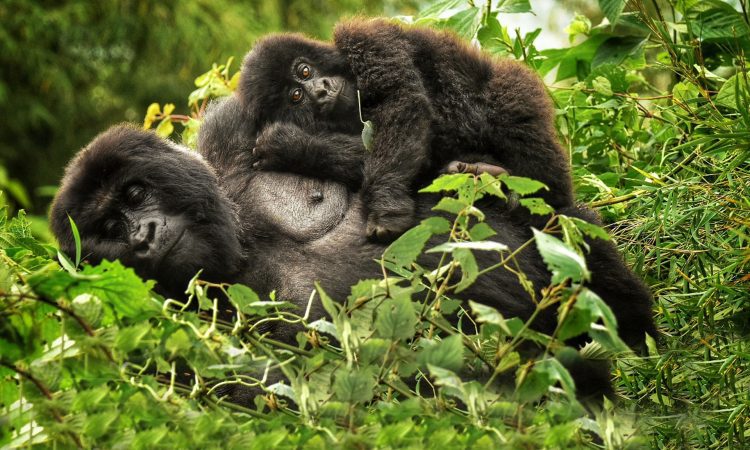
Combine savannah wildlife in Akagera with gorilla trekking in Volcanoes National Park. The drive between the two parks takes about four to five hours, passing through Kigali. This is a popular itinerary for visitors who want both primates and the Big Five.
Akagera and Nyungwe Forest
Combine Akagera’s savannah with Nyungwe’s rainforest. The drive from Akagera to Nyungwe takes about six to seven hours, so it’s best to break the journey with a night in Kigali or Lake Kivu. This combination offers the widest variety of wildlife and landscapes.
Akagera and Lake Kivu
After your safari, relax on the shores of Lake Kivu. The drive from Akagera to Lake Kivu takes about four to five hours. Lake Kivu offers beautiful scenery, boat trips, and lakeside dining—a perfect way to unwind after a safari.
Akagera and Kigali
Before or after your safari, spend a day exploring Kigali. Visit the Genocide Memorial, Kimironko Market, and the city’s art galleries and restaurants. It’s a great way to add cultural depth to your wildlife adventure. For a detailed itinerary, see our Kigali city tour itinerary for one day.
Accommodation in and Around Akagera
Akagera offers a range of accommodation options to suit different budgets and preferences:
- Luxury: Magashi Camp (exclusive, high-end tented camp in the north), Ruzizi Tented Lodge (luxury tents on the shores of Lake Ihema).
- Mid-range: Karenge Bush Camp (seasonal tented camp), Akagera Game Lodge (comfortable rooms with pool and restaurant).
- Budget: Campsites and basic guesthouses are available for self-drive travellers.
Staying inside the park allows you to maximise your safari time and enjoy the sounds of the bush at night. Lodges often offer additional activities like guided walks and cultural visits.
Practical Tips for Your Journey
- Start early: Leaving Kigali in the morning allows you to arrive at Akagera by mid-morning, maximising your time in the park.
- Bring snacks and water: The drive takes a couple of hours, so pack snacks and plenty of water.
- Use the restroom before you leave: There are limited facilities along the route, though most drivers stop at a petrol station.
- Charge your devices: Make sure your camera, phone, and other devices are fully charged before you leave Kigali.
- Carry cash: While US dollars are widely accepted at lodges, you’ll need Rwandan francs for small purchases and tips.
- Respect local customs: Dress modestly and ask before taking photos of people.
- Be patient: Wildlife sightings are never guaranteed, but patience usually pays off.
Health and Safety on the Journey
- Malaria: Akagera is in a malaria-risk area, so antimalarial medication is recommended. Consult your doctor.
- Yellow fever: A certificate is required if arriving from a country with yellow fever transmission.
- Sun protection: The sun can be strong, so wear sunscreen and a hat.
- Water: Drink bottled or purified water only.
- Wildlife: Always follow your guide’s instructions and keep a safe distance from animals.
- Travel insurance: Comprehensive travel insurance covering medical evacuation is strongly recommended.
For the latest entry requirements, visit the Rwanda Directorate General of Immigration and Emigration.
Frequently Asked Questions
How long does it take to drive from Kigali to Akagera?
The drive takes approximately two to two and a half hours on a paved road. The distance is about 110 kilometres.
Is the road to Akagera paved?
Yes, the road from Kigali to the park entrance is paved and in good condition. Inside the park, the roads are dirt tracks, so a 4×4 vehicle is essential.
Can I visit Akagera as a day trip from Kigali?
Yes, a day trip is possible, but it’s rushed. We recommend at least 2–3 days to fully experience the park. If you only have one day, start early and focus on a game drive and a boat safari.
What is the best way to get to Akagera?
The most convenient option is a private vehicle with a driver-guide. Group tours and self-drive are also options, depending on your budget and preferences.
Can I combine Akagera with gorilla trekking?
Yes. Many visitors combine Akagera with gorilla trekking in Volcanoes National Park. The drive between the two parks takes about four to five hours. Our 16-Day Rwanda and Uganda Gorilla Trekking & Big Five Safari includes both.
Start Planning Your Akagera Safari
Every safari we create is tailored to your interests, budget, and travel dates. Whether you want a short 2-day escape or a comprehensive 5-day adventure, we’ll design the perfect itinerary for you.
Contact us today to begin planning your unforgettable Akagera National Park safari.