Quick answer: June and July are part of Uganda’s long dry season, making AFCON 2027 well timed for both football and safaris. Kampala match days will be warm (24–28°C) with lower rainfall, though short showers are still possible. Bwindi and Mgahinga are cooler at altitude (14–20°C) with misty mornings and occasional forest showers even during the driest months. Savannah parks like Murchison Falls and Queen Elizabeth are at their best for game viewing as vegetation thins and animals gather near water sources.
- Season
- Long dry season (roughly June to early September)
- Kampala daytime
- 24–28°C, moderate humidity, some cloud
- Kampala evenings
- 17–20°C, comfortable
- Bwindi forest
- 14–20°C, cool mornings, misty, occasional showers
- Savannah parks
- Hot middays (28–33°C), shorter grass, excellent wildlife visibility
- What to pack
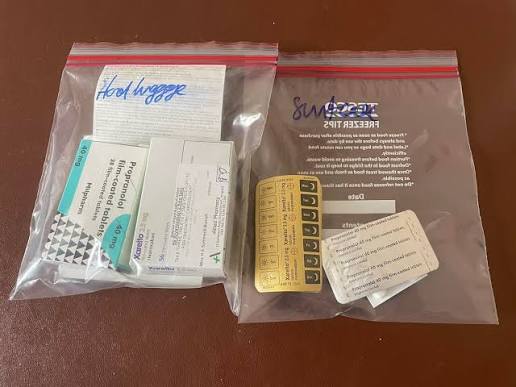
- Light clothes for the city, warm layer and rain jacket for the forest
Weather affects both halves of an AFCON 2027 trip: the stadium experience in Kampala, Hoima or other host cities, and any safari or gorilla trekking days you add around your matches. Uganda sits on the equator, but altitude matters more than latitude here. Kampala sits at around 1,190 metres above sea level, while parts of Bwindi Impenetrable National Park rise above 2,300 metres. The differences in temperature, rainfall and humidity across the country are significant, and understanding them helps you pack correctly and plan your activities.
Uganda’s seasons explained
Uganda has two rainy seasons and two dry seasons each year:
- Short dry season: December to February
- Long rainy season: March to May (the wettest months)
- Long dry season: June to August/September
- Short rainy season: October to November
AFCON 2027 runs from 19 June to 17 July, placing it squarely in the long dry season. This is one of the most popular periods for safaris and gorilla trekking because trails are firmer, roads are more reliable and savannah wildlife is easier to spot.
However, “dry season” in a country that spans the equator does not mean zero rain. Uganda receives some rainfall in every month of the year. In June and July, rain is less frequent and less intense than in the March–May peak, but scattered showers — particularly in the afternoon — are completely normal.
Kampala weather for AFCON match days
Kampala has a mild, pleasant climate for an equatorial city thanks to its altitude and the moderating influence of nearby Lake Victoria.
June weather in Kampala
- Average high: 26–27°C
- Average low: 17–18°C
- Rainfall: About 60–80 mm across the month (compared to 130–175 mm in April)
- Sunshine: Mornings are often sunny, with cloud building through the afternoon
July weather in Kampala
- Average high: 25–27°C
- Average low: 17°C
- Rainfall: About 50–70 mm — one of the driest months
- Sunshine: Generally the driest conditions of the year
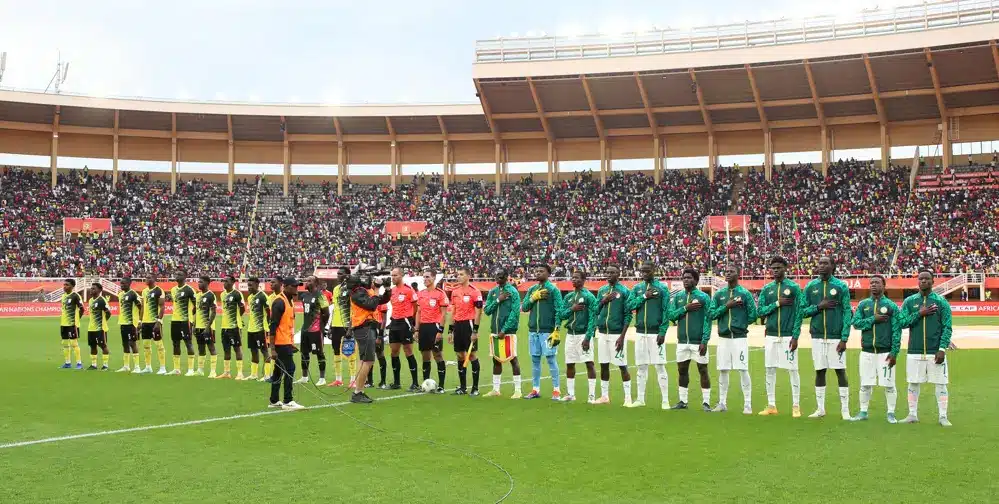
For daytime AFCON matches at Mandela National Stadium or Namboole, expect warm sunshine. Bring sunscreen (SPF 30+), a hat, sunglasses and plenty of water. For evening kick-offs, carry a light jacket or hoodie — temperatures drop comfortably once the sun sets. Heavy downpours during matches are unlikely but not impossible, so a packable rain jacket in your bag is sensible insurance.
Hoima and western Uganda
Hoima is one of the AFCON 2027 host cities, sitting at about 1,100 metres in the Albertine Rift region of western Uganda. In June and July, Hoima is similar to Kampala but can feel slightly warmer during the day (27–30°C) due to its lower altitude and proximity to the Rift Valley floor.
If you combine a Hoima match with a safari at nearby Murchison Falls National Park (about 3 hours by road), expect hot midday conditions on the savannah (30–33°C) and cooler mornings and evenings ideal for game drives. The Nile River area near the falls can be humid.
Bwindi and Mgahinga weather for gorilla trekking
The gorilla parks are in southwestern Uganda at significantly higher altitudes than Kampala. This means they are cooler, wetter and more unpredictable.
Bwindi Impenetrable National Park
- Altitude: 1,160–2,607 metres (most trekking starts around 1,500–2,000 m)
- June–July temperatures: 14–20°C during the day inside the forest, dropping to 10–14°C at night
- Rainfall: Lower than in the rainy seasons, but the forest generates its own moisture. Mist and drizzle are common in the mornings, and a short heavy shower can arrive by early afternoon
- Trail conditions: Firmer and less muddy than in March–May, but never completely dry. Waterproof boots remain essential
Mgahinga Gorilla National Park
- Altitude: 2,227–4,127 metres (the Virunga Volcanoes)
- June–July temperatures: Similar to Bwindi at trekking altitudes, but higher slopes are colder (down to 5°C)
- Conditions: Open bamboo zones with good visibility on clear mornings. Cloud and mist can roll in rapidly
For your gorilla trek packing, see our complete AFCON 2027 and gorilla trekking packing list.
Savannah parks: why June–July is excellent for game viewing
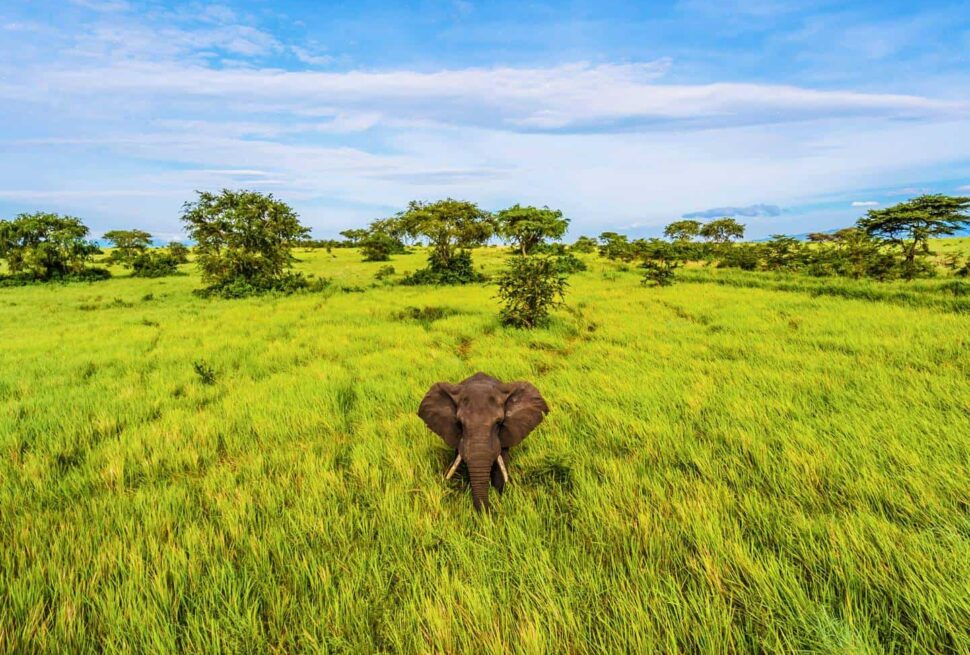
The dry season transforms Uganda’s savannah parks. As water sources shrink and grass dries back, wildlife concentrates around rivers, lakes and remaining waterholes. This makes animals much easier to spot from a vehicle.
Murchison Falls National Park
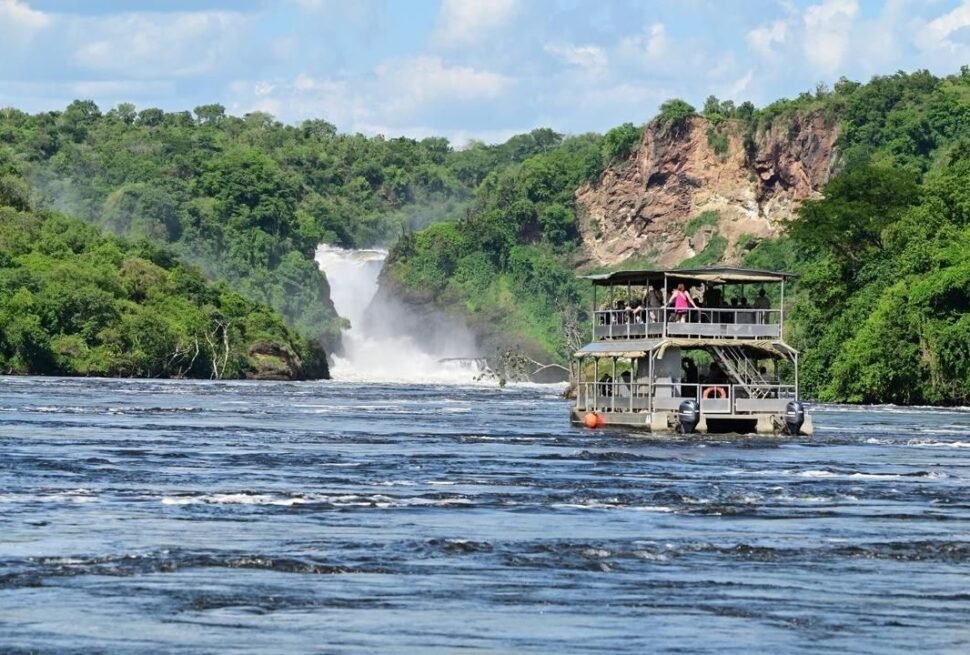
Uganda’s largest park benefits greatly from dry season conditions. The Nile River becomes the main water source, drawing elephants, buffaloes, giraffes, lions and hippos to the riverbanks. The famous Nile boat cruise to the base of the falls is at its most scenic when the river is lower and the falls more dramatic. Game drives on the Buligi Peninsula produce excellent sightings. If you are watching matches in Hoima, Murchison is the closest major safari park.
Queen Elizabeth National Park
The Kazinga Channel boat cruise offers close views of hippos, elephants and buffalo herds drinking along the shore. The Ishasha sector’s tree-climbing lions are easier to find when the undergrowth is thinner. June and July are excellent months for this park. It sits on the route between Kampala and Bwindi, so many AFCON fans combine it with gorilla trekking.
Lake Mburo National Park
The closest savannah park to Kampala, and a practical overnight stop between matches and Bwindi. In the dry season, zebras, impalas and elands gather around the lake shore. See our Lake Mburo safari guide for AFCON 2027.
Kibale Forest for chimpanzee trekking
Kibale National Park, home to about 1,500 chimpanzees, sits at a lower altitude than Bwindi (about 1,100–1,500 m) and is warmer. In June and July, expect daytime temperatures of 20–25°C inside the forest. Rain is less frequent than in the wet months but still possible. The firm trails make chimpanzee tracking easier and more comfortable.
Weather in Kenya and Tanzania during AFCON 2027
AFCON 2027 is co-hosted across three countries, and weather varies significantly:
Kenya (Nairobi and the Masai Mara)
Nairobi in June and July can feel surprisingly cold, especially mornings and evenings (11–20°C). Bring a warm jacket for night matches. The Masai Mara is dry and cool, with the Great Migration herds arriving from the Serengeti from around late June — possibly the world’s greatest wildlife spectacle and an incredible addition to an AFCON trip.
Tanzania (Dar es Salaam and Arusha)
Dar es Salaam is warm and coastal (25–30°C) with low humidity in June–July. Arusha, near Kilimanjaro, is cooler at altitude (15–24°C). The Serengeti is in peak dry season and excellent for game viewing.
Road conditions during the dry season
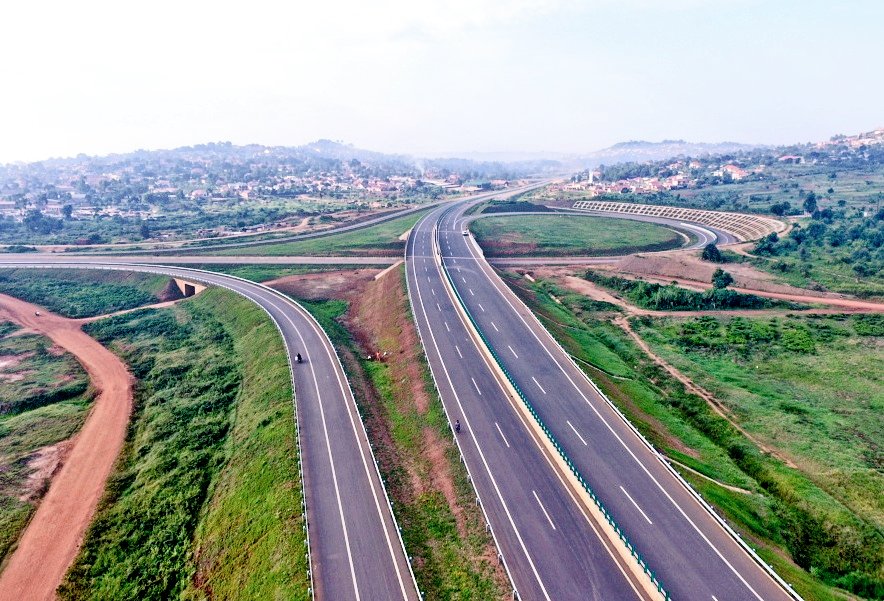
Dry season road conditions are significantly better than during the rains. The main highways between Kampala, Mbarara, Kabale and Fort Portal are tarmacked and in good condition year-round. The unpaved roads leading into national parks (the last 20–60 km) are firmer and less rutted in June–July than during the wet season, making journey times more predictable.
However, western Uganda’s dirt roads can still deteriorate quickly after a heavy shower. A 4×4 vehicle is always recommended for safari and gorilla trekking routes. Our private safari with driver-guide page explains how private transfers work.
Does weather affect gorilla permits?
No. Gorilla treks go ahead in rain or sunshine. UWA does not cancel or postpone treks because of weather, and permits are not refunded if it rains during your trek. This is another reason the dry season is popular — while rain is still possible, conditions are generally more comfortable, trails are firmer and visibility is better. Permits for June and July sell out quickly, so book early. See gorilla permits during AFCON 2027.
Frequently asked questions
Will it rain during AFCON 2027 in Uganda?
June and July are dry season months, so heavy, sustained rain is unlikely. Short afternoon showers can still happen, especially in the highland areas and around Lake Victoria. Always carry a packable rain jacket.
Is it hot in Kampala in June?
Warm rather than very hot — typically 24–28°C during the day. Kampala’s altitude keeps it cooler than many equatorial cities. Evenings are mild and pleasant, around 17–18°C.
Is June or July better for gorilla trekking?
Both are excellent dry season months with similar conditions. July tends to be slightly drier than June. The more important factor during AFCON is permit availability, not weather — book whichever month has permits available for your match schedule.
What should I wear to a gorilla trek in June?
Long trousers, long sleeves, a warm layer for the morning and a rain jacket. Waterproof boots are essential. See our full packing list.
Will the dry season affect water-based activities?
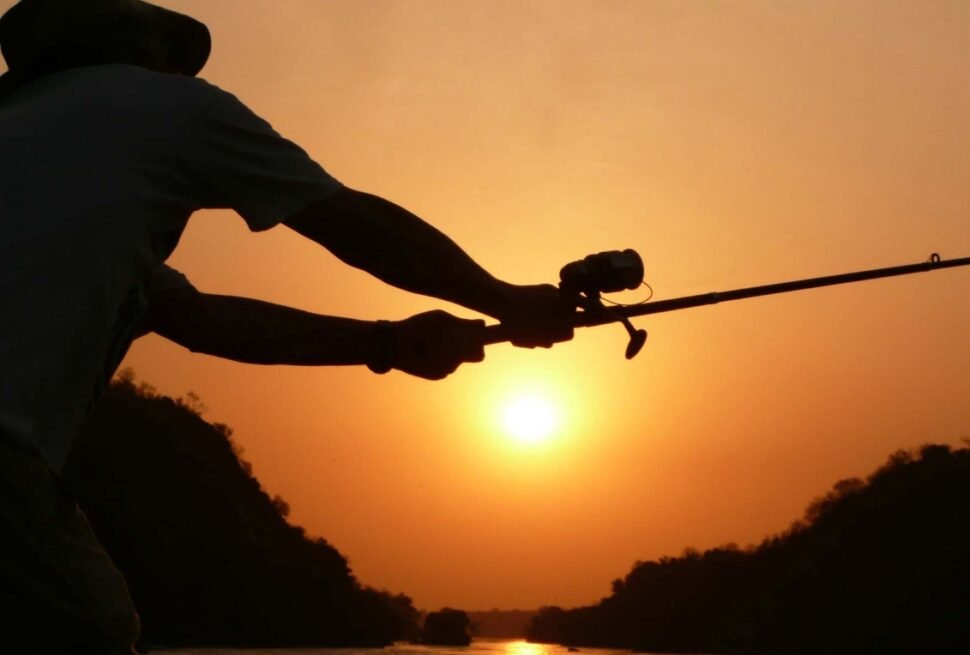
River levels are generally lower in the dry season, which actually enhances experiences like the Murchison Falls boat cruise (the falls are more dramatic with exposed rock) and fishing at Murchison (fish concentrate in deeper pools). Lake Victoria and the Kazinga Channel remain navigable year-round.
Planning your AFCON trip around the weather? We can help you choose the best parks and dates for your match schedule.