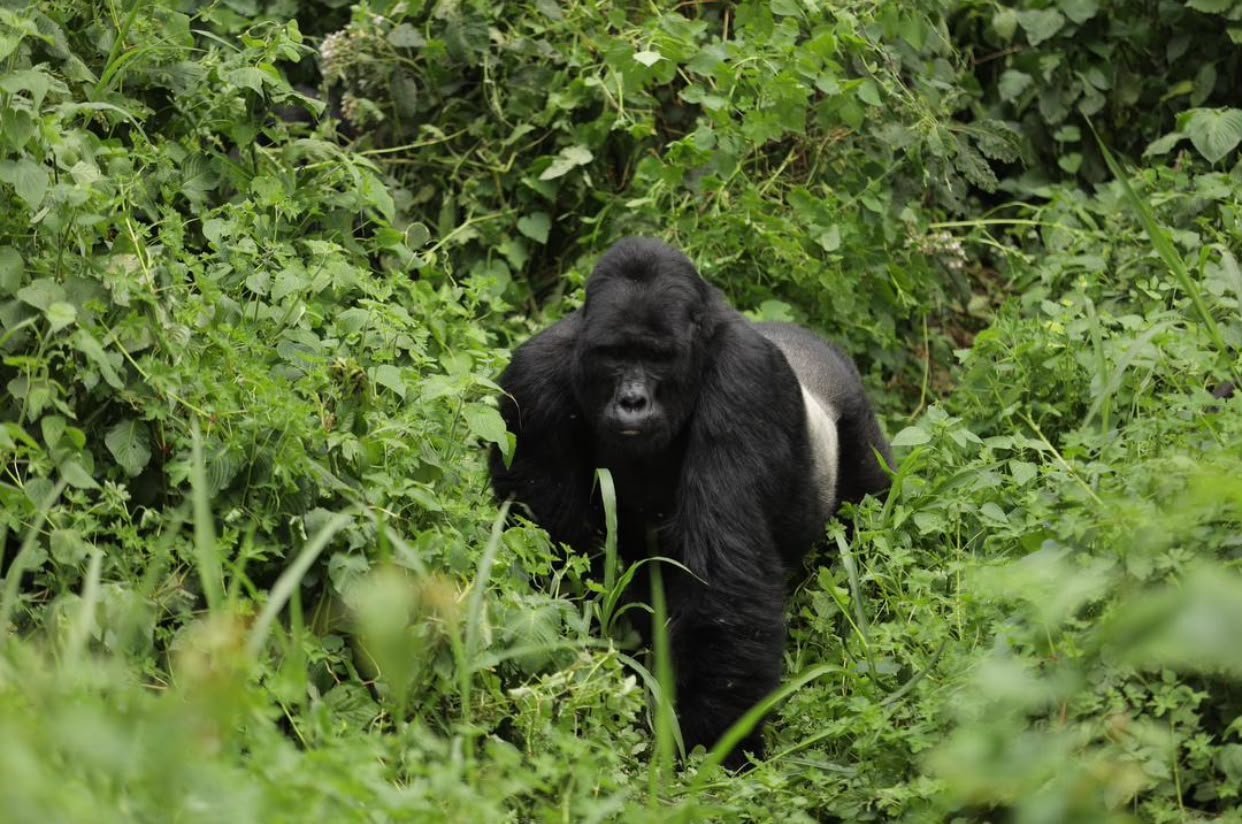
Quick answer: For AFCON 2027 plus gorilla trekking, pack for two very different settings: warm, busy stadiums in Kampala or Hoima and a cool, muddy rainforest in Bwindi or Volcanoes National Park. The essentials for the trek are waterproof hiking boots, a rain jacket, long trousers, long sleeves, gardening gloves and a small daypack. For match days, bring light breathable clothes, sun protection, your ID and a plan for keeping valuables safe in crowds.
- Trek essentials
- Waterproof boots, rain jacket, gloves, long sleeves, long trousers
- Match day essentials
- ID or passport, ticket, sun protection, light layers
- Forest colours
- Neutral greens, browns, khaki and olive
- Climate in June–July
- Dry season, but forest showers and cool mornings still common
- Luggage tip
- Small domestic planes have strict 15 kg soft-bag limits
An AFCON 2027 trip with a gorilla trek means packing for stadium crowds in a tropical city and for steep, wet forest at altitude. Getting it right makes both experiences more comfortable and prevents you from buying last-minute gear at inflated prices in Kampala. This comprehensive list covers what you genuinely need without overloading your bag, organised by activity.
Gorilla trekking clothing
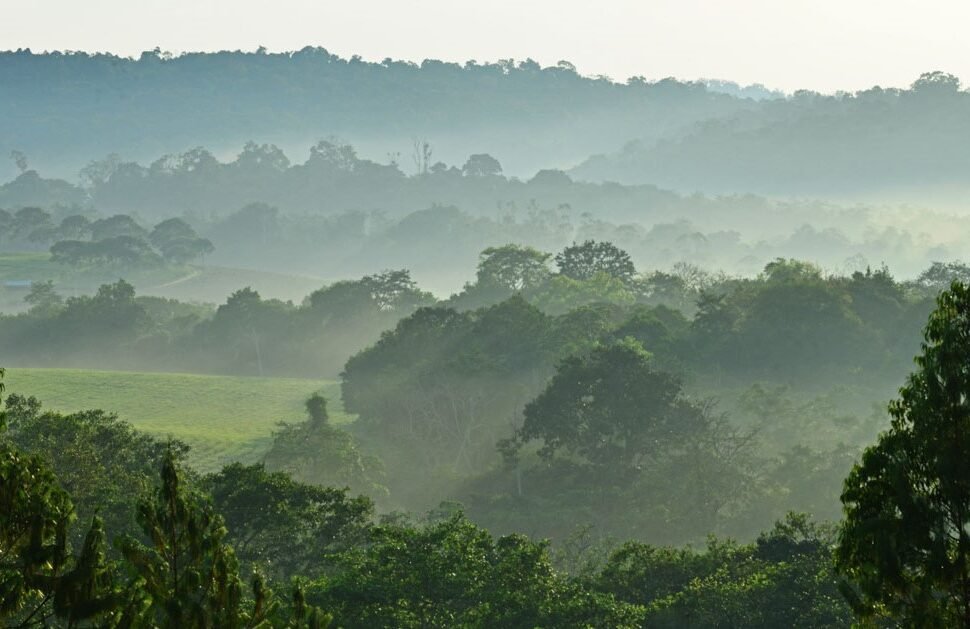
Gorilla trekking takes you into dense equatorial rainforest at elevations of 1,500–2,300 metres. Even in Uganda’s dry season (June–July), the forest floor stays damp and morning mist is normal. Your clothing needs to protect you from thorns, nettles, biting ants and occasional rain while allowing you to move freely on steep terrain.
- Waterproof hiking boots: The single most important item. Boots should be waterproof, ankle-high, well broken in and have aggressive tread for muddy slopes. Trail runners and trainers are not suitable. Read our detailed guide to the best boots for gorilla trekking in Bwindi.
- Long trousers: Tough, quick-drying hiking trousers. Avoid jeans — they absorb water, dry slowly and become heavy. Zip-off trousers work well if you want the option of shorts back at the lodge.
- Long-sleeved shirt: A breathable, moisture-wicking long-sleeved shirt protects your arms from nettles and thorns. Cotton works but dries slowly.
- Rain jacket: A lightweight, packable waterproof jacket is essential even in the dry season. Afternoon showers can appear with very little warning inside the forest canopy.
- Warm layer: A fleece or light insulating layer for early mornings and evenings at the lodge, where temperatures can drop to 10–14°C.
- Gardening gloves: Thick gardening-style gloves let you grab vines, branches and vegetation to steady yourself on steep slopes without cutting your hands. This is a widely recommended item by UWA rangers.
- Gaiters or tall socks: Gaiters prevent safari ants from climbing up your legs. If you do not have gaiters, tuck your trousers into tall, thick socks.
- Hat: A wide-brimmed hat or cap with a brim keeps rain and sweat out of your eyes.
What colours to wear in the forest
Wear muted, neutral colours in the forest: olive, khaki, brown, dark green and grey. These blend with the environment and do not alarm the gorillas. Avoid bright reds, whites and fluorescent colours. Dark blue and black should be avoided on savannah game drives because they can attract tsetse flies, but in the forest they are acceptable.
Save your national team jersey for match day — it is too bright for the forest. Our safari clothing colour guide explains the reasoning in full.
Gorilla trekking gear and accessories
- Small daypack (20–30 litres): Carry your water, snacks, rain jacket and camera. Choose one with a rain cover or line it with a waterproof bag.
- Water: Bring at least 2 litres. There is no water available in the forest. A hydration bladder with a drinking tube keeps your hands free.
- Energy snacks: Granola bars, dried fruit, nuts or biscuits. You may be in the forest for 4–8 hours on a long trek.
- Walking stick: Available for free or a small fee at the trailhead. Highly recommended for balance on steep slopes.
- Face mask: UWA may require you to wear a face mask within 7 metres of the gorillas to reduce disease transmission risk. Bring a few disposable masks.
- Insect repellent: Apply before entering the forest, especially to exposed skin around the neck and wrists. DEET-based repellent works best against forest insects.
Photography gear for gorilla trekking
The forest canopy blocks most direct sunlight, so you need fast lenses and high ISO capability. Flash photography is strictly prohibited around the gorillas.
- Camera body: A camera with strong high-ISO performance (ISO 3200–6400+). Full-frame sensors have an advantage in low light.
- Lens: A fast 70–200mm f/2.8 is the workhorse lens for gorilla photography. A 24–70mm f/2.8 is useful for wider scenes and group shots. See our full camera lens guide for gorilla photography.
- Extra batteries: Cold and humidity drain batteries faster. Bring at least two fully charged spares.
- Memory cards: Multiple high-capacity, fast SD cards. A 4-hour habituation experience can produce thousands of frames.
- Rain protection: A waterproof camera bag or rain sleeve to protect your equipment from forest moisture.
- Smartphone: Useful as a backup camera and for quick social media posts, but not a replacement for a proper camera in the dark forest.
AFCON match day packing list
Match days in Kampala and Hoima during June–July mean warm daytime temperatures (24–28°C) with cooler evenings (around 17–20°C). Here is what to bring:
- Match ticket and valid ID: Your passport or a certified copy. Digital tickets require a charged phone.
- National team shirt or colours: This is the time to wear it proudly.
- Sunscreen (SPF 30+): Kampala is on the equator. UV intensity is strong even on cloudy days.
- Sunglasses and hat or cap: Especially for afternoon matches in open stadiums.
- Light layer or hoodie: For evening kick-offs when temperatures drop.
- Small cross-body bag: Keep phone, wallet and passport close to your body in large crowds. Avoid backpacks in the tightest spots.
- Uganda shillings in cash: Street food vendors and boda-boda drivers often do not accept cards. See how much cash to bring to Uganda per day.
- Power bank: Fully charged. You will use your phone heavily for maps, tickets and photos on match day.
- Water bottle: Stay hydrated, especially at afternoon fixtures.
Health and medical items
Pack these for the full trip, whether you are trekking, watching football or both:
- Malaria prophylaxis: Uganda is a malaria zone. Consult your doctor about Malarone, doxycycline or another antimalarial well before travel.
- Yellow fever vaccination certificate: Required for entry into Uganda. You may be asked to show it at the airport.
- Personal medications: In original packaging with a doctor’s note if the medication is controlled. See our guide on bringing prescription medication through Uganda customs.
- First aid kit: Plasters, antiseptic wipes, painkillers, anti-diarrhoea tablets and rehydration sachets.
- Insect repellent: DEET 30–50% for exposed skin.
- Hand sanitiser: Useful throughout the trip, especially at markets and street food stalls.
- Sunscreen: SPF 30 or higher. The equatorial sun is much stronger than most visitors expect.
Electronics and documents
- Passport: Valid for at least six months beyond your entry date, with at least two blank pages.
- Uganda visa: Apply online through the Uganda e-visa portal before arrival. Print the approval letter.
- Travel insurance documents: Including medical evacuation coverage, which is strongly recommended for gorilla trekking areas.
- Universal power adaptor: Uganda uses Type G (British 3-pin) sockets. Bring a multi-country adaptor.
- Power bank (10,000+ mAh): Essential for match days and safari drives when charging opportunities are limited.
- Headlamp or torch: Useful at forest lodges where paths may not be well lit after dark.
Luggage tips for domestic flights
If you fly to Bwindi (via Kihihi or Kisoro airstrip) or to the Masai Mara in Kenya, small charter aircraft have strict weight limits:
- Weight limit: Typically 15 kg per person including hand luggage.
- Bag type: Soft-sided duffel bags or backpacks only. Hard-shell suitcases usually cannot be loaded.
- Strategy: Leave extra luggage at your Kampala hotel. Most hotels store bags securely for free. Pack only what you need for 2–4 days.
What NOT to pack
- Plastic bags: Single-use plastic bags are banned in Uganda and Rwanda. Bring reusable bags.
- Camouflage clothing: Military-style camouflage is illegal to wear in several East African countries.
- Drones: Flying drones in national parks is prohibited without a special permit, which is rarely granted for tourism.
- Perfume or strong-scented products: These can attract insects and may disturb the gorillas.
Frequently asked questions
Do I need special boots for gorilla trekking?
Not specialist mountaineering boots, but they should be waterproof, broken in before your trip and have strong ankle support with aggressive tread. Cheap boots bought at the last minute in Kampala may not hold up on Bwindi’s steep, muddy trails.
Can I hire porters to carry my bag?
Yes. Porters are available at every Bwindi trailhead for about US$15–20 per trek. They carry your daypack and help you on difficult sections. Hiring a porter directly supports the local community and is strongly recommended, especially for the habituation experience.
Is it cold in Bwindi in June and July?
Mornings and evenings can be surprisingly cool at altitude — around 10–14°C. During the day inside the forest, temperatures sit around 15–20°C but humidity is high. Bring a warm fleece layer for the lodge and early morning briefings.
Can I wear sandals on a gorilla trek?
No. Open footwear is unsafe on the steep, slippery trails and offers no protection against nettles, thorns and biting ants. Proper waterproof hiking boots are the minimum.
Should I bring binoculars?
Binoculars are more useful on savannah game drives than during a gorilla trek, where encounters happen at close range (often 3–7 metres). If you plan to visit Queen Elizabeth or Murchison Falls as well, pack a compact pair.
Need help planning your AFCON and gorilla trip? Our team can advise on everything from permits to packing, routes and lodges.
Chat with us on WhatsApp Read the full AFCON 2027 gorilla guide