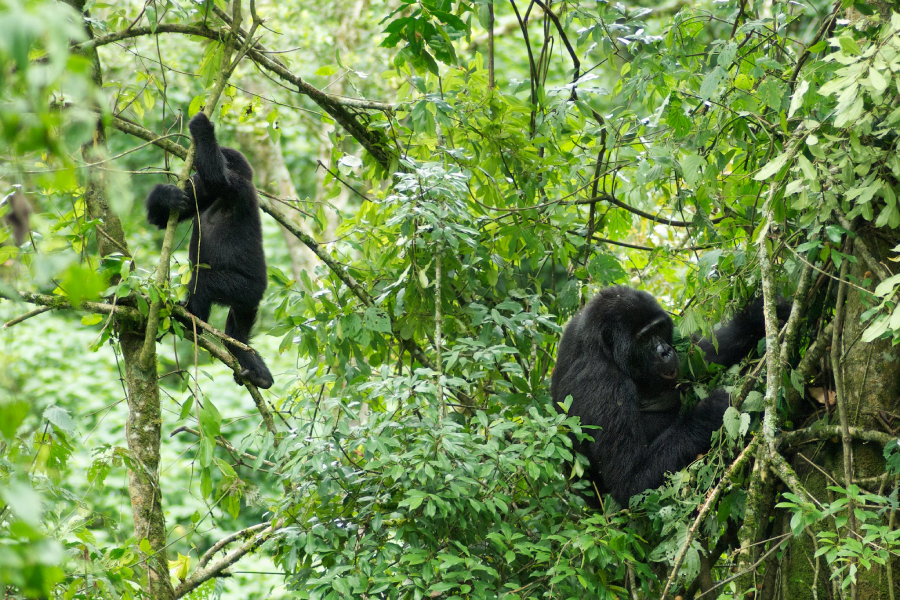
Short answer: Nkuringo sector gorilla trekking difficulty is the highest of Bwindi’s four sectors. Treks start from the sector’s ridge above the Nteko valley, drop steeply into the forest, and climb back out at the end of the day. Altitude, gradient and the return ascent combine into a genuinely demanding hike — the same one hour with the gorillas, but a harder day getting to and from them. It suits fit, regular hikers. It does not suit travellers who find a long walk tiring.
Every Bwindi sector gives you the same one hour with the same habituated mountain gorillas under the same Uganda Wildlife Authority rules. What differs is everything around that hour: the altitude, the approach, the vegetation, and above all the terrain. Nkuringo is the sector where that difference is largest, and it is the reason the sector has a reputation for being difficult.
That reputation is earned, but it is also frequently misstated. Nkuringo is not technical, it is not dangerous, and it is not impossible for most reasonably healthy adults. It is steep. It is long. It is at altitude. And the return climb at the end of the day is where most trekkers feel it, not the walk in. This guide explains what a Nkuringo trek actually involves, so you can make an honest decision about whether it is right for you. If you are still comparing sectors, start with the Uganda gorilla trekking hub for the wider picture. Permit fees, categories and low-season tariffs are kept current on the gorilla permits Uganda page.
Nkuringo sector at a glance
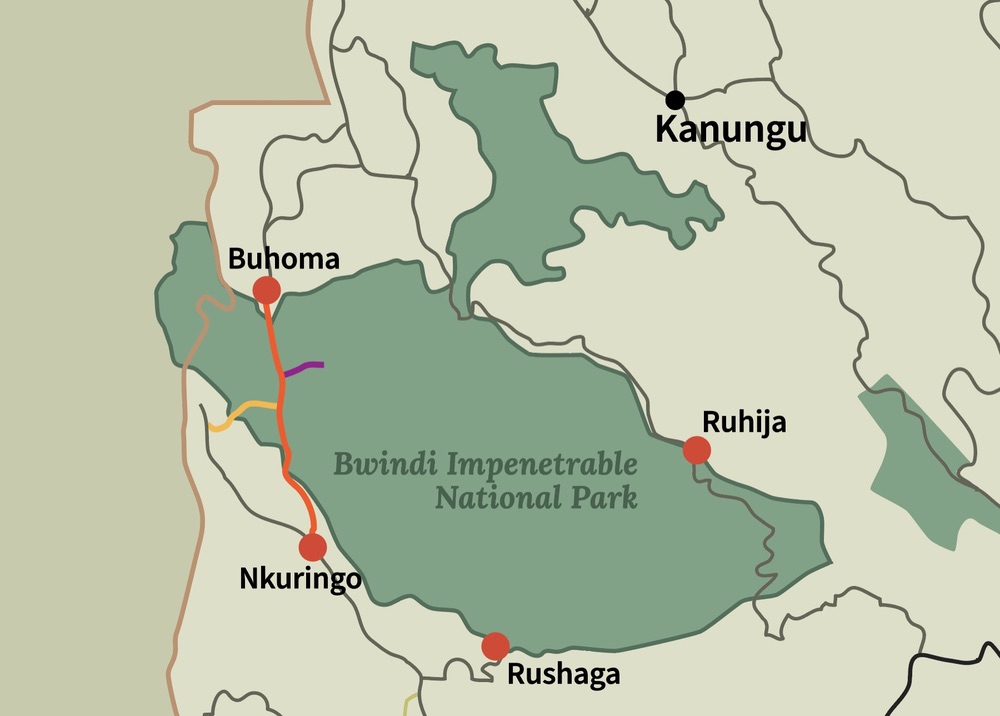
- Park: Bwindi Impenetrable National Park, southern sector
- Issuing authority: Uganda Wildlife Authority (UWA)
- Setting: Ridge above the Nteko valley, with steep descents into the forest
- Gorilla families: Multiple habituated groups within the sector’s allocation
- Terrain: The most physically demanding of Bwindi’s four sectors — sustained climbing and steep return ascent
- Difficulty rating: High — best suited to fit, regular hikers
- Nearest airstrip: Kisoro, roughly 1–1.5 hours by road
- Road access from Kabale: Approximately 2.5–3 hours via the Nteko ridge road
- Lodge range: Limited but with several notable high-end properties on the ridge
- Maximum visitors: 8 people per habituated gorilla group per day
- Time with gorillas: 1 hour
- Minimum age: 15 years
- Group allocation: Managed by UWA according to the trekking sector and operational arrangements
- Permit conditions: Subject to UWA’s current booking, cancellation and rescheduling rules
Permit fees are set by UWA and vary by traveller category. Current rates are updated on our gorilla permits Uganda page, and UWA periodically revises its tariff structure.
Where is Nkuringo and how do you get there?
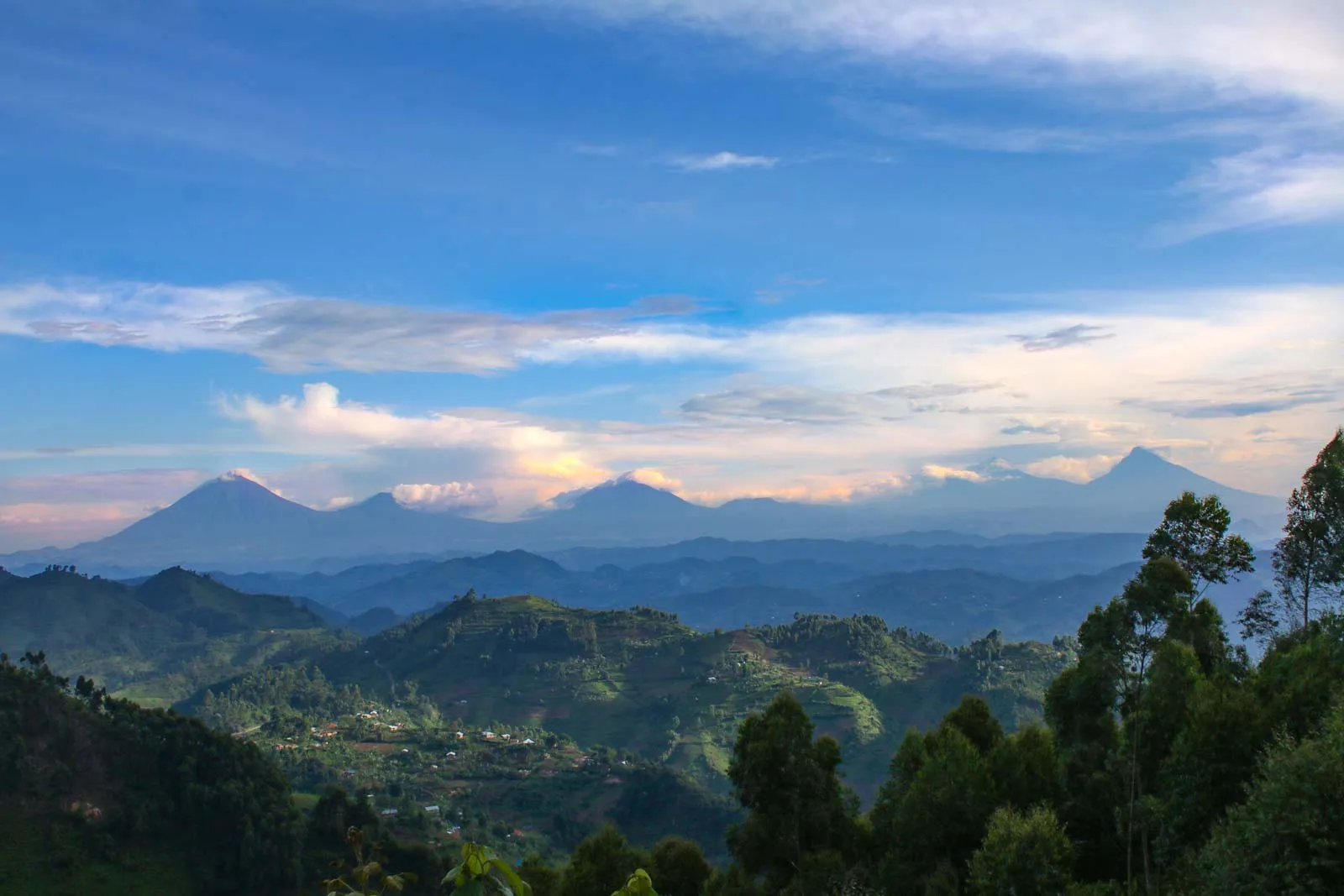
Nkuringo sits on Bwindi’s southern boundary in Kisoro District, on a ridge above the Nteko valley with the Virunga Volcanoes visible to the south on clear days. It is the southernmost of Bwindi’s four trekking sectors and the closest to Mgahinga Gorilla National Park, which makes it the natural counterpart to a Mgahinga trek or a golden monkey experience.
Three routes lead to the sector:
- From Kabale by road. Roughly 2.5 to 3 hours via the Nteko ridge road. The route climbs to the ridge, which is where the sector’s lodges sit, before dropping to the trailhead. The surface is unpaved and steep in places, and a 4WD is required in the wet season.
- From Kisoro airstrip. Kisoro is the closest airstrip to the sector, roughly 1 to 1.5 hours by road. This is the faster option for travellers flying in, and it also serves Mgahinga treks.
- From Buhoma or Ruhija by road. Roughly 3 to 4 hours via the Kabale road and the southern ridge. This is the longest inter-sector transfer in Bwindi, which is why most travellers do not combine Nkuringo with a northern sector on a single trek.
One thing worth understanding before you book: the briefing and trailhead are on the ridge, but the forest is below. That means every Nkuringo trek begins with a descent and ends with a climb back up — a structural feature of the sector that shapes the entire day. Some lodges on the ridge run shuttle transfers to the trailhead, but the descent and ascent on foot are the trek itself.
If you are combining a Nkuringo trek with a wider route, our Uganda destinations section maps how the parks connect, and the 5-day Bwindi and Lake Mburo safari shows how a southern-sector trek slots into a compact itinerary.
What makes Nkuringo harder than the other sectors?
Nkuringo sector gorilla trekking difficulty comes from three things stacking together: the sector’s ridge-and-valley geography, its altitude, and the length of the return climb. Any one of those alone would make a trek more demanding. Together, they make Nkuringo the hardest of Bwindi’s four sectors by a clear margin.
The three factors behind Nkuringo’s difficulty
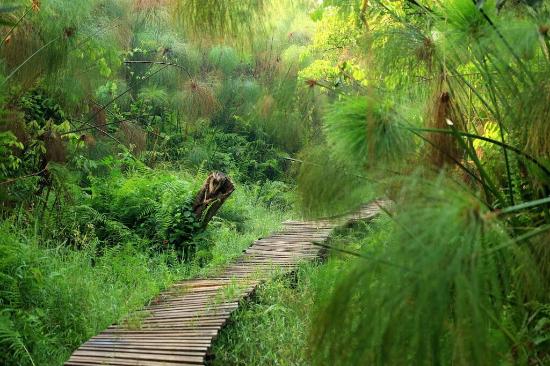
- Ridge-to-valley geography. Nkuringo’s lodges, briefing point and trailhead sit on a ridge above the Nteko valley. The gorilla families live in the forest below. Every trek therefore starts with a descent and finishes with a climb back up, and the return leg is what most trekkers remember.
- Altitude. The sector’s trailhead sits at over 2,000 metres, and the forest below sits between 1,600 and 2,200 metres depending on where the gorilla family has moved. Even a fit trekker from sea level will feel the altitude on the climbs.
- Sustained gradient. Nkuringo’s trails involve long, sustained ascents rather than the rolling terrain of Buhoma. On wet ground, the clay is slippery and progress is slow, which extends the time on your feet.
The practical effect is that a Nkuringo trek takes longer than a Buhoma trek on average, even when the gorilla family is found relatively quickly. The descent to reach them might take 1.5 to 2.5 hours; the ascent back to the trailhead adds another 1.5 to 2 hours. Add the one hour with the gorillas, plus the morning briefing, and you are looking at a seven to nine hour day, most of it on your feet.
None of this is beyond a reasonably active adult. But it does mean Nkuringo is a poor fit for travellers who find a long walk tiring, and it is worth being honest with yourself before booking.
Afraeka tip: Take the porter, and take the sedan chair discussion seriously if there is any doubt. Porters on the Nkuringo trail do more than carry a daypack — they steady trekkers on slippery descents and offer a hand on the steepest sections, which is where most falls happen. If you have knee or hip concerns, ask about the sedan chair service at the briefing, because it is genuinely useful on this sector and it has to be arranged in advance.
What fitness level do you actually need for Nkuringo?
You need a reasonable level of cardiovascular fitness and, ideally, recent experience of long walks on uneven ground. Nkuringo is not the sector for a traveller who has not walked more than a few kilometres in the past year, and it is not the sector for someone whose only exercise is a weekly gym session on flat equipment. If you hike regularly, run, cycle, or walk long distances on hilly terrain, you will be fine.
Three self-assessment questions help decide honestly:
- Can you walk for six hours on hilly terrain, with breaks, and still feel functional at the end? If yes, Nkuringo is within reach. If not, consider Buhoma, Rushaga or Mgahinga instead.
- Have you been at altitude recently? If you live at sea level and are flying in, give yourself at least one full day to acclimatise before the trek, even if only to sleep and hydrate.
- Do you have knee, hip or ankle concerns? Nkuringo’s descents are the hardest part of the trek for joints. If your knees complain on steep downhill, Ruhija or Nkuringo’s descent will test them. Consider a less steep sector, or plan on a sedan chair.
Nkuringo is also the sector where age matters least and fitness matters most. Fit travellers in their sixties complete Nkuringo treks comfortably, and unfit travellers in their thirties struggle. The sector is honest about this, which is part of its appeal — the difficulty is real, but it is not arbitrary.
Can you trek Nkuringo if you are not very fit?
Yes, in some cases, and this is where the sedan chair service matters. A sedan chair is a litter carried by a team of porters, allowing trekkers with limited mobility or serious fitness concerns to complete a Nkuringo trek safely. It is available in Bwindi, it must be arranged in advance, and on Nkuringo it is the difference between a memorable trek and no trek for some travellers.
Beyond the sedan chair, three practical adjustments widen access to Nkuringo:
- Book a slower group. Rangers group trekkers partly by expected pace, and the briefing team can place you with a group that moves more slowly. Tell them at registration if you have concerns.
- Take the porter. A porter steadies you on descents and carries your pack, which meaningfully reduces the effort required.
- Build in a rest day. Arriving a day early, sleeping on the ridge and acclimatising before your trek makes a real difference on the day.
What is not advisable is booking Nkuringo without acknowledging the terrain and hoping for the best. The sector’s difficulty is not exaggerated, and a trekker who struggles badly on the descent risks both their own safety and the group’s pace.
How does Nkuringo compare with the other Bwindi sectors?
Nkuringo is the hardest of Bwindi’s four sectors. Ruhija is a close second, largely because of altitude and gradient. Rushaga is moderate, with some steep sections but more varied terrain. Buhoma is the easiest, with lower average altitude and gentler trails. Mgahinga, while a separate park, sits closer to Rushaga in difficulty than to Nkuringo.
| Sector | Difficulty | What makes it so |
|---|---|---|
| Buhoma | Low | Lower altitude, gentlest terrain, shortest average approach |
| Rushaga | Moderate | Some steep sections, but varied terrain and shorter average ascent |
| Ruhija | Moderate to high | High altitude and steep ridges, but shorter descents than Nkuringo |
| Nkuringo | High | Ridge-to-valley geography means sustained descent and return ascent |
| Mgahinga | Moderate | Volcanic slopes, but shorter treks and lower sustained gradient |
Difficulty ratings are based on typical conditions and typical gorilla family locations, not a guarantee. All treks depend on where the family has moved overnight.
The practical implication is straightforward. If you want the easiest day, choose Buhoma. If you want a moderate day with more gorilla family options, choose Rushaga. If you want a demanding day with fewer crowds, choose Ruhija or Nkuringo. If you want a different park entirely, choose Mgahinga.
Rushaga holds the largest concentration of habituated gorilla groups in Bwindi, which matters if you are travelling as a large party or booking at short notice. Nkuringo’s smaller family count means fewer daily permits and less flexibility for group bookings. Detailed sector comparisons sit on the Uganda gorilla trekking hub if you want to look at them side by side.
Which gorilla families live in Nkuringo?
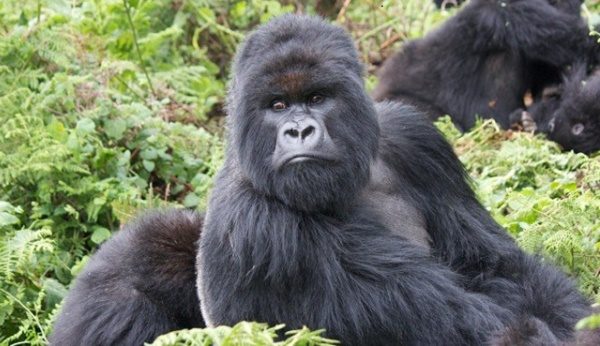
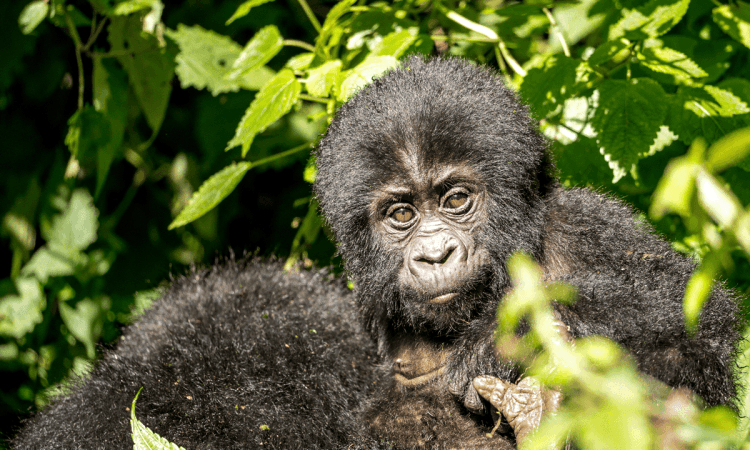
Nkuringo holds multiple habituated gorilla families within its sector allocation, including the sector’s namesake family — one of the more widely followed in Bwindi because of its history of ranging across the Nteko valley and occasionally moving close to the local community. The sector’s families are fewer in number than Rushaga’s, which is why daily permit numbers are more limited here.
What matters practically is not which family you are assigned to but how the assignment process works. Groups are allocated by UWA according to the trekking sector and operational arrangements, and the final group is confirmed at the morning briefing. You will know your sector in advance because it is on your permit; you will learn your group on the day. Nkuringo’s smaller family count means fewer parallel trekking groups on the trail, which is part of why the sector feels quieter than Rushaga or Buhoma.
If you want broader detail on how families differ across Bwindi and Mgahinga, our primate tracking experiences section covers the wider picture.
What should you pack for a Nkuringo trek?
Nkuringo’s difficulty means the packing list matters more here than in any other sector. Two things make a real difference: footwear with genuine grip for wet clay descents, and a way to keep your hands free on steep sections.
Nkuringo trekking kit essentials
- Broken-in waterproof hiking boots with deep tread
- Gaiters for nettles and mud
- Long trousers, long sleeves, and gardening gloves for thorny vegetation
- A light waterproof shell — Nkuringo sits in a wet microclimate
- A warm layer for the morning briefing, even in the dry season
- A small daypack with water and a snack — or let a porter carry it
- Trekking pole if you use one regularly
- Camera with a strap, so your hands stay free on descents
- Any personal medication, plus a knee support if you use one
Two things are worth leaving behind: heavy camera equipment you are not comfortable carrying all day, and any expectation that the trek will be short. A Nkuringo day is a full day, and the lighter you travel the easier it will be.
Is Nkuringo the right sector for you?
Nkuringo is the right sector if you are a fit, regular hiker, you want a quieter and more physically rewarding trek, and you value the sense of having earned the hour with the gorillas. It is also the right sector if you want the closest base to Mgahinga for a multi-park trip, or if you want the specific satisfaction of trekking Bwindi’s most demanding sector.
It may not be the right sector if:
- You want the easiest trekking day. Buhoma is the right sector for that.
- You are travelling with children close to the minimum age. The minimum age is 15, and Nkuringo’s terrain is demanding even for fit teenagers.
- You are booking as a large group at short notice. Rushaga has more habituated families and better odds for a large booking.
- You have knee or hip concerns. The descents are the hardest part. Consider a less steep sector or discuss the sedan chair with your operator in advance.
- You are arriving straight off a long-haul flight. Build in a buffer day and acclimatise before trekking at Nkuringo’s altitude.
There is no wrong sector in Bwindi. Each delivers the same one hour with the same habituated mountain gorillas under the same UWA rules. The differences are terrain, access, lodging and demand — and Nkuringo is the sector where terrain is the deciding factor.
Common mistakes when planning a Nkuringo trek
Most of what goes wrong with Nkuringo bookings comes down to the same handful of errors, and all of them are avoidable with one careful planning conversation.
- Underestimating the return climb. Trekkers often find the descent manageable and the ascent hard. Prepare for the ascent, not the descent.
- Skipping the porter. The single most common regret after a Nkuringo trek. Porters are not a luxury on this sector.
- Booking straight off a long-haul flight. Altitude plus jet lag is a bad combination. Build in at least one acclimatisation night.
- Not mentioning fitness at the briefing. Rangers can place you in a slower group if they know. Tell them at registration.
- Wearing the wrong footwear. Wet clay on steep slopes demands real grip. Trail runners without aggressive tread are not enough.
- Ignoring the sedan chair option. If you have mobility concerns, the service exists and it works. Ask about it in advance.
- Booking Nkuringo for a group of six or more. The sector’s smaller family count makes large bookings harder. Rushaga is usually the better answer for groups.
Can one permit cover two people?
No. One permit covers one person for one trek, and this is why Nkuringo’s smaller family count has practical consequences for groups. With fewer habituated groups than Rushaga and the same eight-visitor daily cap per group, a party of four needs four permits in Nkuringo on the same date — a harder ask than in a sector with more parallel trekking groups.
The eight-visitor daily cap per habituated gorilla group is a headcount. A party of eight fills an entire day’s allocation for one gorilla group, and there is no flexibility on that ceiling. Nkuringo is not the sector to book as a large party at short notice.
Once you have your permits, the gorilla group you actually visit is allocated according to the trekking sector, with final group allocation managed by UWA on the morning of the trek. You will know your sector in advance because it is on your permit; you will learn your group at the briefing alongside everyone else.
Afraeka field note: A couple in their late fifties once asked us to arrange a Nkuringo trek. Both were regular hill walkers at home in the UK and comfortable with the terrain. What they had not prepared for was the descent — not the ascent, but the descent. Wet clay on a steep ridge is hard on the knees even for experienced walkers, and by the time they reached the gorillas they were ready for a rest rather than a one-hour viewing. The trek went well because they were honest about their fitness in advance and we arranged porters for both of them and told them to take the descent slowly. They finished happy. But the lesson they gave us is one we now pass on to every Nkuringo client: the descent is not the easy half. Prepare your legs for the down, not just the up.
A question that shows up regularly on TripAdvisor’s Uganda forum and on r/Uganda is some version of: “I’m reasonably fit but not a hiker — should I book Nkuringo?” The honest answer is that “reasonably fit” and “comfortable on steep ground for a full day” are two different things. If you walk on hills regularly, Nkuringo is achievable. If your fitness is gym-based or flat-ground walking, choose Rushaga or Buhoma instead and enjoy a trek without spending the day worrying about the return. There is no shame in either decision — the gorillas are the same.
Frequently asked questions about Nkuringo sector gorilla trekking difficulty
Is Nkuringo harder than the other Bwindi sectors?
Yes. Nkuringo is the most physically demanding of Bwindi’s four trekking sectors. The sector’s geography means every trek begins with a descent into the forest and ends with a climb back up to the ridge, and the trails involve sustained ascents rather than rolling terrain. Ruhija is the closest comparison, followed by Rushaga, with Buhoma being the easiest.
How long does a Nkuringo gorilla trek take?
Plan for a seven to nine hour day, most of it on your feet. The descent to reach the gorilla family typically takes 1.5 to 2.5 hours, the viewing is a strict one hour, and the ascent back to the trailhead adds another 1.5 to 2 hours. This is longer than a typical Buhoma trek because of the sector’s ridge-and-valley geography.
What fitness level do you need for Nkuringo?
You need reasonable cardiovascular fitness and, ideally, recent experience of long walks on uneven ground. If you hike, run, cycle or walk long distances on hilly terrain regularly, you will cope. If your only exercise is on flat ground, or you have not walked more than a few kilometres in the past year, a less demanding sector such as Buhoma or Rushaga is a better choice.
Can you trek Nkuringo with limited mobility?
A sedan chair service is available in Bwindi for trekkers who need assistance on the trail, and it must be arranged in advance. On Nkuringo the service is particularly useful because of the steep descents. Other practical adjustments include asking the rangers to place you in a slower group at the briefing, hiring a porter, and building in an acclimatisation day before your trek.
How do you get to Nkuringo sector?
The fastest option is to fly to Kisoro airstrip and transfer by road, roughly 1 to 1.5 hours. By road from Kabale, the drive is about 2.5 to 3 hours on the Nteko ridge road. From Buhoma or Ruhija, the transfer is 3 to 4 hours, which is why most travellers do not combine Nkuringo with a northern sector on a single trek.
Which gorilla families are in Nkuringo?
Nkuringo holds multiple habituated gorilla families within its sector allocation, including the sector’s namesake family. The number of habituated groups is smaller than Rushaga’s, which is why daily permit numbers are more limited and large group bookings are harder to secure here.
Is Nkuringo suitable for older travellers?
Older travellers who hike regularly often do well on Nkuringo, because the sector rewards fitness more than age. Anyone with heart or respiratory conditions, or with knee, hip or ankle concerns, should discuss the altitude and descents with a doctor before booking. Buhoma and Rushaga are the more forgiving sectors for trekkers who want a less demanding day.
What should you pack for a Nkuringo gorilla trek?
Waterproof hiking boots with deep tread, gaiters, long trousers and sleeves, gardening gloves, a light waterproof shell, a warm layer for the morning briefing, a small daypack with water and a snack, and a trekking pole if you use one. A camera with a strap keeps your hands free on descents. Hire a porter and let them carry the pack.
Should you book Nkuringo as a large group?
Nkuringo is not ideal for large groups, because the sector has fewer habituated gorilla families than Rushaga and the eight-visitor daily cap per group limits how many permits are available on a single date. For a party of six or more, Rushaga is usually the better choice, because it has the largest concentration of habituated groups in Bwindi.
Thinking about Nkuringo?
Send us your dates, your party size and an honest sense of your fitness, and we will tell you whether Nkuringo fits — or whether Rushaga or Buhoma will give you a better trekking day. We can also arrange porters, discuss the sedan chair service if relevant, and build in an acclimatisation night on the ridge. No price figures until we know your route, because the permit is only one line of the total.
About the author: Victoria Kayaga is a Ugandan-born safari specialist and the founder of Afraeka Adventures, based in Kampala. She has planned gorilla trekking itineraries across Bwindi’s four sectors and Mgahinga for years, and she walks the Nkuringo trail regularly with clients. More about Victoria.
Keep planning
- Gorilla permits Uganda — fees and booking
- Uganda gorilla trekking hub
- Uganda destinations
- Rwanda destinations
- 5-day Bwindi and Lake Mburo safari
- 7-day Uganda and Rwanda primate safari
- Primate tracking experiences
- All Afraeka trips