Ugandan cooking class experience is one of the most delicious and immersive cultural activities you can enjoy in the Pearl of Africa. At Afraeka Adventures, we believe that food is the heart of culture—it tells stories of history, geography, community, and identity. Ugandan cuisine is a vibrant tapestry of flavours, influenced by the country’s diverse ethnic groups, fertile lands, and the bounty of Lake Victoria and the Nile.
In this comprehensive guide, we take you on a culinary journey through Uganda’s traditional dishes, cooking techniques, and the growing trend of cooking classes that offer visitors a hands-on taste of Ugandan hospitality. We share our expert knowledge on the Ugandan cooking class experience, what to expect, and where to find the best culinary experiences across the country. Whether you are a foodie, a home cook, or simply a traveler seeking a deeper connection with Ugandan culture, this guide will help you savour the authentic flavours of Uganda.
Understanding the Ugandan cooking class experience is about more than just learning recipes—it is about understanding the significance of food in Ugandan society, the communal nature of meals, and the importance of local, fresh ingredients. By participating in a cooking class, you support local women and community enterprises while gaining skills you can take home to impress your friends and family. Let us guide you through this delicious journey into the heart of Ugandan cuisine.
1. The Rich Tapestry of Ugandan Cuisine
The Ugandan cooking class experience begins with understanding the diversity and significance of Ugandan food:
| Aspect | Details |
|---|---|
| Regional Diversity | Ugandan cuisine varies by region, reflecting the different ethnic groups, climates, and available ingredients. The Central region (Buganda) is known for plantain-based dishes, the Eastern region for cassava and millet, the Northern region for sorghum and groundnuts, and the Western region for potatoes, beans, and millet. |
| Staples | The main staples include matooke (steamed green bananas), posho (maize meal), cassava, sweet potatoes, rice, and millet bread. These are typically served with a sauce or stew. |
| Proteins | Proteins include beans, groundnuts (peanuts), fish (especially Nile perch and tilapia), chicken, beef, goat, and game meat. |
| Vegetables | A wide variety of vegetables are used, including greens (dodo, nakati, cabbage), onions, tomatoes, eggplants, and pumpkin. |
| Spices & Flavours | Ugandan cuisine is less spicy than some other African cuisines, using ingredients like ginger, garlic, curry powder, and sim sim (sesame) for flavour. |
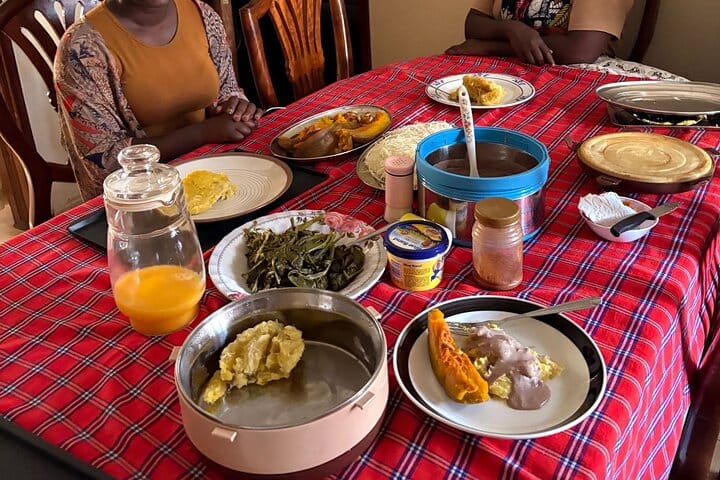
| Meal Structure | A typical Ugandan meal consists of a starch (matooke, posho, rice), a sauce (groundnut, bean, or meat stew), and vegetables. Meals are often eaten with the hands. |
| Significance | Food is central to Ugandan social life. Sharing a meal is an act of hospitality and community. Traditional meals are prepared for ceremonies, celebrations, and to welcome guests. |
2. The History of Ugandan Cuisine: Influences and Evolution
To fully appreciate the Ugandan cooking class experience, it is essential to understand the history behind the food:
Pre-Colonial Era
Before colonialism, Ugandan cuisine was based on indigenous ingredients and traditional cooking methods. Each ethnic group had its own culinary traditions, using locally available crops, wild game, and fish. Cooking was done over open fires, using clay pots and wooden utensils. Food was often cooked in banana leaves or steamed in underground ovens.
Colonial Era
The arrival of the British, Indians, and Arabs introduced new ingredients and cooking techniques. The British brought wheat flour, sugar, and tea, while the Indian community introduced spices, curries, and chapati. The Arabs brought rice and spices like cinnamon and cloves. These influences blended with indigenous traditions to create a unique Ugandan culinary identity.
Post-Independence
After independence, Ugandan cuisine continued to evolve, with increased urbanization and the availability of new ingredients. Today, Ugandan cuisine is a vibrant mix of traditional and modern influences, with chefs and home cooks experimenting with new flavours while honouring their heritage.
The Present Day
The Ugandan cooking class experience is part of a growing trend of culinary tourism. Visitors are increasingly seeking authentic food experiences, and cooking classes offer a hands-on way to connect with local culture. These classes are often run by women’s cooperatives, providing economic empowerment and preserving traditional knowledge.
3. The Ugandan Cooking Class Experience: What to Expect
The Ugandan cooking class experience is a 2-4 hour immersive journey that offers a hands-on introduction to Ugandan cuisine. At Afraeka Adventures, we partner with local chefs and community groups to offer this authentic and delicious experience.
| Activity | Description | Duration |
|---|---|---|
| Market Visit | Accompanied by your chef, visit a local market to select fresh ingredients. Learn about the produce, how it’s grown, and how to choose the best quality. | 60 mins |
| Introduction | Meet your chef and learn about Ugandan cuisine, the dishes you will prepare, and the cultural significance of the ingredients. | 15 mins |
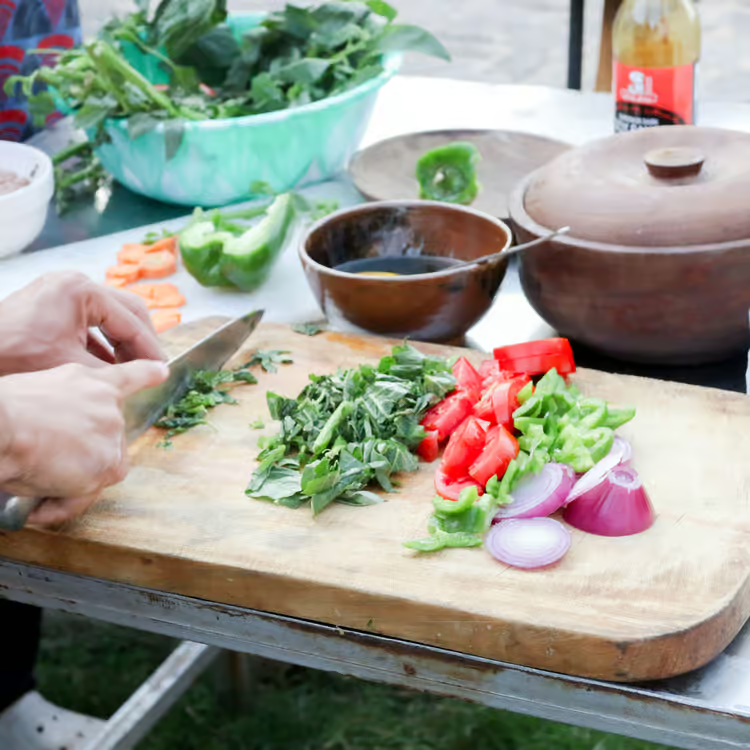
| Hands-On Cooking | Prepare 2-3 traditional Ugandan dishes from scratch, guided by your chef. Learn traditional techniques, such as grinding, pounding, and steaming. | 90 mins |
| Tasting | Sit down and enjoy the delicious meal you have prepared, accompanied by a traditional drink like fresh juice or sorghum beer. | 60 mins |
| Recipe Booklet | Receive a booklet of the recipes so you can recreate the dishes at home. | 5 mins |
| Certificate | Receive a certificate of participation to mark your culinary achievement. | 5 mins |
Afraeka Adventures Pro Tip: The Ugandan cooking class experience is suitable for all skill levels, from complete beginners to experienced cooks. Let your chef know if you have any dietary restrictions, and they will adapt the menu accordingly.
4. Popular Dishes You’ll Learn in a Ugandan Cooking Class
The Ugandan cooking class experience typically includes learning how to prepare these iconic dishes:
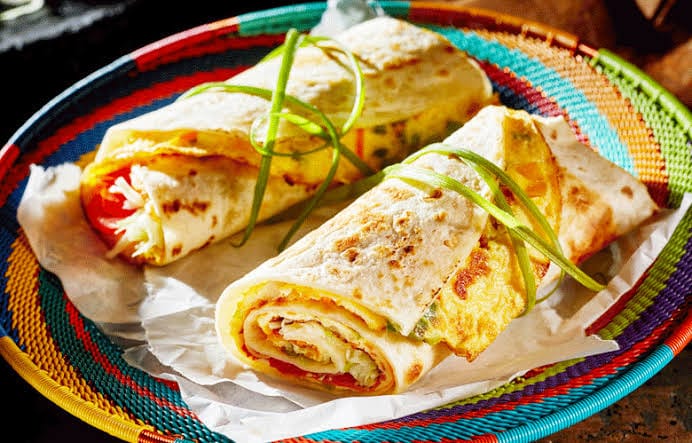
4.1 Rolex (Chapati with Omelette)
- What It Is: A popular street food, the Rolex is a chapati (flatbread) rolled around a vegetable and egg omelette. It is a quick, delicious, and filling meal.
- Why It’s Significant: The Rolex is a quintessential Ugandan fast food, and its name is a playful take on the “rolled eggs” concept. It is a symbol of Ugandan ingenuity and street food culture.
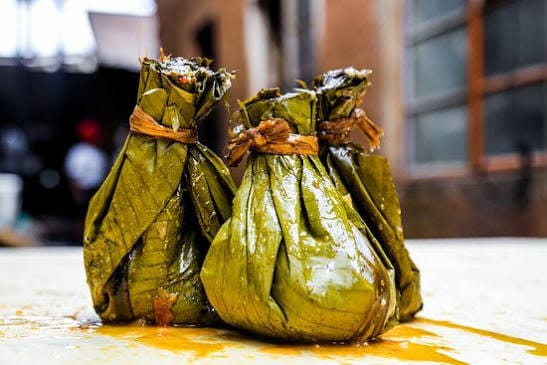
4.2 Luwombo (Stewed Meat in Banana Leaves)
- What It Is: A traditional dish from the Baganda people, Luwombo is meat (chicken, beef, or goat) stewed with vegetables and groundnuts, wrapped in banana leaves, and steamed for several hours. The result is tender, flavourful, and aromatic.
- Why It’s Significant: Luwombo is a dish of celebration, often served at weddings, funerals, and other important ceremonies. The steaming process infuses the meat with the subtle flavour of the banana leaves.
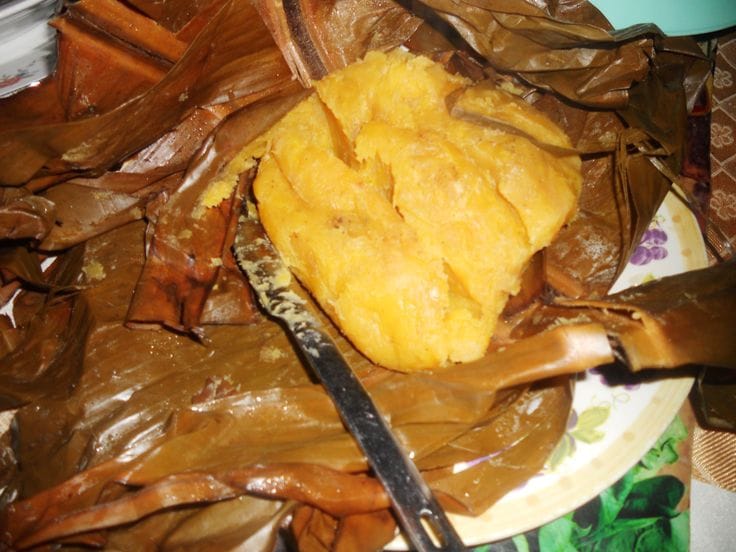
4.3 Matooke (Steamed Green Bananas)
- What It Is: The staple food of the Buganda region, matooke is made from green bananas that are peeled, wrapped in banana leaves, and steamed until soft and starchy. It is served with a sauce (groundnut, bean, or meat stew).
- Why It’s Significant: Matooke is the foundation of a traditional Ugandan meal. It is a symbol of hospitality and is often prepared for special occasions. The preparation of matooke is a communal activity, often done by women.
4.4 Posho (Maize Meal)
- What It Is: A stiff porridge made from maize (corn) flour, also known as ugali or nsima in other parts of Africa. It is a staple in many parts of Uganda, especially the Eastern and Northern regions.
- Why It’s Significant: Posho is a versatile and filling side dish, often served with beans, meat, or vegetable stews. It is a humble but essential part of the Ugandan diet.
4.5 Groundnut Sauce (Luwombo with Groundnuts)
- What It Is: A rich, creamy sauce made from groundnuts (peanuts), often cooked with greens, chicken, or beef. It is a staple accompaniment to matooke, posho, or rice.
- Why It’s Significant: Groundnuts are a major source of protein in Uganda. The sauce is flavourful, nutritious, and emblematic of Ugandan comfort food.
4.6 Sim Sim (Sesame) Snacks
- What It Is: Sesame seeds are ground and mixed with sugar to make a sweet, crunchy snack or paste. It is often eaten as a street food or served with tea.
- Why It’s Significant: Sim sim is a traditional ingredient used in many Ugandan dishes and snacks, adding a nutty, rich flavour.
5. Where to Experience Ugandan Cooking Classes
The Ugandan cooking class experience is offered in several locations across Uganda:
5.1 Kampala
- Best For: Visitors wanting a city-based culinary experience.
- Organizers: Several restaurants, hotels, and community groups offer cooking classes in Kampala.
- Highlights: Classes often include a visit to a local market, such as Nakasero Market, for a truly authentic experience. You’ll cook a range of dishes and enjoy your meal with a view of the city.
- Why Visit: Kampala is the culinary heart of Uganda, offering the widest variety of cooking class options and the opportunity to explore the city’s vibrant food scene.
Afraeka Adventures Recommendation: The Kampala Food Walking Tour combined with a cooking class is a fantastic way to immerse yourself in the city’s food culture. We can arrange a class with a renowned local chef.
5.2 Entebbe
- Best For: Visitors with limited time, as Entebbe is close to the airport.
- Organizers: Several lodges and guesthouses near Lake Victoria offer cooking classes.
- Highlights: Learn to cook with fresh fish from Lake Victoria, such as Nile perch or tilapia, and enjoy your meal with stunning lake views.
- Why Visit: Entebbe’s relaxed atmosphere and lakeside setting make it an idyllic location for a cooking class.
Afraeka Adventures Recommendation: The Entebbe Cooking Experience is a perfect half-day activity, ideal for the start or end of your safari.
5.3 Jinja (The Source of the Nile)
- Best For: Visitors combining the cooking class with a visit to the Source of the Nile or adrenaline activities.
- Organizers: Several lodges and restaurants along the river offer cooking classes.
- Highlights: Learn to cook with fresh fish, local produce, and hear stories of the Nile’s significance. The setting offers a tranquil and scenic backdrop.
- Why Visit: Jinja offers a unique culinary experience with the Nile as your backdrop.
Afraeka Adventures Recommendation: Combine your cooking class with a visit to the Source of the Nile or a boat cruise for a truly memorable day.
5.4 Bwindi Impenetrable National Park
- Best For: Visitors combining the cooking class with gorilla trekking.
- Organizers: Some lodges near the park, as well as community-run initiatives, offer cooking classes.
- Highlights: Learn to cook traditional forest-adjacent cuisine, and enjoy your meal with stunning views of the Bwindi forest. The classes often support local women’s groups.
- Why Visit: This is a unique way to immerse yourself in the local community and connect with the area’s culture.
Afraeka Adventures Recommendation: Many of our clients combine a Batwa cultural experience with a cooking class for a full day of cultural immersion.
6. Cultural Significance of Ugandan Food
The Ugandan cooking class experience offers insights into the deep cultural significance of food:
| Aspect | Significance |
|---|---|
| Hospitality | In Ugandan culture, offering food is the ultimate expression of hospitality. A guest is always welcomed with a meal. |
| Community | Meals are communal. Eating from a common pot or sharing dishes is a sign of unity and family. |
| Ceremonies | Special foods are prepared for weddings, funerals, and traditional ceremonies. These dishes hold symbolic meaning and are an essential part of the rituals. |
| Gendered Roles | In many traditional households, women are the primary cooks. Cooking is a skill passed down from mother to daughter. The Ugandan cooking class experience often supports women’s economic empowerment. |
| Connection to the Land | Ugandan cuisine is deeply connected to the land. The ingredients are sourced locally, and the cooking methods reflect a sustainable relationship with the environment. |
7. Respectful Engagement: Do’s and Don’ts
When participating in a Ugandan cooking class experience, it is essential to be respectful:
| Do’s | Don’ts |
|---|---|
| Do ask questions about the ingredients and techniques. | Don’t criticize the food or the cooking methods—be open-minded. |
| Do listen actively to your chef’s instructions. | Don’t be afraid to taste and experiment—it’s part of the learning experience. |
| Do thank your chef and the team. | Don’t leave a mess—help with the cleaning if you are invited to. |
| Do respect dietary restrictions and inform your chef in advance. | Don’t ignore food safety advice. |
| Do buy local produce or ingredients to support the community. | Don’t use flash photography without permission. |
8. The Importance of the Ugandan Cooking Class Experience
The Ugandan cooking class experience is more than just a tourist activity—it is a vital lifeline for local communities:
| Benefit | How It Helps |
|---|---|
| Economic Empowerment | Classes provide direct income for local women and community cooperatives. |
| Cultural Preservation | They encourage the preservation of traditional recipes and cooking techniques. |
| Education | They offer a platform for chefs to share their knowledge and stories. |
| Empowerment | They give local cooks a voice and recognition. |
| Cross-Cultural Understanding | They foster genuine connections between visitors and locals, breaking down stereotypes. |
9. Combining the Cooking Class with Other Activities
The Ugandan cooking class experience can be seamlessly combined with other activities:
| Activity | How to Combine | Duration |
|---|---|---|
| Market Tour | Visit the market before the cooking class to select ingredients. | Half day |
| Gorilla Trekking | Combine with gorilla trekking in Bwindi or Mgahinga. | 5-7 days |
| Wildlife Safari | Combine with a safari in Queen Elizabeth or Murchison Falls. | 3-5 days |
| Cultural Tours | Combine with the Batwa or Karamojong cultural experience. | 2-3 days |
| City Tour | Combine with a tour of Kampala’s historical sites. | 1 day |
Frequently Asked Questions about the Ugandan Cooking Class Experience
Q: What is the Ugandan cooking class experience?
A: It is an immersive culinary activity where you learn to prepare traditional Ugandan dishes from scratch under the guidance of a local chef. It often includes a market visit and a tasting of your creations.
Q: Where can I take a Ugandan cooking class?
A: Cooking classes are offered in Kampala, Entebbe, Jinja, Bwindi, and other tourist destinations. The most authentic experiences are often run by local women’s groups.
Q: What dishes will I learn to cook?
A: Typical dishes include Rolex (chapati with omelette), Luwombo (stewed meat in banana leaves), Matooke (steamed green bananas), and groundnut sauce.
Q: How much does a Ugandan cooking class cost?
A: Prices vary, but a 2-4 hour class typically costs $30-$80 per person. The fees directly support the local community and chefs.
Q: Is the cooking class suitable for beginners?
A: Yes, the classes are designed for all skill levels. The chef will guide you step-by-step through the process.
Q: Can I adapt the class to my dietary restrictions?
A: Yes, you can inform your chef of any dietary restrictions (vegetarian, vegan, gluten-free, allergies) in advance, and they will adapt the menu accordingly.
Q: What should I bring to a Ugandan cooking class?
A: Bring a comfortable attitude, a camera for photos, and perhaps a container to take home any leftovers. Your chef will provide all necessary equipment.
Q: Is it safe to eat the food I prepare?
Yes, it is safe. Chefs follow strict hygiene and food safety guidelines. It’s a wonderful way to experience authentic local cuisine in a clean environment.
Q: Can I get the recipes to take home?
Yes, most classes provide a recipe booklet so you can recreate the dishes at home.
Q: Is the Ugandan cooking class experience suitable for children?
Yes, it is a family-friendly activity. Children can participate under the supervision of their parents and enjoy making simple dishes.
Ready to Experience the Ugandan Cooking Class?
Book your Ugandan cooking class with Afraeka Adventures today. Our expert team will ensure you have a delicious, meaningful, and unforgettable culinary experience. Contact us now to start planning your food adventure!
📞 Phone: +256-794144988
📧 Email: info@afraekaadventures.com
🌐 Website: www.afraekaadventures.com
Contact Our Team | Explore Cultural Tours | View All Safaris