Ugandan crafts tour is one of the most rewarding and culturally enriching experiences you can have in the Pearl of Africa. At Afraeka Adventures, we believe that every handcrafted object tells a story—of history, of community, of identity, and of the artist’s skill passed down through generations. Uganda is a treasure trove of artisan craftsmanship, from the intricate bark cloth of the Baganda to the colourful beaded jewelry of the Karamojong and the beautiful baskets of the Rwenzori region.
In this comprehensive guide, we take you on a journey through Uganda’s vibrant artisan scene, exploring the diverse crafts, the communities that create them, and the best places to experience and purchase authentic Ugandan crafts. We share our expert knowledge on the Ugandan crafts tour, what to expect, and how to engage respectfully and meaningfully with the artisans. Whether you are an art collector, a souvenir hunter, or simply a traveler seeking a deeper connection with Ugandan culture, this guide will help you discover the handmade treasures of the Pearl.
Understanding the Ugandan crafts tour is about more than just shopping—it is about supporting local communities, preserving traditional skills, and taking home a piece of Uganda’s rich cultural heritage. By participating in an artisan tour, you contribute directly to the economic empowerment of local communities and the preservation of ancient crafts. Let us guide you through this extraordinary journey of discovery and connection.
1. The Rich Tapestry of Ugandan Crafts
The Ugandan crafts tour begins with understanding the diversity and significance of traditional crafts:
| Aspect | Details |
|---|---|
| Diversity | Uganda’s diverse ethnic groups have created a wide variety of crafts, each with its own unique materials, techniques, and cultural significance. |
| Materials | Crafts are made from locally sourced materials, including bark cloth, banana fibres, raffia, papyrus, wood, clay, beads, and animal hides. |
| Techniques | Techniques include weaving, carving, pottery, beadwork, dyeing, and metalwork. Many of these techniques have been passed down through generations. |
| Cultural Significance | Crafts are not just decorative—they hold deep cultural significance. They are used in ceremonies, rituals, and daily life, and often carry symbolic meaning. |
| Economic Importance | Craft production provides income for many communities, particularly women and rural artisans. It is a vital form of economic empowerment. |
| Sustainability | Traditional crafts are inherently sustainable, using natural, renewable materials and low-impact production methods. |
2. Major Craft Traditions in Uganda
The Ugandan crafts tour offers the opportunity to explore these major craft traditions:
2.1 Bark Cloth (Olubugo)
- Origin: Baganda people (Central Uganda).
- Materials: Inner bark of the mutuba tree (Ficus natalensis).
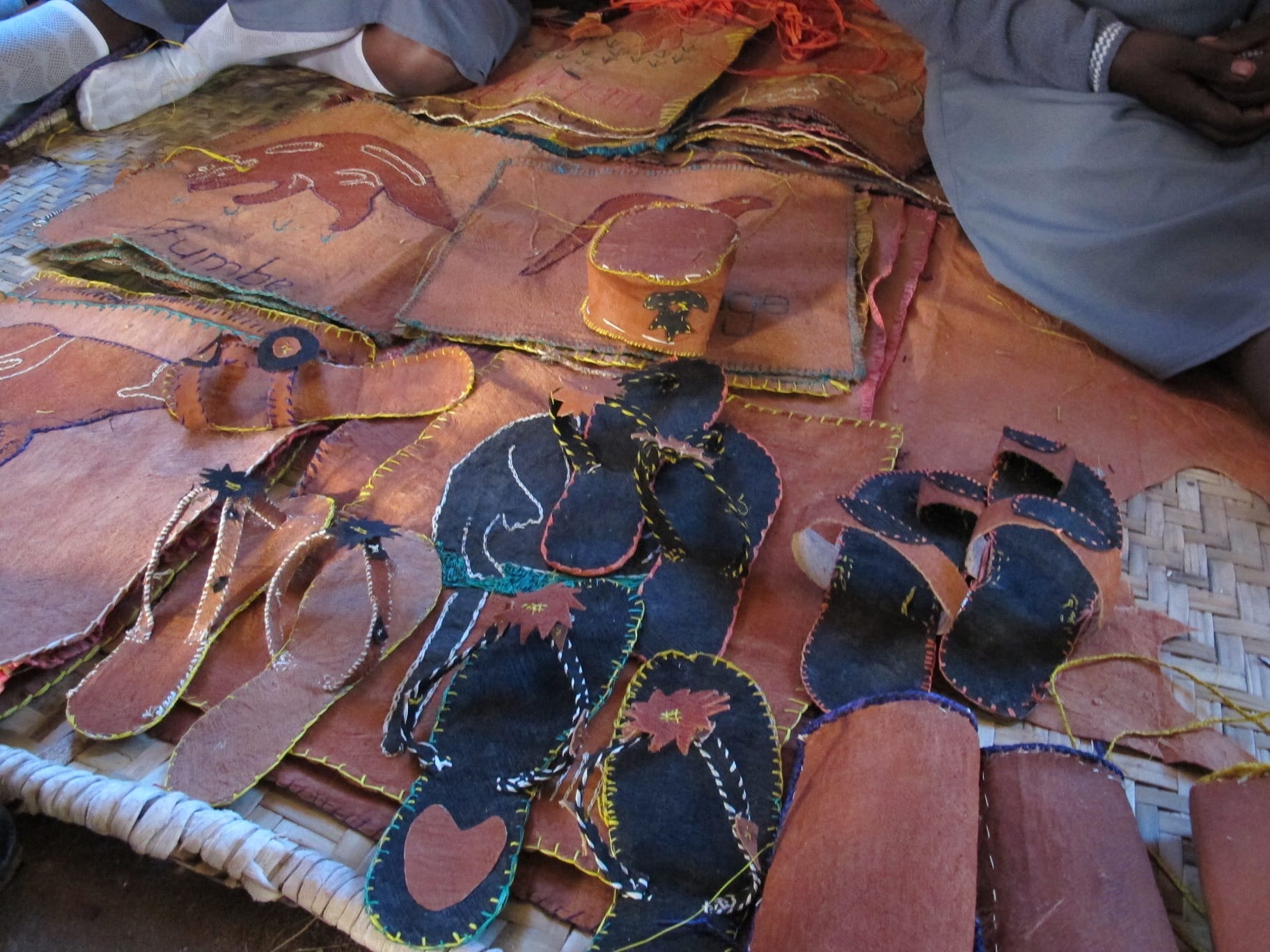
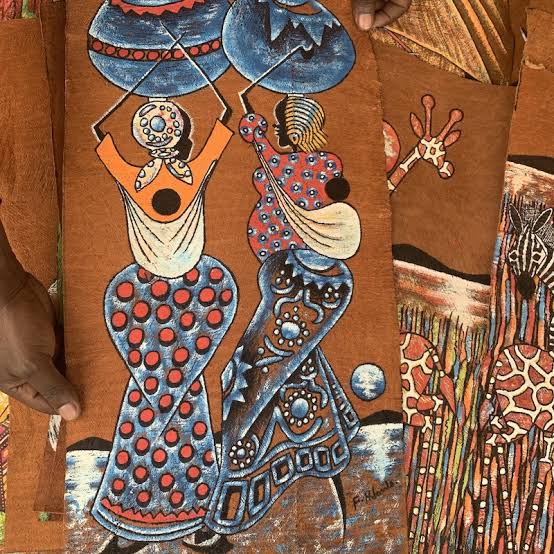
- Techniques: The bark is harvested, beaten with wooden mallets, and processed to create a soft, durable, and versatile cloth. It can be dyed, painted, or left natural.
- Significance: Bark cloth is a symbol of Buganda culture and is used in ceremonies, as clothing, and as a canvas for art. It was recognized by UNESCO as an Intangible Cultural Heritage of Humanity in 2005.
- Where to See: The Ndere Centre in Kampala offers demonstrations and workshops. Local workshops in the central region also welcome visitors.
2.2 Beaded Jewelry
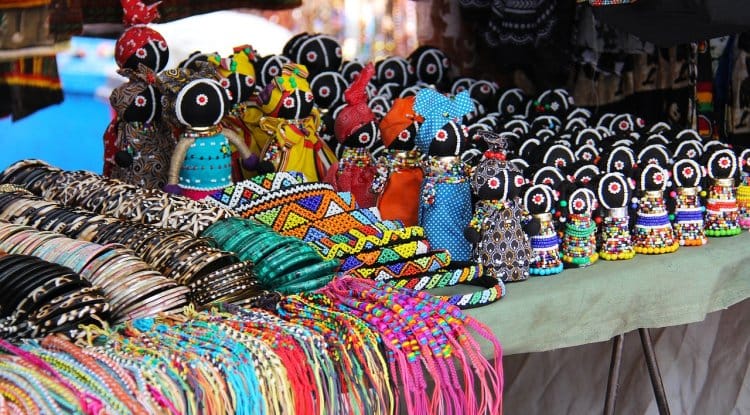
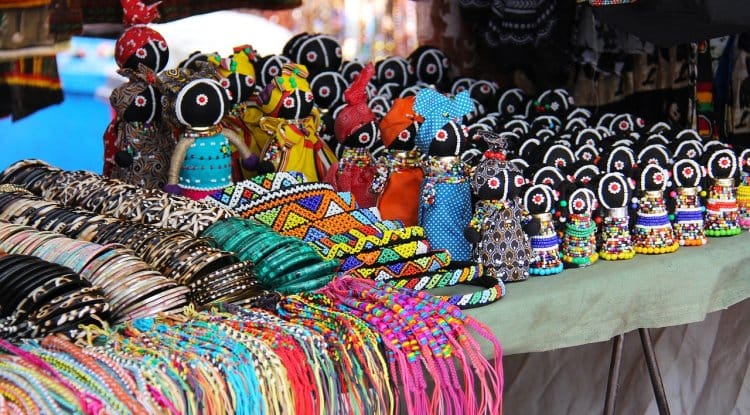
- Origin: Karamojong people (North-Eastern Uganda), Sabiny, and other pastoralist groups.
- Materials: Glass beads, seed beads, cowrie shells, and sometimes plastic beads.
- Techniques: Beads are meticulously strung into intricate patterns, creating necklaces, bracelets, earrings, and belts. The colours and patterns often have cultural significance, representing age, status, or clan.
- Significance: Beaded jewelry is a form of adornment and cultural expression. It is worn for special occasions and ceremonies. For the Karamojong, beadwork is also a source of income for women.
- Where to See: Karamoja region, especially in Moroto and the Manyatta villages. The craft markets in Kampala also have a wide selection.
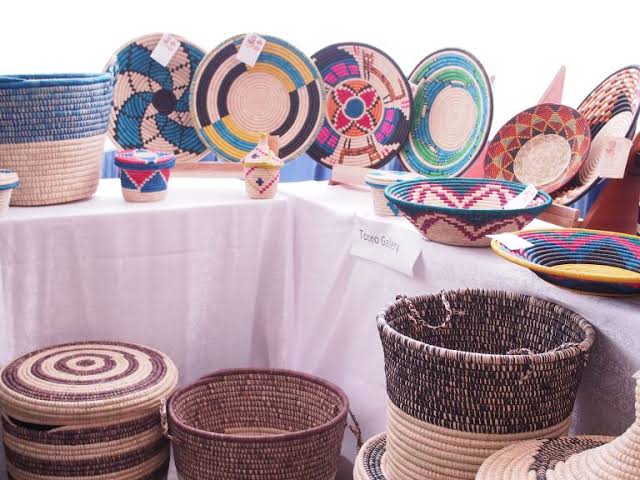
2.3 Handwoven Baskets and Mats
- Origin: Many ethnic groups across Uganda, including the Baganda, Basoga, and Bakiga.
- Materials: Banana fibres, raffia, papyrus, and palm leaves.
- Techniques: Coiling, twining, and plaiting. Patterns and designs vary by region and ethnic group.
- Significance: Baskets are used for storage, carrying produce, and as decorative items. They are often given as gifts or used in ceremonies.
- Where to See: Craft villages near Kampala (e.g., Buganda Road Craft Village), local markets, and community workshops.
2.4 Pottery
- Origin: Various ethnic groups, notably the Baganda, Basoga, and Banyankole.
- Materials: Clay from riverbeds and lake shores.
- Techniques: Coiling and hand-building. Pots are often fired in open bonfires, giving them a distinct, smoky finish.
- Significance: Pottery is used for cooking, storing water, and in ceremonies. Traditional pots are an essential part of rural life.
- Where to See: Mukono and surrounding areas. Kigezi region is also known for its pottery traditions.
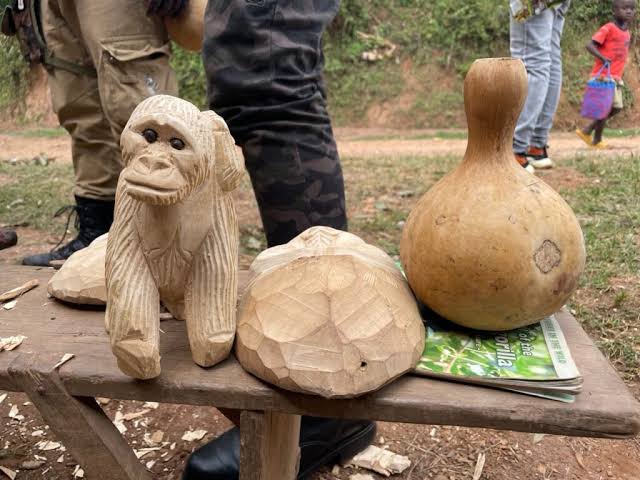
2.5 Wood Carving
- Origin: Various ethnic groups, including the Baganda, Bakiga, and Banyoro.
- Materials: Local hardwoods, such as ebony, mahogany, and musizi.
- Techniques: Carved with hand tools, creating masks, sculptures, figurines, and everyday items.
- Significance: Wood carvings often depict human figures, animals, and spirits. They are used in rituals, as decorative objects, and as symbols of cultural identity.
- Where to See: Craft villages, the Makerere University Art Gallery, and local artisans in the central and western regions.
2.6 Drum Making
- Origin: Across Uganda, particularly among the Baganda and Bunyoro.
- Materials: Wood from the jackfruit or musizi tree, and animal hides (often cow or goat).
- Techniques: The wood is hollowed out, and the hide is stretched and secured over the opening, creating a resonant drum.
- Significance: Drums are central to Ugandan culture, used in ceremonies, communication, and traditional music. The drum is often considered a symbol of power and authority.
- Where to See: Workshops in Kampala, Ndere Centre, and communities across Uganda.
3. The Ugandan Crafts Tour: Sample Itinerary
At Afraeka Adventures, we offer a 3-day immersive crafts tour that takes you to the heart of Uganda’s artisan communities. Here is a sample itinerary:
Day 1: Kampala – The Craft Capital
- Morning: Visit the Ndere Cultural Centre for a bark cloth demonstration. Learn about the history and cultural significance of this UNESCO-recognized craft. Try your hand at beating the bark and create your own small piece of bark cloth art.
- Lunch: Enjoy a traditional Ugandan lunch at the Ndere Centre (included).
- Afternoon: Explore the Buganda Road Craft Village, a collective of artisans selling a wide range of crafts. Meet the artisans, learn about their work, and purchase directly from the makers.
- Evening: Return to your hotel. Optional: Dinner at a local restaurant featuring Ugandan cuisine.
- Accommodation: Hotel in Kampala.
Day 2: Mukono Pottery and Jinja Crafts
- Morning: Depart for Mukono (approx. 1 hour from Kampala) to visit the Mukono Pottery Cooperative. Watch master potters at work, learn the ancient techniques of coiling and firing, and try your hand at shaping clay on a traditional potter’s wheel.
- Lunch: Enjoy a picnic lunch by the lake or a local restaurant in Jinja.
- Afternoon: Travel to Jinja. Visit the craft shops near the Source of the Nile. Learn about the unique crafts influenced by the river and local culture. Optional: Take a short boat ride to the Source of the Nile.
- Evening: Return to Kampala.
- Accommodation: Hotel in Kampala.
Day 3: Bwindi Community Crafts (Optional Extension)
- Morning: Fly or drive to Bwindi (if extending your tour). Visit the Buhoma Women’s Craft Cooperative, a community-run initiative creating beautiful baskets, bags, and jewelry from forest materials. Learn about their craft and the empowerment it brings to their community.
- Afternoon: Participate in a hands-on basket weaving workshop with the women. Create your own small basket to take home as a souvenir.
- Evening: Enjoy a cultural performance by the cooperative.
- Accommodation: Lodge near Bwindi.
4. Top Destinations for Ugandan Crafts Tours
The Ugandan crafts tour can be experienced in several locations across Uganda:
4.1 Kampala
- Best For: Visitors wanting a city-based artisan experience with a wide variety of crafts.
- Key Locations:
- Ndere Cultural Centre: Offers bark cloth demonstrations, drum making, and cultural performances.
- Buganda Road Craft Village: A collective of artisans selling a wide range of crafts, from baskets to carvings.
- Makerere University Art Gallery: Showcases contemporary and traditional Ugandan art and crafts.
- Highlights: The convenience of location and the breadth of crafts available. Ideal for a half-day tour.
- Why Visit: Kampala is the craft hub of Uganda, offering the widest variety of artisan experiences.
Afraeka Adventures Recommendation: A visit to Ndere Cultural Centre is a must. They offer a comprehensive cultural experience, combining crafts with music and dance.
4.2 Entebbe
- Best For: Visitors with limited time, as Entebbe is close to the airport.
- Key Locations: Craft markets along the main street, and some lodges offer in-house craft demonstrations.
- Highlights: Easy access and a range of crafts, including tourist-friendly souvenirs.
- Why Visit: Entebbe is a convenient option for a quick craft fix before or after your safari.
4.3 Jinja
- Best For: Visitors combining the crafts tour with a visit to the Source of the Nile.
- Key Locations: Craft shops near the Source of the Nile, and local artisans in the town.
- Highlights: Unique crafts influenced by the Nile and the local culture.
- Why Visit: Jinja offers a different flavour of Ugandan craftsmanship, with a focus on river-inspired art.
4.4 Bwindi Impenetrable National Park
- Best For: Visitors combining the crafts tour with gorilla trekking.
- Key Locations: Community-run craft cooperatives, especially around the Buhoma, Ruhija, and Rushaga sectors.
- Highlights: The crafts are unique to the area, often using forest materials, and the cooperatives are run by women. You can support local communities directly.
- Why Visit: This is an opportunity to buy authentic, locally made crafts while contributing to the community.
Afraeka Adventures Recommendation: The Buhoma Women’s Craft Cooperative is a wonderful example of community-based tourism, creating beautiful baskets, bags, and jewelry.
4.5 Karamoja Region
- Best For: Visitors seeking authentic beaded jewelry and cultural experiences.
- Key Locations: Manyatta villages in Moroto, Kotido, and the surrounding areas.
- Highlights: Experience the Karamojong cultural experience alongside craft making. Purchase beaded jewelry directly from the women artisans.
- Why Visit: Karamoja offers the most authentic and culturally immersive craft experience in Uganda.
5. Deep Dive: The Artisans and Their Stories
The Ugandan crafts tour is about connecting with the artisans. Here are the stories behind the crafts:
5.1 The Story of Bark Cloth: A UNESCO Treasure
Bark cloth has been made by the Baganda people for centuries. The process is labour-intensive and requires great skill. The bark is harvested from the mutuba tree, soaked, and beaten with wooden mallets to create a soft, supple cloth. It was traditionally worn by royalty and used in ceremonies. Today, the craft is being revived, with contemporary artists using bark cloth as a canvas. By visiting the Ndere Centre or local workshops, you support the preservation of this ancient art.
5.2 The Story of Karamojong Beadwork: Symbols of Identity
For the Karamojong, beaded jewelry is a powerful form of expression. The colours and patterns indicate age, status, and clan affiliation. Young girls learn the art of beading from their mothers, and it is a vital source of income for women. By purchasing directly from the Karamojong, you are supporting their economic empowerment and cultural preservation.
5.3 The Story of Bwindi Baskets: Empowerment through Craft
The Buhoma Women’s Craft Cooperative in Bwindi was established to provide sustainable income for women affected by the creation of the national park. Using locally sourced materials like banana fibres and raffia, they create beautiful baskets, bags, and mats. The cooperative provides skills training, education, and healthcare for the women and their families.
6. Ethical Shopping: Do’s and Don’ts
When participating in a Ugandan crafts tour, it is essential to shop ethically and respectfully:
| Do’s | Don’ts |
|---|---|
| Do buy directly from artisans or cooperatives. | Don’t bargain too aggressively—these are people’s livelihoods. |
| Do ask about the meaning and significance of the craft. | Don’t buy products made from endangered species (e.g., ivory, turtle shells, big cat skins). |
| Do consider the labour and materials that went into the craft when negotiating a price. | Don’t support child labour—ask about the production process if you are concerned. |
| Do learn about the craft and its cultural context. | Don’t treat crafts as just souvenirs—appreciate their cultural value. |
| Do support cooperatives and community-based initiatives. | Don’t buy replicas of protected cultural artifacts without proper context. |
| Do pack your crafts carefully for transport home. | Don’t forget to declare culturally significant items at customs. |
7. The Importance of Ugandan Crafts Tours
The Ugandan crafts tour is more than just a tourist activity—it is a vital lifeline for artisans and their communities:
| Benefit | How It Helps |
|---|---|
| Economic Empowerment | Craft sales provide direct income, reducing poverty and dependency. |
| Cultural Preservation | The tours encourage the preservation of traditional skills and knowledge. |
| Women’s Empowerment | Many craft cooperatives are run by women, providing them with independence and a voice. |
| Education | The tours offer a platform for artisans to share their stories and knowledge. |
| Conservation | The use of natural, sustainable materials encourages environmental conservation. |
| Pride | The tours help communities take pride in their cultural heritage. |
8. Combining the Crafts Tour with Other Activities
The Ugandan crafts tour can be seamlessly combined with other activities:
| Activity | How to Combine | Duration |
|---|---|---|
| Gorilla Trekking | Combine with gorilla trekking in Bwindi or Mgahinga. | 5-7 days |
| Cultural Tours | Combine with the Batwa, Karamojong, or cooking class experiences. | 2-4 days |
| Wildlife Safari | Combine with a safari in Queen Elizabeth or Murchison Falls. | 3-5 days |
| City Tour | Combine with a tour of Kampala’s historical sites and markets. | 1 day |
| Birding Tours | Combine with birding in key destinations. | 5-7 days |
9. Practical Tips for Your Crafts Tour
Here are our expert tips for a successful Ugandan crafts tour:
| Tip | Details |
|---|---|
| Best Time to Visit | Year-round. The dry seasons (June-August, December-February) are ideal for travel. |
| What to Bring | Bring comfortable walking shoes, a camera, cash for purchases, and an open mind. |
| Budgeting | Prices for crafts vary widely. Bargaining is expected, but be fair. |
| Booking | Book your tour through Afraeka Adventures to ensure you visit reputable artisans and cooperatives. |
| Customs | Check your country’s customs regulations before buying items like animal products or antiques. |
| Souvenirs | Look for items that tell a story—a bark cloth painting, a beaded necklace, a handwoven basket. |
10. Afraeka Adventures’ Commitment to Artisans
At Afraeka Adventures, we are committed to responsible and ethical tourism. Our approach to the Ugandan crafts tour is guided by our core values:
- Respect: We treat artisans with dignity and respect.
- Partnership: We work directly with cooperatives, ensuring fair compensation.
- Authenticity: We offer genuine, unfiltered experiences.
- Impact: We support community development projects.
- Education: We educate our clients about the crafts and their cultural significance.
Frequently Asked Questions about Ugandan Crafts Tours
Q: What is a Ugandan crafts tour?
A: It is an immersive cultural activity where you learn about traditional Ugandan crafts, watch demonstrations, try your hand at a craft, and purchase handmade items directly from artisans.
Q: What crafts can I learn about on a Ugandan crafts tour?
A: You can learn about bark cloth making, beaded jewelry, basket weaving, pottery, wood carving, and drum making, among others.
Q: Where can I take a Ugandan crafts tour?
A: Crafts tours are offered in Kampala, Entebbe, Jinja, Bwindi, Karamoja, and other cultural centres across Uganda.
Q: How much does a Ugandan crafts tour cost?
A: A 3-4 hour tour typically costs $30-$80 per person, depending on the location and activities. Multi-day tours are available.
Q: Can I try making crafts myself?
A: Yes, most tours include a hands-on workshop where you can try a craft under the guidance of a master artisan.
Q: What should I buy on a Ugandan crafts tour?
A: Look for authentic, handmade items like bark cloth, beaded jewelry, baskets, carvings, and drums. Always ask about the cultural significance.
Q: Is it safe to buy crafts in Uganda?
A: Yes, it is safe. Buy from reputable artisans, cooperatives, and markets. Avoid buying products made from endangered species.
Q: Can I combine a crafts tour with other activities?
A: Yes, it combines well with gorilla trekking, cultural tours, wildlife safaris, and city tours.
Q: How do I respect the artisans during a crafts tour?
A: Be respectful, ask questions with sensitivity, negotiate fairly, and purchase items to support their livelihoods.
Q: How do I bring crafts home?
A: Pack fragile items carefully, keep receipts, check customs regulations, and consider shipping large items.
Ugandan crafts tour is one of the most rewarding and culturally enriching experiences you can have in the Pearl of Africa. At Afraeka Adventures, we believe that every handcrafted object tells a story—of history, of community, of identity, and of the artist’s skill passed down through generations. Uganda is a treasure trove of artisan craftsmanship, from the intricate bark cloth of the Baganda to the colourful beaded jewelry of the Karamojong and the beautiful baskets of the Rwenzori region.
In this comprehensive guide, we take you on a journey through Uganda’s vibrant artisan scene, exploring the diverse crafts, the communities that create them, and the best places to experience and purchase authentic Ugandan crafts. We share our expert knowledge on the Ugandan crafts tour, what to expect, and how to engage respectfully and meaningfully with the artisans. Whether you are an art collector, a souvenir hunter, or simply a traveler seeking a deeper connection with Ugandan culture, this guide will help you discover the handmade treasures of the Pearl.
Understanding the Ugandan crafts tour is about more than just shopping—it is about supporting local communities, preserving traditional skills, and taking home a piece of Uganda’s rich cultural heritage. By participating in an artisan tour, you contribute directly to the economic empowerment of local communities and the preservation of ancient crafts. Let us guide you through this extraordinary journey of discovery and connection.
1. The Rich Tapestry of Ugandan Crafts
The Ugandan crafts tour begins with understanding the diversity and significance of traditional crafts:
| Aspect | Details |
|---|---|
| Diversity | Uganda’s diverse ethnic groups have created a wide variety of crafts, each with its own unique materials, techniques, and cultural significance. |
| Materials | Crafts are made from locally sourced materials, including bark cloth, banana fibres, raffia, papyrus, wood, clay, beads, and animal hides. |
| Techniques | Techniques include weaving, carving, pottery, beadwork, dyeing, and metalwork. Many of these techniques have been passed down through generations. |
| Cultural Significance | Crafts are not just decorative—they hold deep cultural significance. They are used in ceremonies, rituals, and daily life, and often carry symbolic meaning. |
| Economic Importance | Craft production provides income for many communities, particularly women and rural artisans. It is a vital form of economic empowerment. |
| Sustainability | Traditional crafts are inherently sustainable, using natural, renewable materials and low-impact production methods. |
2. Major Craft Traditions in Uganda
The Ugandan crafts tour offers the opportunity to explore these major craft traditions:
2.1 Bark Cloth (Olubugo)
- Origin: Baganda people (Central Uganda).
- Materials: Inner bark of the mutuba tree (Ficus natalensis).
- Techniques: The bark is harvested, beaten with wooden mallets, and processed to create a soft, durable, and versatile cloth. It can be dyed, painted, or left natural.
- Significance: Bark cloth is a symbol of Buganda culture and is used in ceremonies, as clothing, and as a canvas for art. It was recognized by UNESCO as an Intangible Cultural Heritage of Humanity in 2005.
- Where to See: The Ndere Centre in Kampala offers demonstrations and workshops. Local workshops in the central region also welcome visitors.
2.2 Beaded Jewelry
- Origin: Karamojong people (North-Eastern Uganda), Sabiny, and other pastoralist groups.
- Materials: Glass beads, seed beads, cowrie shells, and sometimes plastic beads.
- Techniques: Beads are meticulously strung into intricate patterns, creating necklaces, bracelets, earrings, and belts. The colours and patterns often have cultural significance, representing age, status, or clan.
- Significance: Beaded jewelry is a form of adornment and cultural expression. It is worn for special occasions and ceremonies. For the Karamojong, beadwork is also a source of income for women.
- Where to See: Karamoja region, especially in Moroto and the Manyatta villages. The craft markets in Kampala also have a wide selection.
2.3 Handwoven Baskets and Mats
- Origin: Many ethnic groups across Uganda, including the Baganda, Basoga, and Bakiga.
- Materials: Banana fibres, raffia, papyrus, and palm leaves.
- Techniques: Coiling, twining, and plaiting. Patterns and designs vary by region and ethnic group.
- Significance: Baskets are used for storage, carrying produce, and as decorative items. They are often given as gifts or used in ceremonies.
- Where to See: Craft villages near Kampala (e.g., Buganda Road Craft Village), local markets, and community workshops.
2.4 Pottery
- Origin: Various ethnic groups, notably the Baganda, Basoga, and Banyankole.
- Materials: Clay from riverbeds and lake shores.
- Techniques: Coiling and hand-building. Pots are often fired in open bonfires, giving them a distinct, smoky finish.
- Significance: Pottery is used for cooking, storing water, and in ceremonies. Traditional pots are an essential part of rural life.
- Where to See: Mukono and surrounding areas. Kigezi region is also known for its pottery traditions.
2.5 Wood Carving
- Origin: Various ethnic groups, including the Baganda, Bakiga, and Banyoro.
- Materials: Local hardwoods, such as ebony, mahogany, and musizi.
- Techniques: Carved with hand tools, creating masks, sculptures, figurines, and everyday items.
- Significance: Wood carvings often depict human figures, animals, and spirits. They are used in rituals, as decorative objects, and as symbols of cultural identity.
- Where to See: Craft villages, the Makerere University Art Gallery, and local artisans in the central and western regions.
2.6 Drum Making
- Origin: Across Uganda, particularly among the Baganda and Bunyoro.
- Materials: Wood from the jackfruit or musizi tree, and animal hides (often cow or goat).
- Techniques: The wood is hollowed out, and the hide is stretched and secured over the opening, creating a resonant drum.
- Significance: Drums are central to Ugandan culture, used in ceremonies, communication, and traditional music. The drum is often considered a symbol of power and authority.
- Where to See: Workshops in Kampala, Ndere Centre, and communities across Uganda.
3. The Ugandan Crafts Tour: What to Expect
The Ugandan crafts tour is a 3-4 hour immersive journey that offers a hands-on introduction to Uganda’s artisan traditions. At Afraeka Adventures, we partner with local artisans and community groups to offer this authentic and enriching experience.
| Activity | Description | Duration |
|---|---|---|
| Introduction | Meet the artisans and learn about their craft, its history, and its cultural significance. | 30 mins |
| Demonstration | Watch a master artisan demonstrate their technique, explaining the process and the materials used. | 30 mins |
| Hands-On Workshop | Try your hand at the craft under the guidance of the artisan—weaving a basket, making a bead necklace, or carving a small object. | 60-90 mins |
| Workshop Tour | Explore the workshop, see the tools, and learn about the production process from raw material to finished product. | 30 mins |
| Market Visit | Visit a craft market or the artisan’s shop to see the full range of their work and purchase pieces directly from the maker. | 60 mins |
| Cultural Stories | Listen to stories and legends associated with the craft, gaining a deeper understanding of its cultural significance. | 30 mins |
Afraeka Adventures Pro Tip: The Ugandan crafts tour is suitable for all ages and skill levels. It is a wonderful activity for families, groups, and solo travelers. Let us know if you have any specific interests, and we will tailor the tour to your preferences.
4. Top Destinations for Ugandan Crafts Tours
The Ugandan crafts tour can be experienced in several locations across Uganda:
4.1 Kampala
- Best For: Visitors wanting a city-based artisan experience with a wide variety of crafts.
- Key Locations:
- Ndere Cultural Centre: Offers bark cloth demonstrations, drum making, and cultural performances.
- Buganda Road Craft Village: A collective of artisans selling a wide range of crafts, from baskets to carvings.
- Makerere University Art Gallery: Showcases contemporary and traditional Ugandan art and crafts.
- Highlights: The convenience of location and the breadth of crafts available. Ideal for a half-day tour.
- Why Visit: Kampala is the craft hub of Uganda, offering the widest variety of artisan experiences.
Afraeka Adventures Recommendation: A visit to Ndere Cultural Centre is a must. They offer a comprehensive cultural experience, combining crafts with music and dance.
4.2 Entebbe
- Best For: Visitors with limited time, as Entebbe is close to the airport.
- Key Locations: Craft markets along the main street, and some lodges offer in-house craft demonstrations.
- Highlights: Easy access and a range of crafts, including tourist-friendly souvenirs.
- Why Visit: Entebbe is a convenient option for a quick craft fix before or after your safari.
4.3 Jinja
- Best For: Visitors combining the crafts tour with a visit to the Source of the Nile.
- Key Locations: Craft shops near the Source of the Nile, and local artisans in the town.
- Highlights: Unique crafts influenced by the Nile and the local culture.
- Why Visit: Jinja offers a different flavour of Ugandan craftsmanship, with a focus on river-inspired art.
4.4 Bwindi Impenetrable National Park
- Best For: Visitors combining the crafts tour with gorilla trekking.
- Key Locations: Community-run craft cooperatives, especially around the Buhoma, Ruhija, and Rushaga sectors.
- Highlights: The crafts are unique to the area, often using forest materials, and the cooperatives are run by women. You can support local communities directly.
- Why Visit: This is an opportunity to buy authentic, locally made crafts while contributing to the community.
Afraeka Adventures Recommendation: The Buhoma Women’s Craft Cooperative is a wonderful example of community-based tourism, creating beautiful baskets, bags, and jewelry.
4.5 Karamoja Region
- Best For: Visitors seeking authentic beaded jewelry and cultural experiences.
- Key Locations: Manyatta villages in Moroto, Kotido, and the surrounding areas.
- Highlights: Experience the Karamojong cultural experience alongside craft making. Purchase beaded jewelry directly from the women artisans.
- Why Visit: Karamoja offers the most authentic and culturally immersive craft experience in Uganda.
5. Ethical Shopping: Do’s and Don’ts
When participating in a Ugandan crafts tour, it is essential to shop ethically and respectfully:
| Do’s | Don’ts |
|---|---|
| Do buy directly from artisans or cooperatives. | Don’t bargain too aggressively—these are people’s livelihoods. |
| Do ask about the meaning and significance of the craft. | Don’t buy products made from endangered species (e.g., ivory, turtle shells, big cat skins). |
| Do consider the labour and materials that went into the craft when negotiating a price. | Don’t support child labour—ask about the production process if you are concerned. |
| Do learn about the craft and its cultural context. | Don’t treat crafts as just souvenirs—appreciate their cultural value. |
| Do support cooperatives and community-based initiatives. | Don’t buy replicas of protected cultural artifacts without proper context. |
| Do pack your crafts carefully for transport home. | Don’t forget to declare culturally significant items at customs. |
6. The Importance of Ugandan Crafts Tours
The Ugandan crafts tour is more than just a tourist activity—it is a vital lifeline for artisans and their communities:
| Benefit | How It Helps |
|---|---|
| Economic Empowerment | Craft sales provide direct income, reducing poverty and dependency. |
| Cultural Preservation | The tours encourage the preservation of traditional skills and knowledge. |
| Women’s Empowerment | Many craft cooperatives are run by women, providing them with independence and a voice. |
| Education | The tours offer a platform for artisans to share their stories and knowledge. |
| Conservation | The use of natural, sustainable materials encourages environmental conservation. |
| Pride | The tours help communities take pride in their cultural heritage. |
7. Combining the Crafts Tour with Other Activities
The Ugandan crafts tour can be seamlessly combined with other activities:
| Activity | How to Combine | Duration |
|---|---|---|
| Gorilla Trekking | Combine with gorilla trekking in Bwindi or Mgahinga. | 5-7 days |
| Cultural Tours | Combine with the Batwa, Karamojong, or cooking class experiences. | 2-4 days |
| Wildlife Safari | Combine with a safari in Queen Elizabeth or Murchison Falls. | 3-5 days |
| City Tour | Combine with a tour of Kampala’s historical sites and markets. | 1 day |
| Birding Tours | Combine with birding in key destinations. | 5-7 days |
8. Bringing Home Your Ugandan Crafts: Practical Tips
Here are our expert tips for taking your Ugandan crafts home:
| Tip | Details |
|---|---|
| Pack Carefully | Wrap fragile items (pots, carvings) in clothing or bubble wrap. |
| Check Customs | Some items (like ivory or animal hides) may be prohibited. Check your country’s customs regulations. |
| Keep Receipts | For valuable or unusual items, keep a receipt. |
| Consider Shipping | For large items, consider shipping them home. |
| Share the Stories | When you gift your crafts, share the story of the artisan and the craft. |
Frequently Asked Questions about Ugandan Crafts Tours
Q: What is a Ugandan crafts tour?
A: It is an immersive cultural activity where you learn about traditional Ugandan crafts, watch demonstrations, try your hand at a craft, and purchase handmade items directly from artisans.
Q: What crafts can I learn about on a Ugandan crafts tour?
A: You can learn about bark cloth making, beaded jewelry, basket weaving, pottery, wood carving, and drum making, among others.
Q: Where can I take a Ugandan crafts tour?
A: Crafts tours are offered in Kampala, Entebbe, Jinja, Bwindi, Karamoja, and other cultural centres across Uganda.
Q: How much does a Ugandan crafts tour cost?
A: Prices vary depending on the location and duration. A 3-4 hour tour typically costs $30-$80 per person.
Q: Can I try making crafts myself?
A: Yes, most tours include a hands-on workshop where you can try a craft under the guidance of a master artisan.
Q: What should I buy on a Ugandan crafts tour?
A: Look for authentic, handmade items like bark cloth, beaded jewelry, baskets, carvings, and drums. Always ask about the cultural significance.
Q: Is it safe to buy crafts in Uganda?
Yes, it is safe. Buy from reputable artisans, cooperatives, and markets. Avoid buying products made from endangered species.
Q: Can I combine a crafts tour with other activities?
Yes, it combines well with gorilla trekking, cultural tours, wildlife safaris, and city tours.
Q: How do I respect the artisans during a crafts tour?
A: Be respectful, ask questions with sensitivity, negotiate fairly, and purchase items to support their livelihoods.**
Ready to Discover Uganda’s Handmade Treasures?
Book your Ugandan crafts tour with Afraeka Adventures today. Our expert team will ensure you have a meaningful, respectful, and unforgettable artisan experience. Contact us now to start planning your creative adventure!
Phone: +256-794144988
Email: info@afraekaadventures.com
Website: www.afraekaadventures.com
Contact Our Team | Explore Cultural Tours | View All Safaris