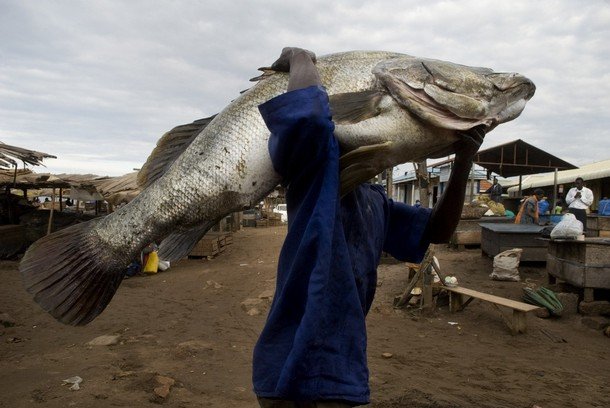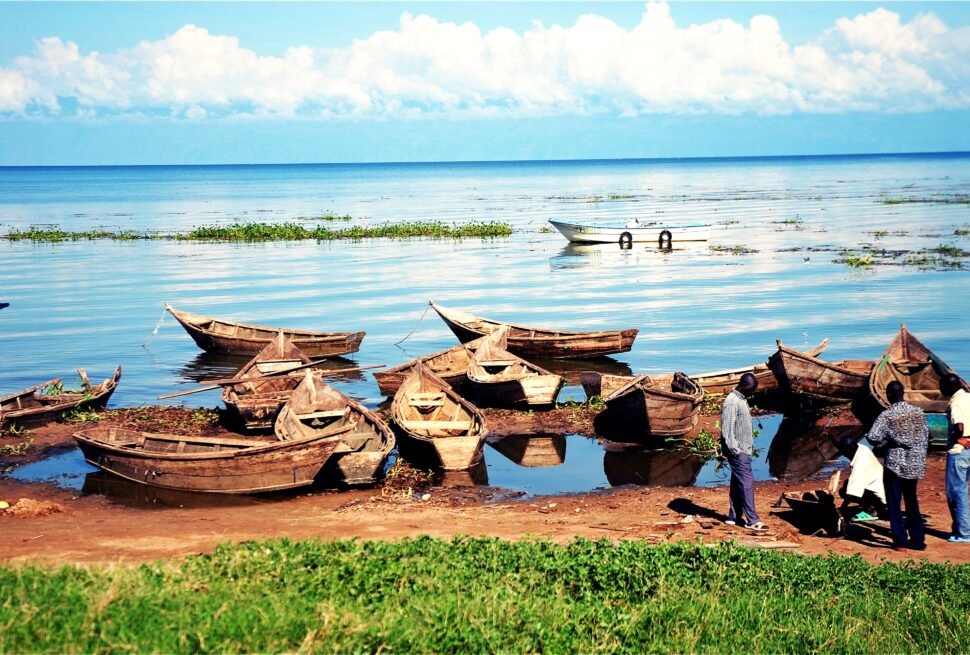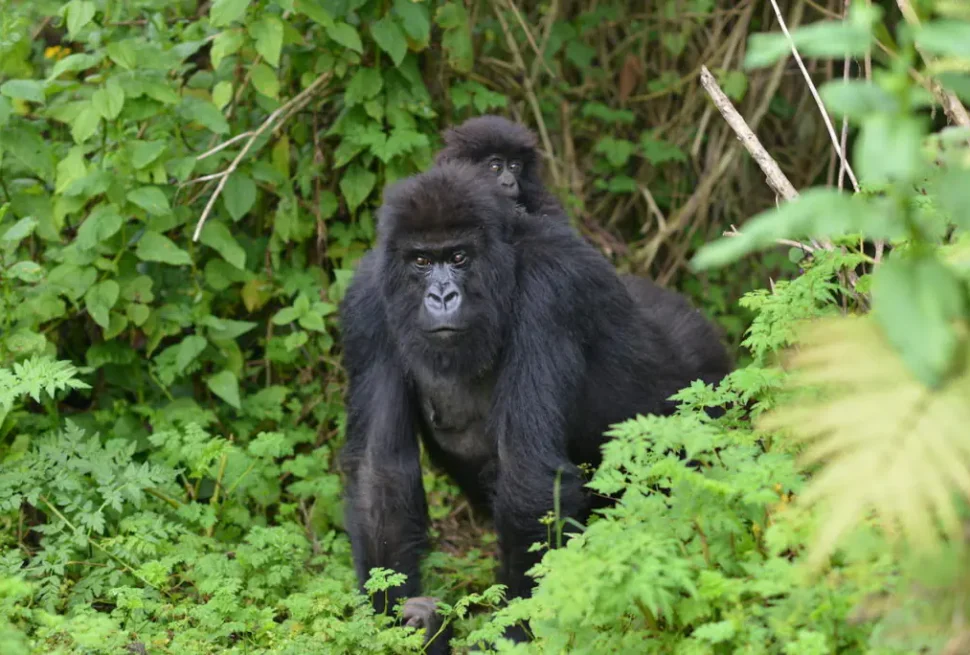

Uganda is one of very few countries where a traveller can spend a morning on the water after Nile perch and be standing at a gorilla trailhead a few days later. The two activities sit at opposite ends of the country and in completely different landscapes, which is precisely why combining them takes planning rather than a single booking. This guide is about that combination — the realistic routing, how many days it actually needs, and where the honest trade-offs are.
It is not a fishing guide or a gorilla guide. Both already exist on this site and are linked below. What follows is the logistics of doing both in one itinerary without losing days to unnecessary transit.
Why the Combination Is Harder Than It Looks
Uganda’s fishing is concentrated in the centre and north-west: the Nile at Jinja and below Murchison Falls, Lake Victoria, Lake Albert, and the smaller waters around Lake Mburo. Mountain gorilla trekking happens in the far south-west, in Bwindi Impenetrable National Park and Mgahinga Gorilla National Park.
Those two areas are not close. There is no short transfer between a morning’s fishing on the Nile and a gorilla briefing in Bwindi, and any itinerary that implies otherwise is misleading. Combining them is entirely feasible, but it takes a multi-day road trip with at least one intermediate stop, or a domestic flight on one leg. Travellers who assume the two can be done around a single base will be disappointed.
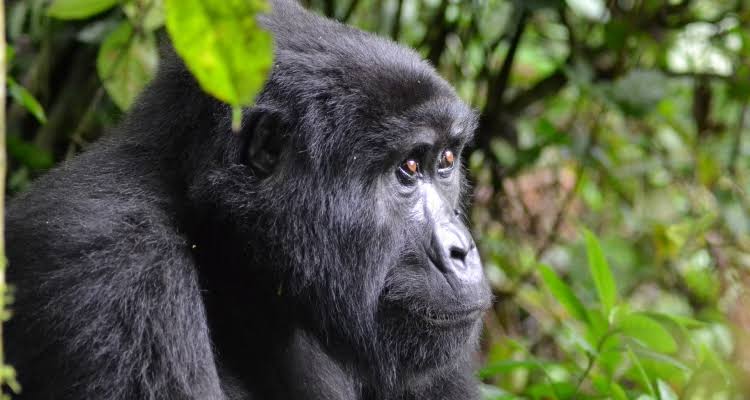
The corollary is worth stating plainly: gorilla trekking in Uganda happens in Bwindi and Mgahinga only. It is not available in the fishing areas of Murchison Falls, Lake Mburo or Jinja, and it does not exist in Kenya or Tanzania at all. Mountain gorillas are found in Uganda, Rwanda and DR Congo only.
Where the Fishing Happens
Four areas come up repeatedly for travelling anglers, and each pairs differently with a gorilla leg.
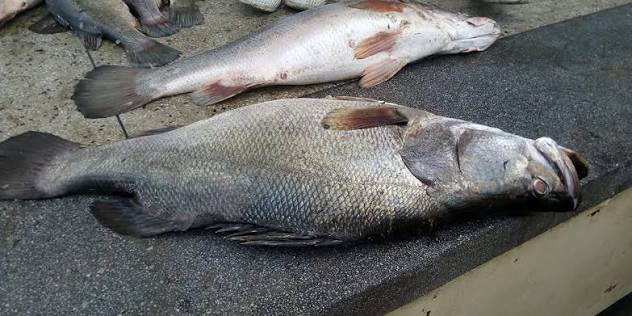
Jinja and the source of the Nile. The most accessible fishing from Entebbe and Kampala, and the natural first stop on a trip that will later head west. Nile perch is the headline species here, with boat-based fishing on Lake Victoria and the river. This is the easiest place to build in a fishing day without adding significant transit.
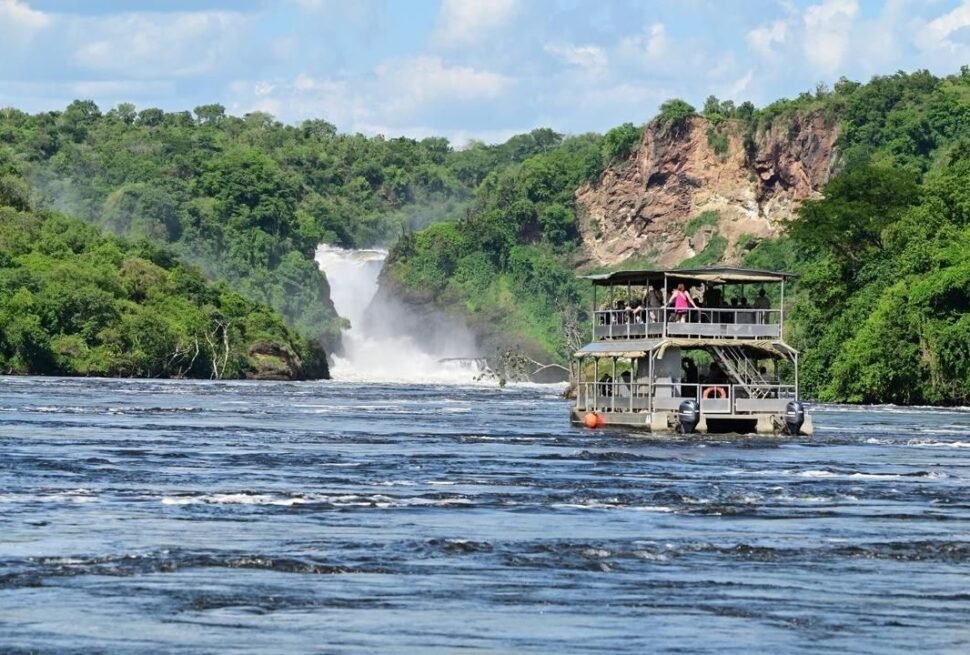
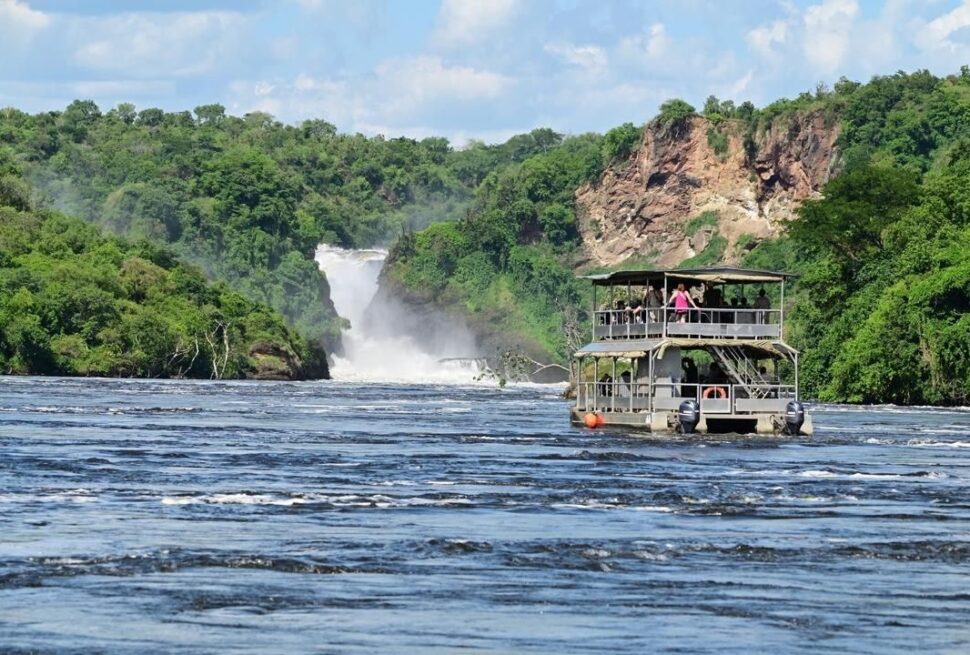
Murchison Falls National Park. The Nile above and below the falls, with boat-based fishing arranged through park operators. Murchison also delivers savannah game viewing, which makes it a strong two-purpose stop — but it sits in the north-west, which lengthens the route to Bwindi considerably.
Lake Albert. A large, less-developed fishery on the Albertine Rift floor. Serious fishing, less tourism infrastructure, and a stop that suits travellers already committed to the western route.
Lake Mburo National Park. The smallest of the fishing options and the closest of the four to the gorilla parks. Useful as a break in the drive south rather than as a fishing destination in its own right.
Target species, seasons, catch-and-release practice and the licensing requirements differ between these waters, and they are not uniform. Confirm target species and current rules with your operator for the specific water body before committing to a date — and note that fishing licences and park fishing permits are issued by different authorities depending on where you are.
Three Realistic Itinerary Shapes
Three structures work, and the right one depends on how much time is available.
The short version: Jinja plus Bwindi. Fishing at Jinja on the way out of Entebbe, then a westward road transfer to Bwindi with a night en route. This is the minimum sensible combination, and it uses Jinja because it adds the least transit. Expect a compressed schedule — this is a taste of both, not a deep version of either.
The central version: Jinja or Lake Mburo, then Bwindi, with Queen Elizabeth in between. Adding Queen Elizabeth National Park breaks the drive south into manageable stages and gives the trip a savannah component. Lake Mburo works as a first fishing stop on this route.
The long version: Murchison Falls or Lake Albert, then south. The most substantial fishing, and the longest transit. Murchison to Bwindi is a serious drive requiring at least one overnight stop, and the itinerary needs the days to support it. This version suits travellers with two weeks or more.
None of these shapes includes gorilla trekking in the north. The gorilla leg is always the south-west, whatever the fishing route looks like.
Budgeting: What Is Verified and What Isn’t
Gorilla permit prices are published and fixed. Fishing costs are not, because they depend on the water body, the operator, boat hire, gear, and licensing — quoting a single number would be misleading. The table separates the two accordingly.
| Element | Where | Duration | Price (per person) |
|---|---|---|---|
| Gorilla trekking permit — Uganda | Bwindi Impenetrable NP and Mgahinga NP | 1 hour with a gorilla family | From $800 (From $600 in April, May and November) |
| Gorilla habituation experience | Rushaga sector, Bwindi Impenetrable NP only | 4 hours with a gorilla family | From $1,500 |
| Fishing — boat hire, guide, licences and park permits | Jinja, Murchison Falls, Lake Albert or Lake Mburo | Half or full day, varies by water | Set by the relevant authority and operator — confirm current rates when booking |
Two planning notes that matter more than the numbers. First, the gorilla permit is the fixed cost and the fixed date — build the itinerary around the permit date, not the other way round. Second, low-season gorilla permits (April, May and November) reduce the cost but coincide with wetter conditions, which affects both the forest trek and the fishing. Verify current permit rates and fishing licence requirements before travel — rules change.
Timing: When Both Work
Uganda’s drier windows, roughly December to February and June to September, are the standard advice for gorilla trekking and give firmer forest trails. Fishing is a different calculation, and water levels, clarity and species behaviour vary through the year in ways that matter more to anglers than to trekkers.
In practice, the drier months are the safest compromise — they are when the gorilla trek is most comfortable and when road transfers on the western route are least likely to be slowed by rain. The wetter months are workable for both activities but demand more buffer in the schedule, particularly on long driving days.
One consistent factor: gorilla permits are capped per day and per family, with a maximum of eight visitors per gorilla family, and the drier months fill first. Availability is not guaranteed at short notice — book well in advance, especially if the permit date is anchoring a longer fishing itinerary.
Practicalities: Age, Fitness and Packing Two Trips
The minimum age for mountain gorilla trekking is 15, and that constraint shapes family itineraries — a younger child can fish but cannot trek. Trekking also requires reasonable fitness; fishing does not, which is why some groups split for the forest day.
Packing for both in one trip means two distinct kits. For the forest: long trousers and sleeves, boots with grip, rain jacket, dry bag, gloves, water. For the water: sun protection, a hat, polarized sunglasses, and your own tackle if you are particular about it — confirm what the operator supplies rather than assuming. Uganda’s e-visa costs $50 and is applied for at visas.immigration.go.ug (verify current requirements before travel — rules change). Travellers combining Uganda with Rwanda and Kenya may want to weigh the East African Tourist Visa at $100 for 90 days of multi-entry travel across the three countries; the Uganda visa requirements guide covers when it helps and when it doesn’t. The Uganda–Russia visa waiver announced in October 2026 applies to diplomatic and service passports only, does not apply to ordinary tourist passports, and has not yet entered into force.
How to Book
A combined fishing and gorilla itinerary needs the permit date locked first and the fishing stops arranged around it. Afraeka Adventures is a licensed Ugandan operator based in Entebbe and Kampala, running gorilla trekking, primate safaris and fishing itineraries in Uganda, Rwanda, Kenya and Tanzania since 2018.
Contact Afraeka Adventures at info@afraekaadventures.com or use the enquiry form on our website. Useful starting points:
- Uganda gorilla trekking — the main trekking guide
- Uganda safari packages — itineraries that include both
- Uganda and Rwanda combined gorilla tours — if Rwanda is also on the route
- East Africa multi-country safaris
- All tour packages
- Enquiry form