Rwanda safari cost for two people is one of the most practical questions any couple or pair of friends asks before booking. The honest answer is that the final figure depends on your accommodation level, transport choice, permits, trip length, and travel season. Two travellers on the same route can spend very different amounts. This guide breaks down every cost category, explains what drives the numbers up or down, and helps you build a realistic budget before you enquire.
Quick Answer: What Shapes the Cost of a Rwanda Safari for Two People?
For two travellers sharing a room, your Rwanda safari budget is shaped by five main factors:
- Gorilla permits — the single largest fixed cost, paid per person
- Other activity permits — golden monkeys, chimpanzees, canopy walk, boat safaris
- Accommodation — the biggest variable, from simple guesthouses to luxury forest lodges
- Transport — private 4×4, shared group, or fly-in transfers
- Food, drinks, tips, and incidentals
The length of your trip multiplies everything except the permits. A longer trip means more nights, more driving days, and more meals — but the gorilla permit cost stays the same.
The Single Biggest Cost: Gorilla Permits
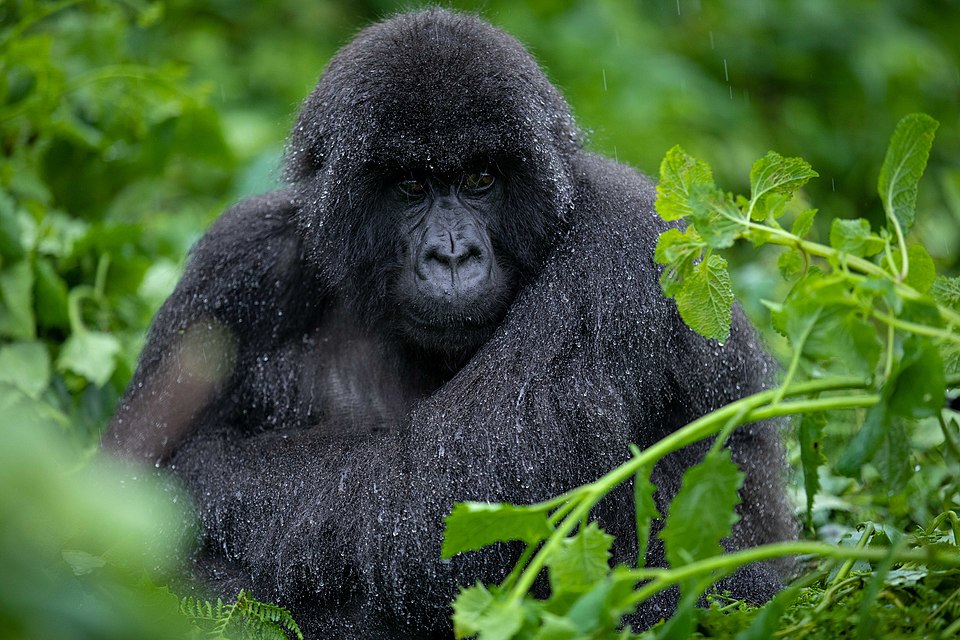
Mountain gorilla trekking permits in Rwanda are issued by the Rwanda Development Board (RDB). The permit is charged per person, so two travellers pay twice. The permit is non-refundable, non-transferable, and must be paid in full in advance to secure your trekking date.
Rwanda’s permit is the most expensive in the region. Many travellers who want to see gorillas on a tighter budget choose Uganda instead. But Rwanda’s permit gives access to Volcanoes National Park, easier logistics from Kigali, and often a smoother overall experience. The Rwanda Tourism Board markets the permit as part of a broader conservation and community-benefit model.
Planning note: Permits sell out months in advance in peak season (June–September and December–February). Book early, especially if you want specific trekking dates.
Other Permits and Activity Fees
Gorilla trekking is rarely the only activity on a Rwanda safari. Here are the additional activity costs to plan for, charged per person or per vehicle:
- Golden monkey trekking (Volcanoes NP) — charged per person
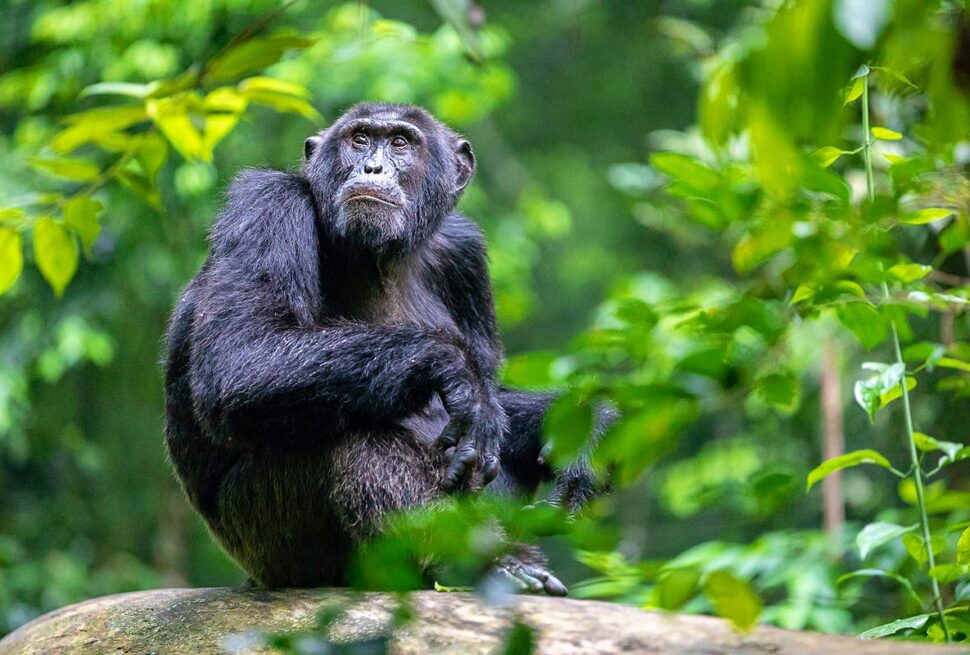
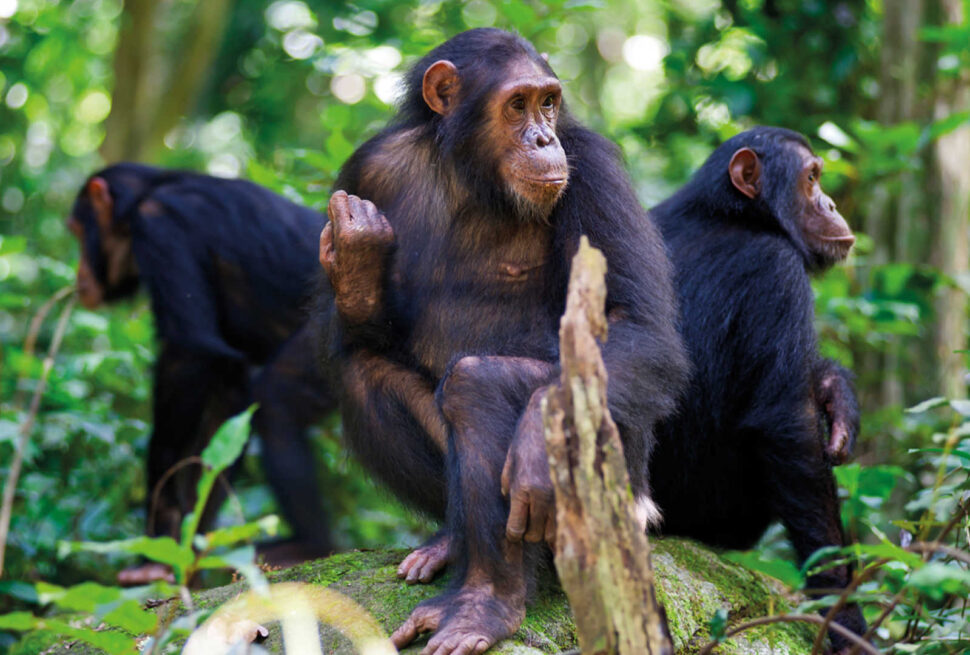
- Chimpanzee trekking (Nyungwe Forest NP) — charged per person
- Nyungwe canopy walk — charged per person
- Nyungwe colobus monkey trek — charged per person
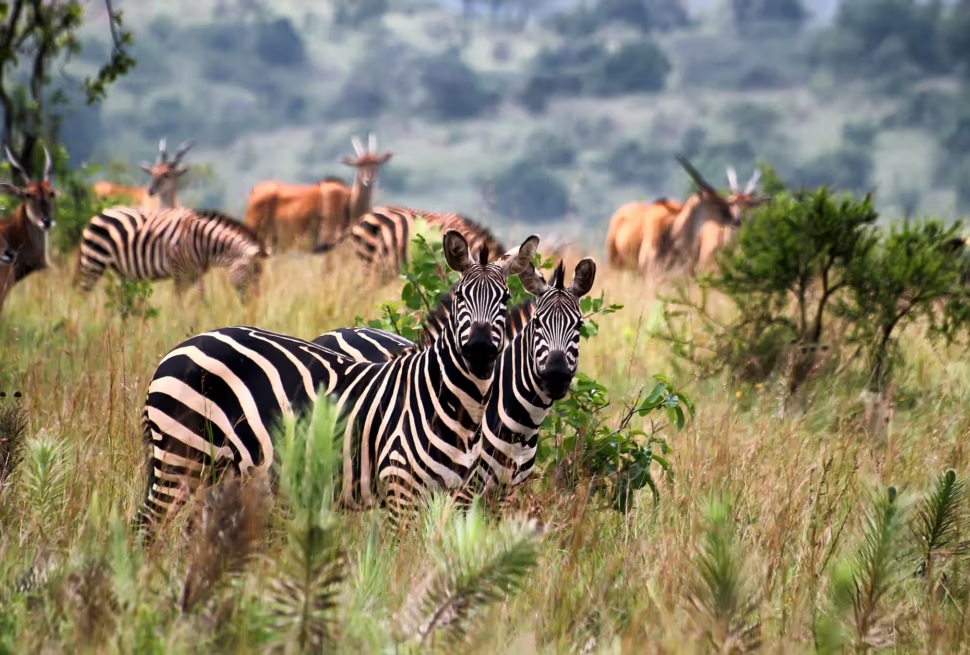
- Akagera National Park entry — charged per person per day
- Akagera vehicle entry — charged per vehicle per day
- Lake Ihema boat safari (Akagera) — charged per person
If your trip includes gorillas, golden monkeys, chimpanzees, and Akagera, the additional activity budget is meaningful — but far smaller than the gorilla permit itself.
Accommodation Costs for Two People
Accommodation is where your budget varies the most. Rwanda has lodges at every price point, from community guesthouses to ultra-luxury forest retreats.
- Budget: Guesthouses, hostels, and simple lodges outside the parks.
- Midrange: Comfortable lodges with en-suite rooms, hot water, and meals included.
- Luxury: Premium forest lodges, private decks, gourmet dining, and personalised service.
Most midrange lodges include meals (breakfast, lunch, dinner), which simplifies budgeting. Luxury lodges often include everything except premium drinks. Budget lodges may charge separately for meals.
The number of nights you spend inside a park versus in a nearby town also affects your total. In-park lodges charge a premium for location and convenience; town-based lodges are cheaper but add driving time to your itinerary.
Transport: Private 4×4 vs Shared vs Fly-In
Rwanda’s roads are good by regional standards, but the hills make driving slow. Most safari operators — including Afraeka Adventures — use private 4×4 vehicles with a driver-guide.
- Private 4×4 with driver-guide: the most flexible and comfortable option for two people. Charged per day, plus fuel.
- Shared group tours: cheaper per person but less flexible and often less comfortable for couples.
- Fly-in transfers: helicopters or light aircraft between parks save time but cost significantly more.
For a two-person trip, private 4×4 is usually the best balance of comfort, flexibility, and cost.
Food, Drinks, and Daily Extras
If your lodge includes meals, food costs are mostly covered. Otherwise, plan for restaurant meals in Kigali, lodge meals if not included, drinks, and bottled water.
Food and drink costs rise quickly at luxury lodges and in tourist areas, and are lower in local restaurants and markets. Travellers who want to keep costs down often choose midrange lodges that include full board.
Tips and Gratuities
Tipping is expected in Rwanda’s tourism sector, though amounts are flexible. Travellers typically tip:
- Driver-guide — per day per group
- Gorilla trekking porter — per porter (one porter per trekker is common)
- Park guide and trackers — per group, shared
- Lodge staff — per day per guest, often placed in a shared tip box
These amounts are not fixed. Many lodges provide guidance in-room.
Sample Cost Categories for a 7-Day Rwanda Safari for Two
Instead of quoting prices, here is how a 7-day midrange Rwanda safari for two travellers usually splits across cost categories. The percentages will shift depending on your choices, but the structure is consistent.
| Cost Category | Relative Weight |
|---|---|
| Gorilla permits (2 travellers) | Largest single cost |
| Other activity permits | Modest |
| Accommodation (6 nights, midrange) | Significant |
| Private 4×4 with driver-guide (7 days) | Significant |
| Food and drinks (supplement) | Moderate |
| Tips and gratuities | Modest |
| International flights, visa, insurance | Variable, not included in operator pricing |
When you request a quote from a Rwanda safari operator, ask them to break the total into these categories. That makes it much easier to compare offers and to see where you can save money without sacrificing the experience.
What Changes If You Choose a 10-Day Trip
A 10-day Rwanda safari adds cost across everything except the gorilla permits. You add:
- Extra nights of accommodation
- Extra days of vehicle and driver-guide
- Akagera park fees and boat safari
- More meals, tips, and incidentals
For a full 10-day itinerary, see our guide to a Rwanda safari itinerary for 10 days.
How to Reduce the Cost of a Rwanda Safari
- Consider Uganda for gorilla trekking. Uganda’s permit is significantly cheaper. Many travellers combine both countries.
- Travel in shoulder season. Late February to May and October to November often have lower lodge rates.
- Stay outside park boundaries. Lodges a short drive from park gates are usually cheaper than in-park accommodation.
- Share transport. Join a small group tour if you are flexible on dates.
- Do fewer gorilla treks. One trek per trip is enough for most travellers. A second trek adds another permit cost per person.
- Book directly with a local operator. Local Ugandan or Rwandan operators often offer better rates than international agencies.
Costs People Forget to Budget For
- International flights to Kigali — varies wildly by origin and season
- Travel insurance — often required for gorilla trekking
- Yellow fever vaccination — required for entry from many countries
- Malaria prophylaxis — recommended for most travellers
- Visa fees — check current rates with Rwanda’s immigration authority
- Gear rental — boots, gaiters, gloves, rain jackets
- Souvenirs and crafts
- Currency exchange and card fees
Is a Rwanda Safari Worth the Cost for Two People?
For travellers who can afford it, yes. Mountain gorillas are one of the world’s rarest wildlife experiences, and Rwanda’s compact size, good infrastructure, and well-organised tourism make it one of the easiest African safari destinations for first-time visitors. The Dian Fossey Gorilla Fund and other conservation bodies argue that the high permit fee directly funds gorilla protection and community development.
For travellers on a tighter budget, combining Uganda’s lower permit cost with Rwanda’s logistics (fly into Kigali, drive to Bwindi) is a popular alternative. See our guide to a 7-day Uganda–Rwanda primate safari for a cross-border option.
See the costs on a real route: Our 7-day Rwanda safari itinerary includes a permit fee table for gorillas, golden monkeys, chimpanzees and the canopy walk.
Frequently Asked Questions
How much does a 7-day Rwanda safari cost for two people?
A midrange 7-day Rwanda safari for two people typically costs a significant amount, dominated by the two gorilla permits. Budget and luxury versions vary widely. Request a detailed quote from a local operator to see the breakdown for your dates and preferences.
Why is Rwanda’s gorilla permit so expensive?
Rwanda’s permit is the highest in the region. The Rwandan government positions the price as a conservation and revenue measure that funds gorilla protection, national parks, and community development.
Can two people share a safari vehicle?
Yes. Private 4×4 safari vehicles usually seat several passengers, so two people travelling together have plenty of space. You can also share with another small group to reduce costs.
Is it cheaper to visit Rwanda or Uganda for gorillas?
Uganda is significantly cheaper. Uganda’s gorilla permit costs less than Rwanda’s. Uganda also offers more national parks and wildlife diversity, but Rwanda’s logistics are easier and faster.
What is included in the price of a Rwanda safari?
Most safaris include accommodation, meals, park fees, permits, a driver-guide, and 4×4 vehicle. International flights, visas, travel insurance, tips, and personal expenses are usually excluded. Always confirm what is included before booking.
How much should I budget for tips on a Rwanda safari?
Tipping is customary but flexible. Budget for your driver-guide, porters, park guides, trackers, and lodge staff. Most lodges provide guidance in-room.
Planning Your Rwanda Safari with Afraeka Adventures
Afraeka Adventures arranges Rwanda safari packages tailored to your budget, travel dates, and priorities. The team also runs combined 7-day Uganda–Rwanda primate safaris and longer 16-day Rwanda and Uganda gorilla trekking and Big Five safaris.
Whether you are travelling as a couple, a pair of friends, or part of a small group, Afraeka can build a route that matches your budget and priorities. See our 7-day Rwanda safari itinerary for a day-by-day example.
Plan Your Rwanda Safari With Afraeka Adventures
Turn this guide into a real itinerary. Our local team plans your dates, permits and lodges around your budget.
Official sources and further reading
About the author: Victoria Kayaga
Victoria Kayaga is a Ugandan-born safari expert and the founder of Afraeka Adventures, with over 7 years of experience in the East African tourism industry. She specializes in gorilla trekking, wildlife safaris and multi-country itineraries across Uganda, Rwanda, Kenya and Tanzania.