Rwanda safari itinerary 10 days gives you enough time to see the best of Rwanda without rushing. In ten days, you can combine mountain gorillas in Volcanoes National Park, chimpanzees and canopy walks in Nyungwe Forest, savannah wildlife in Akagera National Park, and the relaxed shores of Lake Kivu — all at a comfortable pace. This guide provides a practical day-by-day plan, honest driving times, and advice for making the most of a longer Rwanda trip.
Quick Answer: What Can You Do in 10 Days in Rwanda?
A well-paced 10-day Rwanda safari can include:
- 1–2 nights in Kigali — arrival, city tour, and cultural experiences
- 2–3 nights near Volcanoes National Park — gorilla trekking, golden monkeys, and community visits
- 2 nights in Akagera National Park — game drives and boat safaris
- 2 nights on Lake Kivu — boat trips, relaxation, and lakeside towns
- 2 nights in Nyungwe Forest — chimpanzees, canopy walk, and forest walks
- Return to Kigali for departure
With ten days, you can also add a night in Karongi (Kibuye) on Lake Kivu or extend your time in Akagera for a second full game drive. The key is to avoid packing too many regions into one trip. Rwanda’s roads are hilly and slow, and the best experiences — gorilla trekking, chimpanzee tracking, game drives — deserve unhurried time.
Why Rwanda safari itinerary 10 days Is the Sweet Spot
Seven days in Rwanda is enough for gorillas and one or two other regions. Ten days allows you to see all three of Rwanda’s main national parks — Volcanoes, Nyungwe, and Akagera — without feeling rushed. You can also spend meaningful time on Lake Kivu, which many travellers treat as an afterthought but which offers some of Rwanda’s most relaxing scenery and cultural experiences.
According to the Rwanda Tourism Board, the country receives over a million visitors annually, and tourism is a key pillar of the national economy. A ten-day trip lets you experience the diversity that makes Rwanda such a compelling destination: primates, savannah wildlife, rainforest, lakes, and one of Africa’s most dynamic capital cities.
Day 1: Arrive in Kigali
Most international flights arrive at Kigali International Airport. Depending on your arrival time, you can rest or begin exploring the city.
Suggested activities:
- Kigali Genocide Memorial — a UNESCO World Heritage Site since 2023, it provides essential context for understanding modern Rwanda.
- Kimironko Market — Kigali’s largest market for fresh produce, fabrics, and crafts.
- Caplaki Craft Village — a cooperative of local artisans selling wood carvings, baskets, and jewellery.
- Nyamirambo — one of Kigali’s oldest neighbourhoods, known for its lively streets and community-run walking tours.
Overnight: Kigali.
Planning note: If you arrive late, do not force a city tour. Rest and prepare for the days ahead.
Day 2: Kigali City Tour and Transfer to Akagera National Park
Spend the morning exploring Kigali before driving east to Akagera National Park. The drive from Kigali to Akagera takes approximately 2.5 to 3 hours on good roads.
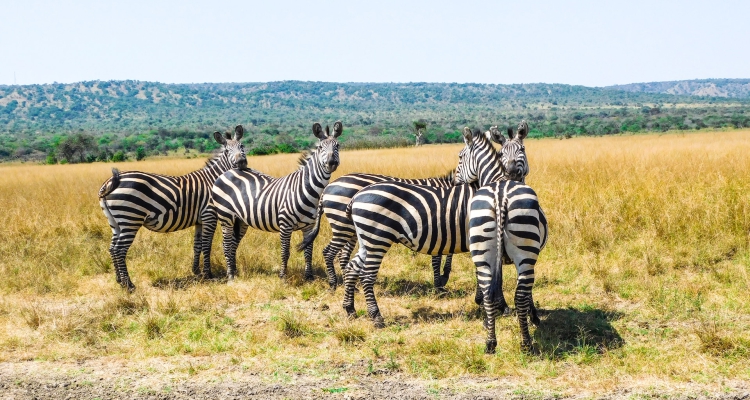
Akagera is Rwanda’s savannah park and is managed by African Parks in partnership with the Rwanda Development Board. It covers around 1,122 square kilometres and is home to the Big Five — lion, leopard, elephant, buffalo, and rhino — after successful reintroductions over the past two decades.
Afternoon: Arrive at your lodge and relax, or take a short evening game drive if time allows.
Overnight: Akagera National Park.
Day 3: Full-Day Game Drive and Lake Ihema Boat Safari
Spend a full day exploring Akagera’s varied habitats: savannah, wetlands, lakes, and woodland. Morning game drives offer the best chance of seeing lions, elephants, giraffes, zebras, and antelopes. The park is also a birdwatcher’s paradise, with over 500 recorded species.
Afternoon: Take a boat safari on Lake Ihema, where you can see hippos, crocodiles, and water birds. The lake is one of the largest in Rwanda and forms part of the Akagera river system.
Overnight: Akagera National Park.
Day 4: Akagera to Kigali and Transfer to Volcanoes National Park
Drive back to Kigali and continue northwest to Musanze, the gateway to Volcanoes National Park. This is a long driving day — approximately 5 to 6 hours in total — so leave early and allow time for breaks.
Afternoon: Arrive in Musanze and rest, or take a short walk around the town.
Overnight: Musanze or near the park entrance.
Planning note: If you prefer a more relaxed pace, consider adding a night in Kigali between Akagera and Volcanoes.
Day 5: Gorilla Trekking in Volcanoes National Park
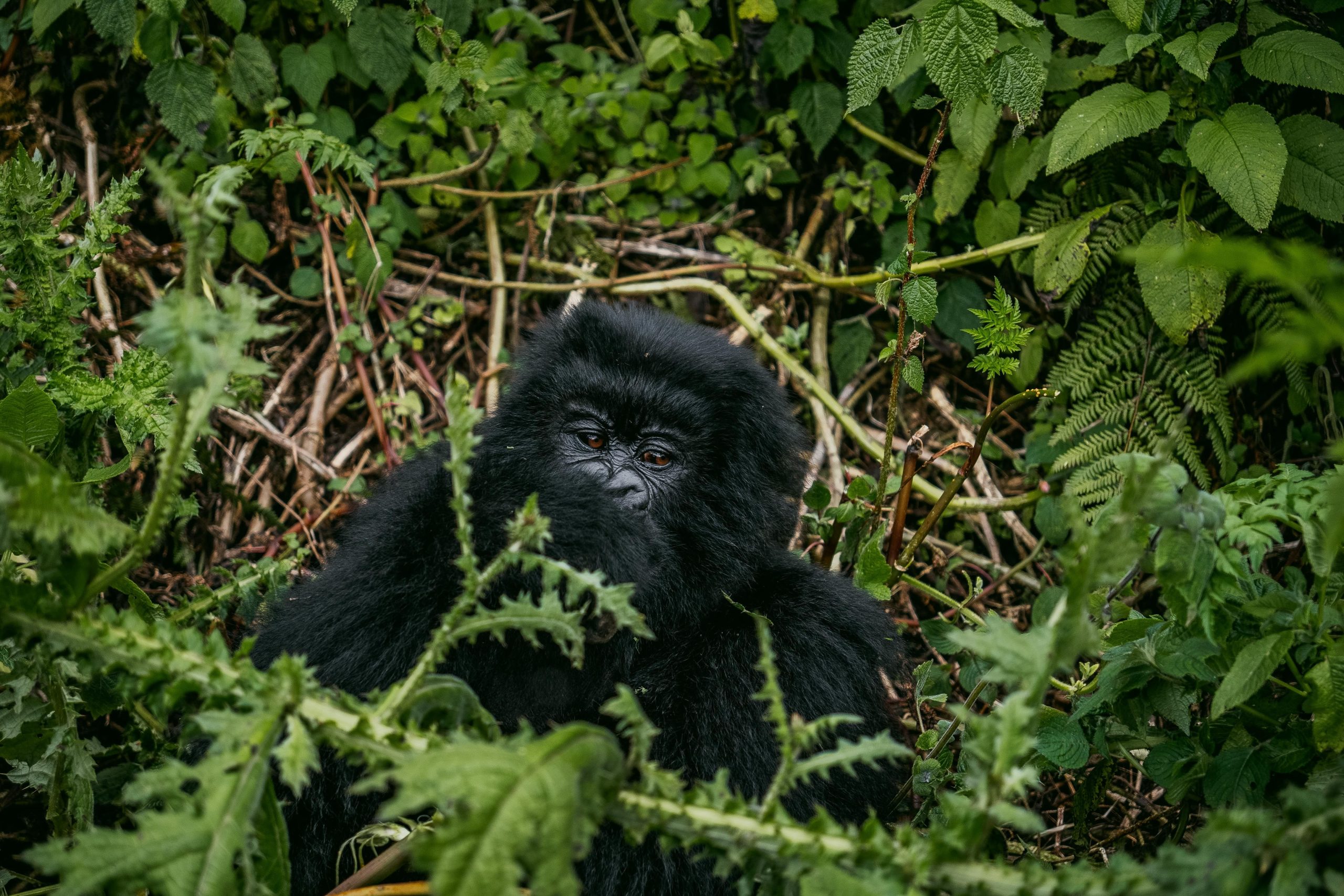
This is the highlight for many travellers. You will be assigned a gorilla family and a trekking group based on fitness level and group dynamics. Trek duration varies from under an hour to several hours, depending on where the gorillas are and how muddy the trails are.
What to expect:
- Early morning briefing at the park headquarters in Kinigi.
- Guides and trackers lead small groups of up to eight visitors per gorilla family.
- You spend a strictly limited time with the gorillas — one hour — once they are found.
- Porters are available to carry bags and help on steep or muddy sections. Hiring a porter is a practical way to support local livelihoods.
Gorilla trekking permits are issued by the Rwanda Development Board. The international visitor permit is USD 1,500 per person. Book well in advance, especially in peak season (June–September and December–February).
Afternoon: Rest, or visit the Dian Fossey Gorilla Fund’s Ellen DeGeneres Campus for a deeper understanding of gorilla conservation.
Overnight: Musanze or near the park.
Day 6: Golden Monkey Trekking and Community Experience
Spend the morning trekking golden monkeys, a distinct species found only in the Virunga Massif. Golden monkey trekking is usually shorter and less strenuous than gorilla trekking, making it a good option for travellers who want a second primate experience.
Afternoon: Visit a local community project — such as a traditional dance performance, a basket-weaving cooperative, or a visit to a local school — to learn about Rwandan culture and contribute directly to the local economy.
Overnight: Musanze or near the park.
Day 7: Volcanoes National Park to Lake Kivu
Drive from Musanze to Lake Kivu. The closest lakeside town is Rubavu (Gisenyi). The drive is usually around 1.5 to 2 hours.
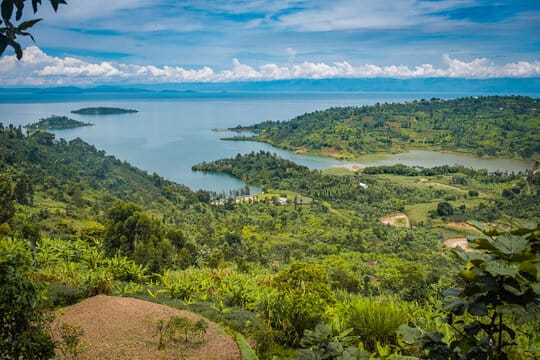
Lake Kivu is one of Africa’s Great Lakes and forms part of the border between Rwanda and the Democratic Republic of Congo. The Rwandan shoreline is known for relaxed towns, boat trips, and views of the lake and surrounding hills.
Suggested activities:
- Boat trip on Lake Kivu — visit islands or fishing communities.
- Relax at a lakeside lodge or beach area.
- Coffee or tea experience nearby.
- Sunset views over the lake and the Congo Nile Divide.
Overnight: Rubavu/Gisenyi.
Day 8: Lake Kivu to Nyungwe Forest National Park
Drive south toward Nyungwe Forest. If you are coming from Rubavu, the drive can take 5 to 6 hours or more depending on the route and stops. Many travellers break the journey at Karongi (Kibuye), a picturesque lakeside town halfway down the lake.
Nyungwe Forest National Park is one of Africa’s oldest rainforests. It is known for chimpanzees, colobus monkeys, other primates, birds, and the famous canopy walkway. The forest has 13 primate species, making it one of the richest primate habitats in East Africa.
Afternoon: Arrive in Nyungwe and relax, or take a short forest walk.
Overnight: Nyungwe area.
Day 9: Chimpanzee Trekking and Nyungwe Forest Activities
Start early for chimpanzee trekking. Chimpanzee tracking in Nyungwe is less predictable than gorilla trekking because chimpanzees move fast and are not habituated in the same way as mountain gorillas. Sightings are possible but not guaranteed.
Other activities:
- Nyungwe canopy walk — a suspension bridge 70 metres above the forest floor.
- Colobus monkey trek — Nyungwe is home to large troops of black-and-white colobus monkeys.
- Birdwatching — Nyungwe is a major birding destination with over 300 recorded species, including several Albertine Rift endemics.
- Waterfall hike.
- Tea plantation visit.
Overnight: Nyungwe area.
Day 10: Nyungwe to Kigali and Departure
Drive back to Kigali. The drive from Nyungwe to Kigali is usually 5 to 6 hours. If your flight departs the same day, leave early and allow a buffer for delays.
If time allows in Kigali:
- Kigali Genocide Memorial.
- Craft market.
- Coffee shop or restaurant stop.
Overnight: Kigali, or depart.
Planning note: Do not book a morning departure from Kigali on the same day you leave Nyungwe. It is too risky. Overnight in Kigali and fly out the next day.
Alternative 10-Day Rwanda Safari: Focus on Primates and Culture
If you prefer a slower pace with more focus on primates and culture, consider this structure:
- Day 1: Arrive Kigali.
- Day 2: Kigali city tour and cultural experiences.
- Day 3: Kigali to Volcanoes National Park.
- Day 4: Gorilla trekking.
- Day 5: Golden monkey trekking and community visit.
- Day 6: Volcanoes to Lake Kivu.
- Day 7: Lake Kivu relaxation and boat trip.
- Day 8: Lake Kivu to Nyungwe Forest.
- Day 9: Chimpanzee trekking and canopy walk.
- Day 10: Nyungwe to Kigali and departure.
This itinerary skips Akagera but gives you more time in Rwanda’s rainforests and lakeside towns. It is ideal for travellers who prioritise primates and scenery over savannah wildlife.
Rwanda Safari Costs: What to Budget for 10 Days
Costs vary widely by season, accommodation level, group size, and transport. The following are planning categories, not quotes.
- Gorilla permit: USD 1,500 per international visitor.
- Chimpanzee permit: Much lower than gorilla permits.
- Golden monkey permit: Lower than gorilla permits.
- Park entry and vehicle fees: Apply in all national parks.
- Accommodation: Budget, midrange, and luxury options vary significantly.
- Transport: Private 4×4 with driver-guide is common. Fuel and driver costs add up.
- Meals and drinks: Often included at lodges, but not always.
- Tips: For guides, porters, trackers, and lodge staff.
- Travel insurance: Strongly recommended and often required for gorilla trekking.
Budget tip: Gorilla trekking is the single largest cost. If you are travelling on a tighter budget, consider fewer gorilla permits and more time in Akagera, Nyungwe, or Lake Kivu.
Best Time for a 10-Day Rwanda Safari
Rwanda can be visited year-round, but conditions vary.
- June to September: Dry season. Good for trekking and game drives. Popular and busy.
- December to February: Short dry season. Also good.
- March to May: Long rains. Muddy trails, lush scenery, fewer crowds.
- October to November: Short rains. Variable conditions.
Gorilla trekking takes place year-round, but muddy conditions in the rainy season make good boots, gaiters, and a rain jacket essential.
Common Mistakes to Avoid on a 10-Day Rwanda Safari
- Trying to see all of Rwanda in 10 days. You will spend too much time driving.
- Booking a morning flight on the same day you leave Nyungwe or Akagera. Allow a buffer night in Kigali.
- Underestimating driving times. Roads are hilly and slow.
- Forgetting to book gorilla permits early. They can sell out in peak season.
- Packing inadequate footwear. Gorilla trekking can be muddy and steep.
- Ignoring fitness. Gorilla trekking can be physically demanding at altitude.
- Not confirming current fees. Permit prices, park fees, and visa rules can change.
Short on time? Our 7-day Rwanda safari itinerary fits gorillas, Lake Kivu and Nyungwe into a tighter route, and includes a permit fee table.
Frequently Asked Questions
Is 10 days too long for a Rwanda safari?
No — 10 days is ideal for seeing all three national parks, Lake Kivu, and Kigali without rushing. It also allows for rest days and deeper cultural experiences.
Can I see gorillas and Akagera in 10 days?
Yes. Ten days gives you enough time to visit Akagera, Volcanoes National Park, Lake Kivu, and Nyungwe Forest at a comfortable pace.
How much does a 10-day Rwanda safari cost?
It depends on gorilla permits, accommodation level, transport, and group size. The gorilla permit alone is USD 1,500 per international visitor. A full trip can range from budget to luxury depending on choices.
Do I need a visa for Rwanda?
Many nationalities can obtain a visa on arrival or an East Africa Tourist Visa. Rules change, so confirm with Rwanda’s Directorate General of Immigration and Emigration before travel.
Is Rwanda safe for tourists?
Rwanda is generally considered a safe destination for organised tourism. Follow normal travel precautions and use reputable operators.
What should I pack for gorilla trekking?
Sturdy waterproof boots, long trousers, long socks, gaiters, gardening gloves, rain jacket, hat, sunscreen, insect repellent, and a small daypack.
Planning Your Rwanda Safari with Afraeka Adventures
Afraeka Adventures arranges Rwanda safari packages that combine gorilla trekking, chimpanzee tracking, wildlife game drives, and cultural experiences. The team also runs combined 7-day Uganda–Rwanda primate safaris and longer 16-day Rwanda and Uganda gorilla trekking and Big Five safaris.
Whether you want a Rwanda-only itinerary or a cross-border adventure that includes Uganda, Afraeka can build a custom route around your travel dates and budget.
Plan Your Rwanda Safari With Afraeka Adventures
Turn this guide into a real itinerary. Our local team plans your dates, permits and lodges around your budget.
Official sources and further reading
About the author: Victoria Kayaga
Victoria Kayaga is a Ugandan-born safari expert and the founder of Afraeka Adventures, with over 7 years of experience in the East African tourism industry. She specializes in gorilla trekking, wildlife safaris and multi-country itineraries across Uganda, Rwanda, Kenya and Tanzania.