Combining Rwanda and Uganda safari is one of the most common requests in East Africa planning, and one of the most commonly misjudged. The two countries share a border, share the Virunga massif, and both offer mountain gorilla trekking — which leads many travellers to assume the combination is straightforward. It is feasible, but it involves a set of decisions that determine whether the trip works or turns into a series of long drives.
This guide is about those decisions: which country to trek gorillas in, how to route between them, whether to fly or drive, and when the East African Tourist Visa is worth it. It does not describe specific tour packages — that is what the combined tours page is for.
Why Combine Them at All
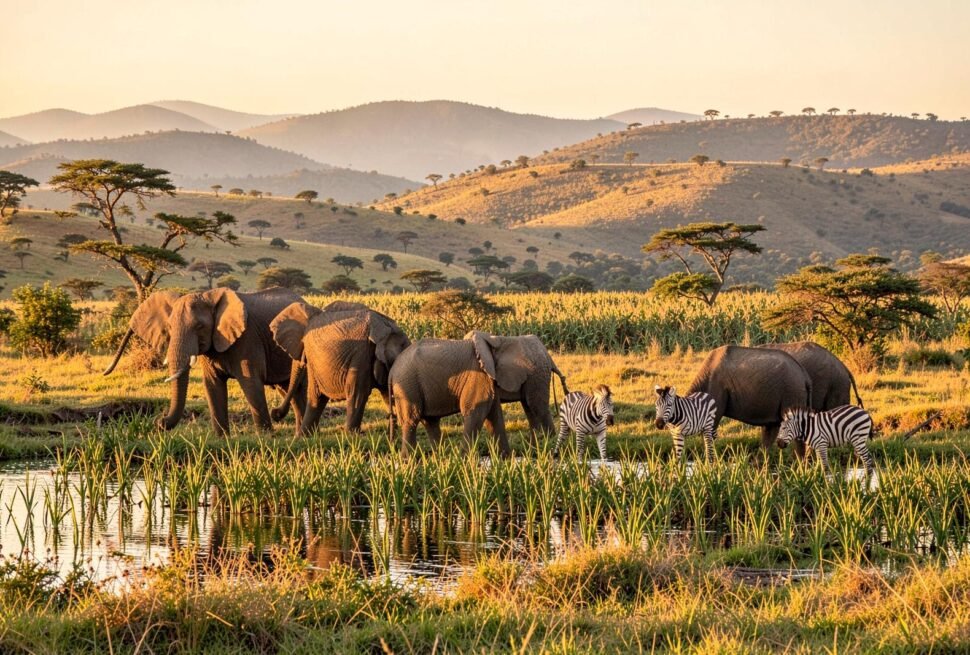
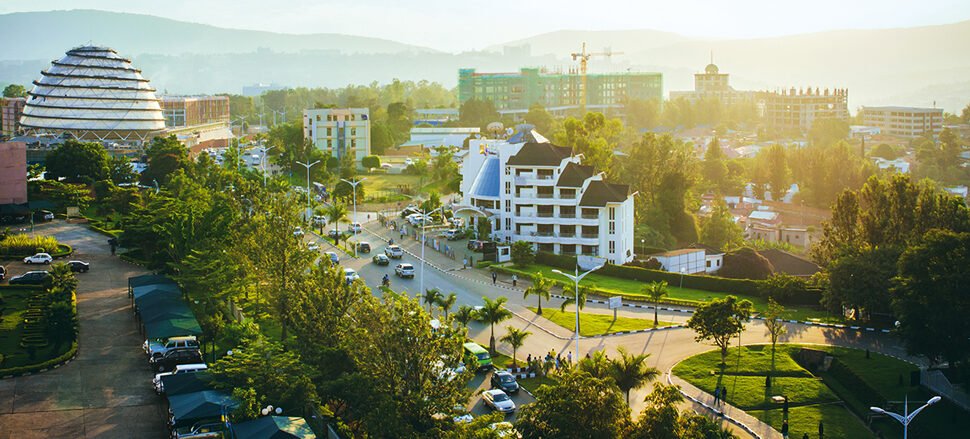
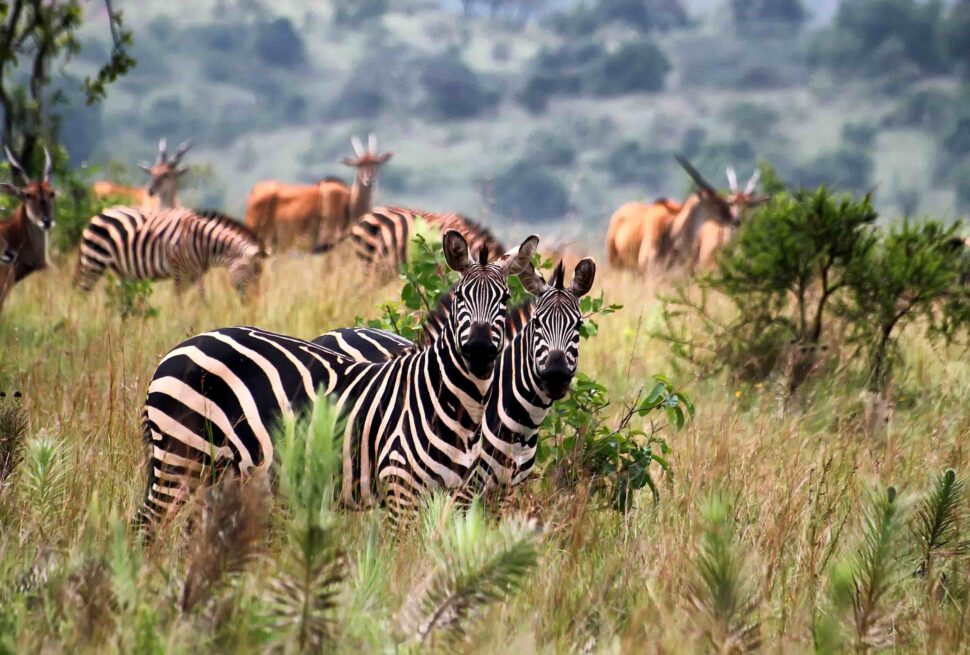
The case for a combined trip rests on what each country does better, not on ticking off two countries. Uganda is larger and more varied: savannah parks, the Nile, chimpanzee trekking at Kibale, and gorillas in Bwindi and Mgahinga. Rwanda is smaller, more compact, and easier to move around, with Volcanoes National Park for gorillas, Akagera for savannah game, and Nyungwe for forest primates and birds.
A combined itinerary lets a traveller take gorillas in one country and spend the remaining days on something the other country does better — typically chimpanzees, savannah game, or the Nile. That is the logic that makes the combination worth the extra border crossing. Combining the two purely to trek gorillas twice is a different, much more expensive proposition, and one that needs to be justified on its own terms.
The First Decision: Which Country for Gorillas
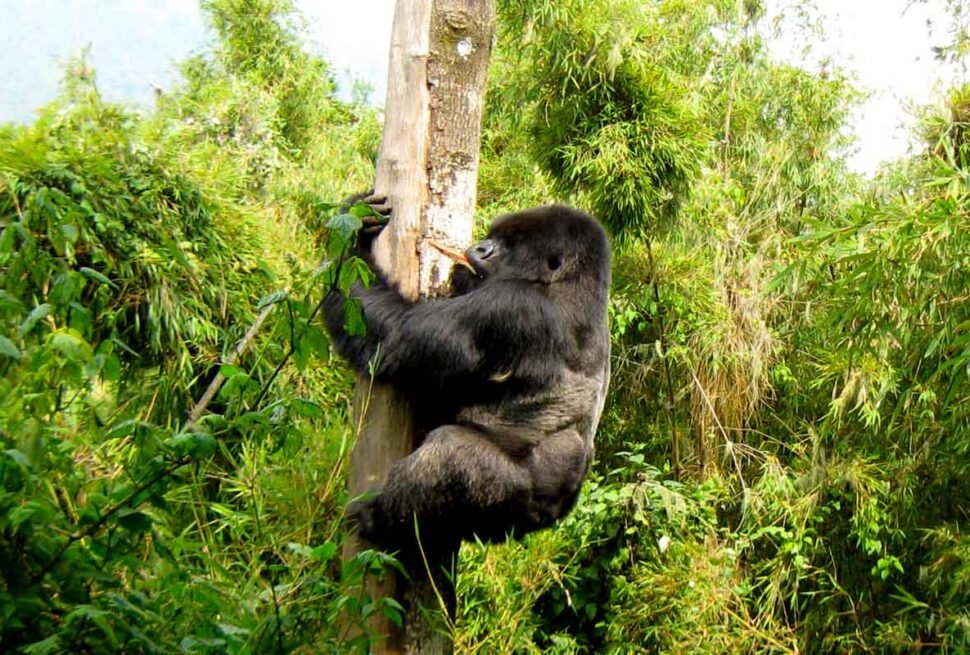
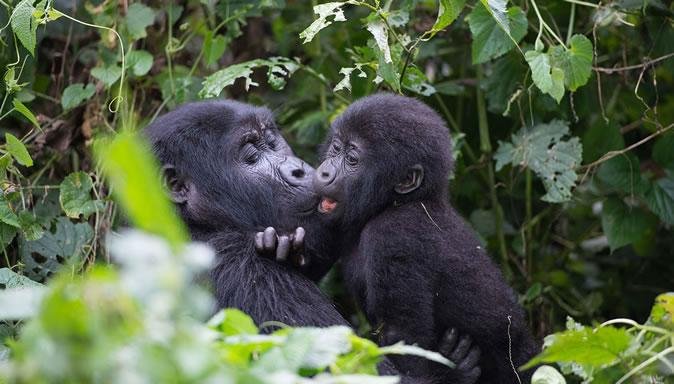
This decision shapes everything downstream, because the gorilla leg sets the route. Both countries offer genuine mountain gorilla trekking, and both are the real thing — the same species, in the same massif, under comparable protocols.
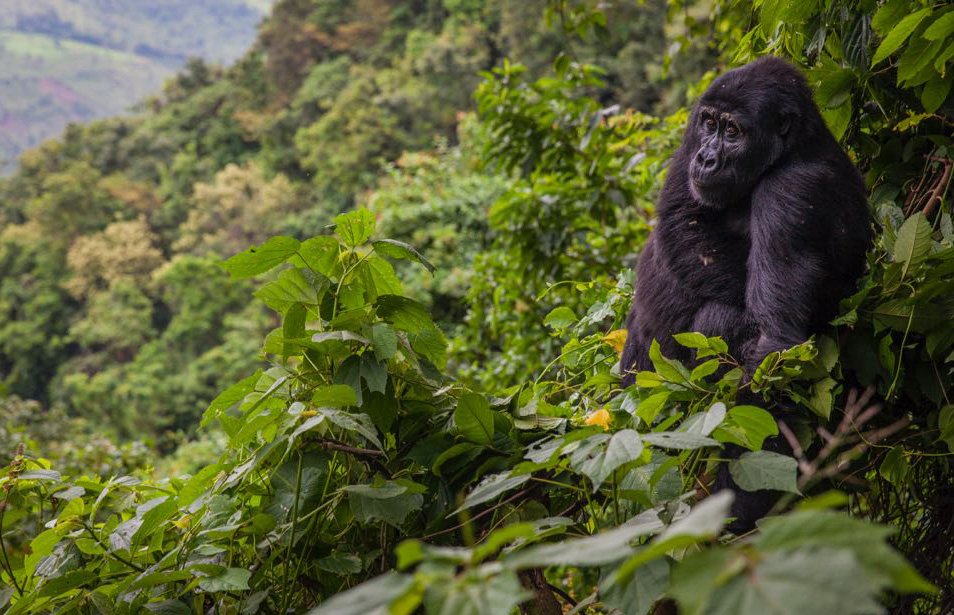
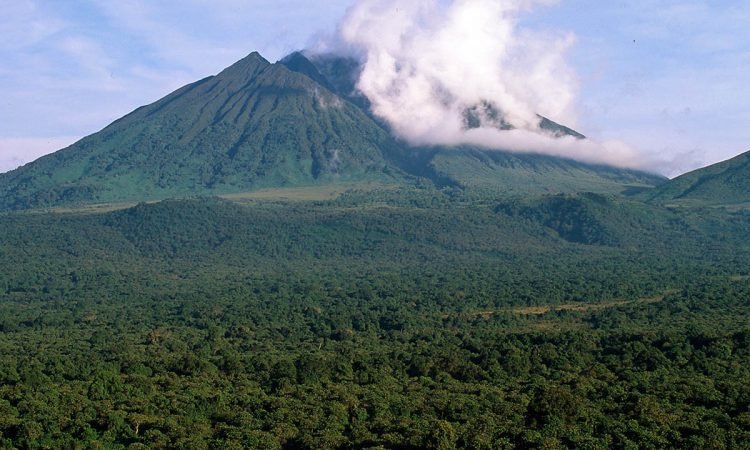
Uganda offers gorillas in Bwindi Impenetrable National Park and Mgahinga Gorilla National Park, in the far south-west. Rwanda offers gorillas in Volcanoes National Park, in the north-west. Both involve an early start, a guided forest walk, and one hour with a habituated family, with a maximum of eight visitors per gorilla family and a minimum age of 15.
The difference that drives most decisions is cost. Beyond cost, the considerations are practical: Rwanda’s park is closer to Kigali and the transfer is shorter and simpler; Uganda’s Bwindi is reached by a longer drive, or by a domestic flight, and sits within a country with more to do around it. Travellers who want a short, focused trip lean Rwanda. Travellers who want a longer trip with more variety lean Uganda.
For a detailed side-by-side, the site’s existing Uganda–Rwanda comparison covers the trade-offs in depth. What matters here is the consequence for routing: whichever country hosts the gorilla leg becomes the anchor, and the other country’s parks get arranged around it.
The Permit Cost Gap and What It Actually Means
The gap is substantial and worth setting out plainly, because it is the single biggest variable in a combined-trip budget.
| Permit | Where | Time with gorillas | Price (per person) |
|---|---|---|---|
| Gorilla trekking — Uganda | Bwindi Impenetrable NP and Mgahinga NP | 1 hour | From $800 (From $600 in April, May and November) |
| Gorilla habituation experience — Uganda | Rushaga sector, Bwindi Impenetrable NP only | 4 hours | From $1,500 |
| Gorilla trekking — Rwanda | Volcanoes National Park | 1 hour | From $1,500 (no low-season discount) |
| East African Tourist Visa | Uganda, Kenya and Rwanda | 90 days, multi-entry | From $100 |
Three things follow from those numbers.
First, Uganda’s low-season reduction is the only genuine seasonal gorilla discount in the region. April, May and November bring the permit down to $600, which is less than half the Rwandan rate. Rwanda’s permit does not vary with the season at all.
Second, Uganda’s habituation experience — four hours with a semi-habituated family in the Rushaga sector, at $1,500 — costs exactly the same as Rwanda’s standard one-hour trek. That comparison surprises travellers, and it is worth knowing before committing.
Third, the cost gap does not automatically make Uganda the better choice. A shorter transfer in Rwanda, a more compact itinerary, or a preference for a shorter trip can easily offset the permit difference once accommodation and transport are counted. The permit is a large line item, not the whole budget.
Permit prices are set by the respective wildlife authorities and are revised periodically — verify current rates before travel.
Three Routing Shapes That Work
Geography constrains the options more than most travellers expect. Rwanda’s Volcanoes National Park sits in the north-west near the Ugandan border; Uganda’s Bwindi sits in the far south-west. The two are not adjacent, and an itinerary that treats them as a short hop will be a punishing drive.
Shape one: Rwanda gorillas, Uganda everything else. Trek gorillas in Volcanoes National Park, cross into Uganda, and spend the remaining days on Kibale for chimpanzees, Queen Elizabeth for savannah, or Murchison Falls for the Nile. This suits travellers who want a short, efficient gorilla leg and a longer wildlife leg. It is the most common shape, and the most forgiving on transfer time.
Shape two: Uganda gorillas, Rwanda extension. Gorillas in Bwindi or Mgahinga, then south into Rwanda for Akagera’s savannah or Nyungwe’s forest, finishing in Kigali. This suits travellers who want the lower permit cost and a longer Uganda leg, with Rwanda as a compact finish. It also positions Kigali well for an onward flight.
Shape three: the full loop. Entebbe or Kigali in, a circuit taking in both countries’ parks, and out the other side. This is the most satisfying version and the one that needs the most days. Anything under about ten days will feel compressed, and the driving is substantial.
One routing rule worth stating plainly: do not build an itinerary that requires crossing the border twice. Border formalities add time, and a there-and-back crossing is almost always the sign of a route planned around park lists rather than geography.
Overland or Flying
The default is overland, with a private vehicle and guide throughout. It is flexible, it allows stops, and it is how most combined itineraries are built. The cost is time: road transfers between the major parks are long, and a combined trip accumulates a lot of driving.
Flying is the alternative, and it changes the shape of a trip rather than just the comfort level. Domestic flights within Uganda and between the two countries can replace the longest road legs, freeing days for actual wildlife viewing. This tends to make a shorter combined trip viable, and it is worth pricing before dismissing as a luxury.
Two honest caveats. Flight schedules in the region are limited and change, so an itinerary built around flights needs slack — a missed connection costs a day. And some park transfers still require road time at either end of a flight, so flying reduces the driving rather than eliminating it. Confirm current schedules and transfer arrangements before committing to a flight-based route.
Visas: When the East African Tourist Visa Is Worth It
A combined Rwanda and Uganda trip requires either two separate visas or one regional one, and the arithmetic is not as obvious as it looks.
Separately: Uganda’s e-visa costs $50 and is applied for at visas.immigration.go.ug. Rwanda’s e-visa costs $50 for single entry or $70 for multiple entry and is applied for at irembo.gov.rw. Two single-entry visas come to $100 — the same as the regional option, without the multi-entry flexibility.
The East African Tourist Visa costs $100, is valid for 90 days, allows multi-entry, and covers Uganda, Kenya and Rwanda. For a straightforward two-country trip it is roughly cost-neutral against two single-entry visas. Where it earns its place is in three situations: a trip that includes Kenya as well, an itinerary that involves re-entering a country, and a route that crosses a border more than once.
It is not automatically the right choice. Travellers visiting only Uganda, or only Rwanda, should not buy it. And it does not cover Tanzania, so a trip extending to the Serengeti or Zanzibar needs separate arrangements for that leg.
Two further points. Visa rules and fees change, so verify current requirements before travel — the figures above were last checked in November 2026. And a clarification worth repeating because it circulates widely: the Uganda–Russia visa waiver announced in October 2026 covers diplomatic and service passports only. It does not apply to ordinary tourist passports and has not yet entered into force.
The Uganda visa requirements guide sets out the Uganda side in more detail, including the application process.
When to Go on a Rwanda and Uganda Safari
Both countries sit close to the equator, and both have broadly similar drier windows — roughly June to September and December to February — which makes a combined trip easier to schedule than a trip spanning more widely separated regions.
The main practical constraint is gorilla permit availability. Permits are capped per day and per family, and the drier months fill first. Availability is not guaranteed at short notice, particularly for the December holiday period, so the permit date should be secured before accommodation and flights are booked.
If the combined trip includes Uganda’s low-season months, April, May and November bring the reduced $600 gorilla permit. Those months are wetter, with muddier forest trails and more rain on road transfers, but the saving is real. Since Rwanda offers no equivalent discount, a trip timed for Uganda’s low season and anchored on Ugandan gorillas is the cheapest way to combine the two countries.
Global mountain gorilla numbers sit at approximately 1,000 individuals, and the species is found in Uganda, Rwanda and DR Congo only. Gorilla trekking does not exist in Kenya or Tanzania, and any itinerary claiming otherwise is wrong.
How to Book
A combined Rwanda and Uganda itinerary is built around the gorilla permit date, with the rest of the route arranged to suit it. Permits are date-specific and capped, so early planning matters more here than on a single-country trip. Afraeka Adventures is a licensed Ugandan operator based in Entebbe and Kampala, running safaris and primate trekking in Uganda, Rwanda, Kenya and Tanzania since 2018.
Contact Afraeka Adventures at info@afraekaadventures.com or use the enquiry form on our website. Useful starting points:
- Uganda and Rwanda combined gorilla tours — the itineraries themselves
- Uganda gorilla trekking — the Uganda trekking product
- Rwanda gorilla trekking — the Rwanda trekking product
- East Africa multi-country safaris — for trips extending to Kenya or Tanzania
- Uganda safari packages
- All tour packages
- Enquiry form