Akagera National Park is Rwanda’s only savannah park, and it is the part of a Rwanda trip that most itineraries under-plan. Travellers arrive with a gorilla permit and a spare day, discover that Akagera is several hours east on the Tanzanian border, and either cut it or compress it into a single rushed afternoon. Neither is necessary. Planned properly, Akagera is a two- or three-night destination in its own right, with a distinct set of activities and a cost structure that is far easier to budget than the gorilla leg.
This guide covers the practical planning side: what the activities are, what a safari here actually costs, and three itinerary shapes that work. For what animals you can expect to see and where within the park they live, the guide to Akagera National Park wildlife covers that ground in detail.
What Akagera Is — and What It Isn’t
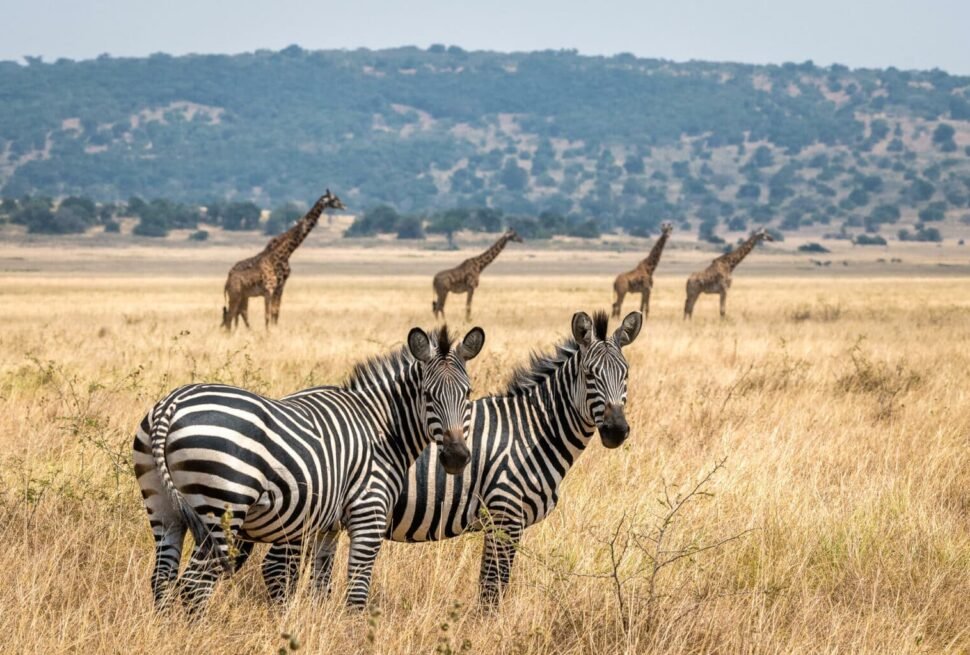
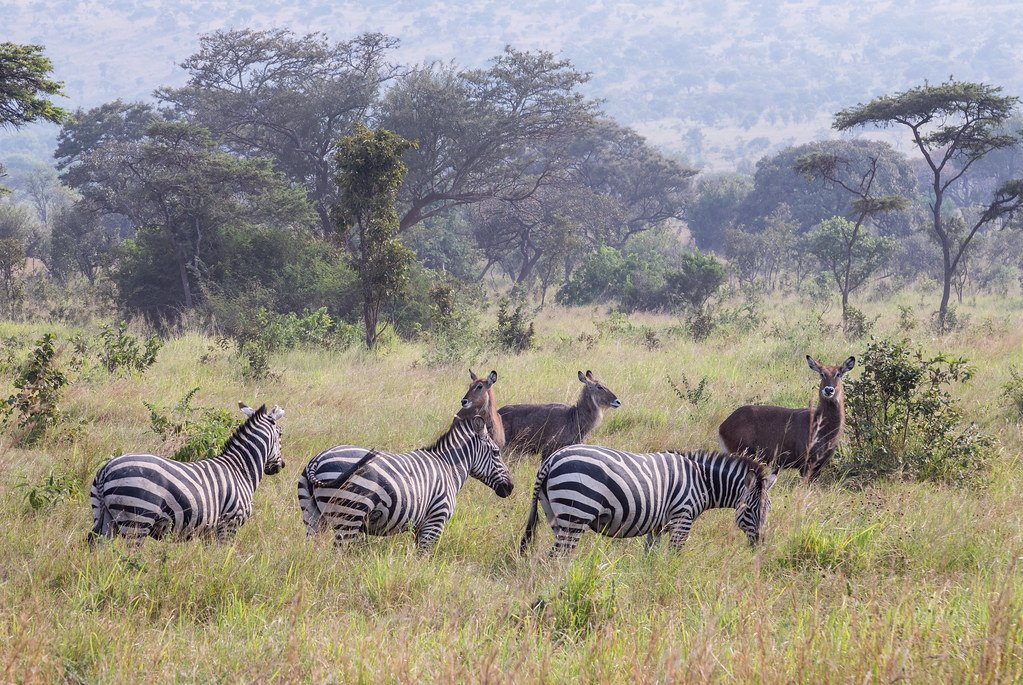
Akagera National Park is Rwanda’s only savannah park, and it is the part of a Rwanda trip that most Akagera National Park safari itineraries under-plan. The wildlife reflects that: elephant, buffalo, zebra, giraffe, a long list of antelope, hippo and crocodile in the wetlands, and reintroduced lion and rhino.
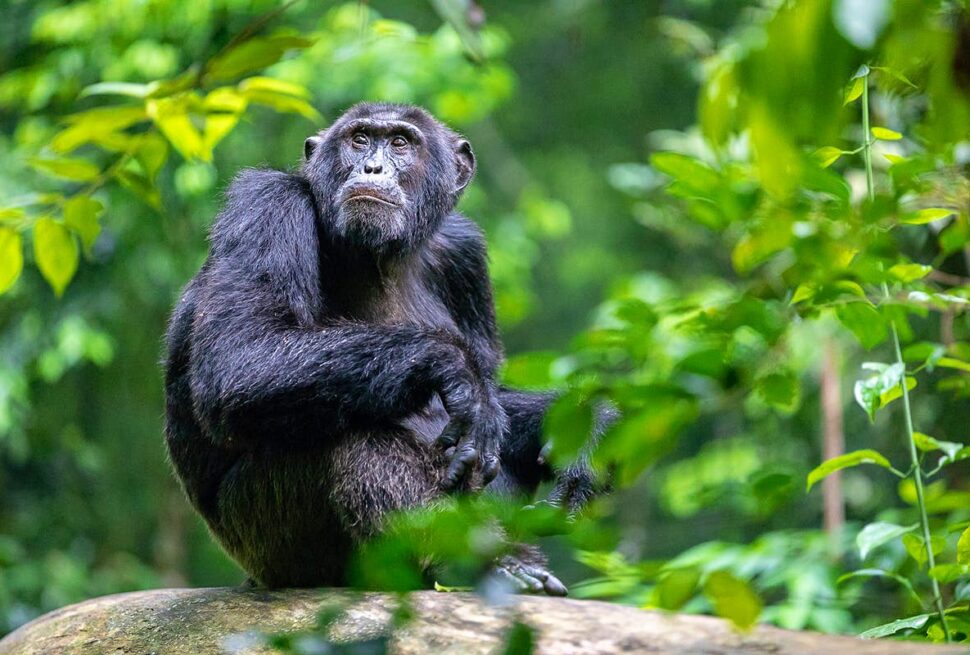
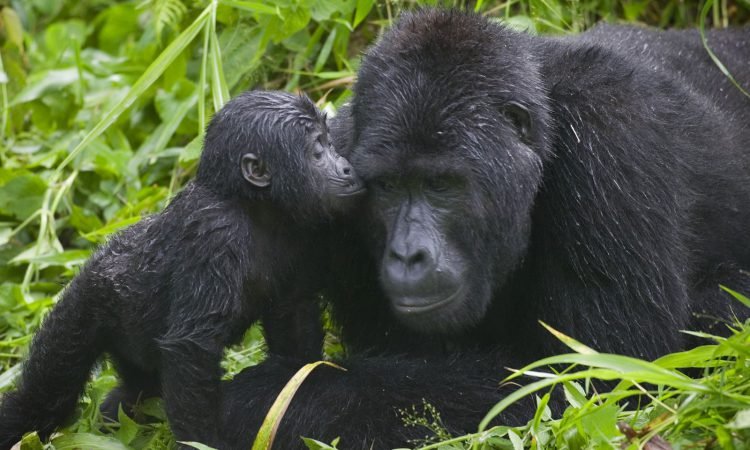
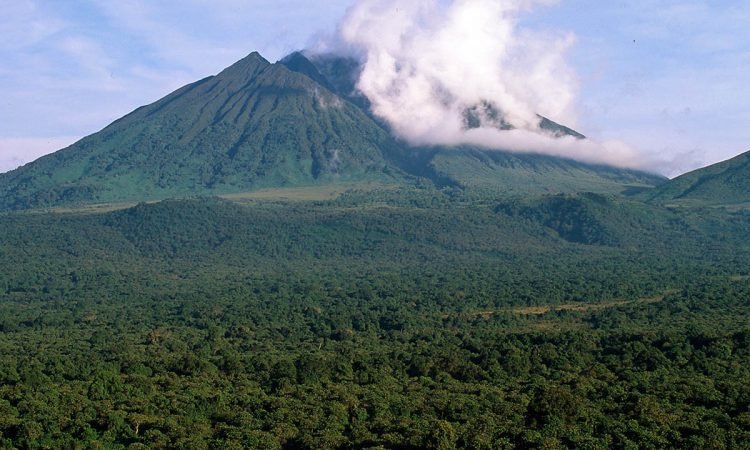
Three things it is not. It is not a gorilla park — mountain gorillas are in Volcanoes National Park in the north-west, a separate park several hours away, and gorilla trekking is not available in Akagera. It is not a park where predators are guaranteed; lion and rhino are present but sightings are not comparable in frequency to East Africa’s older, denser reserves. And it is not a park you can see properly in a half-day.
Setting those expectations early is useful, because most disappointment with Akagera traces back to an itinerary that gave it four hours.
The Activities, and What Each One Is Actually For
Akagera offers four distinct ways to see the park, and they are not interchangeable. Choosing the right mix is most of the planning.
Day game drives are the backbone of any Akagera safari and the best use of daylight. A full day of driving, with a guide routing on recent sightings rather than a fixed circuit, is what gives you zebra, giraffe, buffalo, elephant, topi, impala and — with luck — lion. Most visitors underestimate how much of the park a single day covers and how much a second day adds.
Night drives operate in designated sectors and reach species that daytime drives simply cannot: nocturnal predators, genets, bushbabies and hunting activity. This is the activity most often skipped and most often regretted, particularly by photographers.
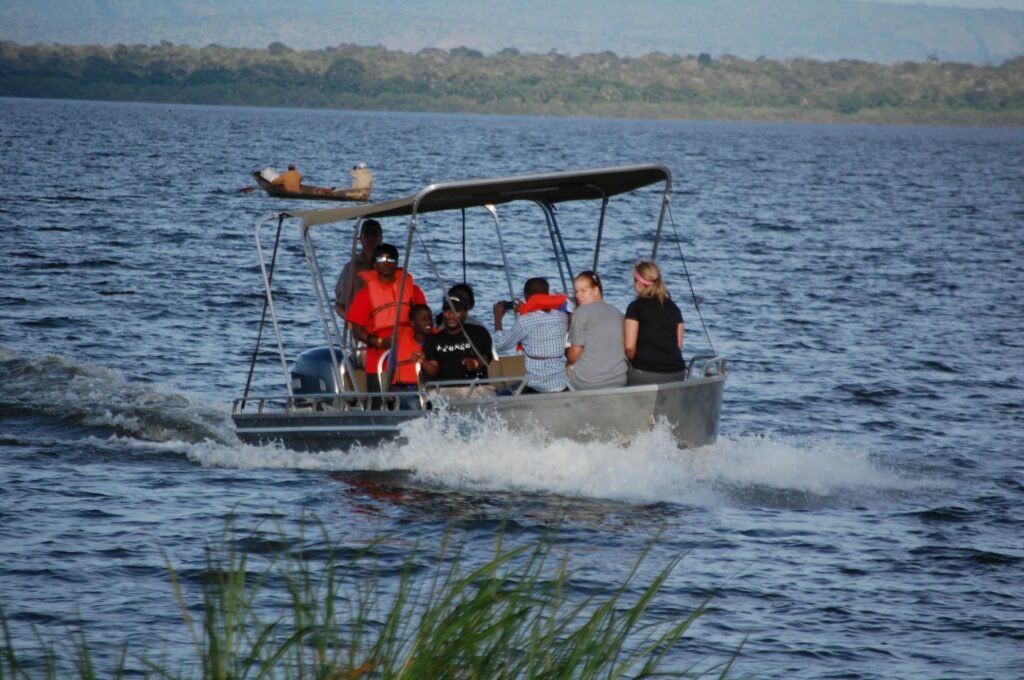
Boat safaris run on Lake Ihema and are the best-value hour in the park for many visitors. Hippo pods, crocodile on the banks, and dense waterbird activity are reliable, and the wetland gives the park’s best chance — never a guarantee — of a shoebill.
Guided walks are limited to designated areas but offer the detail a vehicle passes: tracks, birds, plants and the smaller species. Worth an hour or two, particularly for birders.
Two planning notes. First, activities are booked through the park and the accommodation you are staying at, and numbers per vehicle and per boat are limited — arrange them when you book the trip, not on arrival. Second, all activities are subject to park rules and seasonal track conditions, so confirm what is running before committing to a schedule.
What an Akagera Safari Costs
Park entry, activity fees and conservation levies are set by the park authorities and revised periodically. Rather than quote figures that may already have moved, the table sets out what each element is and where to confirm the current rate — with the one genuinely fixed cost in a Rwanda trip included for context.
| Element | What it covers | What drives the cost | Price (per person) |
|---|---|---|---|
| Park entry fee | Access to Akagera, per day | Set by the Rwanda Development Board; nationality and residency categories may apply | Confirm current rate when booking |
| Day game drive | Guided drive, vehicle and guide | Half or full day; whether the vehicle is exclusive | Confirm current rate when booking |
| Night drive | Guided drive after dark, designated sectors | Per person, subject to availability | Confirm current rate when booking |
| Boat safari | Guided boat on Lake Ihema | Per person, per departure | Confirm current rate when booking |
| Accommodation inside or near the park | Lodge or camp, board basis | Property tier, room category, season | Confirm current rates when booking |
| Gorilla trekking permit (for comparison) | Volcanoes NP — a different park in north-west Rwanda | Fixed by the Rwanda Development Board; no low-season discount | From $1,500 |
The comparison row is there because most travellers weighing Akagera are building a Rwanda itinerary that also includes gorillas, and the two costs sit in the same budget. They are separate products in separate parks — neither substitutes for the other, and Akagera does not reduce the cost of a gorilla permit.
On budgeting realistically: accommodation availability inside and immediately outside Akagera is limited, and this is the single biggest constraint on a last-minute booking. Peak-season premiums apply in the drier months, and lodge rates vary more than park fees do. Verify current rates before travel — they are revised periodically.
Three Akagera National Park Safari Itineraries
Akagera’s distance from the rest of Rwanda’s parks means the itinerary has to be built deliberately rather than added on.
One night: the minimum. An afternoon drive on arrival and a morning drive before departure, plus a boat safari if timing allows. This gives a general impression and reliably delivers plains game, giraffe, buffalo and hippo. It does not give a realistic chance of lion or rhino.
Two nights: the realistic minimum. Two full days of game drives, a night drive and a boat safari. This is the shortest version in which predators and rhino become a genuine possibility rather than a hope, and it is the shape most travellers should aim for.
Three nights: for photographers and birders. Enough time to work a sector properly, take two night drives, and give the wetlands the attention they deserve. Also the right length if shoebill is a priority rather than a bonus.
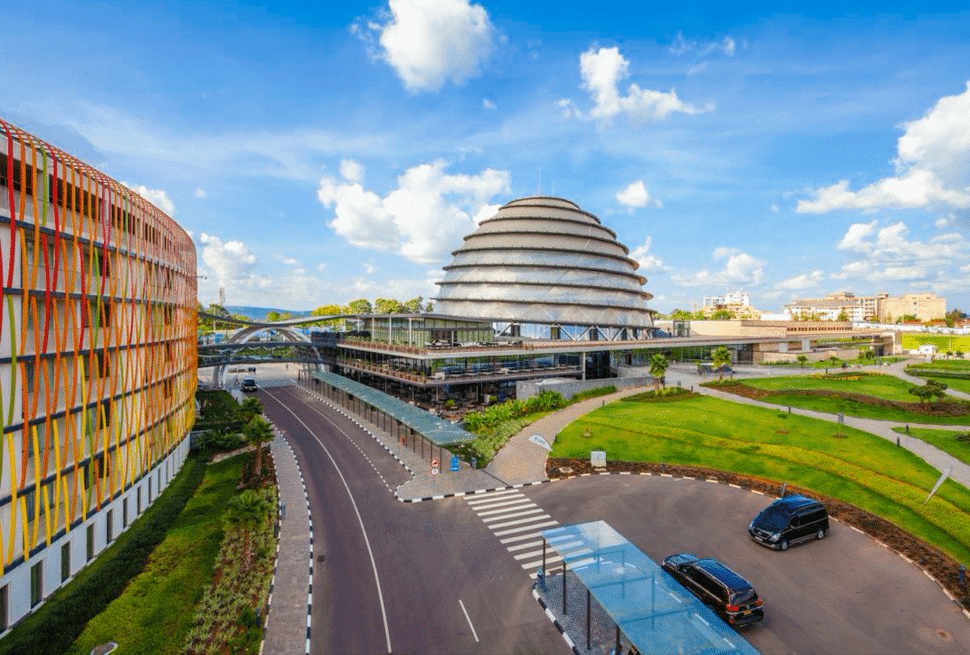
Where Akagera sits in a wider route: it pairs naturally with Kigali at one end and either Volcanoes National Park or Nyungwe Forest at the other. It does not pair neatly with a same-day transfer to the gorilla parks — the drive across the country is a real part of the schedule, not a footnote.
When to Go
Rwanda’s drier windows, broadly June to September and December to February, give the best game viewing in Akagera: vegetation thins, animals concentrate nearer water, and tracks are easier. The wetter months are greener and better for birds, but game disperses and some routes become difficult — and predators, already not guaranteed, are harder to find.
Because Akagera is savannah rather than forest, it is more weather-sensitive than the gorilla parks. A wet-season visit to Akagera produces a materially different experience from a dry-season one, whereas a wet-season gorilla trek changes mainly in comfort.
One consistent constraint: accommodation near the park is limited year-round and fills early in the drier months. Availability is not guaranteed at short notice, so book accommodation before building the rest of the itinerary around it.
Getting There, Entry Formalities and Practicalities
Akagera is reached by road from Kigali, and the drive is the standard approach; there is no practical scheduled flight into the park. Build the transfer into the itinerary as a half-day rather than assuming an early-morning arrival.
Rwanda’s e-visa costs $50 for single entry or $70 for multiple entry and is applied for at irembo.gov.rw (verify current requirements before travel — rules change). Travellers combining Rwanda with Uganda and Kenya may want to weigh the East African Tourist Visa, at $100 for 90 days of multi-entry travel across the three countries, though it does not suit every routing; the Uganda visa requirements guide covers the trade-offs for the Uganda leg.
Park fees and current conditions are published by the Rwanda Development Board — check before travel, as rates and activity schedules are revised periodically.
Practical kit for Akagera is different from the gorilla parks: sun protection, a hat, neutral clothing, binoculars and a good camera with reach. Dust is a factor in the dry months, so protection for gear matters. Insect repellent is essential near the wetlands. Walking shoes rather than boots are usually sufficient for the guided walks, though closed shoes are required.
How to Book
Akagera works best as a two- or three-night addition to a Rwanda itinerary, sequenced around a gorilla permit date rather than around convenience, and booked early because accommodation near the park is limited. Afraeka Adventures is a licensed Ugandan operator based in Entebbe and Kampala, running safaris and primate trekking in Uganda, Rwanda, Kenya and Tanzania since 2018.
Contact Afraeka Adventures at info@afraekaadventures.com or use the enquiry form on our website. Useful starting points:
- Rwanda safaris — the wider picture
- Akagera National Park wildlife — what you can expect to see
- Rwanda gorilla trekking — the forest half of a Rwanda trip
- Uganda and Rwanda combined gorilla tours
- East Africa multi-country safaris
- All tour packages
- Enquiry form