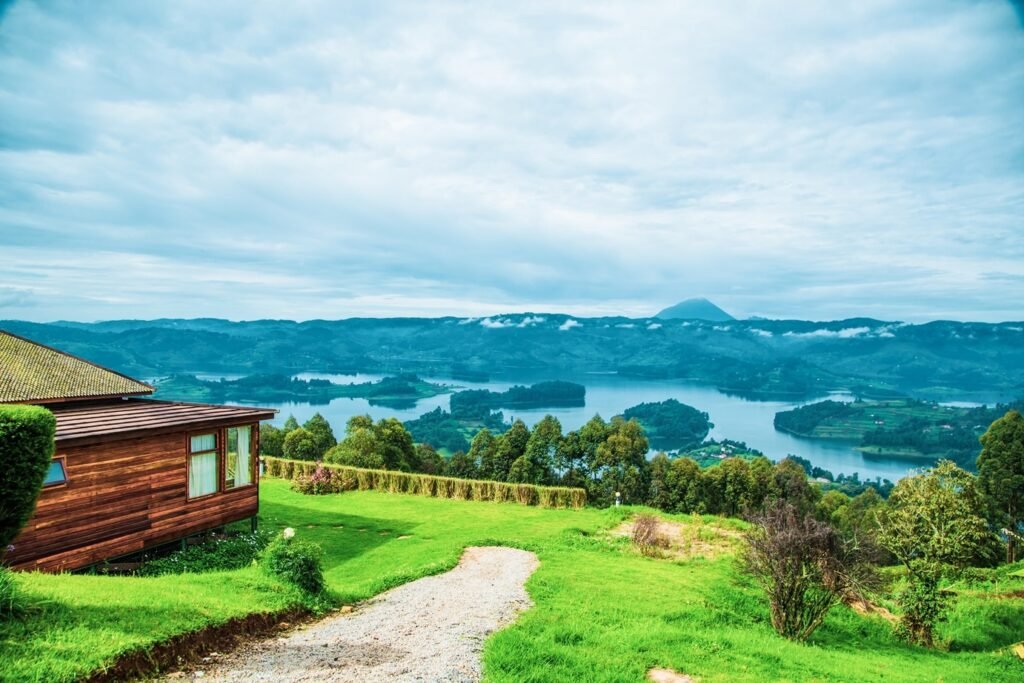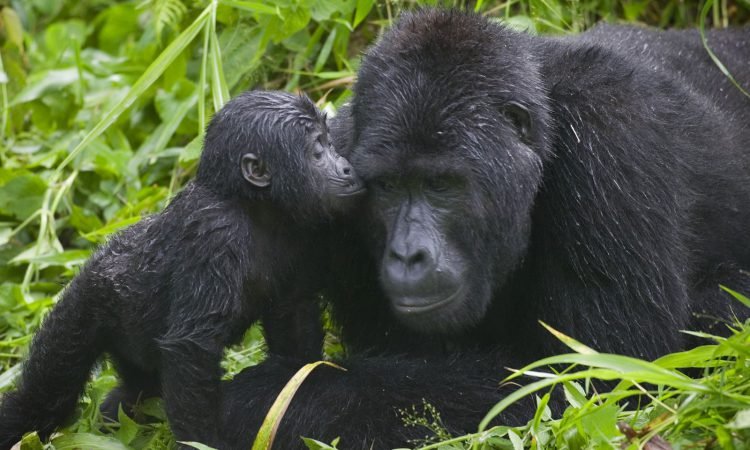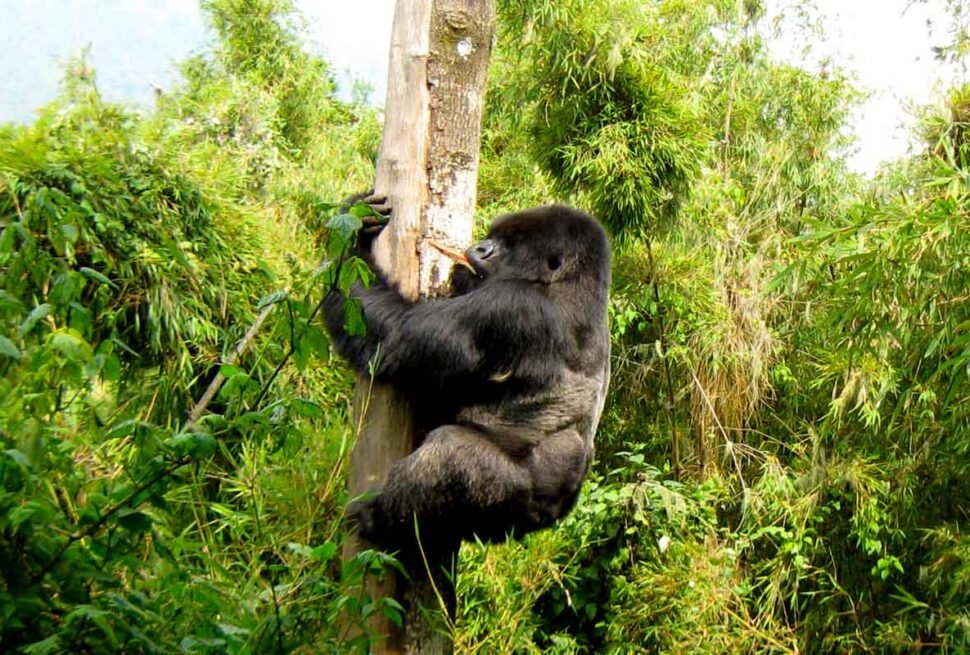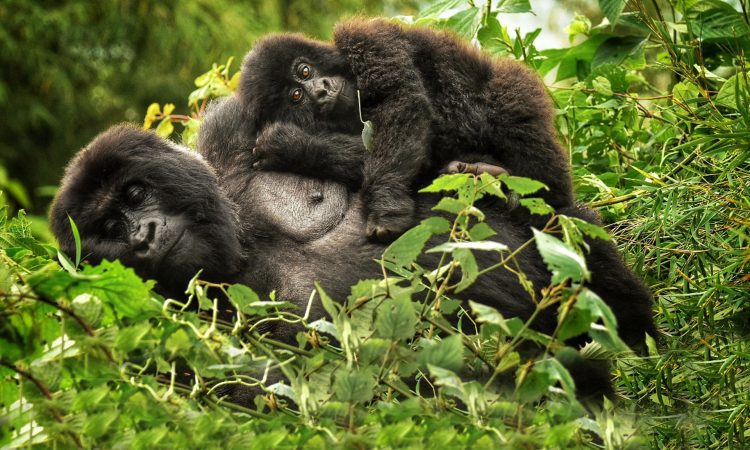
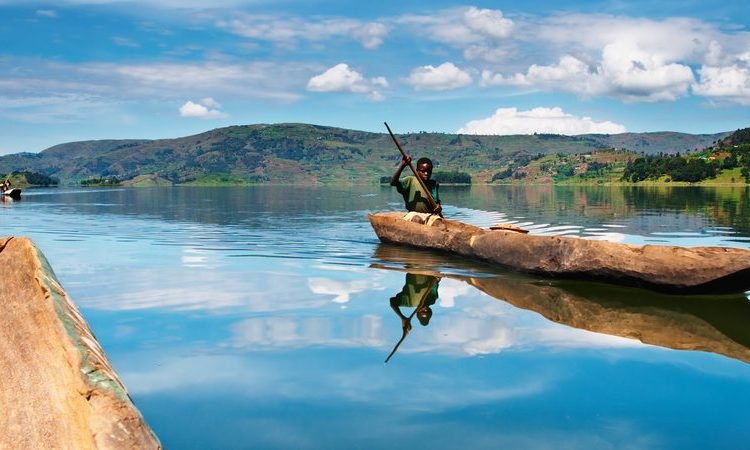
A Uganda Rwanda safari with Lake Bunyonyi adds a rare thing to an otherwise intense itinerary: genuine rest. Lake Bunyonyi, in southwestern Uganda, is a crater lake surrounded by steep terraced hills and dotted with small islands—often described as one of the most beautiful places in East Africa. It’s also free of bilharzia and crocodiles, making it safe for swimming, and it sits within easy reach of Bwindi Impenetrable National Park and the Rwandan border. For travellers combining Uganda and Rwanda, Lake Bunyonyi is the natural pause between two gorilla treks. This guide explains why to include it, how it fits into a combined itinerary, what to do there, where to stay, and how to plan the logistics.
Uganda’s parks are managed by the Uganda Wildlife Authority (UWA), and Rwanda’s by the Rwanda Development Board (RDB). Both countries are part of the East African Tourist Visa scheme. For a broader combined route, see our Uganda Rwanda combined safari itinerary 10 days. For the reverse lakeside option in Rwanda, see our Uganda Rwanda safari with Lake Kivu.
Why Add Lake Bunyonyi to a Combined Safari?
Lake Bunyonyi is not a wildlife destination in the traditional sense—there are no lions, elephants, or gorillas here. Its appeal is different, and that’s exactly the point. After early-morning treks, long border crossings, and hours in a vehicle, a lakeside stay restores energy and gives the trip a rhythm.
The main reasons to include Lake Bunyonyi are:
- Rest and recovery: A day or two by the lake is the perfect antidote to trekking fatigue.
- Safe swimming: The lake is free of bilharzia, crocodiles, and hippos—rare for an African lake.
- Stunning scenery: Terraced hills, islands, and calm water make it one of Uganda’s most photogenic locations.
- Cultural interest: The lake’s islands have remarkable histories, including Punishment Island, and local communities offer boat trips and guided walks.
- Strategic location: It sits between Bwindi and the Rwandan border, making it a natural stopover rather than a detour.
- Birding: The lake and its shores host a good variety of waterbirds and forest edge species.
- Family-friendly: Swimming, boat trips, and gentle walks suit children of all ages—unlike gorilla trekking, which has a minimum age of 15.
- Variety: It breaks up a primate-heavy itinerary with a different kind of landscape and pace.
The trade-off is that Lake Bunyonyi adds at least one night to your itinerary, and possibly two if you want to enjoy it properly. For most travellers on a 9-day or longer combined safari, it’s worth it.
Where Lake Bunyonyi Fits in a Combined Itinerary
Lake Bunyonyi sits in the Kigezi Highlands, about one to two hours from Bwindi’s southern sectors and about two hours from the Cyanika border crossing into Rwanda. That makes it a natural stop between Bwindi and Volcanoes National Park.
The most logical placement is:
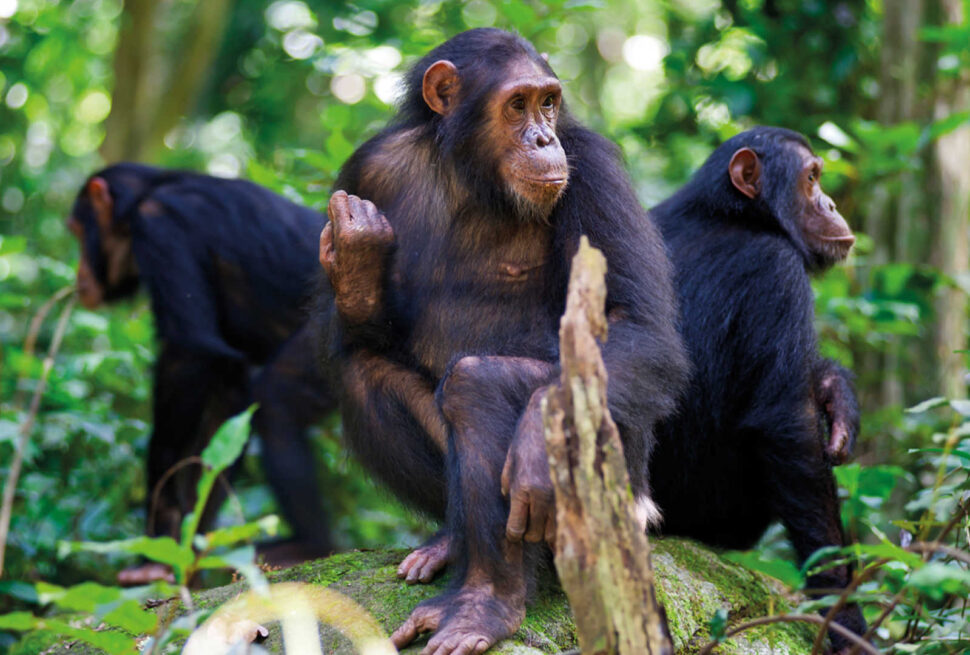
- Bwindi (gorilla trekking) → Lake Bunyonyi (rest) → Volcanoes National Park (second gorilla trek)
Alternatively, if you’re travelling from Rwanda into Uganda, you can reverse the order:
- Volcanoes National Park → Lake Bunyonyi (rest) → Bwindi (gorilla trekking)
Both work. The key is that Lake Bunyonyi provides a buffer between two trekking days, giving your legs and lungs a chance to recover before the next trek. For route-specific guidance, see our Bwindi to Volcanoes National Park itinerary and our Kigali to Bwindi safari itinerary.
At a Glance: 9-Day Uganda Rwanda Safari with Lake Bunyonyi
Here’s a 9-day itinerary that includes two gorilla treks, chimpanzees, Lake Bunyonyi, and Kigali. It can be shortened to 7 days or extended to 12 or 14 days.
| Day | Location | Highlights |
|---|---|---|
| Day 1 | Entebbe (Uganda) | Arrival; Entebbe Botanical Gardens; Lake Victoria |
| Day 2 | Entebbe → Kibale | Scenic drive; afternoon forest walk |
| Day 3 | Kibale Forest | Chimpanzee trekking; Bigodi Wetland Sanctuary |
| Day 4 | Kibale → Bwindi | Scenic drive; community walk |
| Day 5 | Bwindi Impenetrable National Park | Gorilla trekking |
| Day 6 | Bwindi → Lake Bunyonyi | Transfer; boat trip; swimming; relaxation |
| Day 7 | Lake Bunyonyi | Island walks; cultural visit; relaxation |
| Day 8 | Lake Bunyonyi → Volcanoes (Rwanda) | Cross border at Cyanika; transfer to Volcanoes National Park |
| Day 9 | Volcanoes → Kigali | Gorilla trekking or golden monkey trek; transfer to Kigali; departure |
This itinerary gives Lake Bunyonyi a full day, which is the minimum needed to enjoy it properly. If you only have one night, you’ll arrive in the late afternoon and leave the next morning—still worthwhile, but less restful. Two nights is ideal.
For a shorter combined itinerary without Lake Bunyonyi, see our Uganda Rwanda combined safari itinerary 7 days. For a longer version, see our Uganda Rwanda combined safari itinerary 14 days.
Getting to Lake Bunyonyi
Lake Bunyonyi is accessible by road from several directions. The main routes are:
From Bwindi’s Southern Sectors (Rushaga, Nkuringo)
The drive takes about one to two hours through the Kigezi Highlands, passing through Kisoro and Kabale. The road is paved for most of the journey, with a short dirt section to the lakeside lodges.
From Bwindi’s Northern or Eastern Sectors (Buhoma, Ruhija)
The drive takes about two to three hours, passing through Kabale. The road is paved, and the scenery is beautiful—terraced hills, tea plantations, and eucalyptus forests.
From the Cyanika Border (Rwanda)
From Cyanika, the drive to Lake Bunyonyi takes about two hours via Kisoro and Kabale. This is the natural route if you’re coming from Volcanoes National Park and heading to Lake Bunyonyi before Bwindi.
From Kigali or Entebbe
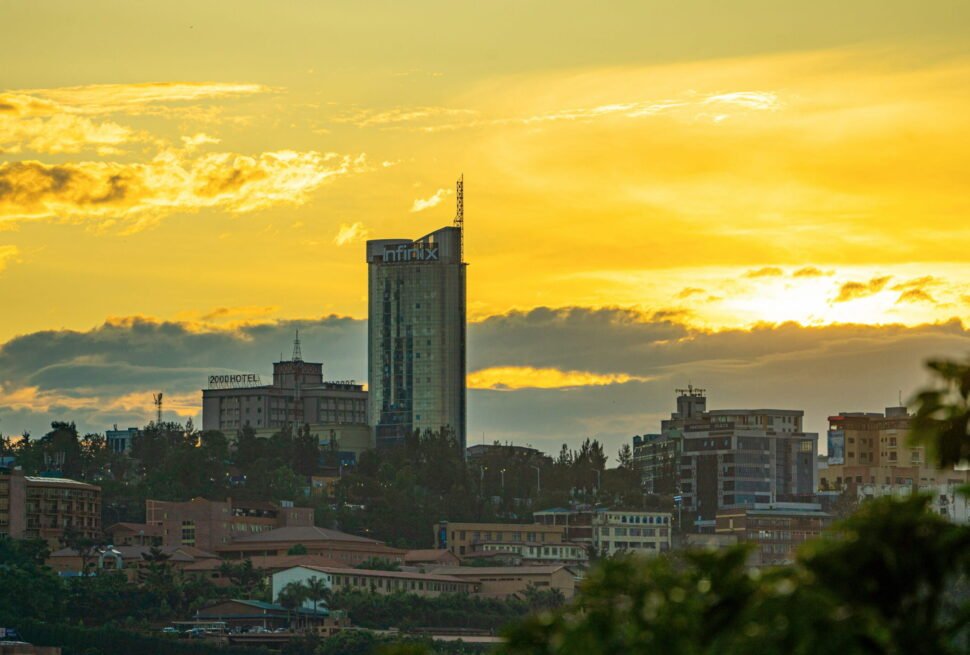
Lake Bunyonyi is about four to five hours from Kigali (including the border crossing) and about seven to eight hours from Entebbe. If you’re coming from Entebbe, plan to break the journey at Lake Mburo or Mbarara.
Most travellers reach Lake Bunyonyi by private 4×4 with a driver-guide. Public buses run from Kabale to the lake, but they’re slow and not suitable for luggage. For more on transport options, see our Uganda Rwanda safari transport options guide.
What to Do at Lake Bunyonyi
Lake Bunyonyi is a place to slow down, but there’s plenty to do if you want to be active. Here are the main activities.
Swimming
Lake Bunyonyi is free of bilharzia, crocodiles, and hippos, making it one of the few African lakes that’s safe for swimming. The water is calm and clean, and the views from the water are spectacular. Most lakeside lodges have swimming platforms or direct access to the water.
This is a big deal for families. Children can swim and play in the water without the safety concerns that apply at most other African lakes. For more on family travel, see our Uganda Rwanda family safari itinerary.
Boat Trips to the Islands
A boat trip is the best way to explore the lake. The most popular destination is Punishment Island (Akampene), which has a poignant history: in the past, unmarried pregnant girls were left on the island to die of starvation—a tradition that ended in the early 20th century. The island is now a place of memory and reflection.
Other islands include Bwama and Njuyeera, which were used as leprosy treatment centres in the 1920s and are now home to schools and churches. The boat trips usually last one to two hours and include stops for swimming and photography.
Kayaking and Paddleboarding
Kayaks and paddleboards can be hired from most lodges, and the calm water makes the lake ideal for beginners. It’s a peaceful way to explore the shoreline and get some exercise after days in a vehicle.
Hiking and Nature Walks
The hills around the lake offer excellent walking, with trails through terraced farmland, eucalyptus forests, and small villages. A guided walk to a viewpoint takes one to two hours and offers panoramic views of the lake and islands. Local guides can be arranged through your lodge.
Cultural Visits
The communities around Lake Bunyonyi are predominantly Bakiga, known for their terraced farming and hospitality. Cultural visits can include traditional dance performances, craft workshops, and visits to local schools or cooperatives. Choose community-run initiatives where the fees go directly to the community.
For more on responsible cultural tourism, see our Rwanda cultural experiences for tourists guide.
Birdwatching
The lake and its shores are home to a good variety of waterbirds and forest edge species, including kingfishers, herons, cormorants, and weavers. Early morning is the best time. For more on birding in the region, see our Uganda Rwanda birdwatching safari guide.
Cycling
Mountain bikes can be hired locally, and the roads around the lake offer good cycling for older children and adults. The terrain is hilly, so a reasonable level of fitness is needed.
Doing Nothing
This is a legitimate activity at Lake Bunyonyi. Many travellers spend their day reading, swimming, and watching the light change on the water. After gorilla trekking and long drives, doing nothing is often the best thing you can do.
Accommodation at Lake Bunyonyi
Lake Bunyonyi has accommodation for every budget, from simple campsites to comfortable mid-range lodges. Here’s what to expect.
Lakeside Lodges
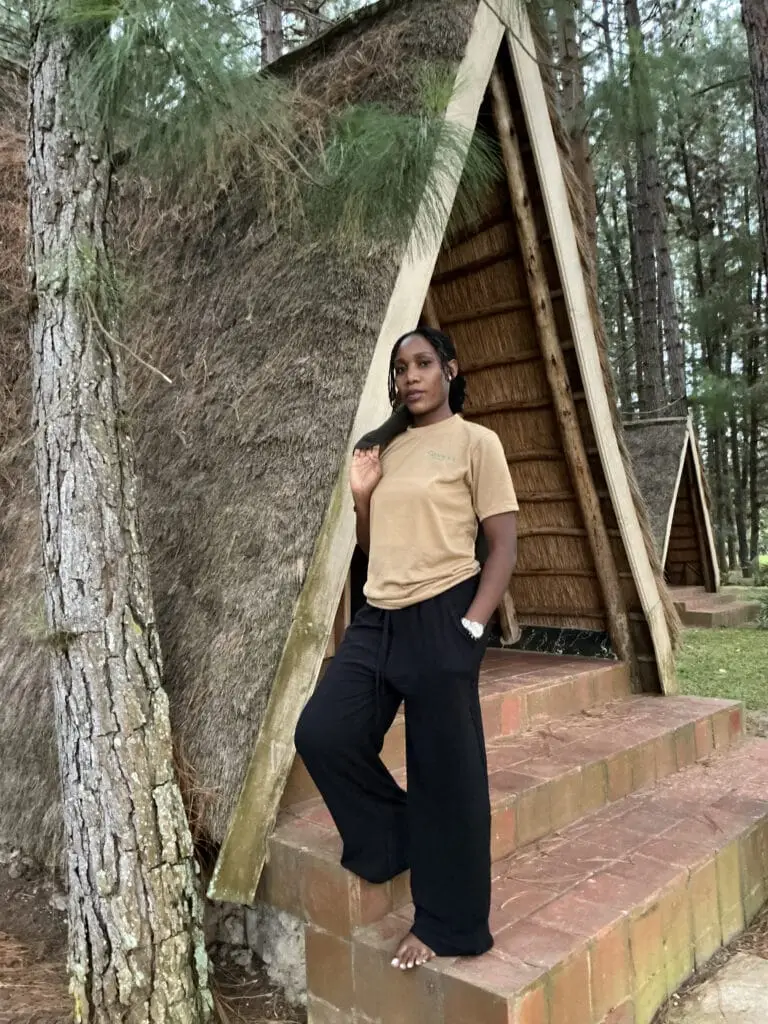
Most lodges are built on the hillsides above the lake, with views over the water and islands. Rooms range from basic bandas to comfortable cottages with en-suite bathrooms and hot showers. Many lodges have their own swimming platforms, restaurants, and bars.
Campsites
Several campsites offer tent pitches and basic rooms for budget travellers. Facilities are simple but adequate, and the setting is often spectacular.
What to Look For
- Lake access: A swimming platform or direct access to the water is a big plus.
- Views: Lodges on the hillsides offer the best views, but may have steep access.
- Family rooms: If travelling with children, confirm that family rooms or interconnected rooms are available.
- Meals: Most lodges offer full board or half board; confirm what’s included.
- Activities: Some lodges include guided walks or boat trips; ask what’s available.
- Wi-Fi and power: Wi-Fi is available at most lodges, but speeds vary. Power is generally reliable, but some remote lodges have limited hours.
For broader accommodation guidance, see our Rwanda safari accommodation near national parks guide (the principles apply).
How Long Should You Stay?
This depends on your itinerary and travel style.
- One night: Enough to break a long journey and enjoy an afternoon by the lake. You’ll arrive in the late afternoon and leave the next morning—still worthwhile, but not very restful.
- Two nights: The ideal minimum. You get a full day at the lake, with time for swimming, a boat trip, and a walk. This is the most common choice.
- Three nights: A proper rest. You can do everything at a relaxed pace and still have time to do nothing.
- Four or more nights: For travellers who want a genuine lakeside holiday, or who are combining Lake Bunyonyi with other activities in the Kigezi Highlands.
For most combined safaris, two nights at Lake Bunyonyi strikes the right balance between rest and momentum.
Lake Bunyonyi vs Lake Kivu
Travellers often ask whether to include Lake Bunyonyi or Lake Kivu (in Rwanda). Both are beautiful lakes with safe swimming and relaxing lodges, but they differ in character and logistics.
| Factor | Lake Bunyonyi (Uganda) | Lake Kivu (Rwanda) |
|---|---|---|
| Location | Southwestern Uganda, near Bwindi and the Rwandan border | Western Rwanda, near Volcanoes and Nyungwe |
| Size | Small crater lake, dotted with islands | One of Africa’s Great Lakes, much larger |
| Swimming | Safe; free of bilharzia and crocodiles | Safe; free of crocodiles and hippos |
| Scenery | Steep terraced hills, intimate | Broad lake, distant volcanoes, dramatic sunsets |
| Activities | Boat trips, kayaking, hiking, cultural visits | Boat trips, kayaking, coffee tours, hot springs |
| Best fit | Between Bwindi and Volcanoes | After Volcanoes or Nyungwe; near Kigali |
| Character | Rustic, peaceful, intimate | More developed, more options |
If your route runs from Bwindi to Volcanoes, Lake Bunyonyi is the natural stop. If your route runs from Volcanoes to Kigali or Nyungwe, Lake Kivu makes more sense. Some travellers include both, though that adds several days. For Lake Kivu, see our Lake Kivu holiday itinerary and our Uganda Rwanda safari with Lake Kivu guide.
Best Time to Visit Lake Bunyonyi
Lake Bunyonyi is a year-round destination, but the best time depends on your priorities:
- June to September (long dry season): The best weather for swimming, boat trips, and hiking. Peak season for safaris, so book lodges early.
- December to February (short dry season): Good conditions with fewer crowds.
- March to May (long rainy season): Lush scenery, fewer tourists, and lower lodge rates. Afternoon showers are common, but mornings are often clear.
- October to November (short rainy season): Similar to March–May but shorter.
For a deeper dive into wet-weather travel, see our Rwanda rainy season safari planning guide. Lake Bunyonyi is pleasant in the rainy season—the hills are green, and the lake is calm between showers.
Combining Lake Bunyonyi with Other Destinations
Lake Bunyonyi works well as part of a longer combined itinerary. Here are some natural combinations:
Lake Bunyonyi and Bwindi
The most common combination. Trek gorillas in Bwindi, then relax at Lake Bunyonyi before continuing to Rwanda. For Bwindi-specific guidance, see our Kigali to Bwindi safari itinerary.
Lake Bunyonyi and Volcanoes National Park
Another common combination. Cross from Rwanda into Uganda at Cyanika, relax at Lake Bunyonyi, then continue to Bwindi. For the reverse route, see our Bwindi to Volcanoes National Park itinerary.
Lake Bunyonyi and Queen Elizabeth National Park
Add savannah wildlife to your lakeside rest. Drive from Lake Bunyonyi to Queen Elizabeth (about four to five hours) for game drives and the Kazinga Channel. For a comparison with Rwanda’s Akagera, see our Akagera National Park vs Queen Elizabeth National Park guide.
Lake Bunyonyi and Kibale Forest
Combine chimpanzee trekking in Kibale with lakeside relaxation. The drive from Kibale to Lake Bunyonyi takes about five to six hours, so it’s best done with a stopover or as part of a longer itinerary. For primate-focused guidance, see our Uganda Rwanda primate safari itinerary.
Lake Bunyonyi and Lake Mburo
Lake Mburo is a good stopover between Lake Bunyonyi and Entebbe, offering walking safaris, zebras, and a relaxed final stop. It breaks up the long drive and adds a different landscape to the trip.
Practical Planning Notes
Where to Fit Lake Bunyonyi in Your Trip
Lake Bunyonyi fits best between Bwindi and Volcanoes National Park, or between Volcanoes and Bwindi. It’s less convenient if you’re going straight from Entebbe to Bwindi, since it adds a detour—though many travellers still include it on the return leg.
Permits and Booking
Lake Bunyonyi itself doesn’t require permits, but it’s usually combined with Bwindi gorilla trekking (Uganda Wildlife Authority permits) and Volcanoes National Park (Rwanda Development Board permits). These should be booked as early as possible, especially in peak season. For current rates and booking procedures, visit the Uganda Wildlife Authority and the Rwanda Development Board.
Border Crossings
If you’re crossing between Uganda and Rwanda, Cyanika is the closest crossing to Lake Bunyonyi (about two hours). Gatuna/Katuna is another option, about the same distance, and may be more convenient depending on your route. For full details, see our Uganda Rwanda border crossing for safari tourists guide.
What to Pack
Lake Bunyonyi is casual and relaxed, so you can pack lighter than for trekking days. Bring:
- Swimwear: For swimming, kayaking, and boat trips.
- Light layers: The lake is at altitude (about 1,900 metres), so evenings can be cool.
- Sandals or flip-flops: For lakeside relaxation.
- Walking shoes: For hikes and village walks.
- Sun protection: The sun can be strong, even on cloudy days.
- Insect repellent: Mosquitoes are present, especially in the evening.
- Camera: The scenery is spectacular, especially at sunrise and sunset.
- A good book: For long afternoons by the lake.
For a full combined safari packing list, see our Uganda Rwanda safari packing list guide.
Health and Safety at Lake Bunyonyi
- Malaria: Lake Bunyonyi is in a malaria-risk area. Antimalarial medication is recommended—consult your doctor before travel.
- Schistosomiasis: Lake Bunyonyi is generally considered free of bilharzia, but check with your lodge or a local health professional for the latest advice.
- Swimming safety: The lake is calm and safe, but children should always be supervised. Life jackets are provided on boat trips.
- Water: Drink bottled or purified water only—don’t drink from the lake.
- Travel insurance: Comprehensive insurance covering medical evacuation is strongly recommended.
- Altitude: The lake is at about 1,900 metres, so take it easy on the first day.
For the latest entry requirements, visit the Uganda Directorate of Citizenship and Immigration Control and the Rwanda Directorate General of Immigration and Emigration.
Frequently Asked Questions
Is Lake Bunyonyi worth visiting on a Uganda-Rwanda safari?
Yes, especially if you’re combining Bwindi and Volcanoes National Park. It offers rest, safe swimming, and beautiful scenery between two gorilla treks. Two nights is ideal.
Where is Lake Bunyonyi located?
Lake Bunyonyi is in southwestern Uganda, in the Kigezi Highlands, near the towns of Kabale and Kisoro. It’s about one to two hours from Bwindi and about two hours from the Cyanika border crossing into Rwanda.
Can you swim in Lake Bunyonyi?
Yes. Lake Bunyonyi is free of bilharzia, crocodiles, and hippos, making it safe for swimming. Children should always be supervised.
How many days should I spend at Lake Bunyonyi?
Two nights is ideal—it gives you a full day to swim, take a boat trip, and relax. One night is enough to break a journey; three nights is a proper rest.
Is Lake Bunyonyi suitable for families?
Yes. Safe swimming, boat trips, and gentle walks make it ideal for children, especially those too young for gorilla trekking (minimum age 15). For more, see our Uganda Rwanda family safari itinerary.
Lake Bunyonyi or Lake Kivu?
Lake Bunyonyi is more intimate and rustic, and fits naturally between Bwindi and Volcanoes. Lake Kivu is larger, more developed, and better placed for Volcanoes to Kigali or Nyungwe routes. See our Uganda Rwanda safari with Lake Kivu guide for comparison.
Start Planning Your Safari with Lake Bunyonyi
Every safari we create is tailored to your interests, budget, and travel dates. Whether you want a short rest between gorilla treks or a longer lakeside stay, we’ll design an itinerary that includes Lake Bunyonyi in the right place.
Contact us today to begin planning your Uganda-Rwanda safari with Lake Bunyonyi.