Anyone searching for the cost of a Rwanda safari is usually hoping for a number. The honest answer is that Rwanda is one of the few safari destinations where a meaningful part of the total is genuinely fixed and published — and the rest varies so widely that quoting a single figure would be misleading rather than helpful.
What follows separates the two. It sets out the costs that are set by the Rwanda Development Board and cannot be negotiated, the costs that vary by operator and property, and the arithmetic that lets a traveller work out their own floor before they ever speak to a supplier. It does not quote a total trip price, because no honest operator can do that without knowing how many nights, how many permits and what standard of lodging is involved.
The One Cost That Cannot Be Negotiated
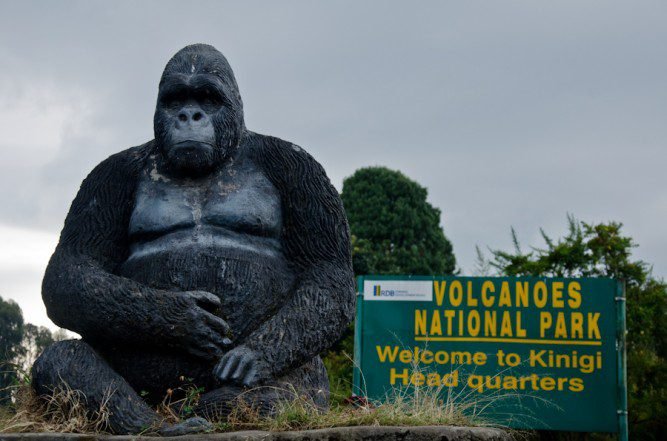
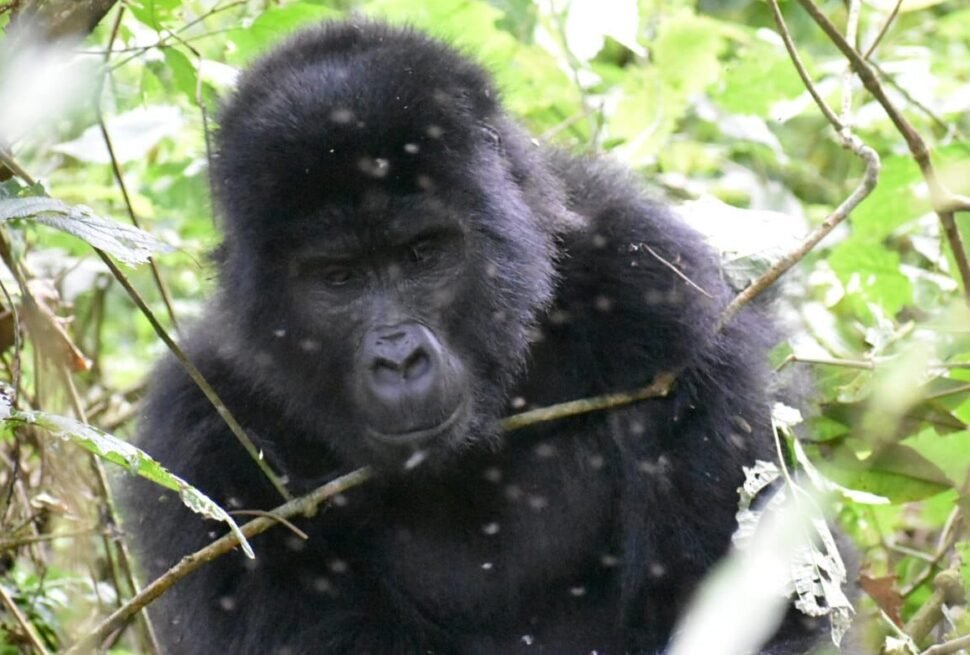
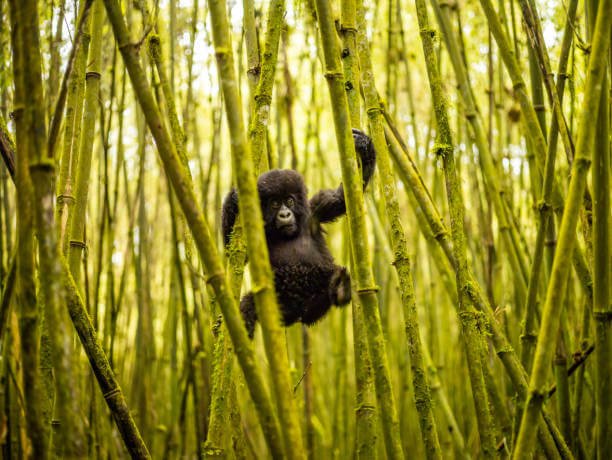
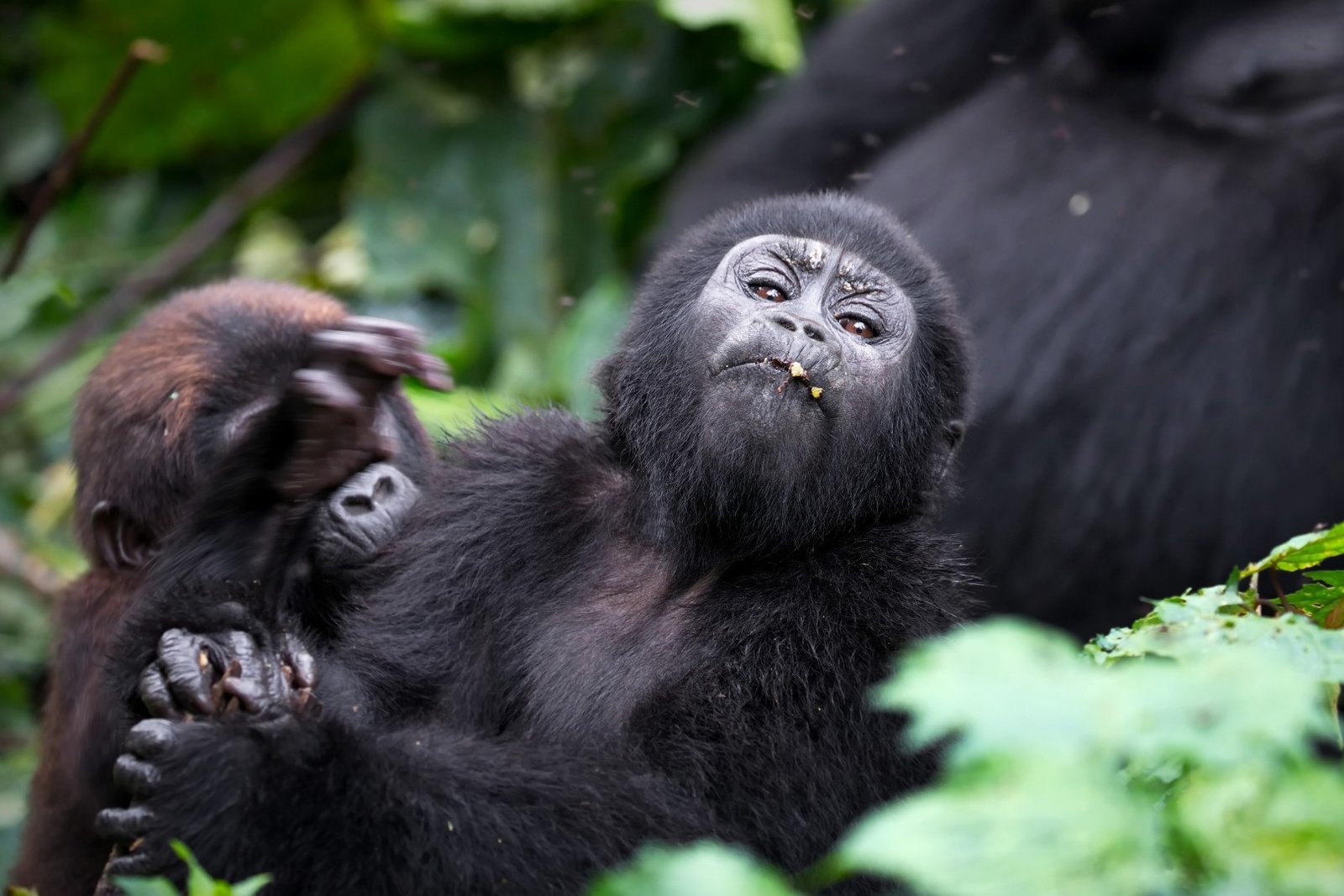
Rwanda’s gorilla permit is the anchor of almost every Rwanda safari budget. It costs $1,500 per person, carries no low-season discount, and is the same whether you sleep in a guesthouse or the most expensive lodge in the country.
Three consequences follow, and they explain most of what surprises travellers about Rwandan pricing.
First, the permit does not respond to negotiation. When quotes for the same itinerary differ substantially between operators, the difference is in lodging, vehicles, guiding and margin — never in the permit. A quote that appears to undercut the permit price is a red flag, not a bargain.
Second, the permit does not respond to season. Unlike Uganda, where the permit drops to $600 in April, May and November, Rwanda’s rate is flat all year. Travelling in the wetter months saves money on lodges and improves availability, but it does not reduce the permit.
Third, the permit multiplies. Two treks means two permits at $1,500 each. A family of four trekking once is $6,000 in permits before a bed is booked. This is the single largest driver of a Rwanda safari’s cost, and it is why Rwanda itineraries tend to be shorter than Kenyan or Tanzanian ones.
The Published Costs, Side by Side
The table below separates what is fixed and published from what is set by the park and revised periodically, and from what is genuinely variable. Only the fixed rows can be budgeted with confidence in advance.
| Cost element | Fixed or variable | Price (per person) |
|---|---|---|
| Gorilla trekking permit — Rwanda | Fixed by the Rwanda Development Board | From $1,500 (no low-season discount) |
| Gorilla trekking permit — Uganda (for comparison) | Fixed by Uganda Wildlife Authority | From $800 (From $600 in April, May and November) |
| Gorilla habituation experience — Uganda (for comparison) | Fixed by Uganda Wildlife Authority | From $1,500 |
| Rwanda e-visa | Fixed | $50 single entry / $70 multiple entry |
| East African Tourist Visa | Fixed | $100 (90 days, multi-entry, Uganda + Kenya + Rwanda) |
| Golden monkey trekking permit | Set by the Rwanda Development Board | Confirm current rate when booking |
| Akagera park entry and activities | Set by the Rwanda Development Board | Confirm current rates when booking |
| Lodging, vehicle, guide, transfers, flights | Variable | Confirm current rates when booking |
Permit prices and visa fees are revised periodically — verify current rates before travel. The figures above were last checked in November 2026.
Working Out Your Own Rwanda Safari Cost
Because the permits are published, a traveller can calculate the irreducible cost of a Rwanda safari before contacting anyone. This is the part of the budget that no operator can change.
One gorilla trek, one person: $1,500 permit plus $50 e-visa comes to $1,550 — before a bed, a vehicle, a guide, food or a transfer.
Two gorilla treks, one person: $3,000 in permits plus $50 visa, or $3,050. Two treks on different habituated families is the most requested upgrade in Rwanda and it doubles the largest line item.
One gorilla trek, two people: $3,000 in permits plus $100 in visas, or $3,100 — and Rwanda’s permits are priced per person with no family or group rate.
Everything above that floor is discretionary. A four-night Rwanda safari and an eight-night Rwanda safari can share the same permit cost and differ by several thousand dollars per person entirely on lodging, guiding and how many parks are included. That is why the “how much does it cost” question is really three questions: how many permits, how many nights, and at what standard.
What Varies, and What Moves It
The variable half of a Rwanda safari budget is driven by five things, in rough order of impact.
Number of nights. The most direct lever. Rwanda’s compact geography means fewer nights are needed than in Kenya or Tanzania, and a shorter trip at a higher standard often costs less than a longer one at a moderate standard.
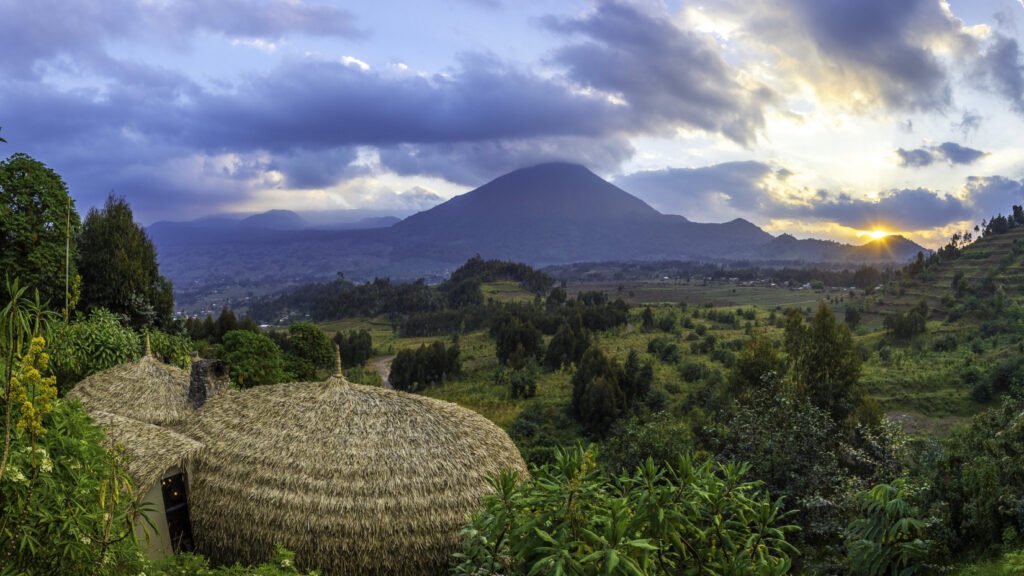
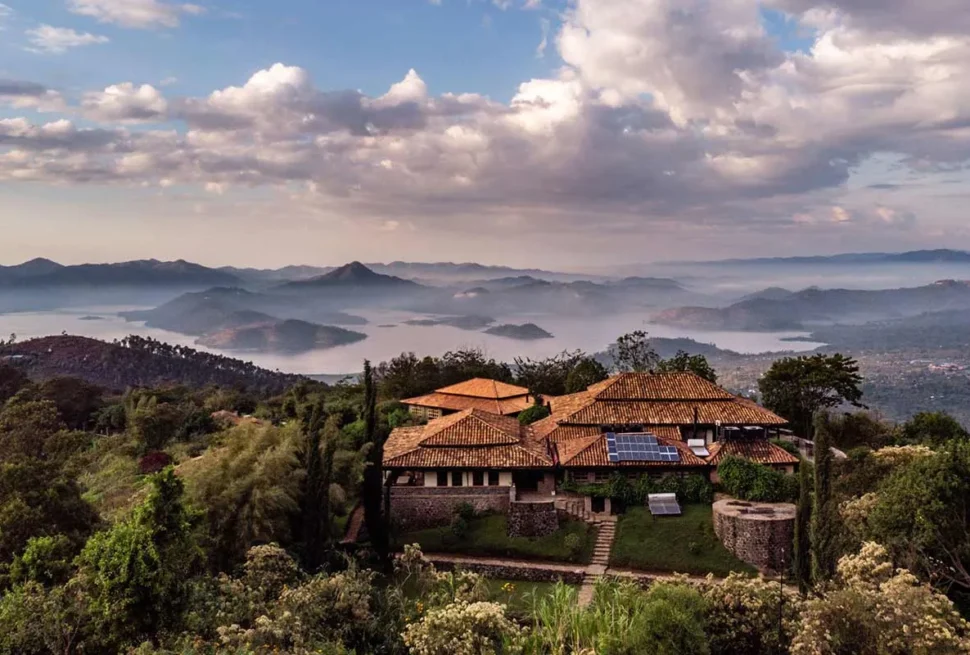
Lodging tier. Rates near Volcanoes National Park span a wide range, and the top tier carries a genuine premium. The planning point that matters: proximity to the park gate has real value on trekking mornings, when an early departure matters more than it sounds. A lodge that gets the 4am logistics right is worth more than a more impressive lobby.
Private versus shared vehicle and guide. A private vehicle and guide throughout is the standard for Rwanda itineraries and the main reason costs do not fall as much as travellers expect when group numbers rise. Shared departures exist and cost less; they also fix your schedule to someone else’s.
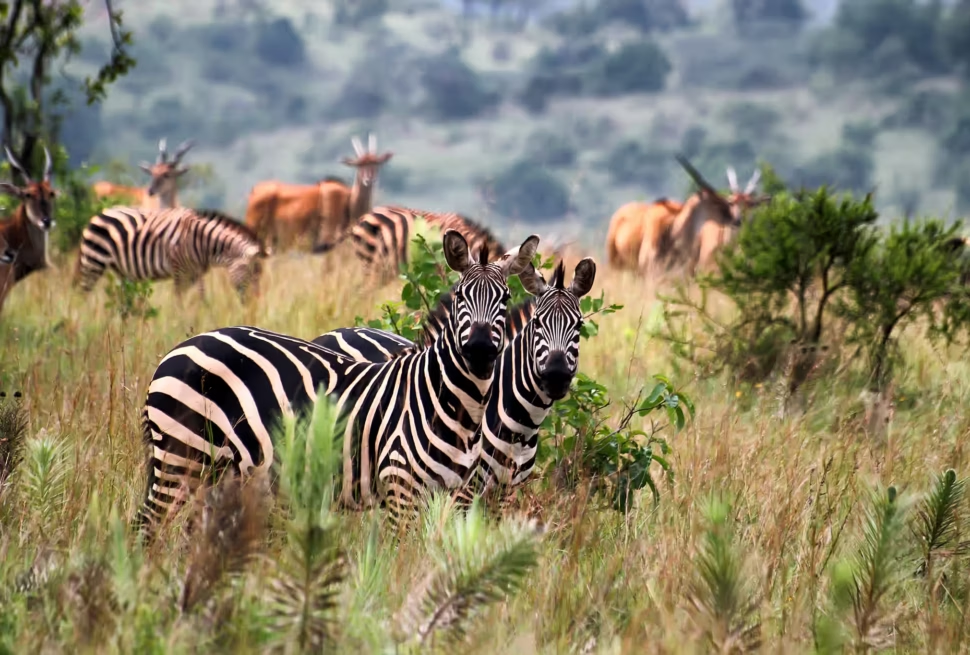
Which parks are included. Volcanoes alone is the cheapest structure. Adding Akagera or Nyungwe adds nights, transfers and park fees — real additions rather than half-days. The Akagera National Park safari guide sets out what that leg involves.
Domestic flights versus road. Flying replaces the longest road legs and can make a shorter trip viable, but schedules are limited and a missed connection costs a day. Price it before dismissing it as a luxury.
The Uganda Comparison, in Plain Numbers
Most travellers weighing Rwanda are also weighing Uganda, and the arithmetic is stark enough to state directly.
A Uganda gorilla permit is $800, or $600 in April, May and November. A Rwanda permit is $1,500 with no discount. For one trek, that is a difference of $700 per person in the standard season, or $900 in Uganda’s low season. For a couple trekking once, the gap is $1,400 to $1,800.
That gap does not automatically make Uganda the better choice. Rwanda’s park is closer to the capital, the transfer is simpler, and a shorter trip can offset the permit difference once accommodation and transport are counted. Uganda’s low-season saving comes with wetter conditions and muddier trails.
One comparison that genuinely surprises travellers: Uganda’s four-hour gorilla habituation experience costs $1,500 — exactly the same as Rwanda’s standard one-hour trek. The Uganda gorilla trekking guide covers that product, and the Uganda and Rwanda combined gorilla tours page sets out itineraries that use one country’s permits alongside the other’s parks.
Where Travellers Overspend — and Where Cutting Costs Actually Works
Paying for a second gorilla trek without deciding why. It is a genuine upgrade for photographers and repeat visitors. It is $1,500 for a similar experience if the first trek already met expectations. Decide deliberately rather than defaulting to it.
Choosing a lodge on architecture rather than logistics. In Volcanoes, the value of proximity and reliable early-morning operations exceeds the value of a more impressive building. This is the easiest place to spend money without improving the trip.
Adding parks without adding nights. Akagera and Nyungwe both reward two nights or more. A one-night version adds transfer cost and park fees while delivering a fraction of the experience. Either commit the nights or cut the park.
Where cutting genuinely works: travelling in the wetter months, which reduces lodge rates and eases availability even though the permit is unchanged; choosing one gorilla trek and adding a cheaper activity such as golden monkey trekking instead of a second permit; and shortening the trip rather than downgrading every element. A tight four nights at a good standard usually beats seven nights of compromises.
For the top-tier end of the market specifically, the luxury Rwanda safari guide covers what the premium actually buys. For how season affects availability and conditions, the best time to visit Rwanda guide works through it park by park.
Visa Costs and One Widely Repeated Error
Rwanda’s e-visa costs $50 for single entry or $70 for multiple entry and is applied for at irembo.gov.rw (verify current requirements before travel — rules change). The East African Tourist Visa, at $100 for 90 days of multi-entry travel across Uganda, Kenya and Rwanda, is roughly cost-neutral against two single-entry visas for a two-country trip and only clearly pays off on a three-country or multi-crossing itinerary. It does not cover Tanzania. The Uganda visa requirements guide sets out the trade-offs.
One correction worth stating because it circulates widely and affects budgeting: the Uganda–Russia visa waiver announced in October 2026 covers diplomatic and service passports only. It does not apply to ordinary tourist passports and has not yet entered into force. No ordinary traveller should budget on the assumption of visa-free entry on that basis.
Current park fees and permit information are published by the Rwanda Development Board — check before travel, as rates are revised periodically.
How to Book
Because permits are date-specific, capped per day, and limited to eight visitors per gorilla family, the permit date should be secured before lodging and flights — not after. Availability is not guaranteed at short notice, particularly for June to September and the December holiday period. Afraeka Adventures is a licensed Ugandan operator based in Entebbe and Kampala, running safaris and primate trekking in Uganda, Rwanda, Kenya and Tanzania since 2018.
Contact Afraeka Adventures at info@afraekaadventures.com or use the enquiry form on our website for a costed itinerary based on your dates, group size and preferred standard of lodging. Useful starting points:
- Rwanda safaris — the wider picture
- Rwanda gorilla trekking — the permit product explained
- Akagera National Park safari — costs and itineraries for the savannah leg
- Luxury Rwanda safari — what the top tier buys
- Uganda and Rwanda combined gorilla tours
- All tour packages
- Enquiry form