
A Uganda Rwanda wildlife and culture tour offers something that few African safaris do: the chance to experience extraordinary wildlife alongside some of the continent’s most fascinating living cultures. Both countries share the Albertine Rift—a biodiversity hotspot that holds mountain gorillas, chimpanzees, and golden monkeys—but they also share a deeper human story. Uganda is home to over 50 ethnic groups, from the Batwa forest people to the cattle-keeping Bahima. Rwanda has emerged from tragedy to become a model of reconciliation and cultural renewal. This guide outlines a 12-day wildlife and culture itinerary across both countries, with practical advice on how to engage respectfully, what to expect from cultural visits, and how to structure a trip that balances animals with people.
Rwanda’s parks are managed by the Rwanda Development Board (RDB), and Uganda’s by the Uganda Wildlife Authority (UWA). Both countries are part of the East African Tourist Visa scheme. For a purely wildlife-focused version, see our Uganda Rwanda combined safari itinerary 10 days. For Rwanda’s cultural highlights in isolation, see our Rwanda cultural experiences for tourists.
Why Uganda Rwanda wildlife and culture tour?
Wildlife and culture are not separate experiences in Uganda and Rwanda—they’re deeply connected. The mountain gorillas survive because communities around the parks support conservation. The Batwa people were evicted from the forests that became national parks, and their story is inseparable from the conservation story. Rwanda’s reconciliation after the 1994 Genocide against the Tutsi shapes everything from its politics to its art.
A combined wildlife and culture tour offers several advantages:
- Deeper understanding: Wildlife makes more sense when you understand the people who share the landscape.
- Meaningful engagement: Cultural visits support communities directly, providing income and incentives for conservation.
- Varied experiences: Not every day needs to be a trek. Cultural activities offer a change of pace and rhythm.
- Family-friendly options: Many cultural experiences are suitable for children who are too young for primate trekking.
- Better photography: Markets, dance performances, and craft workshops offer rich visual material alongside wildlife.
- Richer memories: Most travellers remember the people they met as vividly as the animals they saw.
For a comparison of cultural experiences across the two countries, see our Rwanda chimpanzee trekking vs Uganda guide (the principles of responsible cultural engagement are similar).
At a Glance: The 12-Day Wildlife and Culture Itinerary
| Day | Location | Highlights |
|---|---|---|
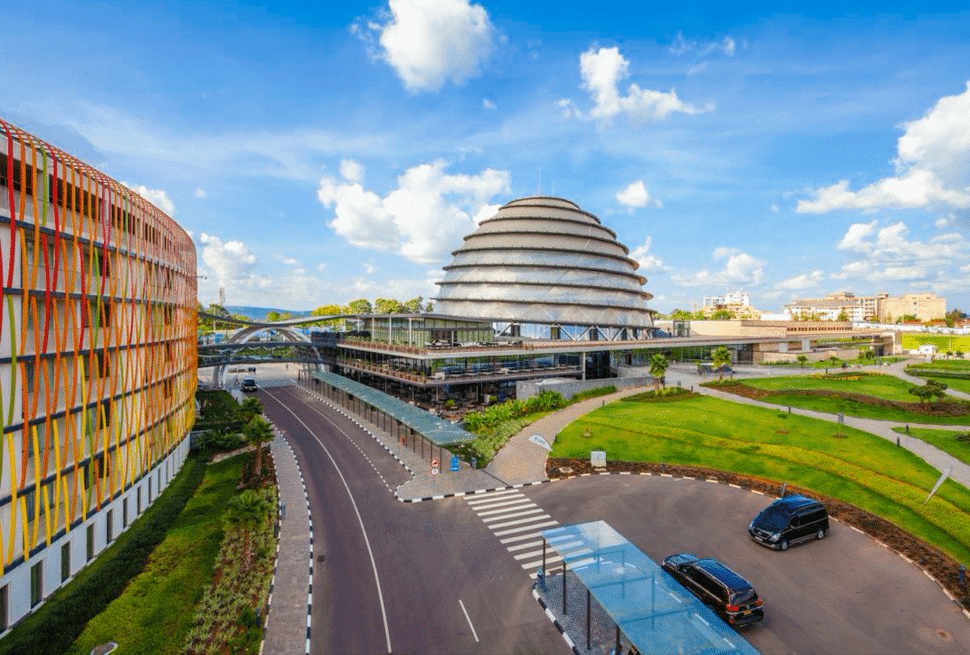
| Day 1 | Kigali (Rwanda) | Arrival; Kigali Genocide Memorial; city exploration |
| Day 2 | Kigali cultural day | Kimironko Market; Nyamirambo Women’s Center; art galleries |
| Day 3 | Kigali → Volcanoes National Park | Ellen DeGeneres Campus; Ibyiwacu Cultural Village |
| Day 4 | Volcanoes National Park | Gorilla trekking; community walk |
| Day 5 | Volcanoes → Lake Kivu | Golden monkey trek; coffee plantation tour |
| Day 6 | Lake Kivu | Fishing village visit; boat trip; relaxation |
| Day 7 | Lake Kivu → Bwindi (Uganda) | Cross border; Batwa community experience |
| Day 8 | Bwindi Impenetrable National Park | Gorilla trekking; community walk |
| Day 9 | Bwindi → Queen Elizabeth | Ishasha tree-climbing lions; cultural performance |
| Day 10 | Queen Elizabeth National Park | Game drive; Kazinga Channel boat safari; fishing village |
| Day 11 | Queen Elizabeth → Kibale | Chimpanzee trekking; Bigodi community walk |
| Day 12 | Kibale → Entebbe | Transfer or short flight; departure |
This route starts in Kigali and ends in Entebbe, which is the most efficient open-jaw routing. Families with younger children can substitute gorilla and chimpanzee treks with additional cultural and lake activities.
Days 1–2: Kigali — History, Markets, and Art
Your tour begins in Kigali. On Day 1, visit the Kigali Genocide Memorial—allow at least two hours. It’s the most important historical site in Rwanda, and it provides essential context for everything that follows. The memorial is a UNESCO World Heritage Site and a place of reflection, learning, and hope.
Day 2 is dedicated to Kigali’s living culture. Start at Kimironko Market, the largest and liveliest market in the city. It’s where locals shop for produce, fabrics, crafts, and household goods, and it’s particularly famous for its kitenge (colourful African fabrics). Bargaining is expected and part of the fun. For a full Kigali day plan, see our Kigali city tour itinerary for one day.
In the afternoon, join a walking tour with the Nyamirambo Women’s Center. The tour takes you through one of Kigali’s oldest and most vibrant neighbourhoods, with visits to local businesses, markets, and artisans. The centre is a non-profit that supports women and their families through training and employment. You’ll learn about daily life, taste local food, and meet the women behind the project.
End the day at Inema Arts Center or Niyo Arts Gallery—both showcase contemporary Rwandan art and support emerging artists. Inema also hosts dance and music performances. For dinner, try The Hut for traditional Rwandan food or Heaven Restaurant for a garden setting.
Days 3–4: Volcanoes National Park — Gorillas and Culture
Drive northwest to Volcanoes National Park—about two and a half to three hours. Along the way, stop at the Ellen DeGeneres Campus of the Dian Fossey Gorilla Fund, a state-of-the-art conservation and research facility. The interactive exhibits explain gorilla behaviour, conservation, and the work of researchers, and the gardens are beautiful. For more on the area, see our Things to Do in Musanze Rwanda.
In the afternoon, visit the Ibyiwacu Cultural Village—one of Rwanda’s most engaging cultural experiences. Founded by former poachers who were encouraged to protect gorillas rather than hunt them, the village offers an interactive introduction to traditional Rwandan life. You can participate in drumming, learn about the medicinal uses of plants, try your hand at archery, and see how banana beer is brewed. The experience is joyful and hands-on, and it directly supports the local community.
Day 4 is your first gorilla trek—a profound and life-changing experience. After the trek, return to your lodge for a late lunch, then take a guided community walk to learn about life alongside the park. Many lodges partner with local cooperatives, and the visit provides income for families who support conservation. For a gorilla-free alternative, see our Volcanoes National Park itinerary without gorilla trekking.
Days 5–6: Lake Kivu — Fishing Villages and Coffee
Track golden monkeys in the morning—a lively, shorter trek that complements the gorilla experience. For a detailed guide, see our Rwanda golden monkey trekking itinerary. After lunch, drive to Lake Kivu (about one to one and a half hours) and check into a lakeside resort.
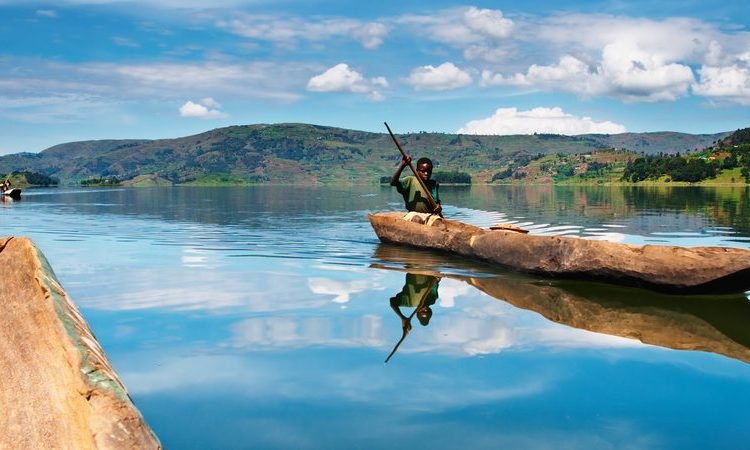
Lake Kivu offers a different kind of cultural experience. In the morning of Day 6, visit a local fishing village to learn about the traditional fishing methods and daily life on the lake. You’ll see how sambaza (small sardines) are caught and dried, and you can try your hand at paddling a traditional wooden boat. It’s a genuine, unpolished experience that many travellers find more memorable than any staged performance.
In the afternoon, tour a coffee plantation. Rwanda is famous for its high-quality coffee, and the Lake Kivu region is one of its main growing areas. Several cooperatives offer tours where you can learn about the bean-to-cup process, from harvesting and washing to roasting and tasting. You’ll also meet the farmers and cooperatives who grow the coffee, many of whom are women. For a fuller Lake Kivu plan, see our Lake Kivu holiday itinerary.
Day 7: Crossing into Uganda — The Batwa Experience
Cross the border at Cyanika or Gatuna with your guide handling the formalities. Continue to Bwindi Impenetrable National Park—about four to five hours through the Kigezi Highlands. Along the way, stop in Kabale for lunch and a visit to a local market.
In the afternoon, take part in a Batwa community experience. The Batwa are an indigenous forest people who lived in Bwindi for centuries before the forest was gazetted as a national park. Their eviction is one of the most painful chapters in East African conservation history, and the community still struggles for land, recognition, and livelihoods.
A visit to a Batwa community offers a chance to learn about their traditional hunting, gathering, and honey-collecting skills, as well as their music, dance, and stories. It’s an experience that raises complex questions about conservation and human rights, and it’s all the more valuable for that. Choose a community-run initiative where the fees go directly to the community, and approach the experience with humility and respect.
For more on border-crossing logistics, see our Uganda Rwanda combined safari itinerary 7 days.
Day 8: Bwindi — Gorillas and Community
Your second gorilla trek—a different experience from Rwanda, with denser forest and steeper terrain. After the trek, take a community walk to a local coffee cooperative or a craft workshop. These visits provide direct income to households and are a meaningful way to support conservation through tourism.
Many lodges in Bwindi have partnerships with local cooperatives, and your visit can include a tour of a coffee plantation, a basket-weaving workshop, or a performance by a local dance troupe. Ask your guide to recommend an initiative that genuinely benefits the community, rather than one that simply stages a performance for tourists.
Days 9–10: Queen Elizabeth — Wildlife and Fishing Villages
Drive north to Queen Elizabeth National Park, stopping in the Ishasha sector to search for its famous tree-climbing lions. In the afternoon, check into a lodge overlooking the Kazinga Channel. For a comparison with Rwanda’s Akagera, see our Akagera National Park vs Queen Elizabeth National Park guide.
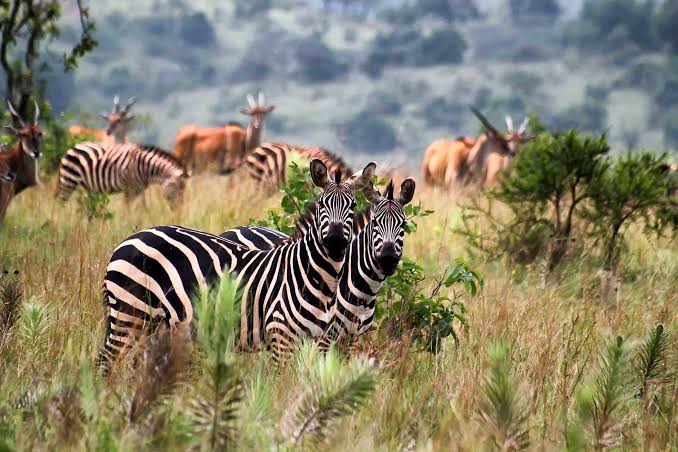
Day 10 is a full day of wildlife and culture. Start with a morning game drive in the northern sector, then take a boat safari on the Kazinga Channel. The channel has one of the highest concentrations of hippos in Africa, along with crocodiles, elephants, buffalo, and an incredible variety of waterbirds. Life jackets are provided, and the boat is comfortable for families.
In the afternoon, visit a fishing village on the shores of Lake Edward. You’ll learn about the lives of the fishermen who work the lake, the challenges they face, and the relationship between the park and the communities that live alongside it. It’s a quieter, more reflective counterpoint to the wildlife experiences of the morning.
In the evening, enjoy a cultural performance by a local dance troupe. The performance often includes traditional music, dance, and storytelling, and it’s a joyful way to end the day. Ask your guide to recommend a group that is paid fairly and performs regularly for local audiences, not just tourists.
Day 11: Kibale — Chimpanzees and Community
Drive to Kibale Forest National Park—about two to three hours. Kibale is home to the highest concentration of primates in East Africa, including around 1,500 chimpanzees. After lunch, take a guided walk through the Bigodi Wetland Sanctuary—a community-run conservation project near Kibale. The wetland is home to monkeys, birds, and butterflies, and the walk is gentle and rewarding.
Bigodi is one of the best examples of community-based tourism in Uganda. The project was established by local farmers to protect the wetland and generate income, and it now supports schools, clinics, and other community initiatives. The guides are local, the fees go directly to the community, and the experience is genuinely educational.
On the morning of Day 12, you can trek chimpanzees in Kibale before transferring to Entebbe. Standard chimpanzee tracking in Kibale has a minimum age of 12, so families with younger children should substitute the Bigodi walk or a guided nature walk instead.
Day 12: Kibale to Entebbe and Departure
After breakfast, transfer to Entebbe (about five to six hours) or take a short domestic flight from Kasese or Kihihi. Depending on your flight time, visit the Uganda Wildlife Education Centre or the Entebbe Botanical Gardens before your departure.
If time allows, the Ngamba Island Chimpanzee Sanctuary is a short boat ride from Entebbe and offers a final primate experience. The sanctuary cares for rescued chimpanzees and is a fitting end to a wildlife and culture tour. For a longer route with more wildlife, see our Uganda Rwanda combined safari itinerary 14 days.
What Makes a Cultural Experience Responsible?
Cultural tourism can be a force for good, or it can be exploitative. The difference lies in how the experience is designed and who benefits. Here’s what to look for:
- Community ownership: The initiative is run by the community, not by an outside operator.
- Fair payment: Performers, guides, and artisans are paid fairly and regularly.
- Authenticity: The experience reflects real cultural practices, not a staged performance designed only for tourists.
- Consent: Participants have chosen to take part, and photography is permitted only with consent.
- Direct benefit: Fees go directly to the community, funding schools, clinics, or other initiatives.
- Respect: The experience treats participants as partners, not as exhibits.
When in doubt, ask your guide. They know which initiatives are genuine and which are not, and they can recommend experiences that align with responsible tourism principles.
Etiquette for Cultural Visits
- Ask before taking photos: Always ask permission before photographing people, especially in rural areas. A small tip or purchase is appreciated if someone agrees to be photographed.
- Dress modestly: Rwandan and Ugandan cultures are conservative. Avoid overly revealing clothing, especially when visiting memorials and cultural sites.
- Respect the memorials: The Kigali Genocide Memorial is a place of mourning and reflection. Dress respectfully, keep your voice low, and avoid photography inside the memorial buildings.
- Learn a few words: Greetings like Muraho (hello) and Murakoze (thank you) in Kinyarwanda, or Oli otya (how are you) in Luganda, are appreciated.
- Buy local: Purchase crafts from cooperatives, eat at local restaurants, and hire local guides. This ensures that tourism benefits the community.
- Be open-minded: Cultural experiences may be different from what you’re used to. Approach them with curiosity and respect.
- Allow time: Cultural experiences are best enjoyed at a relaxed pace. Don’t rush through them.
- Support community-based tourism: Choose initiatives where the community is the primary beneficiary, not just a backdrop.
For a fuller guide to cultural experiences in Rwanda, see our Rwanda cultural experiences for tourists.
Permits and Booking
This itinerary requires multiple permits, each issued by a different authority:
- Rwanda gorilla permit: Issued by the Rwanda Development Board.
- Rwanda golden monkey permit: Also issued by the RDB.
- Uganda gorilla permit: Issued by the Uganda Wildlife Authority.
- Uganda chimpanzee permit: Also issued by the UWA.
Permits should be booked as early as possible—six to nine months ahead for peak season is not too early. A single operator that handles both countries simplifies logistics considerably. For current rates and booking procedures, visit the Rwanda Development Board and the Uganda Wildlife Authority.
Best Time for a Wildlife and Culture Tour
Both countries have similar seasonal patterns:
- June to September (long dry season): The best conditions for trekking and game viewing. Peak season, so book early.
- December to February (short dry season): Good conditions with fewer crowds.
- March to May (long rainy season): Lush scenery, excellent birding, and lower lodge rates. Trails can be muddy.
- October to November (short rainy season): Similar but shorter.
For a deeper dive into wet-weather travel, see our Rwanda rainy season safari planning guide. Cultural activities are largely unaffected by weather, so a rainy season trip can balance wildlife and culture without too much disruption.
Health and Safety
- Malaria: Both Rwanda and Uganda are malaria-risk countries. Antimalarial medication is recommended—consult your doctor before travel.
- Yellow fever: A certificate is required for entry to both countries if arriving from a country with yellow fever transmission.
- Altitude: Volcanoes National Park, Bwindi, and Kibale are at high altitude. Take it easy on the first day and stay hydrated.
- Travel insurance: Comprehensive insurance covering medical evacuation is strongly recommended.
- Water: Drink bottled or purified water only.
- Wildlife safety: Follow your guide’s instructions at all times. Keep a safe distance from gorillas, chimpanzees, and other wildlife.
For the latest entry requirements, visit the Rwanda Directorate General of Immigration and Emigration and Uganda’s Directorate of Citizenship and Immigration Control.
What to Pack
- Clothing: Neutral-coloured layers, long-sleeved shirts, long trousers, a waterproof jacket, a warm fleece for cool mornings at altitude, and sturdy hiking boots with good grip.
- Accessories: Sun hat, sunglasses, sunscreen, insect repellent, binoculars, camera with zoom lens, and a small daypack.
- Documents: Passport, visas, yellow fever certificate, travel insurance, printed permits, and copies of your itinerary.
- Health: Antimalarial medication, any prescription medicines, a basic first-aid kit, and rehydration sachets.
- Cultural visits: A small amount of cash for crafts and tips; modest clothing for memorials and community visits.
- Other: Reusable water bottle, universal power adapter (Rwanda uses Type C and J; Uganda uses Type G), and a good book for downtime.
Most lodges offer laundry service, so you can pack light. Dress in layers, as temperatures vary between the cool highlands and the warmer lakeshore and savannah.
Frequently Asked Questions
What is the difference between a wildlife tour and a wildlife and culture tour?
A wildlife tour focuses primarily on animals and national parks. A wildlife and culture tour adds structured cultural experiences—community visits, markets, art, music, and history—alongside the wildlife. The best trips combine both, because they’re deeply connected.
Is it appropriate to visit the Kigali Genocide Memorial as a tourist?
Yes. The memorial is open to visitors and is an important place of remembrance and education. Dress respectfully, keep your voice low, and follow the memorial’s guidelines. Photography is not permitted inside the memorial buildings.
Can I take photos of local people?
Always ask permission before photographing people. In some rural areas, people may not want to be photographed. Respect their wishes and offer a small tip or purchase if they agree.
What is the best cultural experience in Uganda and Rwanda?
There is no single “best”—it depends on your interests. The Ibyiwacu Cultural Village near Volcanoes National Park is one of the most engaging in Rwanda. The Batwa community experience near Bwindi is one of the most thought-provoking in Uganda. The Nyamirambo Women’s Center in Kigali and the Bigodi Wetland Sanctuary near Kibale are both excellent community-based initiatives.
Is a wildlife and culture tour suitable for families?
Yes, with adaptation. Gorilla trekking has a minimum age of 15 and chimpanzee tracking 12, but cultural experiences, boat safaris, and game drives are suitable for all ages. For more, see our Uganda Rwanda family safari itinerary.
How do I make sure my cultural tourism is responsible?
Choose community-run initiatives, hire local guides, buy from cooperatives, and respect local customs. Ask your guide which experiences are genuinely community-owned and which are staged for tourists. For more, see our Rwanda cultural experiences for tourists.
Start Planning Your Wildlife and Culture Tour
Every tour we create is tailored to your interests, budget, and travel dates. Whether you want to focus on primates, photography, culture, or a balanced mix of all three, we’ll design a combined itinerary that fits.
Contact us today to begin planning your Uganda-Rwanda wildlife and culture tour.