The question of the best time to visit Rwanda for a wildlife safari has no single answer, because Rwanda’s three main wildlife areas sit in different landscapes at different altitudes and behave differently through the year. A month that suits gorilla trekking in Volcanoes National Park is not automatically the best month for game drives in Akagera, and the rainy seasons that make forest trekking harder are the same seasons that bring Nyungwe’s birds into breeding plumage.
This guide works through the year by park and by activity, sets out what the trade-offs actually are, and flags where the honest answer is “it depends on which animal you came for.”
The Short Answer, Before the Detail
Rwanda’s drier windows are generally June to September and December to February. Those are the periods most travellers target, and for good reason: forest trails in Volcanoes National Park are firmer, game in Akagera concentrates nearer water, and road transfers are less likely to be slowed.
Two caveats belong with that advice. First, Rwanda sits close to the equator and does not have four distinct seasons in the European sense — the wetter months are wetter, not impassable, and trekking and game drives run year-round. Second, weather patterns vary year to year, and conditions in a specific month are not guaranteed by a seasonal label. Verify current conditions before travel — patterns change.
There is also a practical constraint that overrides the weather entirely: gorilla permits are capped per day and per family, with a maximum of eight visitors per gorilla family, and the drier months fill first. Availability is not guaranteed at short notice, so the permit date often decides the trip date rather than the other way round.
Volcanoes National Park: Gorilla Trekking Through the Year
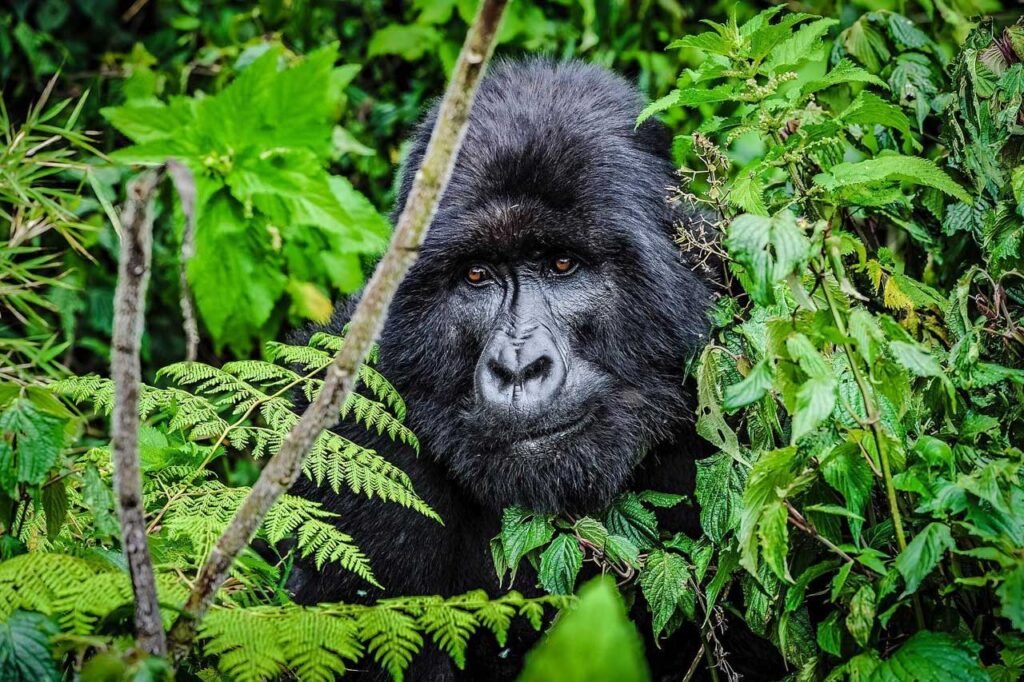
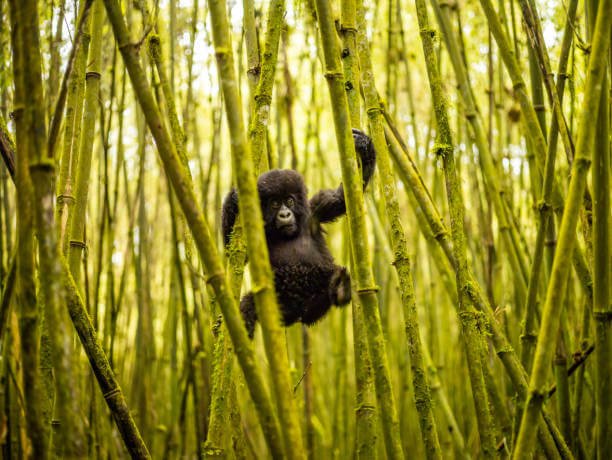
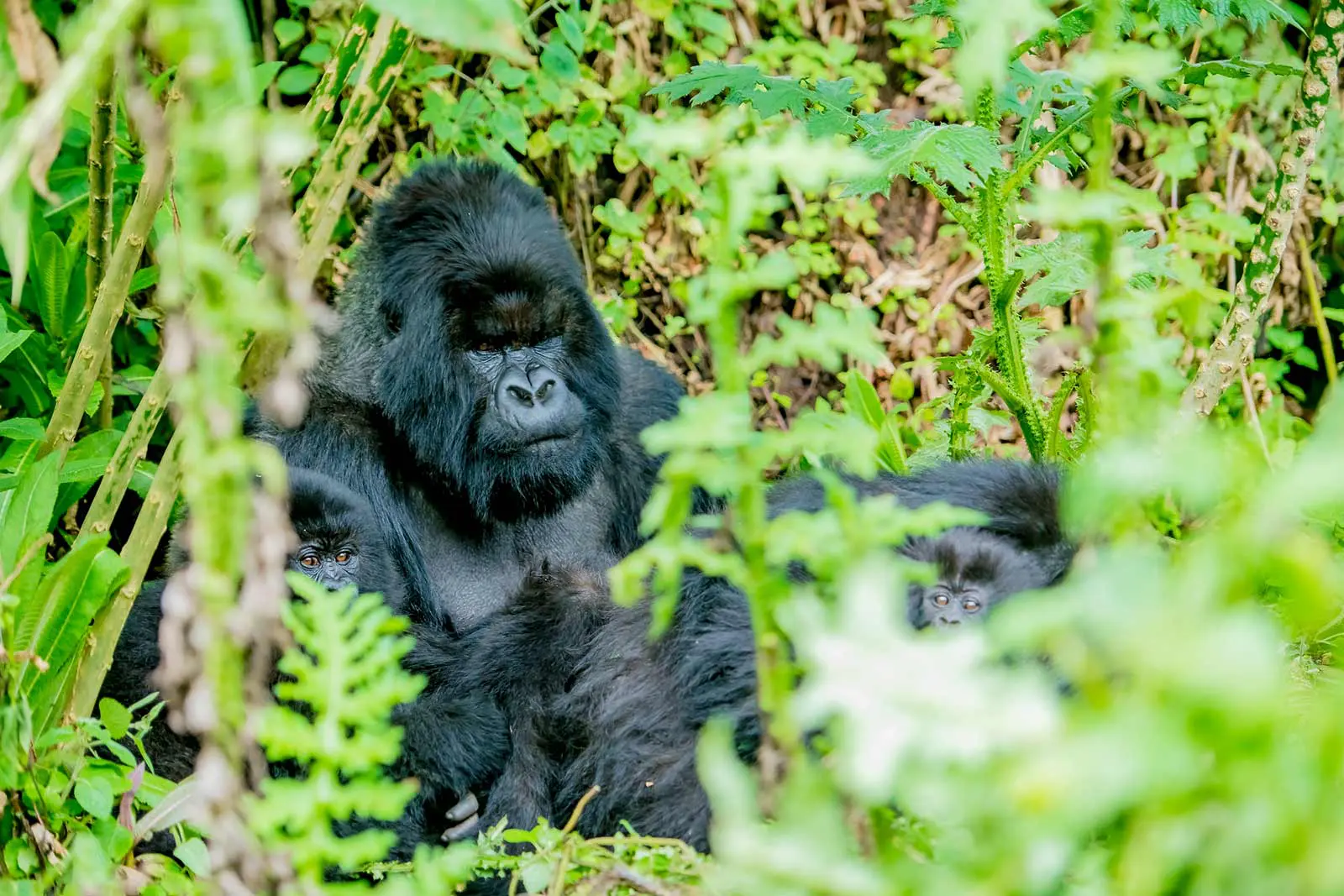
Volcanoes National Park in north-west Rwanda is the country’s gorilla trekking park, and it is the one place in Rwanda where mountain gorillas can be visited. The trek is a high-altitude forest walk, and the variables that matter are trail conditions, visibility, and comfort rather than wildlife movement — the gorilla families are habituated and resident year-round, so the animals are there whenever you are.
June to September is the most popular window. Trails are firmer, the undergrowth is thinner, and photography is less likely to be interrupted by rain. It is also the busiest and the hardest period for permit availability.
December to February is the second dry window, with similar advantages and a spike in demand around the Christmas and New Year period. Travellers set on those dates should be booking several months ahead.
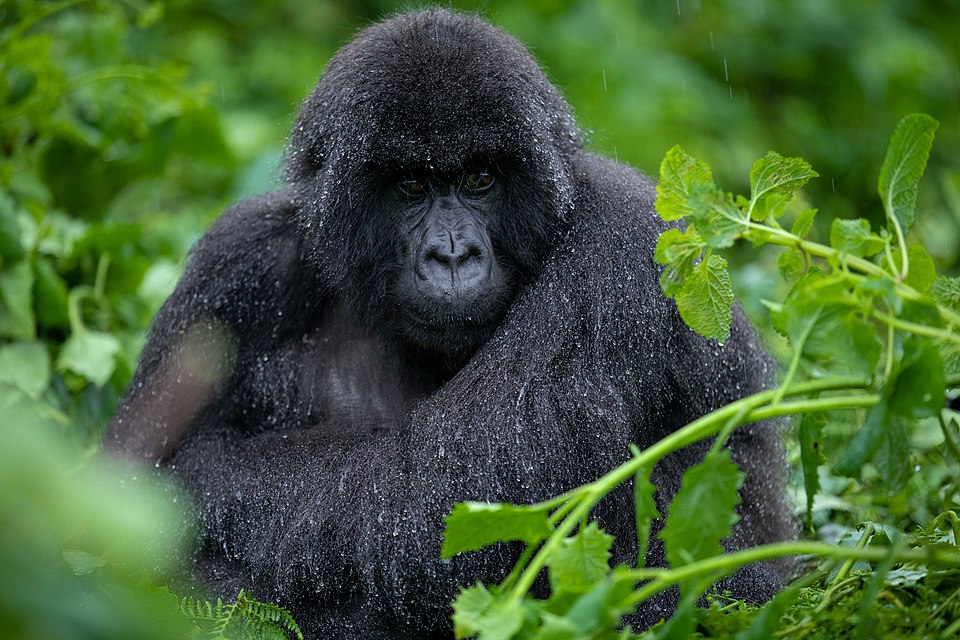
The wetter months — broadly March to May, and October to November — bring muddier trails, more leeches in some sectors, and a higher chance of a longer walk. They also bring thinner crowds and better permit availability. The trek itself is not cancelled by rain, and plenty of travellers trek happily in these months. It is a question of how much comfort matters to you.
One point that surprises travellers: Rwanda’s gorilla permit carries no low-season discount, so the permit costs the same whether you trek in a dry month or a wet one. Unlike Uganda, where the permit drops in April, May and November, there is no financial incentive to travel in Rwanda’s wetter months — only a availability advantage. The Rwanda gorilla trekking guide covers the trek itself in detail.
Akagera National Park: Savannah Seasons
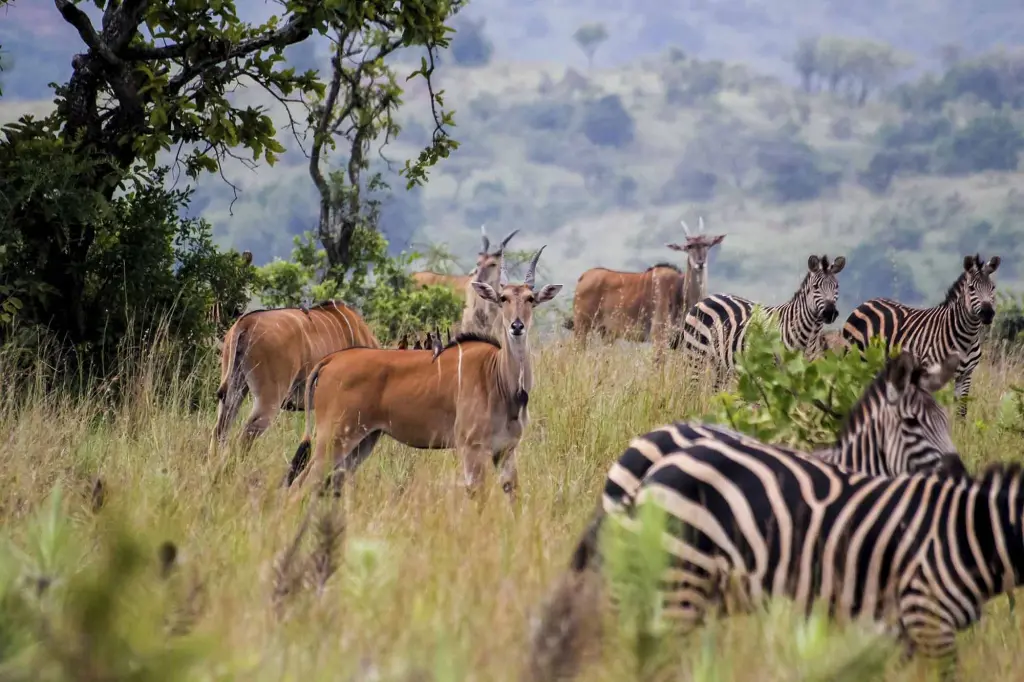
Akagera in eastern Rwanda is savannah and wetland, and it responds to rainfall in the way savannah parks do: in dry months, vegetation thins and animals concentrate around water, which makes them easier to find. The drier windows are therefore the stronger periods for game viewing, particularly for elephant, buffalo, zebra and giraffe.
The wetter months are greener, which photographers often prefer, and they are better for birds. The trade-off is that game disperses and some tracks become difficult. Predators and rhino are the species most sensitive to this — already not guaranteed in Akagera, and harder to find when the park is green.
For a fuller picture of what the park holds and how its habitats differ, see the guide to Akagera National Park wildlife. On timing: two nights is the realistic minimum for a chance of lion or rhino, and three nights suits photographers and birders.
Nyungwe Forest: The One Park That Peaks in the Wet Season
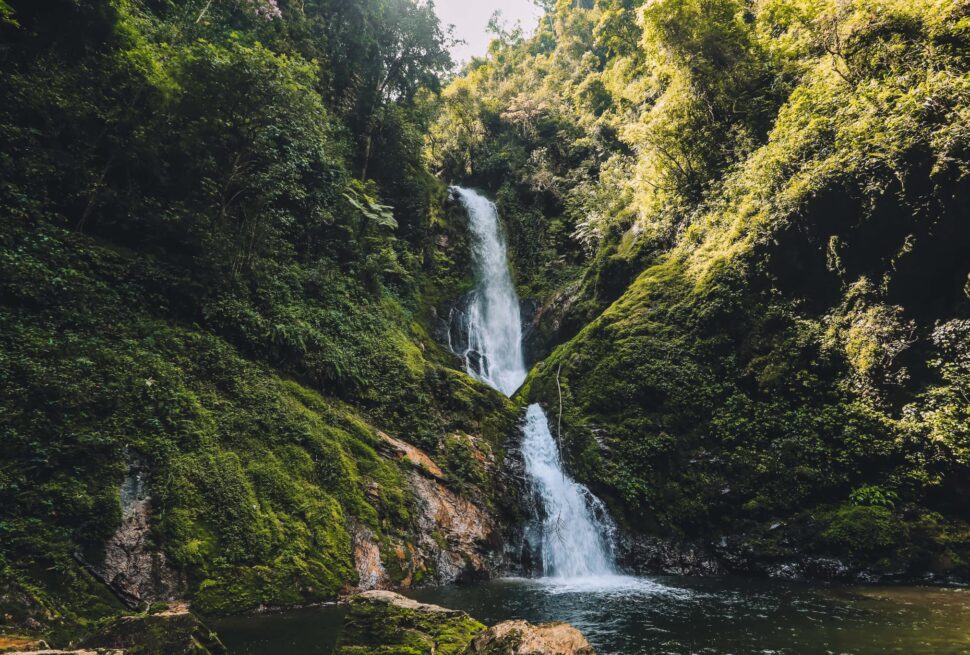
Nyungwe Forest in south-west Rwanda is the country’s montane rainforest, known for chimpanzees, a long list of primate species, and exceptional birding. It is the park where the standard seasonal advice inverts most sharply.
The dry months give easier trails and clearer forest views, which matters for chimpanzee trekking and canopy walks. The wetter months bring the forest to life for birders — breeding activity, calling, and the fruiting cycles that draw birds into visible areas. Travellers whose priority is birds should weigh the wetter months seriously rather than defaulting to the dry season.
Rain in Nyungwe is not a reason to cancel. It is a reason to pack properly and to build slack into the schedule. The Rwanda safaris overview covers how Nyungwe fits into a wider Rwanda itinerary.
Month-by-Month, in Broad Terms
Seasonal labels are a guide rather than a guarantee, and the character of each period is more useful than a rainfall figure:
- January–February: dry window. Good across all three parks. Gorilla permits contested, especially around New Year.
- March–May: wetter. Muddy forest trails in Volcanoes, greener Akagera with dispersed game, strong birding in Nyungwe. Quieter and easier for permit availability.
- June–September: the main dry window and the most popular period. Best all-round conditions, highest demand, highest prices for accommodation.
- October–November: short wetter period. A reasonable compromise — fewer crowds, still workable trekking, green landscapes.
- December: dry window returns, with a pronounced holiday spike. Book far ahead.
If you already know you want a specific month, the site has dedicated posts on a Rwanda safari in January and a Rwanda safari in February which go into more detail than this overview can.
Costs: What Changes With the Season and What Doesn’t
Gorilla permits are the fixed element of a Rwanda safari budget, and unlike Uganda’s, they do not vary with the season. Lodge rates, vehicle costs and availability do vary, which is where the seasonal difference actually shows up.
| Element | Where | Seasonal variation | Price (per person) |
|---|---|---|---|
| Gorilla trekking permit — Rwanda | Volcanoes National Park | None — no low-season discount | From $1,500 |
| Gorilla trekking permit — Uganda (for comparison) | Bwindi Impenetrable NP and Mgahinga NP | Reduced in April, May and November | From $800 (From $600 in April, May and November) |
| Gorilla habituation experience — Uganda (for comparison) | Rushaga sector, Bwindi Impenetrable NP only | Confirm current rate when booking | From $1,500 |
| Akagera park entry and activities | Akagera National Park | Rates set by park authorities | Confirm current rates when booking |
| Lodges and vehicle hire | All parks | Peak-season premiums in June–September and December–February | Varies by property — confirm when booking |
The comparison rows are included because many travellers weighing a Rwanda safari are also considering Uganda, where the permit structure is different enough to change the calculation. Uganda’s low-season gorilla permit reduction is the only genuine seasonal discount in the region’s gorilla pricing — Rwanda’s permits are flat all year.
Choosing the Best Time to Visit Rwanda: Three Scenarios
If gorillas are the priority and budget is secondary: June to September, booked as early as possible. Best trail conditions, best photography, worst availability.
If flexibility matters more than ideal conditions: October to November, or March to May. Permit availability improves considerably, lodges are cheaper, and the trekking is still perfectly workable with the right kit. Rain is a discomfort, not a cancellation.
If the trip is multi-park: June to September or December to February serve all three parks well. If birds are a priority alongside primates, a shoulder month is arguably the better compromise than peak dry season — Akagera and Nyungwe both benefit from the greener months, while Volcanoes remains trekable.
Visas and Entry
Rwanda’s e-visa costs $50 for single entry or $70 for multiple entry and is applied for at irembo.gov.rw (verify current requirements before travel — rules change). Travellers combining Rwanda with Uganda and Kenya may want to weigh the East African Tourist Visa, at $100 for 90 days of multi-entry travel across the three countries, though it does not suit every routing; the Uganda visa requirements guide sets out the trade-offs for the Uganda leg.
Permit and park information is published by the Rwanda Development Board — check current rates and conditions before travel, as both are revised periodically.
How to Book
Gorilla permits anchor a Rwanda safari date, and they are date-specific and capped — book well in advance, particularly for June to September and the December holiday period. Afraeka Adventures is a licensed Ugandan operator based in Entebbe and Kampala, running safaris and primate trekking in Uganda, Rwanda, Kenya and Tanzania since 2018.
Contact Afraeka Adventures at info@afraekaadventures.com or use the enquiry form on our website. Useful starting points:
- Rwanda safaris — the wider picture
- Rwanda gorilla trekking — the main trekking product
- Akagera National Park wildlife — the savannah half
- Uganda and Rwanda combined gorilla tours — for travellers comparing both countries
- All tour packages
- Enquiry form