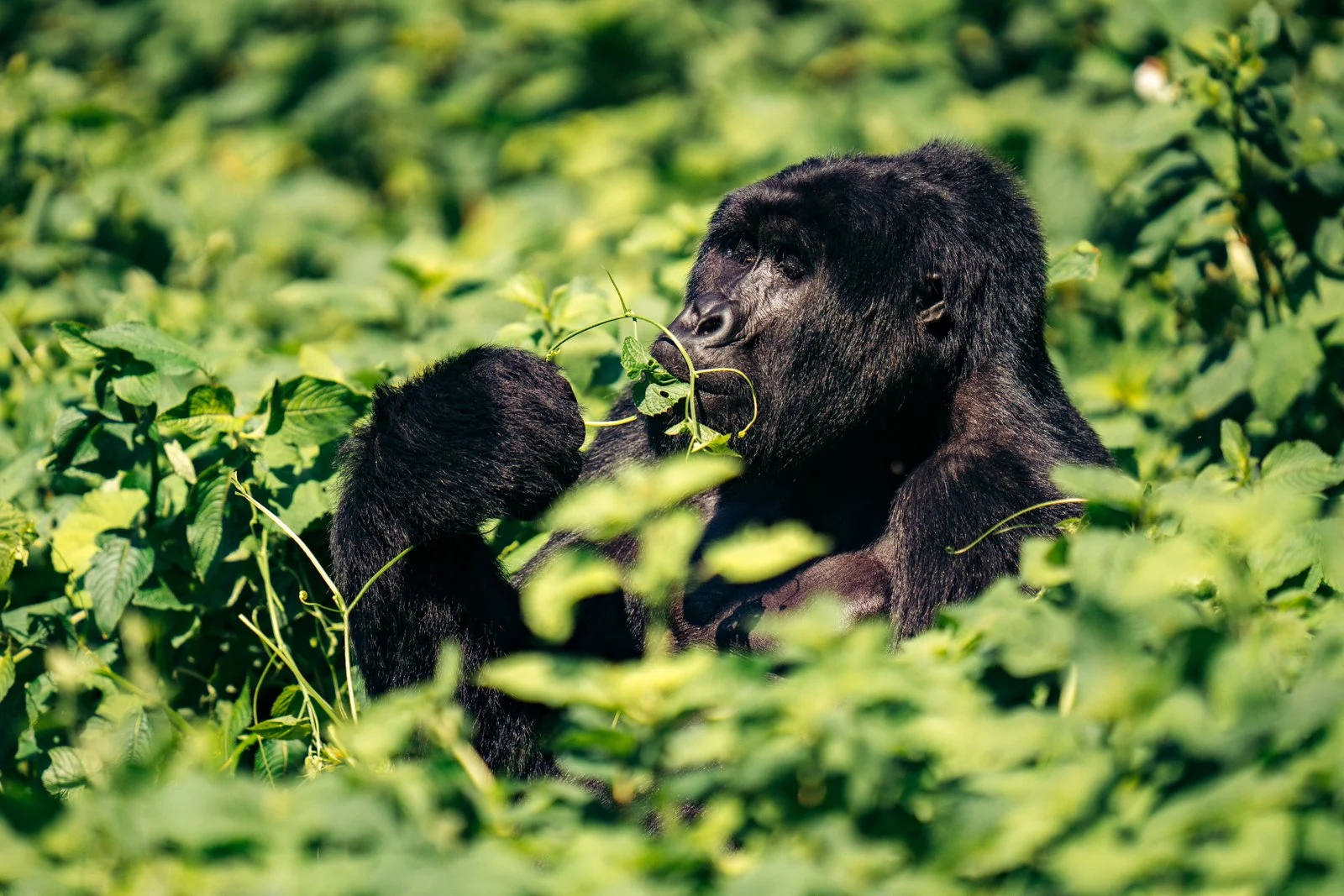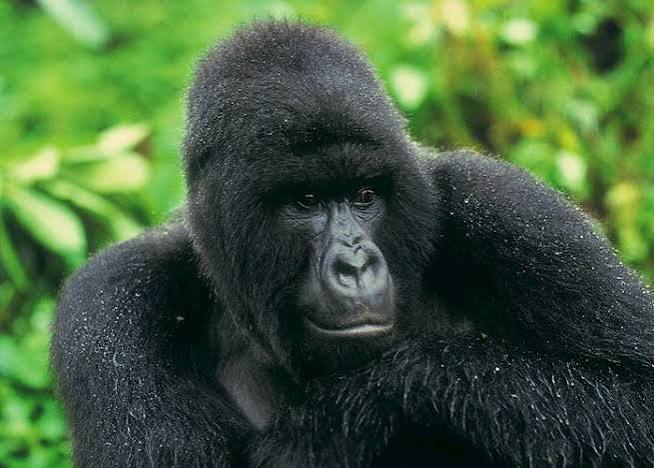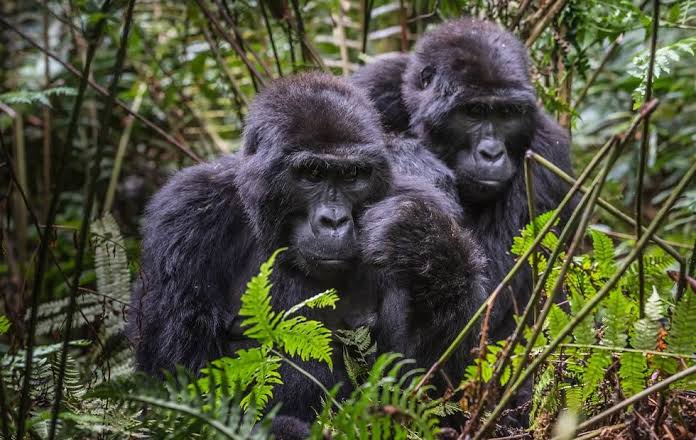

Best time for gorilla trekking in Uganda is one of the most frequently asked questions by travelers planning their dream safari to the Pearl of Africa. At Afraeka Adventures, we believe that understanding Uganda’s unique climate patterns is the key to an unforgettable gorilla trekking experience. The good news? You can trek mountain gorillas in Uganda year-round. However, certain months offer distinct advantages in terms of weather, accessibility, and overall experience.
In this comprehensive guide, we break down the best time for gorilla trekking in Uganda month by month, explain the seasonal variations, and provide expert tips to help you plan your adventure. Whether you are a seasoned traveler or a first-time visitor, this guide will ensure you choose the perfect window for your once-in-a-lifetime encounter with the majestic mountain gorillas of Bwindi Impenetrable National Park and Mgahinga Gorilla National Park.
Understanding the best time for gorilla trekking in Uganda is about more than just weather—it’s about maximizing your chances of a smooth trek, enjoying comfortable hiking conditions, and capturing stunning photographs. With over a decade of experience guiding travelers through Uganda’s misty forests, our team at Afraeka Adventures shares our insider knowledge to help you make the most of your gorilla safari.
1. Uganda’s Climate at a Glance
To determine the best time for gorilla trekking in Uganda, it’s essential to understand the country’s unique climate. Uganda sits on the equator, but its varied altitude creates distinct microclimates:
- Altitude Matters: Bwindi Impenetrable National Park sits at an altitude of 1,160 to 2,607 meters above sea level. Mgahinga Gorilla National Park is even higher, ranging from 2,300 to 4,127 meters.
- Temperatures: Average daytime temperatures in the gorilla trekking regions range from 15°C to 25°C (59°F to 77°F). Nights and early mornings can drop to 5°C to 10°C (41°F to 50°F).
- Rainfall: Uganda receives 1,000 to 2,000mm of rainfall annually, with Bwindi being one of the wettest places in the country due to its rainforest ecosystem.
The best time for gorilla trekking in Uganda is generally during the drier months, but each season offers unique advantages. Let’s explore them month by month.
2. The Dry Seasons: Peak Trekking Conditions
June to August (Peak Season)
Why This is the Best Time for Gorilla Trekking in Uganda:
- Optimal Trail Conditions: The trails are drier, firmer, and less slippery, making the trek significantly easier.
- Clearer Visibility: Less rain means clearer skies, offering better views of the lush forest and gorillas.
- Comfortable Temperatures: Days are warm but pleasant, and nights are cool, perfect for sleeping at high-altitude lodges.
- High Wildlife Activity: Gorillas are more active during these months, often venturing into more open areas in search of food, increasing your chances of quicker sightings.
What to Expect:
- Crowds: This is peak tourist season. Permits sell out months in advance, and lodges are fully booked. We recommend booking your cost of a gorilla permit in Uganda at least 6-12 months ahead.
- Accommodation Costs: Lodges charge peak-season rates, which are higher than in the rainy season.
- Weather: Occasional brief showers are still possible, so bring a waterproof jacket.
Pro Tip from Afraeka Adventures: For the ultimate experience, book your permits and accommodation for the first two weeks of July. This period often offers the driest conditions and coincides with the wildebeest migration in neighboring Kenya, allowing for a combined safari.
December to February (Short Dry Season)
Why This is an Excellent Best Time for Gorilla Trekking in Uganda:
- Drier Trails: Similar to June-August, the trails are in good condition.
- Warm Days: Temperatures are slightly warmer than in June-August, making for comfortable trekking.
- Less Crowded: This period sees moderate crowds, slightly less than the peak June-August season, but still busy.
What to Expect:
- Rain: The short rains start to taper off in December, making January and February particularly dry and reliable.
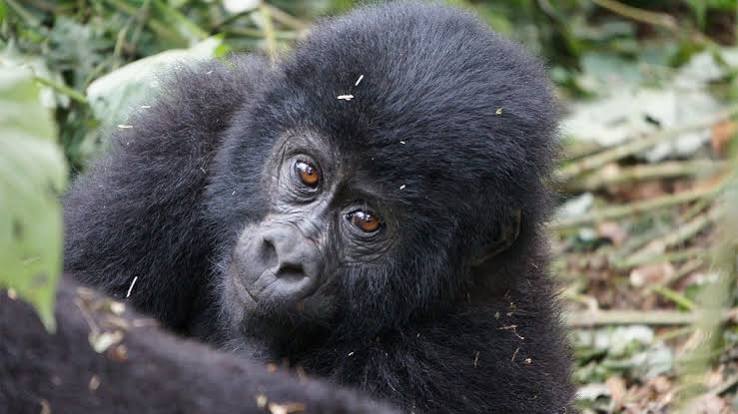
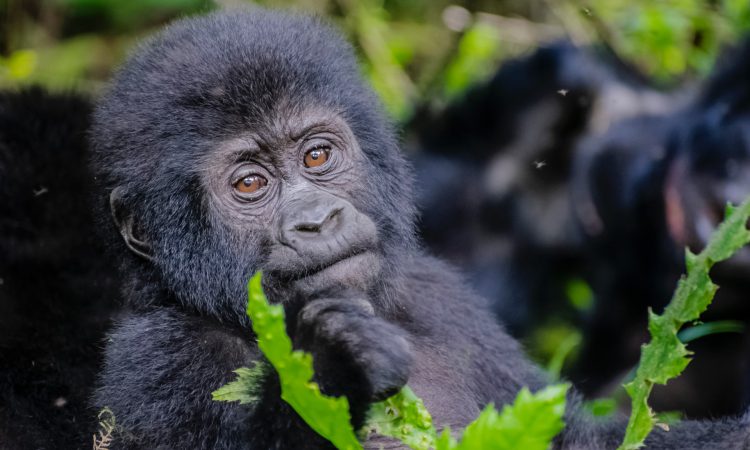
- Newborn Gorillas: This period often coincides with gorilla birthing season, so you may have the extraordinary opportunity to see tiny newborn gorillas.
- Festive Season: December is a popular time for international travelers, so book early.
Pro Tip from Afraeka Adventures: Combine your gorilla trekking with a visit to the nearby Lake Bunyonyi or a wildlife safari in Queen Elizabeth National Park. The weather across Uganda is generally favorable during this period.
3. The Rainy Seasons: Alternative Perspectives
March to May (Long Rains)
Why You Should Consider This Time for Gorilla Trekking:
- Lower Costs: Permits and accommodation are often discounted. You can save up to 20-30% on lodges.
- Availability: Permits are easier to secure, even with short notice.
- Lush Greenery: The forest is at its most vibrant, with lush vegetation and stunning wildflowers.
- Photography: The misty, rain-soaked forest creates dramatic, atmospheric photos.
- Quiet Trails: Fewer tourists mean a more intimate experience with nature.
What to Expect:
- Heavy Rain: Daily showers are common, often in the afternoon. Rain can make trails extremely slippery and muddy.
- Difficulty: Trekking is more challenging, requiring excellent fitness, proper waterproof gear, and likely hiring a porter.
- Visibility: Dense foliage can make gorillas harder to spot, but experienced guides know their movements well.
Expert Verdict on Best Time for Gorilla Trekking in Uganda: March to May can still be a wonderful time to visit, especially for budget-conscious travelers and photographers who love dramatic light. At Afraeka Adventures, we equip you with the right gear and advice to ensure a successful trek, regardless of the rain.
September to November (Short Rains)
Why September to November is a Great Best Time for Gorilla Trekking in Uganda:
- Better Than the Long Rains: Compared to March-May, the rainfall during these months is generally lighter and less predictable.
- Beautiful Light: The skies are often dramatic, with stunning sunrises and sunsets after the rain.
- Good Availability: Permits are generally available, with less competition than peak seasons.
- Pleasant Temperatures: Days are warm but not too hot, making trekking comfortable.
What to Expect:
- Intermittent Rains: Rain can fall for a few hours at a time, but there are often dry spells, especially in October.
- Slippery Trails: Trail conditions are still slippery, but the mud is often less deep than during the long rains.
- Excellent Birding: This period coincides with the peak of the migratory bird season, making it a fantastic time for birdwatchers.
Pro Tip from Afraeka Adventures: October is often the best month within this short rainy season. The rains tend to be less intense, and the scenery is stunningly lush.
4. Monthly Breakdown: The Ultimate Best Time for Gorilla Trekking in Uganda Calendar
Use this quick-reference guide to determine the best time for gorilla trekking in Uganda for your specific needs:
| Month | Season | Trail Conditions | Crowds | Permits Availability | Pros | Cons |
|---|---|---|---|---|---|---|
| January | Dry | Excellent | Moderate-High | Good | Warm, dry, good for combined safaris | Peak crowds, higher costs |
| February | Dry | Excellent | Moderate-High | Good | Very dry, warm, newborn gorillas | Peak crowds, higher costs |
| March | Wet (Long Rains) | Challenging | Low | Excellent | Lush scenery, lower costs, quiet | Heavy rain, slippery trails |
| April | Wet (Long Rains) | Very Challenging | Low | Excellent | Deep discounts, dramatic photos | Heavy daily rain, very muddy |
| May | Wet (Long Rains) | Challenging | Low | Excellent | Greenest landscapes, few tourists | Rain, challenging treks |
| June | Dry | Good-Very Good | Moderate-High | Good | Beginning of peak season, good conditions | Gets busy, prices rise |
| July | Dry (Peak) | Excellent | High | Limited | Best trails, clearest skies, gorilla activity | Highest costs, book far ahead |
| August | Dry (Peak) | Excellent | High | Limited | Perfect trekking conditions | Highest costs, crowded |
| September | Wet (Short Rains) | Moderate | Low-Moderate | Good | Good value, dramatic skies | Rain can be unpredictable |
| October | Wet (Short Rains) | Moderate | Low-Moderate | Good | Lush scenery, good birding, light rains | Rain, some slippery trails |
| November | Wet (Short Rains) | Moderate | Low-Moderate | Good | Quieter, good value, beautiful landscapes | Rainy, some mud |
| December | Dry (Start) | Good-Very Good | Moderate-High | Good | Beginning of dry season, festive atmosphere | Gets busy towards end of month |
5. Gorilla Trekking in Rwanda vs. Uganda: Seasonal Differences
When researching the best time for gorilla trekking in Uganda, many travelers also consider neighboring Rwanda’s Volcanoes National Park. Here is a comparison of the best times for each:
| Factor | Uganda (Bwindi/Mgahinga) | Rwanda (Volcanoes NP) |
|---|---|---|
| Best Time | June-August & December-February | Similar dry seasons (June-August & December-February) |
| Altitude | Lower (1,160-2,607m) – slightly easier trekking | Higher (2,500-4,500m) – more challenging |
| Terrain | Steep, thick, muddy | Steeper, but more open bamboo vegetation |
| Cost | Lower permit cost ($800) | Higher permit cost ($1,500) |
| Crowds | Less crowded than Rwanda | Can be more crowded due to proximity to Kigali |
| Unique Advantage | More affordable, diverse trekking sectors, combined with other activities | Easier access, more luxurious lodges |
Afraeka Adventures Verdict: Uganda offers exceptional value and a more authentic, off-the-beaten-path experience. The best time for gorilla trekking in Uganda allows you to combine your trek with wildlife safaris, chimpanzee tracking, and cultural experiences, making it a more diverse adventure.
6. What to Pack for Your Trek (Seasonal Variations)
Based on the best time for gorilla trekking in Uganda, your packing list may vary. Our detailed Uganda Packing List provides a comprehensive guide, but here are seasonal essentials:
| Item | Dry Season (June-Aug, Dec-Feb) | Wet Season (Mar-May, Sep-Nov) |
|---|---|---|
| Waterproof Jacket | Recommended (light showers possible) | Essential (heavy rain expected) |
| Waterproof Trousers | Optional | Highly Recommended |
| Sturdy Hiking Boots | Essential | Essential (must be waterproof) |
| Gaiters | Optional | Recommended to keep mud out |
| Layers (Fleece/Thermals) | Recommended (cool mornings/evenings) | Essential (rain and cooler temps) |
| Sun Protection (Hat, Sunscreen) | Essential | Essential (UV still strong) |
| Insect Repellent | Essential | Essential |
| Sunglasses | Recommended | Recommended |
Pro Tip: No matter the season, always pack a change of clothes in your daypack. You will likely get muddy and possibly wet, and changing into dry clothes after the trek is heavenly.
7. Booking Your Gorilla Trek: Timeline Based on Season
Your booking strategy for the best time for gorilla trekking in Uganda changes with the season:
Peak Season (June-August, December-February):
- Permits: Book 6-12 months in advance. The cost of a gorilla permit in Uganda is $800, and they sell out quickly.
- Accommodation: Book as early as your permit. Popular lodges fill up fast.
- Flights: Book international flights 6-9 months ahead for the best fares.
Shoulder Season (March-May, September-November):
- Permits: Book 2-4 months in advance. There is generally good availability.
- Accommodation: More options available, and you may find last-minute deals.
- Flights: More flexible booking windows.
Afraeka Adventures handles all your permit and accommodation bookings, ensuring a stress-free experience regardless of when you choose to travel.
8. Alternative Activities by Season
The best time for gorilla trekking in Uganda also depends on what else you want to do on your safari:
- Wildlife Safaris: The dry seasons (June-August, December-February) are best for game viewing in savannah parks like Queen Elizabeth and Murchison Falls, as animals gather around water sources.
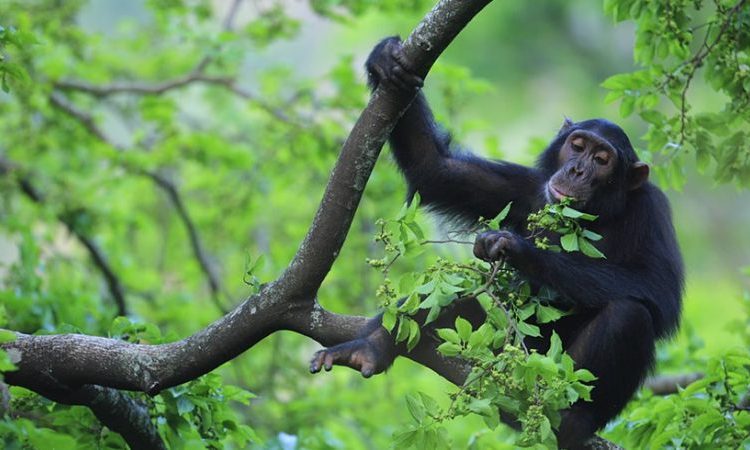
- Chimpanzee Trekking: Chimpanzee tracking is good year-round, but the dry seasons offer easier walking in Kibale and Budongo.
- Birding: The wet seasons (March-May, September-November) are excellent for birding, as migratory birds are present and resident birds are in breeding plumage.
- Cultural Visits: Cultural tours are unaffected by rain and can be enjoyed year-round.
9. Is There a “Bad” Time for Gorilla Trekking in Uganda?
Honestly, no. While the rainy seasons present more challenging conditions, there is truly no wrong time to visit Uganda’s gorillas. The best time for gorilla trekking in Uganda depends entirely on your personal preferences:
- Choose Dry Season if: You want the easiest trekking, the clearest views, and don’t mind paying premium prices and dealing with crowds.
- Choose Rainy Season if: You are on a budget, prefer a quieter experience, love dramatic photography opportunities, and are physically prepared for a tougher hike.
At Afraeka Adventures, we have guided treks in all seasons and can assure you that the magic of coming face-to-face with a mountain gorilla is unparalleled, rain or shine.
10. The Ultimate Verdict: When Should You Go?
Based on our years of experience, here is our definitive answer on the best time for gorilla trekking in Uganda:
- For the Absolute Best Overall Experience: Plan your trip for July or August. The weather is at its most reliable, the trails are in prime condition, and gorilla sightings are exceptional. Book your permits and accommodation at least a year in advance.
- For the Best Value: Plan your trip for October or November. You’ll encounter fewer tourists, lower prices, and enjoy lush, stunning scenery with a manageable amount of rain.
- For a Quiet, Budget-Friendly Trip: Plan for April or May. Be prepared for rain, but you’ll have the forest almost to yourself and significant savings.
Frequently Asked Questions about the Best Time for Gorilla Trekking in Uganda
Q: What is the best month to go gorilla trekking in Uganda?
A: July and August are considered the best months due to the driest conditions and clearest trails. However, January and February are also excellent.
Q: Can I go gorilla trekking in the rain?
A: Yes, you can trek in the rain. It is a rainforest, so rain is always possible. The treks continue regardless, and Afraeka Adventures provides you with waterproof gear and advice.
Q: Is gorilla trekking harder in the rainy season?
A: Yes, the trails become very slippery and muddy. It is more physically demanding, and hiring a porter is highly recommended. However, the experience is still incredible.
Q: Are gorilla permits cheaper in the low season?
A: The cost of a gorilla permit in Uganda ($800 for non-residents) is fixed year-round. However, accommodation and sometimes tour packages offer significant discounts during the rainy seasons.
Q: When is the low season in Uganda?
A: The low seasons are March to May (long rains) and November (short rains). These are the quietest times to visit.
Q: What is the best time for gorilla trekking and wildlife viewing combined?
A: June to August is ideal, as the dry conditions across Uganda favor game viewing in savannah parks like Queen Elizabeth and Murchison Falls.
Q: How far in advance should I book a gorilla permit?
A: For the dry season (June-August, December-February), book 6-12 months in advance. For the low season, 2-4 months is usually sufficient.
Ready to Plan Your Perfect Gorilla Trekking Adventure?
Book your safari with Afraeka Adventures today. Our expert team will help you choose the best time for gorilla trekking in Uganda based on your preferences, budget, and travel style. We handle all the logistics – from permits to accommodation and transportation – ensuring a seamless and unforgettable experience.
📞 Phone: +256-794144988
📧 Email: info@afraekaadventures.com
🌐 Website: www.afraekaadventures.com
Contact Our Team | Explore Gorilla Trekking Packages | View Our Uganda Safaris