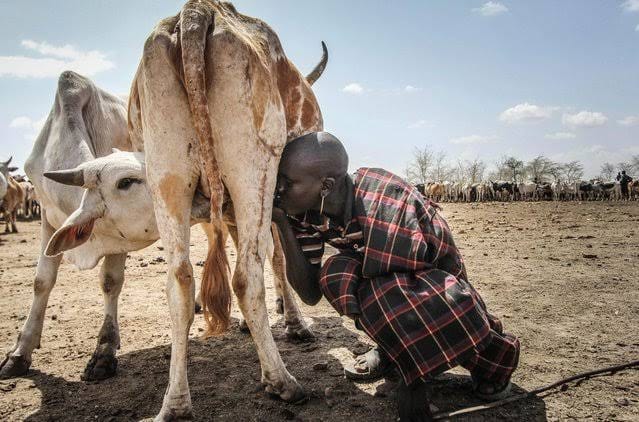
The Karamojong cultural experience is one of the most authentic and transformative cultural encounters you can have in Uganda. At Afraeka Adventures, we believe that true travel is about connection—not just with wildlife and landscapes, but with the people who call this land home. The Karamojong, a proud Nilotic pastoralist people, have preserved their traditional way of life for centuries, living in harmony with their cattle, the land, and their deep-rooted cultural traditions.
In this comprehensive guide, we take you on a journey into the world of the Karamojong people—their history, their culture, their challenges, and their resilience. We share our expert knowledge on the Karamojong cultural experience, what to expect, and how to engage respectfully with one of Africa’s most fascinating indigenous communities. Whether you are a cultural enthusiast, a photographer, or simply a traveler seeking an authentic African experience, this guide will help you understand and appreciate the rich heritage of the Karamojong people.
Understanding the Karamojong cultural experience is about more than just tourism—it is about witnessing a living culture that has survived colonization, modernization, and dramatic climate change. By participating in a Karamojong cultural tour, you contribute directly to the preservation of their traditions and the economic empowerment of their communities. Let us guide you through this extraordinary journey into the heart of Uganda’s warrior culture.
1. Who are the Karamojong People?
The Karamojong cultural experience begins with understanding who the Karamojong are:
| Aspect | Details |
|---|---|
| Origin | The Karamojong are a Nilotic ethnic group, part of the larger Ateker family, which includes the Turkana of Kenya and the Maasai of Tanzania and Kenya. |
| Population | Approximately 1.5 million people, making them one of the largest ethnic groups in Uganda. |
| Region | They inhabit the semi-arid plains of northeastern Uganda, in the Karamoja sub-region, covering districts like Moroto, Kotido, Abim, and Kaabong. |
| Language | They speak Karamojong (or Ngakarimojong), a Nilotic language closely related to Turkana and Maasai. |
| Lifestyle | Traditionally nomadic pastoralists, they are entirely dependent on their cattle, which provide food, wealth, and status. |
| Social Structure | The Karamojong society is organized into age-sets, with the warriors (called “moran” or “ngimojong”) holding a central role in protecting the community’s cattle. |
2. The History of the Karamojong: Warriors, Pastoralists, and Survivors
To fully appreciate the Karamojong cultural experience, it is essential to understand their history:
The Origins (Pre-Colonial Era)
The Karamojong are believed to have migrated from the Nile Valley into present-day Uganda around the 17th century. They settled in the semi-arid plains of northeastern Uganda, where they developed a pastoralist lifestyle centered around cattle. Their culture is deeply intertwined with their livestock, and cattle raids were a traditional way of acquiring wealth and proving bravery.
Colonial Era & British Rule (Late 19th Century–1962)
The arrival of the British colonialists in the late 19th century brought significant changes. The Karamojong fiercely resisted colonial rule, and the British often used punitive expeditions to control them. The colonial administration restricted their movement, imposed taxes, and sought to undermine their traditional leadership structures. The Karamojong’s pastoralist lifestyle was also threatened by the establishment of game reserves and national parks.
Post-Independence (1962–Present)
After Uganda’s independence, the Karamojong continued to face challenges, including government neglect, marginalization, and armed cattle raiding. The region experienced severe droughts and famine, leading to a humanitarian crisis in the 1970s and 1980s. In recent decades, there have been efforts to disarm the Karamojong, develop infrastructure, and integrate them into the national economy. However, the Karamojong remain one of the most marginalized communities in Uganda.
The Present Day
Today, the Karamojong are reclaiming their identity and heritage. The Karamojong cultural experience tourism initiative is one of the most successful programs, offering employment and a platform for the Karamojong to share their culture with the world. While challenges remain—including climate change, poverty, and land conflicts—the Karamojong are resilient and determined to preserve their traditions for future generations.
3. The Karamojong Cultural Experience: What to Expect
The Karamojong cultural experience is a 2-3 day immersive journey that offers a unique window into their traditional way of life. At Afraeka Adventures, we partner with local Karamojong communities in Karamoja to offer this authentic and respectful experience.
| Activity | Description | Duration |
|---|---|---|
| Arrival & Welcome | You are welcomed by the community with traditional songs and dances. | 30 mins |
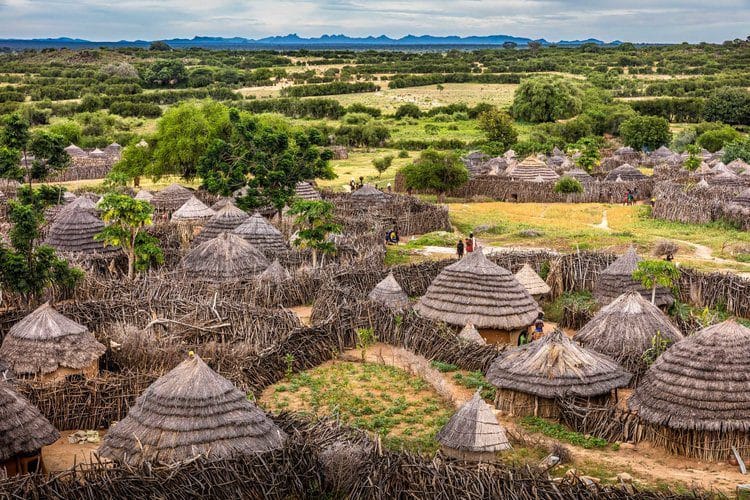
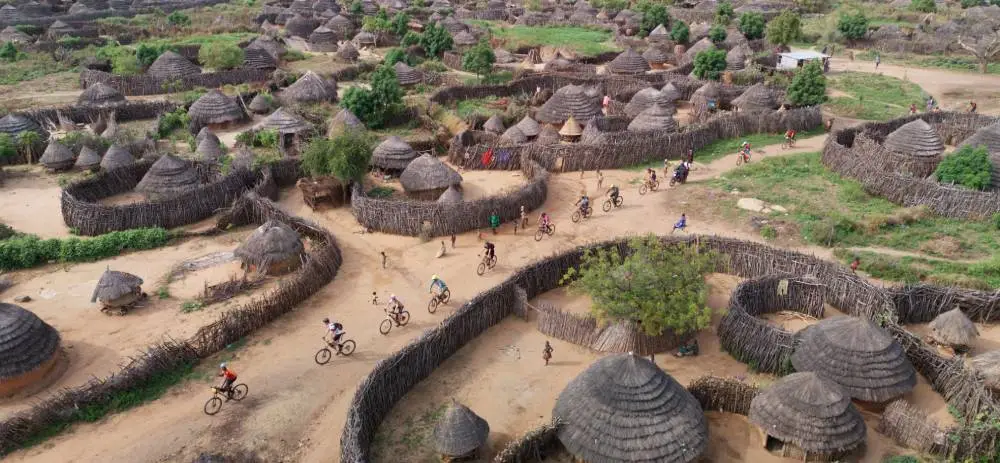
| Village (Manyatta) Visit | Guided tour of a traditional Karamojong village, including huts, cattle enclosures, and community spaces. | 60 mins |
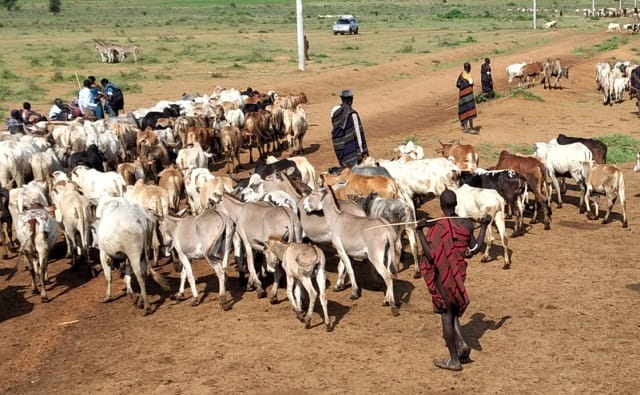
| Cattle Herding | Join the warriors as they bring the cattle back to the kraal at sunset. Witness their deep bond with their livestock. | 60 mins |
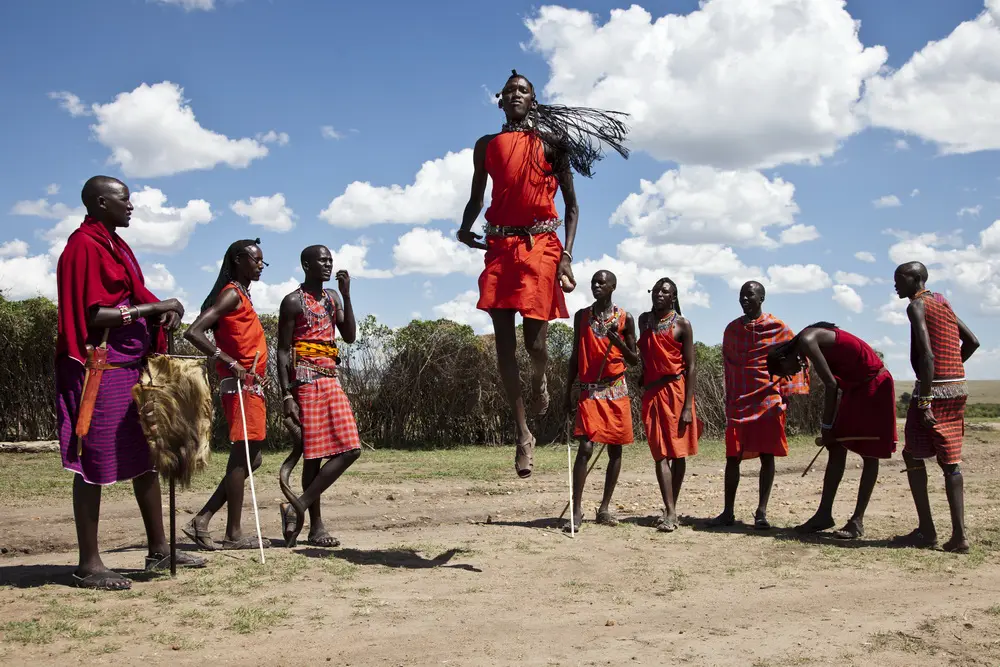
| Warrior Demonstration | Watch a demonstration of traditional warrior skills, including spear throwing, archery, and jumping dances. | 30 mins |
| Cultural Performance | Enjoy traditional Karamojong songs, dances, and storytelling around a campfire. | 60 mins |
| Craft Market | Opportunity to purchase handmade crafts (beaded jewelry, carvings, spears, and shields) directly from the artisans. | 30 mins |
| Community Interaction | Engage with community members and learn about their current lives, challenges, and aspirations. | 60 mins |
| Traditional Meal | Enjoy a traditional Karamojong meal, such as “lubwira” (a type of porridge or stew) served in a calabash. | 60 mins |
Afraeka Adventures Pro Tip: The Karamojong cultural experience is best combined with a visit to Kidepo Valley National Park. Many of our clients combine wildlife viewing with cultural immersion for a well-rounded Ugandan adventure.
4. Where to Experience the Karamojong Cultural Tour
The Karamojong cultural experience is offered in several locations across Karamoja:
4.1 Moroto District
- Best For: Visitors combining the experience with hiking or a visit to Kidepo Valley National Park.
- Villages: The communities near Moroto town and on the slopes of Mount Moroto.
- Highlights: Experience Karamojong culture against the stunning backdrop of Mount Moroto. The Kara-Tunga Safari Camp offers a comfortable base for cultural activities.
- Why Visit: Moroto is the cultural heart of Karamoja, offering authentic experiences with warm hospitality.
Afraeka Adventures Recommendation: The Kara-Tunga initiative is a model of community-based tourism. They offer well-organized cultural tours that directly benefit the local community.
4.2 Kotido District
- Best For: Visitors wanting to experience the most traditional and remote Karamojong communities.
- Villages: The remote villages near Kotido town.
- Highlights: Experience the traditional warrior culture in a setting that is off the beaten path.
- Why Visit: Kotido offers a more rugged and unfiltered Karamojong experience.
4.3 Kidepo Valley National Park Region
- Best For: Visitors combining a safari in Kidepo with cultural immersion.
- Villages: The communities on the edge of the park.
- Highlights: Experience Karamojong culture alongside stunning wildlife and dramatic landscapes.
- Why Visit: This is a unique combination that offers the best of both worlds.
Afraeka Adventures Recommendation: The Kidepo region offers the perfect pairing of wildlife and culture. We highly recommend this combination.
5. Karamojong Culture: Deep Dive into Traditions
The Karamojong cultural experience offers insights into their rich traditions:
Cattle: The Center of Karamojong Life
- Symbol of Wealth: Cattle are the primary measure of wealth and status. A man’s importance is measured by the size of his herd.
- Marriage: Bride price is paid in cattle. A young man must accumulate enough cattle before he can marry.
- Daily Life: The Karamojong’s daily rhythm revolves around the movement and care of their cattle. They drink fresh milk, sometimes mixed with cow urine, which they believe has medicinal properties. Cow dung is used to fuel fires and plaster huts.
Warrior Culture (Ngimojong)
- Role of Warriors: Warriors (called “ngimojong” or “moran”) are the protectors of the community and the cattle. They undergo rigorous training and initiation ceremonies.
- Weapons: They are skilled in using spears, bows and arrows, and shields made from animal hide.
- Warrior Jumping: A traditional dance where warriors jump high into the air to showcase their strength and prowess.
Initiation and Age-Sets
- Age-Sets (Rite of Passage): Karamojong society is organized into age-sets, which determine an individual’s status, rights, and responsibilities.
- Initiation: Young boys undergo a period of initiation to become warriors, which includes tests of endurance, circumcision, and learning warrior skills.
Clothing and Adornment
- Traditional Attire: Men typically wear a cloth wrapped around their waist and carry a spear. Women wear colorful beaded jewelry, including necklaces, bracelets, and earrings. Goat skins are also worn as clothing.
- Body Art: Scars on the body signify milestones, and women often wear elaborate hairstyles.
Spirituality and Beliefs
- Supreme Being: The Karamojong believe in a supreme being called “Akuj” who is the creator of the world.
- Spirits: They also believe in ancestral spirits and the spirits of nature, such as those of rocks, rivers, and forests.
- Rainmakers: Rainmakers hold a special position in the community and are responsible for ensuring good rains.
6. Respectful Engagement: Do’s and Don’ts
When participating in a Karamojong cultural experience, it is essential to be respectful. Here are our guidelines:
| Do’s | Don’ts |
|---|---|
| Do ask respectful questions about their culture and traditions. | Don’t ask intrusive questions about money, poverty, or sensitive issues like cattle raiding. |
| Do listen actively to their stories and songs. | Don’t take photographs without asking permission. |
| Do buy crafts directly from the artisans. | Don’t give gifts directly to children (give to community leaders). |
| Do tip your guides (recommended $10-20 per person per day). | Don’t treat it as a performance—it is a sharing of their culture. |
| Do dress modestly (cover knees and shoulders). | Don’t use flash photography without permission. |
| Do engage with humility and a genuine desire to learn. | Don’t criticize their culture or lifestyle. |
| Do follow your guide’s instructions on safety and protocol. | Don’t wander off without a guide. |
7. The Importance of the Karamojong Cultural Experience
The Karamojong cultural experience is more than just a tourist activity—it is a vital lifeline for the Karamojong community:
| Benefit | How It Helps |
|---|---|
| Economic Empowerment | Tourism provides direct income, reducing poverty and dependency. |
| Cultural Preservation | The experience encourages the Karamojong to preserve their traditions and pass them on to the next generation. |
| Education | Revenue supports community projects, including schools and healthcare facilities. |
| Empowerment | The experience gives the Karamojong a voice and a platform to share their own stories. |
| Conservation | It fosters appreciation for the land and wildlife, encouraging conservation. |
| Peacebuilding | Tourism creates jobs and reduces competition over resources, contributing to peace in the region. |
8. Combining the Karamojong Cultural Experience with Other Activities
The Karamojong cultural experience can be seamlessly combined with other activities for a richer safari:
| Activity | How to Combine | Duration |
|---|---|---|
| Kidepo Valley Safari | Combine the cultural tour with a wildlife safari in Kidepo Valley National Park. | 4-6 days |
| Gorilla Trekking | Combine with gorilla trekking in Bwindi or Mgahinga (requires a long drive or domestic flight). | 7-10 days |
| Birding Tours | Combine with birding in Kidepo or other birding hotspots. | 5-7 days |
| Mount Moroto Hike | Combine with a hike on Mount Moroto for stunning views. | 3-4 days |
9. Traveling to Karamoja: Practical Tips
Here are our expert tips for traveling to Karamoja for the Karamojong cultural experience:
| Tip | Details |
|---|---|
| Best Time to Visit | The dry seasons (June-August and December-February) are best for road access and cultural activities. |
| Getting There | Karamoja is accessible by road from Kampala (approx. 8-10 hours). Domestic flights to Moroto or Kidepo are also available. |
| Accommodation | Options range from camping to comfortable safari lodges like Kara-Tunga Safari Camp and Kidepo Savannah Lodge. |
| Safety | Karamoja is generally safe for tourists, but it is essential to have a local guide and follow their advice. |
| Permits | No special permits are required for the cultural experience, but park entry fees apply for Kidepo. |
| Health | Take malaria prophylaxis and carry insect repellent. Check with your doctor about any recommended vaccinations. |
| What to Pack | Bring neutral-colored clothing, sturdy shoes, sun protection, insect repellent, and cash for crafts and tips. |
10. Afraeka Adventures’ Commitment to the Karamojong
At Afraeka Adventures, we are committed to responsible and ethical tourism. Our approach to the Karamojong cultural experience is guided by our core values:
- Respect: We treat the Karamojong with the dignity and respect they deserve.
- Partnership: We work directly with Karamojong community cooperatives, ensuring they receive fair compensation.
- Authenticity: We offer genuine, unfiltered experiences, allowing the Karamojong to share their own stories.
- Impact: We support community development projects that make a tangible difference in Karamojong lives.
- Education: We educate our clients about the Karamojong’s history, culture, and current challenges.
- Sustainability: We promote tourism that is sustainable and beneficial to the local community and environment.
Frequently Asked Questions about the Karamojong Cultural Experience
Q: What is the Karamojong cultural experience in Uganda?
A: It is an immersive cultural tour that allows visitors to learn about the Karamojong people’s history, traditions, and current way of life. It includes village visits, cattle herding, warrior demonstrations, traditional songs and dances, and community interaction.
Q: Where can I do the Karamojong cultural experience?
A: The experience is offered in several locations in Karamoja, including Moroto District, Kotido District, and the region around Kidepo Valley National Park.
Q: How much does the Karamojong cultural experience cost?
A: The cost varies depending on the duration and activities. Typically, a 2-3 day cultural tour costs $200-$400 per person, including accommodation, meals, and activities. The fees directly support the local community.
Q: Is the Karamojong cultural experience safe?
A: Yes, when conducted with a reputable operator like Afraeka Adventures. Our guides are experienced and know the area well. It is essential to follow their advice and not wander off on your own.
Q: Can I combine the Karamojong cultural experience with a safari?
A: Absolutely. Many of our clients combine the cultural tour with a wildlife safari in Kidepo Valley National Park, offering the perfect combination of wildlife and culture.
Q: What should I wear for the Karamojong cultural experience?
A: Wear neutral-colored clothing (khaki, olive, brown), sturdy shoes, a sun hat, and layers for changing temperatures. Dress modestly, covering knees and shoulders.
Q: How do I respect the Karamojong people during the experience?
A: Be respectful, ask questions with sensitivity, dress modestly, avoid giving gifts directly to children, listen attentively, and purchase crafts to support the community.
Q: What is the best time to visit Karamoja?
A: The best time is during the dry seasons (June-August and December-February) for the easiest road access and best cultural activities.
Q: Can I take photos during the Karamojong cultural experience?
A: Yes, but always ask permission before taking photos. Many Karamojong are happy to be photographed, but some may not. Respect their wishes.
Q: What is the significance of cattle in Karamojong culture?
A: Cattle are the center of Karamojong life. They are a measure of wealth, a form of currency for marriage, and a source of food (milk, blood, and meat). The bond between the Karamojong and their cattle is deep and spiritual.
Ready to Experience the Karamojong Cultural Experience?
Book your Karamojong cultural tour with Afraeka Adventures today. Our expert team will ensure you have a meaningful, respectful, and unforgettable encounter with the Karamojong people. Contact us now to start planning your cultural adventure!
📞 Phone: +256-794144988
📧 Email: info@afraekaadventures.com
🌐 Website: www.afraekaadventures.com
Contact Our Team | Explore Cultural Tours | View All Safaris