A Nyungwe Forest chimpanzee trekking itinerary offers one of Africa’s most authentic and immersive primate experiences. Nyungwe Forest National Park, located in southwestern Rwanda, is one of the oldest rainforests on the continent and home to 13 primate species—including chimpanzees, colobus monkeys, and grey-cheeked mangabeys. This guide outlines a detailed 4-day chimpanzee trekking itinerary, with practical planning advice, wildlife highlights, and everything you need to know before you go.
Unlike gorilla trekking, which is tightly regulated and often booked months in advance, chimpanzee trekking in Nyungwe offers a more flexible and equally thrilling experience. The forest is also a birdwatcher’s paradise, with over 300 recorded species, and the famous canopy walkway provides a unique perspective on this ancient ecosystem. For a combined Rwanda-Uganda primate adventure, see our 7-Day Uganda-Rwanda Primates Safari.
Why Nyungwe Forest is a Top Primate Destination
Nyungwe Forest National Park covers approximately 1,019 square kilometres of mountainous rainforest in Rwanda’s southwest. It is part of the Albertine Rift, a biodiversity hotspot that stretches from Uganda to Tanzania. The forest is believed to have survived the Ice Age, making it one of the oldest continuously forested areas in Africa.
The park is managed by the Rwanda Development Board (RDB), which oversees conservation, tourism, and community programmes. Nyungwe is also a vital water catchment area, feeding rivers that supply much of Rwanda and neighbouring countries.
For primate lovers, Nyungwe is exceptional. It is home to:
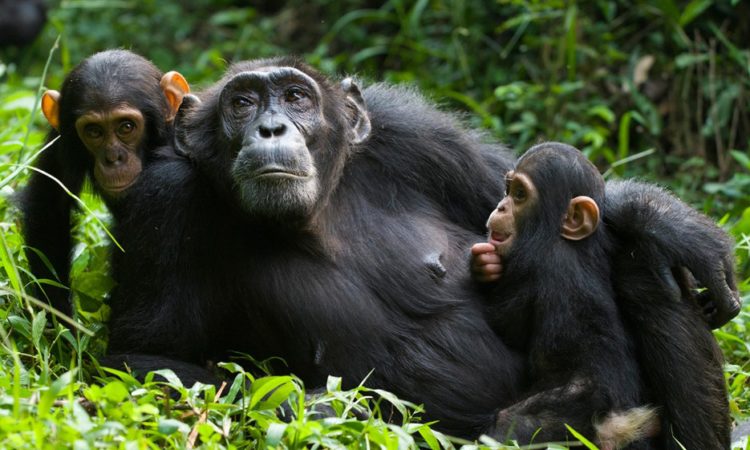
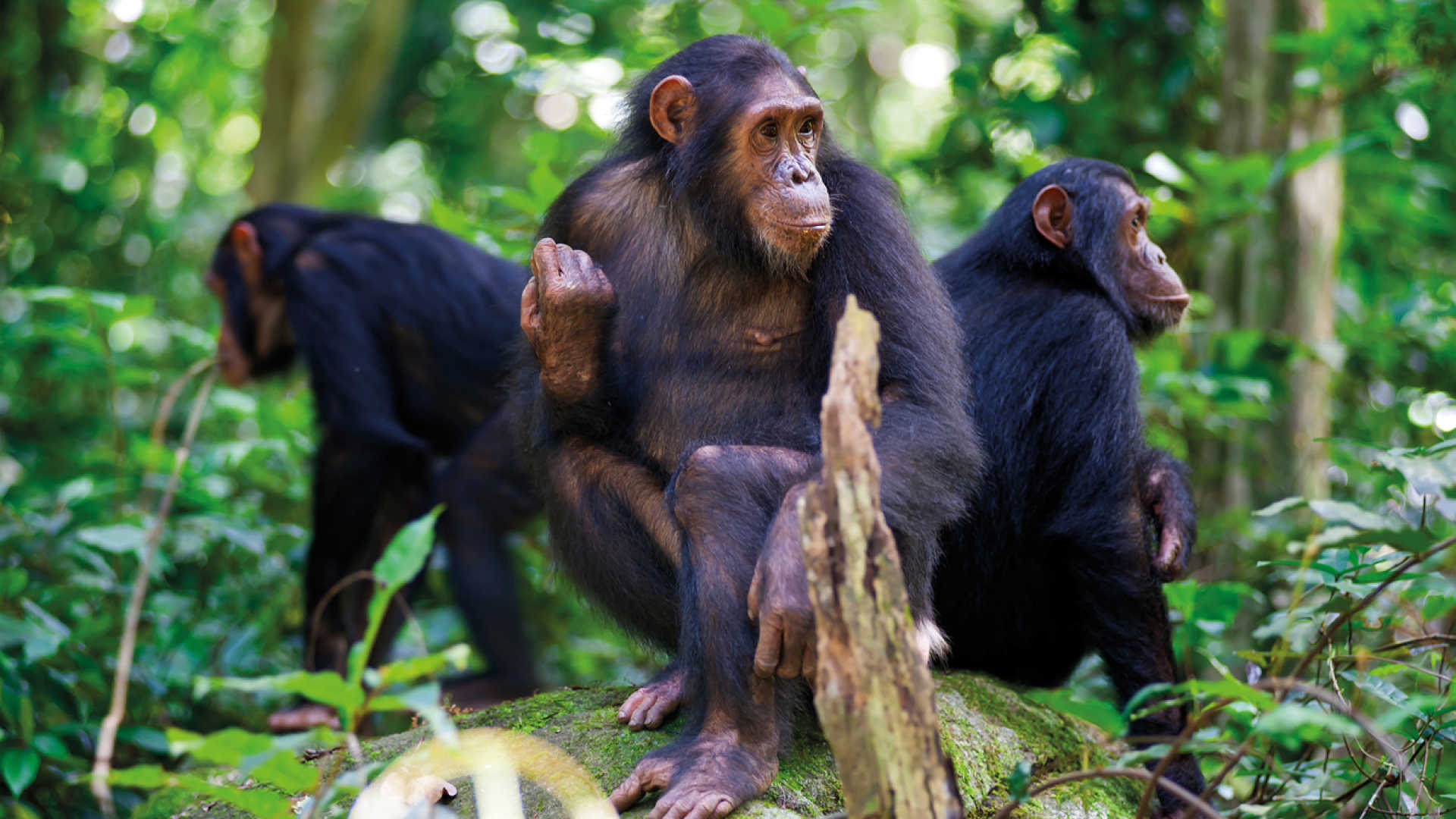
- Chimpanzees: A habituated community that can be tracked by visitors.
- Ruwenzori colobus monkeys: Troops of up to 300 individuals—one of the largest primate groups in Africa.
- Golden monkeys: Though more commonly associated with Volcanoes National Park, golden monkeys are also present in Nyungwe.
- Grey-cheeked mangabeys, red-tailed monkeys, blue monkeys, and olive baboons.
- L’Hoest’s monkeys: A rare and beautiful species found in the forest’s understory.
The park is also home to over 300 bird species, including 27 Albertine Rift endemics, making it a must-visit for birders. The Visit Rwanda website provides additional information on the park’s biodiversity.
Chimpanzee Trekking in Nyungwe: What to Expect
Chimpanzee trekking in Nyungwe is a half-day activity that begins early in the morning. After a briefing at the park headquarters, you’ll be assigned to a group and accompanied by experienced trackers and a guide. The hike can take anywhere from one to four hours, depending on where the chimpanzees have nested the previous night.
The terrain is mountainous and can be muddy, especially during the rainy season. A reasonable level of fitness is required, but the pace is moderate, and guides are skilled at matching the trek to the group’s ability. Porters are available to carry bags for a small fee, and they also provide valuable local employment.
Once the chimpanzees are located, you’ll spend one hour with them. You’ll observe them feeding, grooming, playing, and interacting. Chimpanzees are our closest living relatives, and watching them in the wild is a profoundly moving experience. Your guide will share insights into their behaviour, social structure, and conservation.
Permits for chimpanzee trekking are issued by the Rwanda Development Board. Because the number of permits per day is limited, it’s essential to book in advance, especially during peak season. For current permit information, visit the RDB website.
Other Activities in Nyungwe Forest
While chimpanzee trekking is the headline activity, Nyungwe offers much more. A 4-day itinerary allows you to experience the best of the park without feeling rushed.
Canopy Walkway
The Nyungwe canopy walkway is a suspended bridge 70 metres above the forest floor. It offers breathtaking views of the rainforest canopy and a unique perspective on the ecosystem. The walkway is one of only a few of its kind in Africa and is suitable for most fitness levels. It’s a highlight for photographers and nature lovers alike.
Colobus Monkey Trekking
Nyungwe is home to large troops of Ruwenzori colobus monkeys. Unlike chimpanzees, these monkeys are often found in the canopy and can be observed from a distance. A guided trek to see them is a delightful addition to your itinerary.
Birdwatching
With over 300 species, including 27 Albertine Rift endemics, Nyungwe is one of Africa’s premier birding destinations. Species to look for include the Rwenzori turaco, blue-headed sunbird, and the elusive Neumann’s warbler. Guided birding walks are available.
Nature Walks and Hiking
Nyungwe has a network of trails for all fitness levels, from short nature walks to full-day hikes. The Igishigishigi Trail leads to the canopy walkway, while the Bigugu Trail climbs to the park’s highest peak. Guides are mandatory and will enrich your experience with knowledge of the forest’s flora and fauna.
Best Time to Visit Nyungwe for Chimpanzee Trekking
Nyungwe is a year-round destination, but the best time for chimpanzee trekking is during the dry seasons:
- June to September: The long dry season. Trails are drier, and trekking is more comfortable. This is peak season, so book permits and accommodation early.
- December to February: The short dry season. Good conditions with fewer crowds than June–September.
- March to May: The long rainy season. Lush scenery and excellent birdwatching, but trails can be muddy and slippery. Lower lodge rates may apply.
- October to November: The short rainy season. Similar to March–May but shorter.
Chimpanzee trekking is possible year-round, but the wet season can make the hike more challenging. If you’re primarily interested in birdwatching, the rainy seasons are actually ideal, as migratory species arrive and the forest is alive with activity.
How to Get to Nyungwe Forest
Nyungwe is located in southwestern Rwanda, approximately 225 kilometres from Kigali. The drive takes about five to six hours, passing through beautiful scenery including tea plantations and the shores of Lake Kivu. The road is paved and in good condition.
Alternatively, you can fly from Kigali to Kamembe Airport near Cyangugu, which reduces travel time significantly. From Kamembe, it’s a short drive to the park. Domestic flights are operated by RwandAir.
Most visitors combine Nyungwe with a visit to Volcanoes National Park for gorilla trekking or with Lake Kivu for relaxation. Our 16-Day Rwanda and Uganda Gorilla Trekking & Big Five Safari includes Nyungwe as part of a comprehensive itinerary.
4-Day Nyungwe Forest Chimpanzee Trekking Itinerary
Day 1: Kigali to Nyungwe Forest
Your journey begins with a morning pickup from your hotel in Kigali. You’ll drive southwest through Rwanda’s rolling hills, passing through towns like Muhanga and Huye. If time permits, you can stop at the King’s Palace Museum in Nyanza or the National Museum of Rwanda in Huye.
Arrive at Nyungwe Forest in the late afternoon. Check into your lodge and relax. The forest is cool and misty, a refreshing contrast to the warmer lowlands. Dinner and overnight at your lodge.
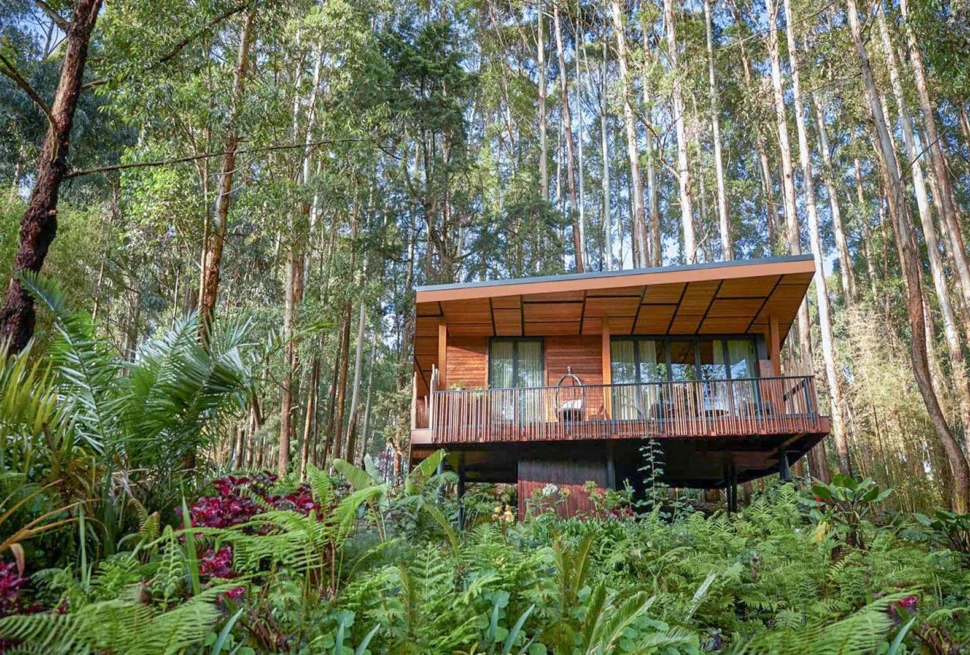
Accommodation: One&Only Nyungwe House (luxury) or Nyungwe Top View Hill Hotel (mid-range). Both offer comfortable rooms and stunning views.
Day 2: Chimpanzee Trekking and Canopy Walk
After an early breakfast, transfer to the park headquarters for your chimpanzee trekking briefing. You’ll be assigned to a group and meet your guide and trackers. The trek begins early, as chimpanzees are most active in the morning.
The hike takes you deep into the rainforest. Your guide will interpret the forest’s sounds and signs, pointing out birds, plants, and other wildlife along the way. When you find the chimpanzees, you’ll spend one hour observing them. The experience is intimate and unforgettable.
Return to your lodge for lunch and rest. In the afternoon, experience the canopy walkway. The suspended bridge offers spectacular views and a bird’s-eye perspective on the forest. It’s a gentle activity suitable for most visitors.
Accommodation: Same as Day 1.
Day 3: Colobus Monkey Trekking and Waterfall Hike
Today, embark on a trek to see the Ruwenzori colobus monkeys. These striking black-and-white primates live in large troops and are often found in the forest canopy. Your guide will help you spot them and explain their social behaviour.
In the afternoon, choose from one of Nyungwe’s many hiking trails. The Isumo Waterfall Trail is a popular option, leading to a beautiful waterfall hidden in the forest. The trail is moderate and takes a few hours. Alternatively, you can relax at your lodge or book a birdwatching walk.
Accommodation: Same as Day 1.
Day 4: Optional Birdwatching and Return to Kigali
On your final morning, enjoy a leisurely breakfast before an optional birdwatching walk. Nyungwe’s early morning chorus is a treat for the senses, and you may spot species like the Rwenzori turaco or the blue-headed sunbird.
After check-out, begin your journey back to Kigali. You’ll arrive in the capital by late afternoon or early evening, with time to relax or catch your onward flight. If you have more time, consider extending your trip to Lake Kivu or Volcanoes National Park. Our 7-Day Uganda-Rwanda Primates Safari offers a perfect combination of Nyungwe and other primate destinations.
Wildlife in Nyungwe Forest
Nyungwe’s biodiversity is extraordinary. Here’s a snapshot of what you can expect to see:
| Category | Species |
|---|---|
| Primates | Chimpanzee, Ruwenzori colobus, golden monkey, L’Hoest’s monkey, grey-cheeked mangabey, red-tailed monkey, blue monkey, olive baboon |
| Birds | Over 300 species including 27 Albertine Rift endemics |
| Other mammals | Forest elephant, bushbuck, duiker, serval, golden cat (rarely seen) |
| Amphibians & reptiles | Numerous species, many endemic to the Albertine Rift |
The forest is also home to hundreds of butterfly species and a stunning array of orchids and other plants. Every walk in Nyungwe reveals something new.
Permits and Booking for Chimpanzee Trekking
Chimpanzee trekking permits in Nyungwe are issued by the Rwanda Development Board. The number of permits per day is limited to ensure a low-impact experience for the chimpanzees. Permits should be booked well in advance, especially during the dry seasons (June–September and December–February).
Permit fees are set by the RDB and are subject to change. For current rates and booking procedures, visit the Rwanda Development Board website or contact a licensed tour operator. Most visitors book permits as part of a package that includes accommodation, transport, and guiding.
It’s also worth noting that chimpanzee trekking has a minimum age requirement, typically 15 years, and participants must be in reasonable health. A medical certificate may be required in some cases.
Health and Safety in Nyungwe
- Malaria: Nyungwe is in a malaria-risk area, so antimalarial medication is recommended. Consult your doctor before travel.
- Altitude: The forest is at high altitude (1,600–2,950 metres), so take it easy on the first day and stay hydrated.
- Yellow fever: A yellow fever certificate is required for entry into Rwanda if arriving from a country with yellow fever transmission.
- Travel insurance: Comprehensive travel insurance covering medical evacuation is strongly recommended.
- Wildlife safety: Always follow your guide’s instructions. Keep a safe distance from primates and never feed them.
For the latest entry requirements, visit the Rwanda Directorate General of Immigration and Emigration.
What to Pack for Nyungwe Chimpanzee Trekking
- Clothing: Long-sleeved shirts, long trousers, a waterproof jacket, warm fleece for cool mornings, and sturdy hiking boots with good grip.
- Accessories: Sun hat, sunglasses, sunscreen, insect repellent, binoculars, camera with zoom lens, and a small daypack.
- Documents: Passport, visa, yellow fever certificate, travel insurance, and printed permits.
- Other: Reusable water bottle, energy snacks, power adapter (Type C and J), and a walking stick (available locally).
Most lodges offer laundry service, so you can pack light. Dress in layers, as temperatures can vary throughout the day.
Frequently Asked Questions
How difficult is chimpanzee trekking in Nyungwe?
The trek can be moderately challenging due to steep terrain and muddy trails. A reasonable level of fitness is required, but guides set a moderate pace and porters are available to carry bags.
How far in advance should I book chimpanzee permits?
We recommend booking at least three to six months in advance for peak season. For low season, one to two months may be sufficient, but earlier is always better.
Can I combine chimpanzee trekking with gorilla trekking?
Yes. Many visitors combine Nyungwe with Volcanoes National Park for gorilla trekking. The drive between the two parks takes about five to six hours. Our 7-Day Uganda-Rwanda Primates Safari is designed for exactly this kind of combined experience.
Is Nyungwe suitable for families?
Nyungwe is suitable for families with older children who can handle moderate hiking. Chimpanzee trekking has a minimum age of 15. Younger children can enjoy the canopy walkway and shorter nature walks.
What is the best time for birdwatching in Nyungwe?
The rainy seasons (March–May and October–November) are best for birdwatching, as migratory species arrive and the forest is lush. However, birding is rewarding year-round.
Start Planning Your Nyungwe Chimpanzee Trekking Adventure
Every safari we create is tailored to your interests, budget, and travel dates. Whether you want a short 3-day primate escape or a comprehensive 10-day Rwandan adventure, we’ll design the perfect itinerary for you.
Contact us today to begin planning your unforgettable Nyungwe Forest chimpanzee trekking experience.