A Kigali Genocide Memorial visit is the most important thing you can do in Rwanda’s capital—and for many travellers, the most memorable. The memorial is the final resting place of more than 250,000 victims of the 1994 Genocide against the Tutsi, and it is also a museum, an education centre, and a place of reflection. It is not an easy experience. It is a deeply emotional one. But it gives context to everything else you will see in Rwanda: the country’s remarkable recovery, its conservation success, its warmth, and its determination to build a future that honours the past. This guide explains what the memorial is, what you will see, how to prepare emotionally, the practical details of visiting, and how to engage with the site respectfully and meaningfully.
The Kigali Genocide Memorial is managed by the Aegis Trust on behalf of the National Commission for the Fight against Genocide, working with the Rwanda Development Board (RDB) and the City of Kigali. The Visit Rwanda tourism board lists it as one of the country’s essential attractions. For a broader city guide, see our Things to Do in Kigali hub and our Kigali city tour itinerary for one day.
What Is the Kigali Genocide Memorial?
The Kigali Genocide Memorial is located in the Gisozi district of Kigali, on a hillside overlooking the city. It was opened in 2004, ten years after the genocide, and it serves three purposes:
- A burial site: The memorial is the final resting place of more than 250,000 victims, whose remains were brought to the site from across Kigali and beyond. The graves are a place of mourning for survivors and families.
- A museum: The memorial houses permanent exhibitions documenting the history of the genocide, its causes, its execution, and its aftermath.
- An education and research centre: The memorial runs education programmes for Rwandan and international visitors, and supports research into genocide prevention.
In 2023, the memorial was inscribed as a UNESCO World Heritage Site, recognising its outstanding universal value as a place of memory and education.
Why Kigali Genocide Memorial visit?
For most travellers, the memorial is not a “sight” to tick off—it’s an essential part of understanding Rwanda. Here’s why it matters.
- Context: Rwanda’s modern history is inseparable from the genocide. The memorial explains what happened, why, and how the country has rebuilt itself.
- Respect: Visiting is an act of respect for the victims, survivors, and the country’s ongoing reconciliation.
- Understanding: The memorial is thoughtfully curated and provides a clear, factual account of the genocide, its causes, and its aftermath.
- Reflection: It’s a place to pause and reflect—something that’s easy to forget on a busy safari itinerary.
- Prevention: The memorial’s education programmes are dedicated to genocide prevention. Visiting supports that mission.
- Rwandan resilience: The memorial also tells the story of Rwanda’s remarkable recovery and its commitment to a peaceful, inclusive future.
Many travellers describe the memorial as the most powerful experience of their Rwandan trip—more so than gorillas, game drives, or even the landscapes. It stays with you.
What You’ll See
The memorial is composed of several distinct areas, each with its own purpose and emotional weight.
The Permanent Exhibitions
The memorial’s main building houses three permanent exhibitions:
- The Genocide against the Tutsi: A chronological account of the genocide, from the colonial period and the events leading up to 1994, through the 100 days of killing, to the liberation and its aftermath. The exhibition uses photographs, documents, testimony, and film to tell the story.
- The Children’s Memorial: A deeply moving section dedicated to the children killed during the genocide. It includes photographs and short biographies of some of the youngest victims, alongside quotes from survivors.
- Wasted Lives: An exhibition on other genocides around the world, including the Holocaust, Cambodia, and Bosnia. It places Rwanda’s experience in a broader context and emphasises the importance of prevention.
The exhibitions are informative but intense. They are best experienced at a pace that allows you to absorb the information without becoming overwhelmed. The audio guide is worth considering—it adds context and personal stories to the exhibits.
The Gardens and Graves
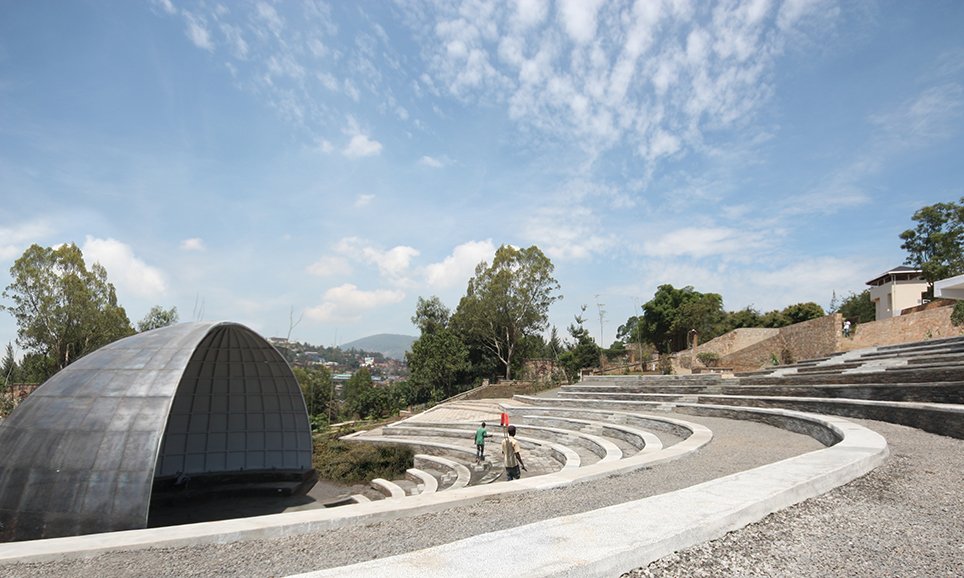
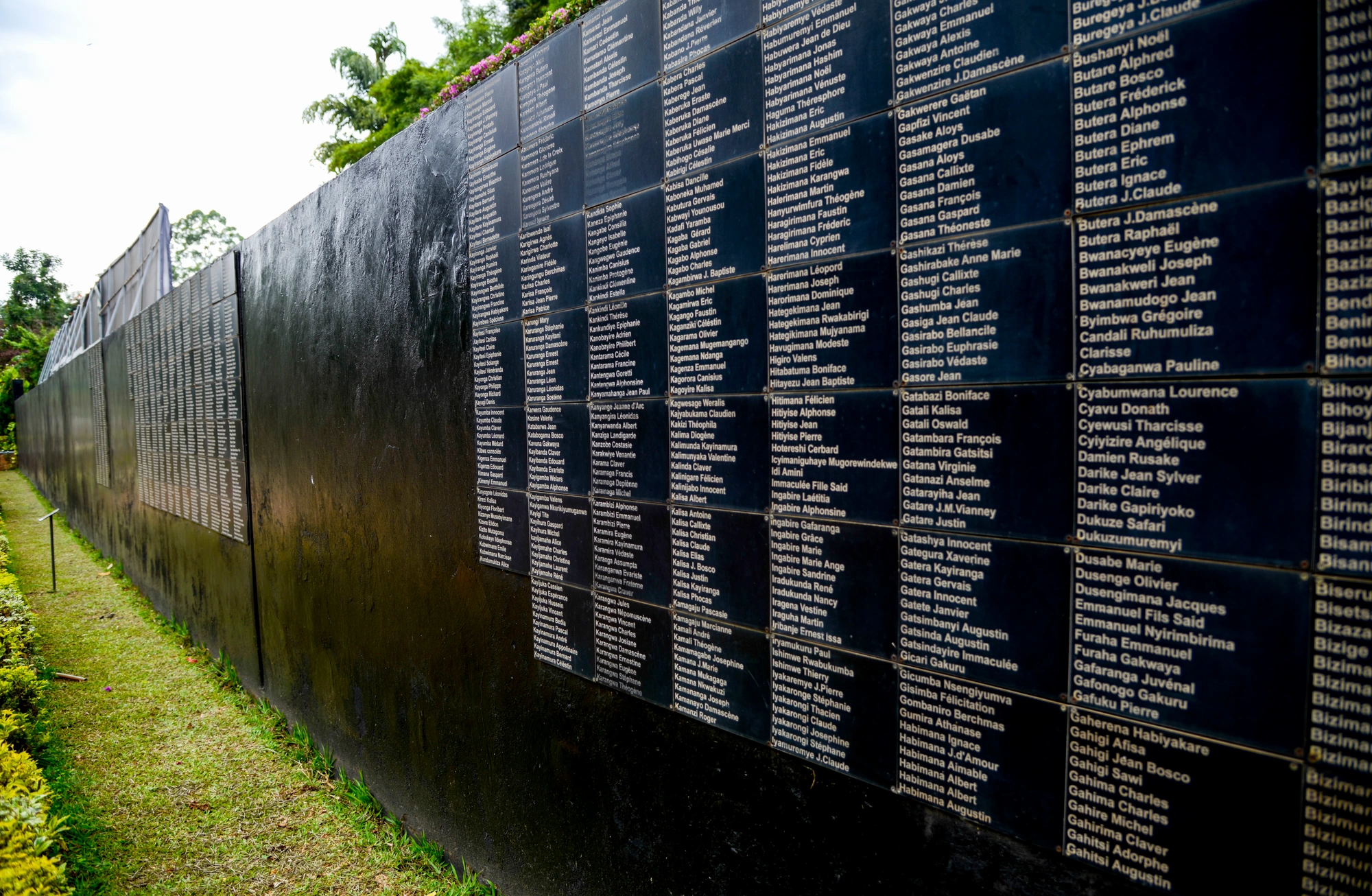
The memorial grounds are beautiful—rose gardens, terraced lawns, and quiet corners for reflection. The graves are arranged in mass tombs, and the wall of names lists some of the victims whose identities have been documented. Many families have placed photographs on the tombs.
The gardens are not a decorative addition to the site—they are integral to it. They provide a space for quiet reflection after the intensity of the exhibitions, and they are a place where survivors and families come to mourn.
The Wall of Names
The wall of names is a sobering reminder of the scale of the genocide. Each name represents a life lost—a person with a family, a history, a future. The wall continues to be updated as more victims are identified.
The Campaign Against Genocide Museum
Just outside the memorial grounds, the Campaign Against Genocide Museum is housed in the former parliament building and tells the story of the Rwandan Patriotic Front’s campaign to stop the genocide. It is a smaller museum but provides important context, and it’s worth a visit for those who want a fuller understanding of the period.
The Experience: What to Expect Emotionally
The Kigali Genocide Memorial is not a typical museum. Many visitors find it profoundly emotional—more so than they expected. It’s not unusual for travellers to cry, to need to sit down, or to take breaks during the visit.
Here’s what to expect:
- Intensity: The exhibits are graphic in places, and the stories of victims and survivors are deeply affecting.
- Duration: A thoughtful visit takes two to three hours, sometimes more. It’s worth setting aside enough time rather than rushing through.
- Emotional peaks: Many visitors find the Children’s Memorial the most difficult section. It’s acceptable to skip it if you need to.
- Quiet: The memorial is a place of quiet reflection. Talking should be minimal, and phones should be on silent.
- Need for space: After the exhibitions, many visitors need time in the gardens to process what they’ve seen.
- Physical fatigue: The visit is emotionally draining, and many travellers feel tired afterwards. Plan a quiet afternoon or evening.
If you’re travelling with children, the memorial is generally not recommended for younger children. Older teenagers, particularly those with an interest in history, may find it meaningful. Parents should use their judgment and prepare children for what they will see.
Practical Information for Visiting
Location
The memorial is in Gisozi, about 10–15 minutes’ drive from central Kigali. It’s easily accessible by taxi or private car, and many city tours include it.
Opening Hours
The memorial is open daily, though hours can vary. It’s wise to check the memorial’s website or ask your hotel for the current hours before visiting. It’s closed on some public holidays, including during the national mourning period in April.
Entry
Entry to the memorial is free, though donations are welcome and support its work. An audio guide is available to rent, and it adds valuable context to the exhibits.
Photography
Photography is not permitted inside the memorial buildings. You may take photographs in the gardens, but do so respectfully and avoid photographing other visitors, especially survivors or families who may be mourning.
Dress Code
Dress respectfully. This is a place of mourning, not a tourist site in the conventional sense. Avoid overly revealing or casual clothing. Comfortable shoes are recommended, as there is some walking.
Accessibility
The main building and gardens are largely accessible, but some areas may be more difficult for visitors with limited mobility. Contact the memorial in advance if you have specific accessibility needs.
Etiquette and Responsible Visiting
Visiting a memorial of this scale requires sensitivity. Here are some guidelines.
- Keep your voice low. The memorial is a place of mourning and reflection.
- Don’t photograph people without permission. Survivors and families may be visiting. Respect their privacy.
- Don’t photograph inside the buildings. This is a firm rule, and it’s enforced.
- Avoid disturbing other visitors. If you need to process, step outside or into the gardens.
- Don’t treat it as a tourist attraction. It’s not a place for selfies or casual conversation.
- Be patient with yourself. It’s okay to skip sections, take breaks, or leave early if you need to.
- Don’t ask personal questions of survivors or staff unless they invite them. Many people at the memorial have personal connections to the genocide.
- Ask before photographing the wall of names or graves. Even in the gardens, some areas are more sensitive than others.
The memorial is a place of national importance. Rwandans visit to mourn, to remember, and to teach their children about what happened. Being mindful of this is essential.
How to Prepare for a Visit
Preparation makes the experience more meaningful and less overwhelming.
- Read a little before you go: A basic understanding of the history of the genocide will help you contextualise what you’ll see.
- Set aside enough time: Don’t squeeze the memorial into a busy day. Two to three hours is the minimum.
- Visit at the start of your trip: Many travellers find that visiting early provides context for everything else they see in Rwanda.
- Plan a quiet afternoon: You’ll likely feel emotionally drained afterwards. Don’t schedule anything intense for the evening.
- Bring tissues: It sounds simple, but it’s practical.
- Bring water: Hydration helps, especially if you’re feeling emotional.
- Wear comfortable shoes: There’s some walking, and the memorial grounds are on a hillside.
- Go with a guide if you want context: A knowledgeable guide can help explain the exhibits and answer questions. Many Kigali city tours include the memorial with a guide.
- Prepare children: If you’re visiting with older children, talk to them beforehand about what they’ll see and why it matters.
- Don’t rush: Give yourself time to absorb the experience, and don’t feel pressured to see everything.
Combining the Memorial with Other Kigali Sites
The memorial is one of several important sites in Kigali, and it can be combined with other experiences for a fuller city visit.
A Full Kigali City Tour
Many Kigali city tours include the memorial alongside Kimironko Market, the Inema Arts Center, and the Nyamirambo Women’s Center. This gives a balanced view of Kigali’s history, culture, and contemporary life. For a detailed itinerary, see our Kigali city tour itinerary for one day.
The Campaign Against Genocide Museum
Located near the memorial, the Campaign Against Genocide Museum provides additional context on the period. It’s a good complement to the memorial for travellers interested in the fuller story.
Kimironko Market
After the intensity of the memorial, Kimironko Market offers a different kind of Kigali experience—lively, colourful, and bustling. It’s a good contrast and a reminder of the city’s resilience. For more, see our Kimironko Market guide.
The Nyamirambo Women’s Center
The Nyamirambo Women’s Center offers a walking tour through one of Kigali’s oldest neighbourhoods, with a focus on the lives of local women. It’s a good way to see a different side of Kigali. For more, see our Nyamirambo walking tour guide.
Inema Arts Center
The Inema Arts Center showcases contemporary Rwandan art and offers a creative counterpoint to the memorial. It’s a good option for the evening or the following day. For more, see our Inema Art Center Kigali guide.
Historical Context: A Brief Overview
The memorial documents the 1994 Genocide against the Tutsi, in which an estimated 800,000 to 1,000,000 people were killed over approximately 100 days. The genocide was the culmination of decades of ethnic tension, exacerbated by colonial policies that codified ethnic categories, political instability, and propaganda.
The killings were stopped by the Rwandan Patriotic Front in July 1994. In the years since, Rwanda has undertaken a remarkable process of reconciliation, justice, and reconstruction. The memorial plays a central role in this process by preserving memory, documenting history, and educating future generations.
For visitors, understanding this history is essential to understanding Rwanda today. The memorial is not about politics—it’s about memory, and about ensuring that what happened is never forgotten.
Frequently Asked Questions
What is the Kigali Genocide Memorial?
The Kigali Genocide Memorial is the final resting place of more than 250,000 victims of the 1994 Genocide against the Tutsi. It is also a museum and education centre, documenting the history of the genocide and its aftermath. It is a UNESCO World Heritage Site.
Is the Kigali Genocide Memorial worth visiting?
Yes. It’s the most important site in Rwanda and provides essential context for understanding the country. Most travellers describe it as the most powerful experience of their trip.
Is it appropriate to visit as a tourist?
Yes. The memorial is open to visitors and is an important place of remembrance and education. Dress respectfully, keep your voice low, and follow the memorial’s guidelines.
Can I take photos at the memorial?
Photography is not permitted inside the memorial buildings. You may take photos in the gardens, but do so respectfully and avoid photographing other visitors.
How long does a visit take?
Allow at least two to three hours for a thoughtful visit. Some travellers spend longer. Don’t rush.
Is the memorial suitable for children?
It’s generally not recommended for younger children. Older teenagers may find it meaningful, but parents should prepare them for what they will see and use their judgment.
Is there an entry fee?
Entry to the memorial is free, though donations are welcome. An audio guide is available to rent.
Where is the memorial located?
The memorial is in the Gisozi district of Kigali, about 10–15 minutes’ drive from the city centre.
Start Planning Your Kigali Visit
Every tour we create is tailored to your interests, budget, and travel dates. Whether you want a focused visit to the memorial or a broader Kigali city tour, we’ll help you plan an experience that is respectful, meaningful, and well-paced.
Contact us today to begin planning your Kigali visit.
Last updated: October 2026. Fees, permits and park rules are set by the Rwanda Development Board and can change; we confirm current details when you book.
Official sources and further reading

About the author: Victoria Kayaga
Victoria Kayaga is a Ugandan-born safari expert and the founder of Afraeka Adventures, with over 7 years of experience in the East African tourism industry. She specializes in gorilla trekking, wildlife safaris and multi-country itineraries across Uganda, Rwanda, Kenya and Tanzania.