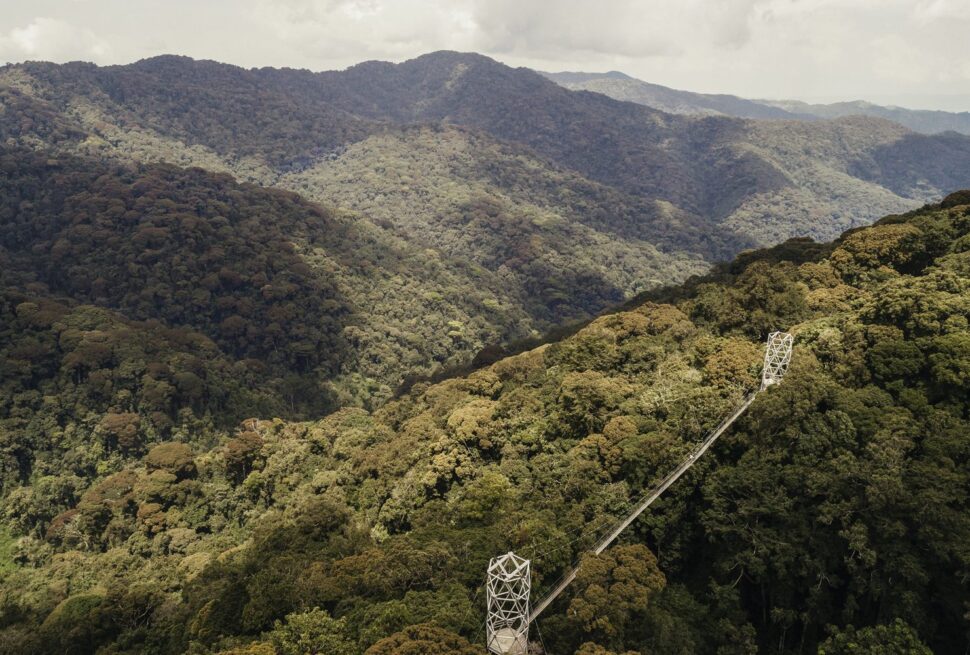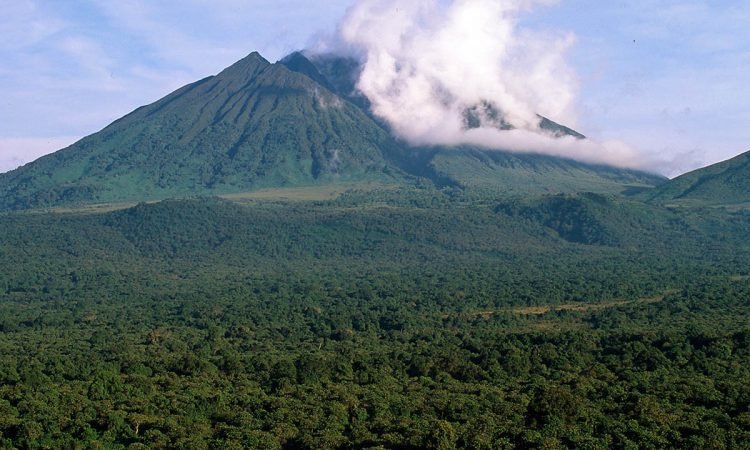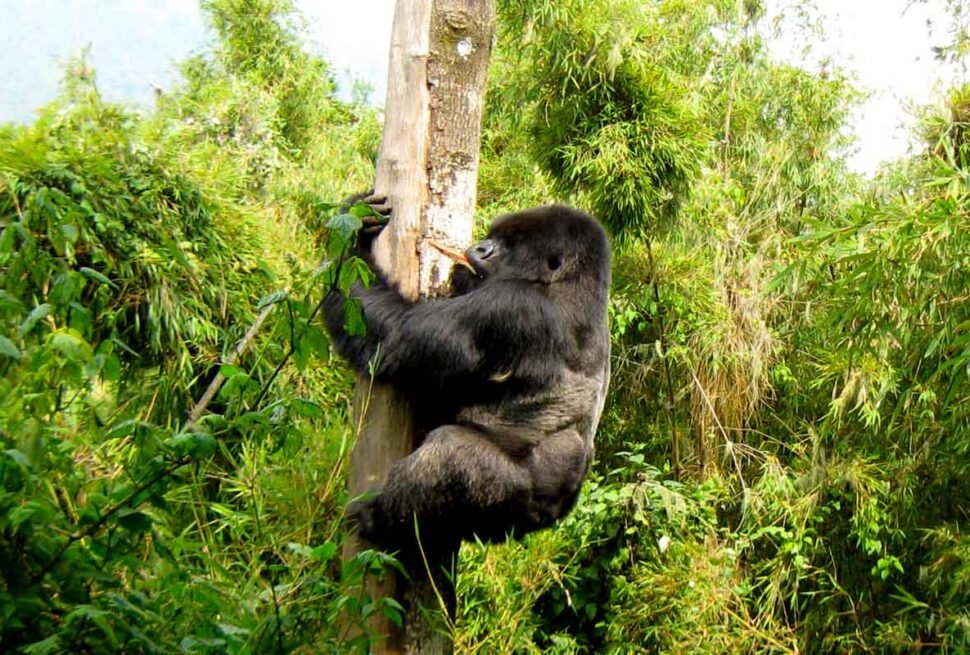
A Uganda Rwanda safari ending in Kigali is one of the smartest routing choices you can make for a combined East African trip. By starting in Uganda—typically in Entebbe—and finishing in Rwanda’s capital, you avoid backtracking, save a full day of driving, and end your journey in one of Africa’s cleanest, safest, and most enjoyable cities. Kigali is also a fitting finale: after days of forests, volcanoes, and savannah, the city offers markets, art, food, and the Kigali Genocide Memorial—an experience that gives context to everything you’ve seen. This guide explains how to plan a trip that ends in Kigali, including routing options, border timing, final-day activities, airport departure logistics, and the common mistakes to avoid.
Uganda’s parks are managed by the Uganda Wildlife Authority (UWA), and Rwanda’s by the Rwanda Development Board (RDB). Both countries are part of the East African Tourist Visa scheme, which simplifies cross-border travel. For the reverse routing, see our Uganda Rwanda safari starting in Kigali and our Uganda Rwanda safari starting in Entebbe.
Why End in Kigali?
Ending in Kigali offers several practical and experiential advantages over returning to Entebbe:
- No backtracking: If you start in Entebbe and finish in Kigali, you travel in a straight line across the Albertine Rift rather than returning to your starting point.
- Saves a full day: The drive from Bwindi back to Entebbe takes 8–9 hours. From Bwindi to Kigali takes 5–6 hours including the border—and you arrive somewhere worth spending time.
- A meaningful finale: The Kigali Genocide Memorial, the markets, and the city’s food scene give your trip a thoughtful, cultural conclusion rather than a rushed airport dash.
- Open-jaw flight savings: Arriving in Entebbe and departing from Kigali is often more efficient and sometimes cheaper than a return ticket.
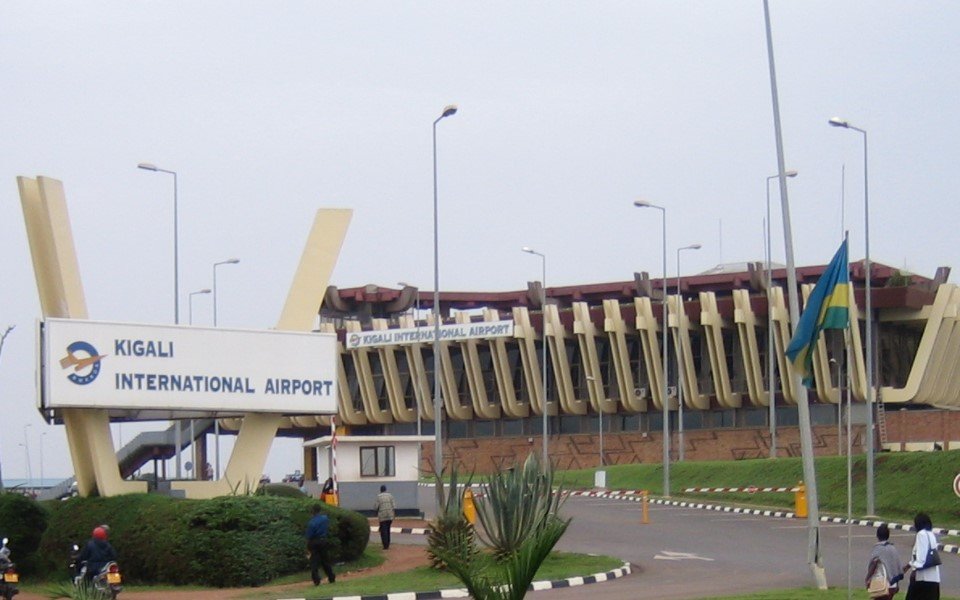
- Shorter departure transfer: Kigali International Airport is 15–20 minutes from the city centre—far shorter than Entebbe’s transfer from most safari lodges.
- Easier last-day logistics: Kigali is compact, safe, and easy to navigate, making a final day of shopping, sightseeing, and departure stress-free.
The trade-off is that Kigali has fewer international flight options than Entebbe. But for most travellers heading to Europe, the Middle East, or other African hubs, Kigali’s connections are more than sufficient.
Routing Options That End in Kigali
Any Uganda-Rwanda itinerary can be reversed to end in Kigali. Here are the most common routes.
Option 1: Entebbe → Bwindi → Volcanoes → Kigali (7–10 Days)
The classic primate route in reverse. Start in Entebbe, drive to Bwindi for gorilla trekking, cross into Rwanda at Cyanika, trek gorillas again in Volcanoes National Park, then finish in Kigali. This is the most efficient option for travellers with limited time who want two gorilla treks.
For a detailed 7-day version, see our Uganda Rwanda combined safari itinerary 7 days. For 10 days, see our Uganda Rwanda combined safari itinerary 10 days.
Option 2: Entebbe → Queen Elizabeth → Kibale → Bwindi → Volcanoes → Kigali (12–14 Days)
A comprehensive wildlife route. Start in Entebbe, explore Queen Elizabeth National Park and the Kazinga Channel, trek chimpanzees in Kibale, trek gorillas in Bwindi, cross into Rwanda for a second gorilla trek in Volcanoes, and finish in Kigali. This route covers savannah, wetland, and forest habitats across both countries.
For a 14-day version, see our Uganda Rwanda combined safari itinerary 14 days. For a primate-focused version, see our Uganda Rwanda primate safari itinerary.
Option 3: Entebbe → Murchison Falls → Kibale → Bwindi → Volcanoes → Kigali (14 Days)
The most wildlife-complete route. Start in Entebbe and drive north to Murchison Falls for the Nile and the Big Five (with a stop at Ziwa Rhino Sanctuary), then south through Kibale and Bwindi, across into Rwanda for Volcanoes, and finish in Kigali. This is the best option for travellers who want both countries’ full wildlife spectrum.
For a packaged version, see our 16-Day Rwanda and Uganda Gorilla Trekking & Big Five Safari. For a premium version, see our Uganda Rwanda luxury safari package.
Sample Itinerary: 12-Day Safari Ending in Kigali
Here’s a detailed 12-day itinerary that starts in Entebbe and ends in Kigali, with a full final day in the city before departure.
| Day | Location | Highlights |
|---|---|---|
| Day 1 | Entebbe (Uganda) | Arrival; Entebbe Botanical Gardens; Lake Victoria |
| Day 2 | Entebbe → Queen Elizabeth | Scenic drive; afternoon game drive |
| Day 3 | Queen Elizabeth National Park | Morning game drive; Kazinga Channel boat safari |
| Day 4 | Queen Elizabeth → Kibale | Ishasha tree-climbing lions; transfer to Kibale |
| Day 5 | Kibale Forest | Chimpanzee trekking; Bigodi Wetland Sanctuary |
| Day 6 | Kibale → Bwindi | Scenic drive; community walk |
| Day 7 | Bwindi Impenetrable National Park | Gorilla trekking |
| Day 8 | Bwindi → Lake Bunyonyi | Transfer; boat trip; relaxation |
| Day 9 | Lake Bunyonyi → Volcanoes (Rwanda) | Cross border at Cyanika; transfer to Volcanoes |
| Day 10 | Volcanoes National Park | Gorilla trekking; cultural visit |
| Day 11 | Volcanoes → Kigali | Golden monkey trek; transfer to Kigali |
| Day 12 | Kigali | Genocide Memorial; markets; departure |
This itinerary gives you a full final day in Kigali before departure. If your flight leaves early on Day 12, consider shifting the Kigali sightseeing to Day 11 afternoon, or adding an extra night in Kigali.
The Final Border Crossing: Uganda to Rwanda
The border crossing on your final leg matters more than the outbound crossing, because a delay can affect your final days and your flight home. There are two main crossings:
- Cyanika: Closest to Bwindi’s southern sector, Kisoro, and Volcanoes National Park. Most travellers crossing from Bwindi or Lake Bunyonyi to Volcanoes use this crossing. The drive from Lake Bunyonyi to Cyanika is about two hours.
- Gatuna/Katuna: The busier main-road crossing on the Kigali–Kampala road. Useful if you’re coming from Kabale or destinations further north, and the most direct route to Kigali.
Both crossings are generally efficient, but allow 30–60 minutes for formalities. Your driver-guide will handle the process, but you’ll need:
- Passport: Valid for at least six months beyond your entry date.
- Visa: Many nationalities can obtain a visa on arrival, and the East African Tourist Visa covers Uganda, Rwanda, and Kenya. Check the Uganda Directorate of Citizenship and Immigration Control and the Rwanda Directorate General of Immigration and Emigration.
- Yellow fever certificate: Required for entry to Rwanda if arriving from a country with yellow fever transmission. Bring a printed copy.
- Printed permits and itinerary: For reference if asked.
For more on border logistics, see our Uganda Rwanda combined safari itinerary 7 days.
What to Do in Kigali on Your Final Day
Kigali is a fitting finale to a combined safari. If you have a full day, here’s a sensible structure.
Morning: Kigali Genocide Memorial
Start with the Kigali Genocide Memorial—allow at least two hours. It’s the most important historical site in Rwanda, a UNESCO World Heritage Site, and a place of reflection, learning, and hope. It gives context to everything you’ve seen in Rwanda: the country’s recovery, its conservation success, and its people’s warmth. Photography is not permitted inside the memorial buildings, but the gardens are beautiful.
Late Morning: Markets and Crafts
From the memorial, head to Kimironko Market—the largest and liveliest market in Kigali. It’s where locals shop for produce, fabrics, crafts, and household goods, and it’s particularly famous for its kitenge (colourful African fabrics). Bargaining is expected, and it’s the best place for last-minute souvenirs. If you prefer a calmer setting, Caplaki Craft Village is a cooperative of artisans selling baskets, wood carvings, and jewellery.
Lunch: Rwandan Coffee and Food
For lunch, try The Hut for traditional Rwandan food, Question Coffee for some of the country’s best beans and a light meal, or Heaven Restaurant for a garden setting. Rwandan coffee makes an excellent final souvenir—buy a bag of freshly roasted beans to take home.
Afternoon: Art and City Views
Spend the afternoon at Inema Arts Center or Niyo Arts Gallery—both showcase contemporary Rwandan art and support emerging artists. For city views, head to Mount Kigali or a rooftop bar for a final drink before your flight.
For a detailed one-day plan, see our Kigali city tour itinerary for one day. For broader cultural context, see our Rwanda cultural experiences for tourists.
Kigali Airport Departure Logistics
Kigali International Airport is small, modern, and efficient—one of the easiest major airports in Africa to depart from. Here’s what to expect.
Transfer Time to the Airport
The airport is about 15–20 minutes from the city centre, depending on traffic. From most Kigali hotels, allow 30 minutes door to door. If you’re staying outside the city, allow more time.
How Early to Arrive
For international flights, arrive at least two hours before departure. Kigali’s immigration and security queues are usually short, but check-in for some airlines can be slower, especially for evening departures when multiple long-haul flights leave at once. Three hours is a comfortable buffer for peace of mind.
Check-In and Security
Check-in desks are located in the main terminal, and most airlines open three hours before departure. Security is straightforward, and immigration is efficient. Keep your passport, boarding pass, and any required documents accessible.
Lounges and Duty-Free
Kigali has a limited number of lounges, generally accessible to business-class passengers and select cardholders. Duty-free is modest, but Rwandan coffee, tea, and crafts make good last-minute gifts. If you’re flying in the evening, eat before you arrive—airport dining options are limited.
Currency and Departure Tax
There is no separate departure tax—it’s included in your ticket. You may want to spend remaining Rwandan francs on coffee or crafts before security, since exchange rates at the airport are not always favourable. Keep some cash for tips if you’re using a porter.
How Much Buffer Time Should You Allow?
Buffer time is the single most important planning decision for a trip ending in Kigali. Here’s a simple framework:
- Arrive in Kigali the day before your flight: Recommended for all international departures. This protects you against border delays, road closures, and flight schedule changes.
- Two nights in Kigali: Ideal if you want a full day of sightseeing and shopping without rushing.
- Same-day departure from Volcanoes: Possible if your flight is late in the evening, but risky. The drive from Volcanoes to Kigali is 2.5–3 hours, and any delay could be costly.
- Same-day departure from Bwindi: Not recommended. The drive from Bwindi to Kigali is 5–6 hours including the border crossing, leaving little margin for error.
The practical rule: the further you are from Kigali the day before your flight, the more buffer you need. Most travellers on a combined safari end in Kigali with at least one full night before departure.
Permits and Booking
A Uganda-Rwanda safari ending in Kigali typically requires multiple permits, each issued by a different authority:
- Uganda gorilla permit (Bwindi): Issued by the Uganda Wildlife Authority.
- Uganda chimpanzee permit (Kibale): Also issued by the UWA.
- Rwanda gorilla permit (Volcanoes): Issued by the Rwanda Development Board.
- Rwanda golden monkey permit: Also issued by the RDB.
All permits are limited and sell out months in advance, especially in peak season. Book through a single operator that handles both countries to simplify logistics. For current rates and booking procedures, visit the Uganda Wildlife Authority and the Rwanda Development Board.
Best Time for a Safari Ending in Kigali
Both countries have similar seasonal patterns:
- June to September (long dry season): The best conditions for trekking and game viewing. Peak season, so book permits and lodges early.
- December to February (short dry season): Good conditions with fewer crowds than June–September.
- March to May (long rainy season): Lush scenery, excellent birding, and lower lodge rates. Trails can be muddy.
- October to November (short rainy season): Similar but shorter.
For a deeper dive into wet-weather travel, see our Rwanda rainy season safari planning guide. The rainy season doesn’t affect Kigali departures significantly—the city’s showers tend to pass quickly, and the airport operates normally.
Common Mistakes to Avoid
- Booking a flight too early on your final day: A 10am departure means leaving your hotel at 6:30am, which rules out any Kigali sightseeing. Aim for an afternoon or evening flight if you want to explore the city.
- Skipping the Kigali Genocide Memorial: It’s the most important site in Rwanda and provides context for your entire trip. Allow at least two hours.
- Underestimating the border crossing: Crossings can take 30–60 minutes, and delays happen. Build buffer time into your schedule, especially on the final leg.
- Leaving shopping until the airport: Kigali’s markets are far better than the airport for crafts and coffee. Buy your souvenirs in the city.
- Forgetting your yellow fever certificate: Required for entry to Rwanda if arriving from a country with yellow fever transmission. Keep it in your hand luggage.
- Not confirming your airport transfer: Confirm the pickup time with your hotel or operator the day before departure, and save your guide’s number.
- Packing crafts in hand luggage: Wooden carvings and some souvenirs may be restricted in hand luggage. Pack them in checked baggage.
- Leaving currency exchange to the airport: Exchange rates at the airport are not always favourable. Spend remaining francs on coffee or crafts in the city.
Health and Safety
- Malaria: Both Uganda and Rwanda are malaria-risk countries, including in national parks. Antimalarial medication is recommended—consult your doctor before travel.
- Yellow fever: A certificate is required for entry to Rwanda if arriving from a country with yellow fever transmission.
- Altitude: Bwindi and Volcanoes National Park are at high altitude. Take it easy on the first day and stay hydrated.
- Travel insurance: Comprehensive insurance covering medical evacuation is strongly recommended.
- Water: Drink bottled or purified water only.
- Wildlife safety: Follow your guide’s instructions at all times. Keep a safe distance from gorillas, chimpanzees, and other wildlife.
For the latest entry requirements, visit the Rwanda Directorate General of Immigration and Emigration and Uganda’s Directorate of Citizenship and Immigration Control.
Frequently Asked Questions
Can I end a Uganda safari in Kigali?
Yes. Ending in Kigali is one of the most efficient routings for a combined Uganda-Rwanda safari. It avoids backtracking, saves a full day of driving, and ends in a city worth exploring. An open-jaw ticket—arriving in Entebbe and departing from Kigali—is the most practical option.
How long does it take to get from Bwindi to Kigali?
The drive from Bwindi to Kigali takes about 5–6 hours, including the border crossing at Cyanika or Gatuna. From Lake Bunyonyi, it’s about 4–5 hours. From Volcanoes National Park, it’s 2.5–3 hours.
Should I stay in Kigali the night before my flight?
Yes, strongly recommended. Staying in Kigali the night before departure protects you against border delays, road closures, and flight schedule changes. It also allows you to spend a full day exploring the city.
How early should I arrive at Kigali Airport?
Arrive at least two hours before departure for international flights. Three hours is a comfortable buffer, especially for evening departures when multiple long-haul flights leave at once.
Is Kigali safe for last-minute sightseeing?
Yes. Kigali is one of Africa’s safest cities. Take standard precautions, avoid walking alone at night, and keep valuables secure. The city centre is clean, well-organised, and easy to navigate.
Can I fly out of Kigali to Europe or the Middle East?
Yes. Kigali International Airport has direct flights to hubs including Nairobi, Addis Ababa, Doha, Istanbul, Amsterdam, and Brussels. Connections to Europe, the Middle East, and other African destinations are straightforward.
Start Planning Your Safari Ending in Kigali
Every safari we create is tailored to your interests, budget, and travel dates. Whether you want a short primate-focused trip or a comprehensive two-week adventure, we’ll design an itinerary that ends in Kigali with the right amount of buffer time and a final day worth remembering.
Contact us today to begin planning your Uganda-Rwanda safari ending in Kigali.