Rwanda currency for tourists comes down to a practical question rather than a complicated one: how much cash do you actually need, and where will a card work? The local currency is the Rwandan franc, written as RWF. Cards are accepted in more places in Kigali than many first-time visitors expect, less reliably outside the city, and the big fixed costs — permits and park fees — are usually settled before you arrive rather than at a gate.
This article sets out what the franc is, where cards and ATMs are reliable and where they are not, how mobile money fits in, whether US dollars help, and how permit payments actually work. It is written for the practical planning stage: what to arrange before travel and what to carry on the ground.
The Rwanda gorilla trekking guide covers permits and trekking. This article covers the money side of the trip.
Rwanda Currency for Tourists: The Short Answer
Three practical points cover most of it.
The local currency is the Rwandan franc (RWF), and it is what you need for everyday spending. Markets, transport, small shops, tips and roadside purchases run on francs.
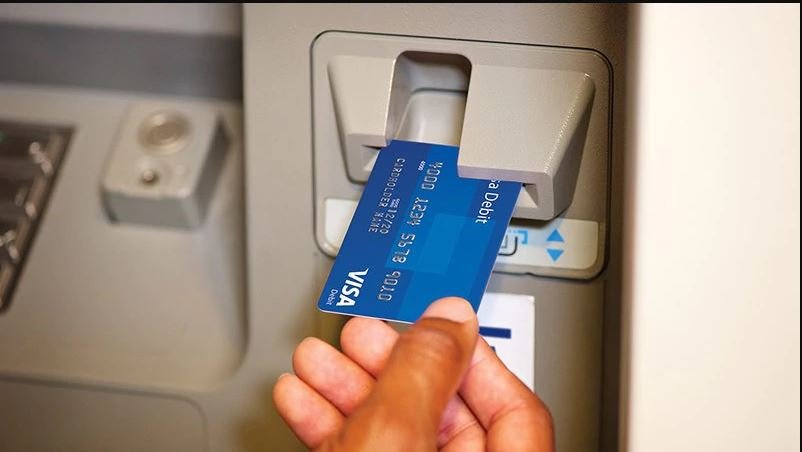
Cards work in Kigali hotels, larger lodges and many restaurants, but not everywhere. Do not assume a card will be accepted at a rural lodge, a small vendor or a park office. Carry a cash reserve.
The expensive items are usually paid before arrival. Gorilla permits and park fees are typically arranged through the operator or the park authority in advance, in US dollars, rather than paid in cash on the day. That removes the largest cost from the cash question entirely.
The rest of this article goes through each of those in more detail.
The Rwandan Franc: What You Are Dealing With
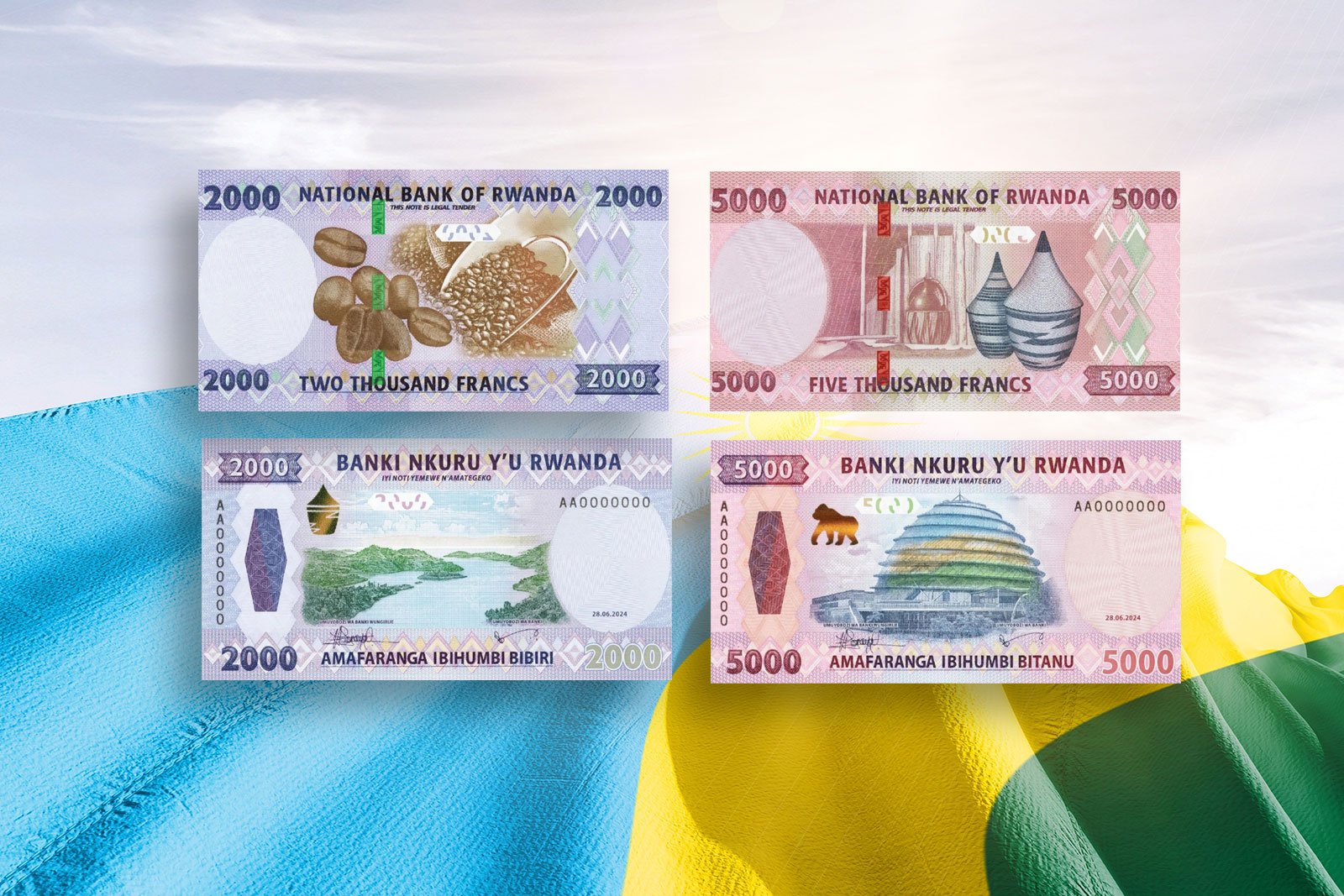
The Rwandan franc is issued by the National Bank of Rwanda. It is written as RWF and is the currency used for all everyday transactions in the country.
Notes and coins circulate in several denominations, and the notes are what matter for visitors — everyday purchases are made with notes rather than coins. Denominations and the current series are worth checking on arrival rather than relying on a description, because the note series has been updated over time.
No exchange rate is given in this article. Exchange rates move daily and a figure quoted in a travel article is out of date before it is read. Check the current rate through your bank or a reputable currency source before travel, and again on arrival.
One practical point that catches people out: the franc is not a currency most travellers hold before arrival, and it is not always available to order from a bank at home. Many visitors arrive with US dollars or use an ATM on arrival, which is discussed below.
Cards: Where They Work and Where They Do Not
Card acceptance in Rwanda has widened considerably, and the pattern is fairly predictable by location.
Where cards are usually accepted
- Kigali hotels and larger restaurants. Card payment is routine in the city’s established hospitality businesses.
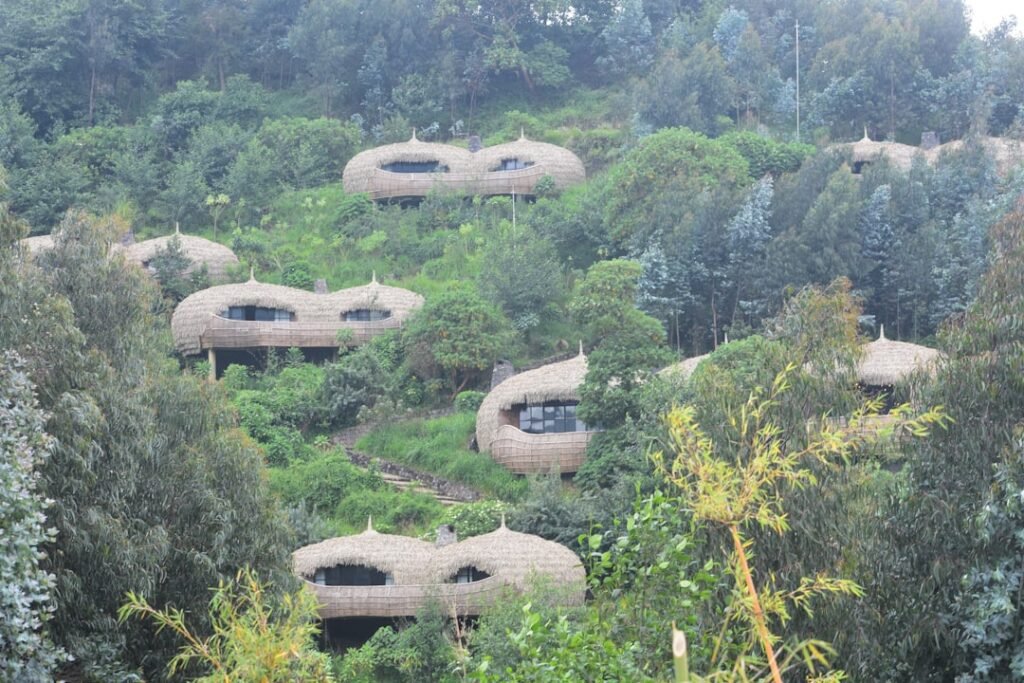
- Established lodges on the tourism circuit. Higher-end lodges in Musanze, Kinigi and around the parks commonly accept cards, though this should be confirmed at booking rather than assumed.
- Larger shops and supermarkets in Kigali. Supermarkets and established retail outlets generally accept cards.
- Booking payments made in advance. Operators and lodges commonly take card payment for deposits and balances before travel, which is the safest place to use a card.
Where cards are unreliable
- Rural lodges, guesthouses and smaller hotels. Card machines may be absent, or the connection may be down. Confirm at booking.
- Markets and small vendors. Cash only.
- Transport. Taxis, moto-taxis and minibuses run on cash.
- Tips and porter fees. Cash, paid directly.
- Park offices and trailheads. Do not plan to pay park-related costs by card on the day.
Two practical notes. First, the card that works is not guaranteed to be the card you carry — some cards are accepted more readily than others depending on the network and the merchant’s machine. Carrying a second card from a different network is a sensible precaution. Second, no article can promise that a specific card will be accepted at a specific business. Confirm at the time of booking, and carry a cash reserve regardless.
ATMs: Availability and Practicalities
ATMs in Rwanda are concentrated where the population and the tourism infrastructure are, which means Kigali first and the main towns second.
Kigali. ATMs are widely available in the city centre, in shopping areas, at bank branches and at the international airport. This is where to withdraw if you need cash on arrival.
Musanze and other towns on the circuit. ATMs exist in the main towns, including Musanze near Volcanoes National Park, but there are fewer of them and queues or outages are more likely.
Rural areas and near the parks. Do not rely on finding a working ATM near a trailhead. Withdraw before you leave the last significant town.
Three practical points on using ATMs in Rwanda.
- Withdraw in francs. If an ATM offers to charge you in your home currency, declining the conversion is usually the better option, since the ATM’s conversion rate is typically less favourable than your bank’s.
- Notify your bank before travel. Cards are sometimes blocked on first foreign use, and sorting that out from a lodge with limited connectivity is avoidable inconvenience.
- Withdraw a meaningful amount rather than repeatedly. Fixed fees per withdrawal make several small withdrawals more expensive than one larger one.
Per-withdrawal limits and fees vary by bank and by card. Confirm the limits with your own bank before travel rather than relying on a figure from an article.
Mobile Money: The Local Payment Layer
Mobile money is a major part of how Rwanda pays, and it is worth understanding even if you do not plan to use it. MTN Mobile Money and Airtel Money are the two networks, and mobile money is used for everything from taxi fares to shop purchases to utility bills.
For a visitor, mobile money can be genuinely useful for small payments, but it requires a local SIM and registration, and the registration requirements should be confirmed with the network provider on arrival rather than assumed. It is a convenience rather than a necessity for a short safari trip.
The more relevant point is that mobile money’s prevalence explains why some small businesses that do not take cards may still not expect cash in the way they once did. Carrying both small cash and, if convenient, a registered mobile wallet covers the gap.
US Dollars: When They Help and When They Do Not
US dollars are commonly accepted for larger tourism transactions — gorilla permits, park fees, lodge balances and operator invoices are frequently quoted and settled in dollars. That is a genuine convenience.
Outside those transactions, dollars are less useful than they appear. Markets, transport, small vendors and everyday purchases run on francs, and a vendor may accept a dollar at a poor rate, or decline it. Note condition matters: torn, worn or older-series dollar notes are often refused.
The practical approach is to hold dollars for the large pre-arranged tourism costs, and francs for everything on the ground. Do not plan to run a trip on dollar cash alone.
How Much Cash to Carry
No fixed figure is given here, because the right amount depends on your itinerary, your lodge’s card acceptance and how much of the trip is prepaid. The principle is more useful than a number.
Most of the trip is usually prepaid. Permits, park fees, accommodation, meals on a full-board basis and vehicle costs are commonly settled before travel or billed to the lodge. That reduces on-the-ground cash needs considerably.
Cash covers the small, cash-only items. Tips, porter fees, drinks, snacks, market purchases, transport and any optional activity not included in the itinerary.
Carry a buffer. The purpose of a cash reserve is not to spend it but to cover the situation where a card does not work, an ATM is out, or a lodge’s machine is down.
Split cash between bags and keep a reserve separate from everyday money. Carry smaller notes for small purchases — breaking a large note at a rural stall can be difficult.
Paying for Permits and Park Fees
This is the part of the money question that matters most, because it involves the largest sums and the least flexibility.
Gorilla permits are date-specific and issued through the park authority — the Rwanda Development Board for Volcanoes National Park. They are normally secured in advance through the operator rather than paid for in cash at the park on the day. Permit availability is capped and popular dates sell out, so the booking should happen early and the permit confirmation should be seen before the balance is paid (book in advance).
The same pattern applies to park fees and other park-related costs: they are arranged in advance rather than settled at a gate. This is worth knowing because it means the cash you carry does not need to cover them, and because it means an operator asking for full payment before showing any permit confirmation is a question worth asking.
The permit and fee structure is covered in the Rwanda gorilla trekking guide.
Tipping
Tipping in Rwanda is discretionary and not built into bills in the way it is in some countries. Guides, trackers, porters and lodge staff may be tipped, and the norm varies by context and by the type of trip.
No amounts are given here, because tipping norms shift and a figure quoted in an article can quickly become either stingy or excessive. Ask the operator or the guide for current guidance, and carry small notes so that a tip can be given without needing change.
What a Rwanda Trip Costs
Verified costs are set out below. The permit and visa figures are fixed and confirmed; other elements vary by operator, lodge and itinerary and should be confirmed at the time of booking.
| Element | Where | Price (per person) |
|---|---|---|
| Rwanda gorilla permit | Volcanoes National Park — no low season discount | $1,500 |
| Rwanda e-visa — single entry | Applied for at irembo.gov.rw before travel | $50 |
| Rwanda e-visa — multiple entry | Applied for at irembo.gov.rw before travel | $70 |
| East African Tourist Visa | Uganda + Kenya + Rwanda, 90 days multi-entry; does not cover Tanzania | $100 |
| Golden monkey permit | Volcanoes National Park | Confirm current rate when booking |
| Akagera National Park fees | Akagera National Park | Confirm current rate when booking |
| Nyungwe activity fees | Nyungwe National Park | Confirm current rate when booking |
| Porter fee | Set locally at the park headquarters | Confirm current rate when booking |
| Airport transfer and road transport | Kigali and the national park circuit | Confirm current rate when booking |
| Lodges and meals | Varies by standard and season | Confirm current rate when booking |
Permit and park fees are set by the Rwanda Development Board and revised periodically. Verify current rates before travel (verify current requirements before travel — rules change).
Frequently Asked Questions
What currency is used in Rwanda?
The Rwandan franc, written as RWF. It is the currency used for all everyday transactions. US dollars are commonly accepted for larger tourism transactions such as permits, park fees and lodge balances, but not for everyday purchases.
Can I use US dollars in Rwanda?
For larger tourism costs, often yes — permits, park fees and lodge balances are frequently quoted and settled in dollars. For markets, transport, small vendors and everyday spending, francs are what you need. Note condition matters, and worn or older notes are often refused.
Are ATMs easy to find in Rwanda?
In Kigali, yes — ATMs are widely available in the city centre, shopping areas and at the airport. In main towns on the tourism circuit, including Musanze, there are ATMs but fewer of them. Near the parks and in rural areas, do not rely on finding a working ATM.
Do hotels and lodges accept credit cards?
Larger hotels, established lodges and higher-end properties commonly do, and this should be confirmed at booking rather than assumed. Rural lodges, guesthouses and small vendors may not have a working card machine. Carry a cash reserve regardless of what the lodge says.
Is mobile money available to tourists?
Mobile money is widely used in Rwanda through MTN Mobile Money and Airtel Money. Visitors can use it with a local SIM and registration, but the registration requirements should be confirmed with the network provider on arrival. It is a convenience rather than a necessity for a short trip.
How much cash should I carry in Rwanda?
No fixed figure, because most of the trip is usually prepaid. Cash covers tips, porter fees, drinks, snacks, market purchases, transport and optional activities. Carry a buffer for the situation where a card does not work or an ATM is out, and carry smaller notes for small purchases.
How do I pay for a gorilla permit in Rwanda?
Permits are date-specific and issued through the Rwanda Development Board, normally secured in advance through the operator rather than paid in cash at the park on the day. Ask for the permit confirmation before paying the balance, and book in advance because availability is capped.
Should I exchange money at the airport?
Airport exchange is convenient for arrival cash but the rate is rarely the best available. Withdrawing from an ATM at the airport is a common alternative, and exchanging in Kigali usually offers better rates. Compare before committing to a large exchange.
Are card payments safe in Rwanda?
Card use in established hotels, lodges and shops is routine. The practical risks are the ordinary ones — merchants whose machines are down, or cards blocked on first foreign use. Notify your bank before travel and carry a second card from a different network as a precaution.
How to Book
The largest costs on a Rwanda trip are permits and park fees, and those are arranged in advance rather than settled on the ground — which is the point at which the money question is really answered. Afraeka Adventures is a licensed Ugandan operator based in Entebbe and Kampala, running safaris and primate trekking in Uganda, Rwanda, Kenya and Tanzania since 2018.
Contact Afraeka Adventures at info@afraekaadventures.com or use the enquiry form on our website with your dates, group size, the parks you want to include and the standard of accommodation you have in mind. Useful starting points:
- Rwanda gorilla trekking — the permit, the sectors and what a trekking day involves
- Rwanda safaris — itineraries across the country
- Uganda and Rwanda tours — combined itineraries
- East Africa multi-country safaris
- All tour packages
- Enquiry form