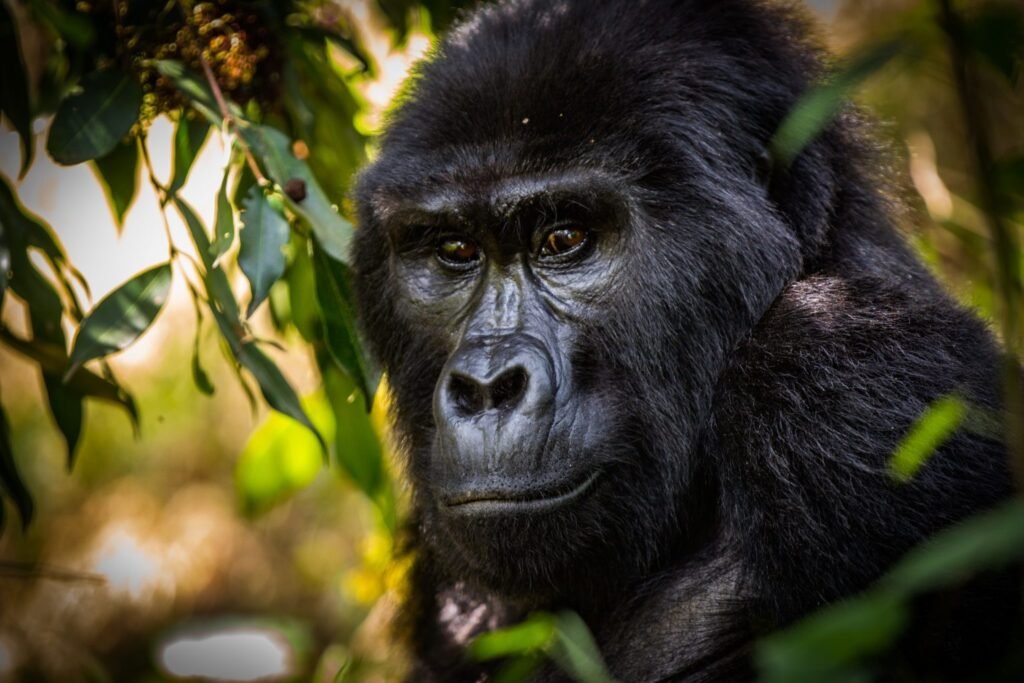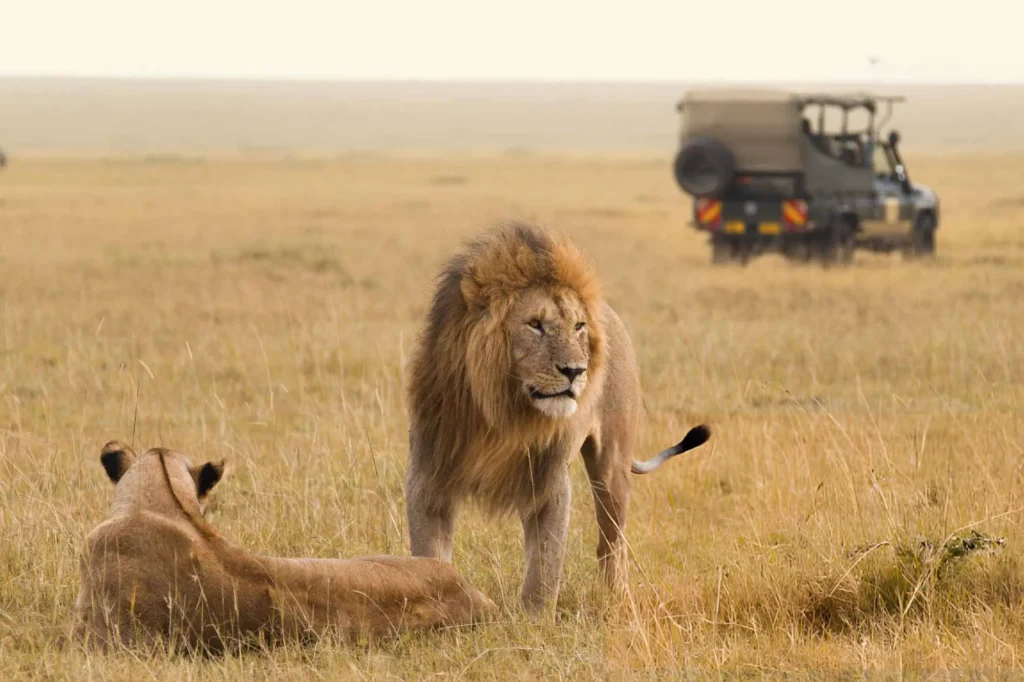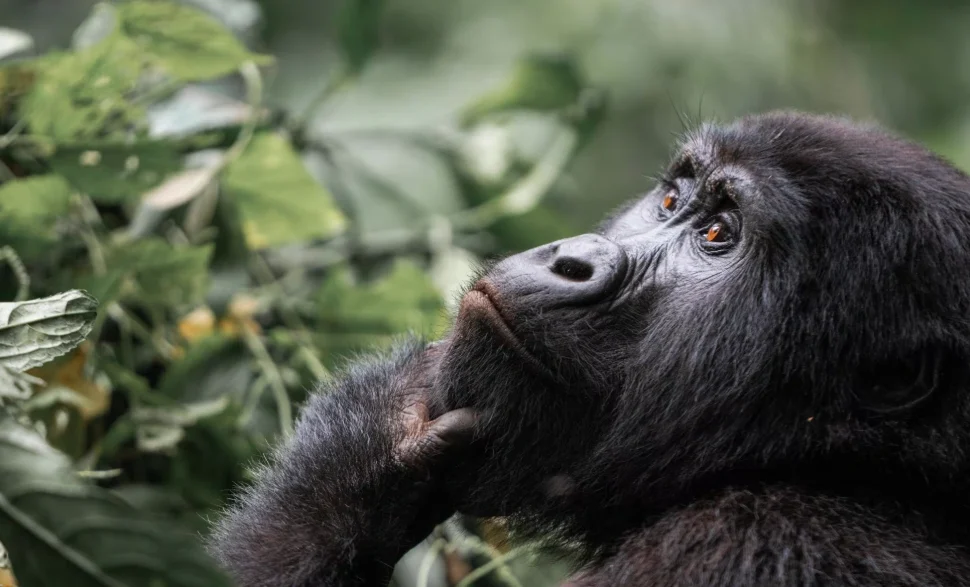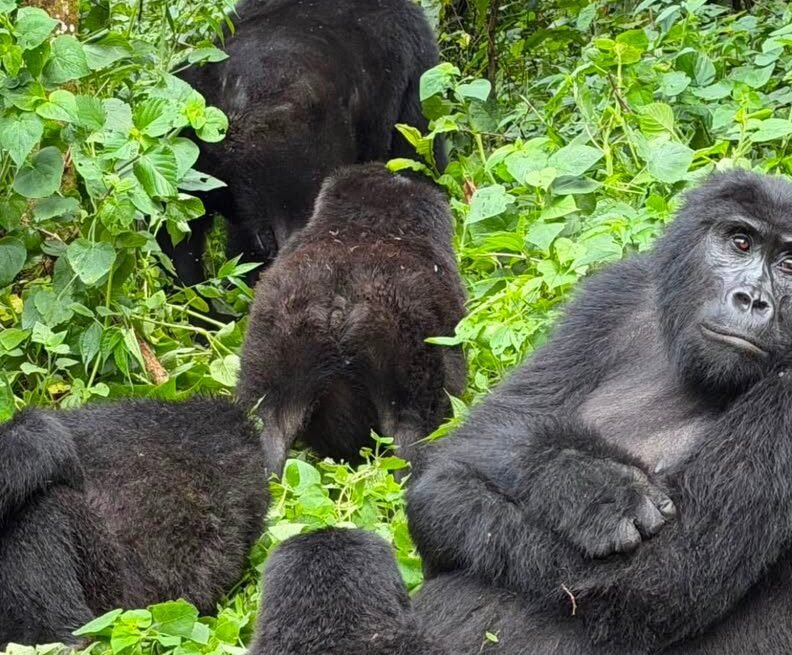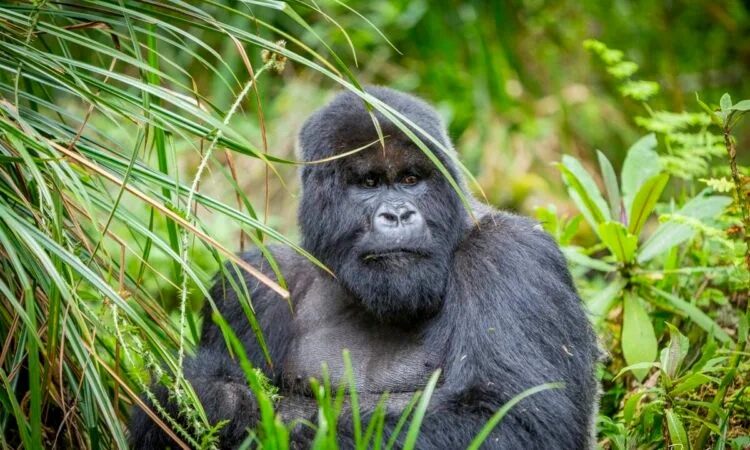

Gorilla trekking before or after safari is a real planning decision rather than a detail, because the two activities make different demands and the order affects how well a traveller handles both. The short answer is that trekking first works better for most people, for reasons of freshness, altitude and permit flexibility — but the answer is not universal, and the constraints that decide it are specific enough to lay out.
This article sets out the case for each order, the practical factors that override the preference, and the cases where the order is not really a choice at all because the permit date decides it. It is written for the planning stage, before flights and permits are locked in.
The Uganda gorilla trekking guide covers what a trekking day involves. This article is about where the trek sits in a longer itinerary.
Gorilla Trekking Before or After Safari: The Short Answer
Three points summarise the practical position.
Trek first, for most travellers. Gorilla trekking is the physically demanding element — a walk at altitude through dense forest, often on wet and uneven ground. Doing it while fresh is easier than doing it at the end of two weeks of early starts and long drives.
But the permit date usually decides. Permits are date-specific and availability is capped, so the trekking day is often fixed before the rest of the itinerary is built. The order follows the permit rather than the permit following the order.
The exception is a trip built around a specific safari season. If the itinerary is anchored to a seasonal wildlife event, the safari timing may be fixed first, and the trek fits around it. That is a legitimate reason to trek second.
Everything below expands on those three points.
The Case for Trekking First
The arguments for putting the gorillas at the front of the itinerary are practical rather than aesthetic.
Physical freshness
Gorilla trekking is the hardest physical activity on a typical East Africa itinerary. It involves walking at altitude through dense vegetation, often on steep and wet ground, for a duration that depends on where the family moved the previous night. It is not a technical climb, but it is more demanding than a game drive.
Arriving at that walk fresh — after a night or two of recovery from the long-haul flight, but before a fortnight of early starts — is simply easier. Trekkers who do the gorillas at the end of a long trip are more likely to find the walk hard than those who do it early.
Altitude
Bwindi and Mgahinga sit in high-altitude forest, and Volcanoes National Park is higher still. Travellers arriving from sea level notice the altitude, and the effect compounds with fatigue. Doing the trek before accumulated tiredness sets in is a reasonable precaution, particularly for older travellers or anyone with a heart or lung condition.
Anyone with a medical concern should discuss the trek with a doctor before committing to a permit date — the altitude and exertion are real considerations, and the trek is not something to discover is too much on the morning.
Permit flexibility
Permits are date-specific, and demand is concentrated in the peak months. If the trek sits at the start of the itinerary, the permit date can be chosen with a little more room, and the rest of the trip built around it. If the trek sits at the end, a permit shortfall on the exact final date has nowhere to move to.
Book in advance regardless — availability is capped and popular dates fill. The point is that an early-trek itinerary has more slack in it.
Recovery time afterwards
Trekking first leaves the rest of the trip as recovery rather than build-up. A game drive the day after a trek is comfortable; a trek the day after a long transfer is not.
The Case for Safari First
There are real arguments for the other order, and they should not be dismissed.
Seasonal safari timing
Some safaris are anchored to seasonal events — wildlife concentrations, migratory movement, water-dependent viewing — and the dates are less flexible than a permit date in the shoulder months. When the safari timing is fixed by the season, the trek fits around it rather than the other way round.
Any specific seasonal date range should be treated as an indication and confirmed before booking around it, because the timing varies year to year.
Acclimatisation
A few days of safari at moderate altitude before a higher-altitude trek can help some travellers adjust. This is a modest effect and not a reason on its own to reverse the order, but it is a genuine consideration for anyone sensitive to altitude.
Anticipation and trip shape
Some travellers prefer to build to the main event rather than open with it. That is a preference rather than a practical argument, and it is legitimate — an itinerary should serve the traveller, not the other way round.
Flight and arrival logistics
If the international flight lands at an airport that connects more easily to the safari parks than to the gorilla trailheads, doing the safari first can remove a long transfer on arrival day. The order should follow the geography of the entry point rather than an abstract rule.
The Factors That Actually Decide It
In practice, five factors tend to override the preference. Working through them in order usually resolves the question.
| Factor | What it decides |
|---|---|
| Permit availability | The trekking date is fixed by what is available, not by preference. This usually settles the order first. |
| Arrival airport and first transfer | Whichever destination is easier to reach from the arrival point tends to come first. |
| Fitness and age of the group | Older travellers or anyone with health concerns should trek while fresh. |
| Seasonal safari timing | If the safari is anchored to a season, the safari dates are fixed and the trek moves around them. |
| Total trip length | Short trips have less slack; long trips can absorb a trek almost anywhere. |
The order in which to work through them: permit first, then arrival logistics, then fitness, then season, then length. That sequence avoids the common mistake of designing a beautiful itinerary and then discovering the permits are gone for those dates.
How the Order Works in Practice
A few worked patterns, using Uganda as the example because it is the country where both elements sit inside one itinerary most naturally.
Trek first, safari second. Arrive in Entebbe, recover for a night, transfer to Bwindi or Mgahinga, trek, then move on to Queen Elizabeth or Murchison Falls for game drives before departure. This is the pattern that suits most first-time travellers, because the hardest walking happens while fresh and the rest of the trip is recovery.
Safari first, trek second. Arrive, go straight to the savannah parks, then transfer to Bwindi for the trek at the end. This works when the safari is timed to a season, or when the arrival airport makes the parks the easier first stop.
Trek in the middle. A long itinerary can absorb the trek between two safari blocks, which gives recovery time on both sides. This works well on trips of two weeks or more.
Rwanda plus safari. Where the trek is in Rwanda’s Volcanoes National Park and the safari is in Kenya, the order is largely decided by which international gateway the flights route through. Kigali and Nairobi are both well connected, so either order is workable.
The Uganda safari packages page sets out itineraries in each of these shapes, and the Bwindi gorilla trekking page covers the trailheads that the trekking day starts from.
What Not to Do
- Do not book flights before the permit. Permits are date-specific, and flights booked first force the trek into whatever dates remain.
- Do not schedule the trek for the day after a long-haul arrival. Jet lag and altitude together make for a hard morning. A recovery night first is worth the day.
- Do not put the trek on the final full day. A delayed trek, an illness rule or a long walk leaves no room before the flight home.
- Do not plan a long transfer immediately after the trek. The trekking day starts early and can run long. A same-day transfer to a distant park makes for a punishing afternoon.
- Do not assume the order can be adjusted later. Permit availability constrains it. Decide the order before the itinerary is built, not after.
What a Gorilla Trekking Trip Costs
Verified costs are set out below. The permit and visa figures are fixed and confirmed; other elements vary by operator, lodge and itinerary and should be confirmed at the time of booking.
| Element | Where | Price (per person) |
|---|---|---|
| Uganda gorilla permit — standard | Bwindi Impenetrable NP and Mgahinga Gorilla NP | From $800 |
| Uganda gorilla permit — low season | Bwindi and Mgahinga, April, May and November | From $600 |
| Uganda gorilla habituation experience | Rushaga sector, Bwindi only — 4 hours | From $1,500 |
| Rwanda gorilla permit | Volcanoes National Park — no low season discount | $1,500 |
| Uganda e-visa | Applied for at visas.immigration.go.ug before travel | $50 |
| East African Tourist Visa | Uganda + Kenya + Rwanda, 90 days multi-entry; does not cover Tanzania | $100 |
| Porter fee | Set locally at the trailhead | Confirm current rate when booking |
| Park entry and ranger fees | Bwindi, Mgahinga and the savannah parks | Confirm current rate when booking |
| Lodges, vehicle, guide and fuel | Varies by standard, group size and itinerary | Confirm current rate when booking |
| Chimpanzee trekking permit | Kibale Forest and other forests | Confirm current rate when booking |
Permit and park fees are set by the Uganda Wildlife Authority and revised periodically. Verify current rates before travel (verify current requirements before travel — rules change).
Frequently Asked Questions
Should I do gorilla trekking before or after safari?
Trekking first works better for most travellers, because the trek is the most physically demanding part of the itinerary and is easier while fresh. The exception is a trip anchored to a seasonal safari event, where the safari dates are fixed first and the trek fits around them.
Does it matter what order I do a safari in?
It matters more than it appears. The order affects how hard the trek feels, how much slack the itinerary has if a permit date needs to move, and how the trip recovers afterwards. It is worth deciding deliberately rather than defaulting.
Should I trek gorillas first while I am fresh?
For most people, yes. Gorilla trekking involves walking at altitude through dense forest, often on wet and uneven ground. Doing it before accumulated tiredness sets in is easier, particularly for older travellers or anyone with health concerns.
Does altitude affect the order?
It can. The gorilla parks are at high altitude and travellers arriving from sea level notice it. Doing the trek early avoids combining altitude with fatigue. A few days of safari at moderate altitude beforehand can help some travellers acclimatise, which is a modest argument for the other order.
Can I change my itinerary order to fit permit dates?
Yes, and that is usually how the order is decided. Permits are date-specific and availability is capped, so the trekking date is often fixed first and the rest of the itinerary built around it. Book in advance — popular dates fill.
Is it better to end a trip with gorilla trekking?
It depends on the trip. Ending with the trek gives a strong finish, but it leaves no room if the trek is delayed or if a group member is ill on the day. Many operators avoid putting the trek on the final full day for that reason.
How many days should I leave between safari and trekking?
There is no fixed rule, but a recovery night after the trek before a long transfer is worth having, and a night after a long-haul arrival before the trek is strongly advisable. Beyond that, the itinerary should avoid putting a long drive immediately after the trekking day.
Should I rest before gorilla trekking?
A night to recover from the flight and a night near the trailhead before the trek are both worth having. Trekking starts early, and arriving at the trailhead the same morning is unreliable. Two nights near the trailhead is the practical minimum.
How to Book
The order is best decided before flights and permits are locked in, because the permit date constrains everything that follows. Afraeka Adventures is a licensed Ugandan operator based in Entebbe and Kampala, running safaris and primate trekking in Uganda, Rwanda, Kenya and Tanzania since 2018.
Contact Afraeka Adventures at info@afraekaadventures.com or use the enquiry form on our website with your dates, group size, fitness levels and the parks you want to include. Useful starting points:
- Uganda safari packages — itineraries in each shape
- Uganda gorilla trekking — permits, fitness and the trekking day
- Bwindi gorilla trekking — sectors and trailheads
- Rwanda gorilla trekking — the Rwanda permit and trekking rules
- Rwanda safaris — itineraries across the country
- Uganda and Rwanda tours — combined itineraries
- East Africa multi-country safaris
- All tour packages
- Enquiry form