The question “is Rwanda safe for tourists” does not have a single answer that a safari operator can give responsibly. Rwanda’s safety picture depends on your nationality, the specific places you are going, the standard of your accommodation and transport, and a situation that changes month to month. Any website offering a flat “yes, Rwanda is safe” is either oversimplifying or selling you something.
What this article can do is narrower and more useful. It separates three things that usually get muddled together: what a licensed operator can verify about guided safari travel in Rwanda, what is publicly documented about the country’s rules and health considerations, and what genuinely requires you to check your own government’s travel advisory before booking. Getting clear on which is which makes the decision much easier.
The Honest Answer: Check Your Government’s Advisory First
Every country publishes travel advice for its own citizens, and that advice is the authoritative source on safety — not a tour operator, not a travel blog, and not this article. It is updated regularly, it is written by people with access to information that operators do not have, and it is what your travel insurer will expect you to have read.
Before booking any Rwanda trip, check the current advisory from:
- Your own government’s foreign affairs or state department — UK FCDO, US State Department, Canada’s Global Affairs, Australia’s Smartraveller, Germany’s Auswärtiges Amt, France’s France Diplomatie, and the Netherlands’ Nederland Wereldwijd all publish country-specific advice.
- The Rwandan government’s own tourism and immigration sources — the Rwanda Development Board publishes official tourism information and current entry requirements.
Two practical points about advisories. First, they can change between booking and travel, so check again close to departure rather than only at the time of booking. Second, advisories often cover specific regions rather than the whole country — a warning about a border area does not necessarily mean the safari parks are affected, and it is worth reading carefully rather than reacting to a headline.
What follows is not a substitute for that advisory. It is what a licensed operator can add on top of it.
What a Safari Operator Can Actually Speak To
There is a specific set of things a licensed Rwandan operator knows from daily experience, and those are worth stating plainly.
Guided safari travel is structured. A Rwanda safari involves a driver-guide, an arranged vehicle, pre-booked accommodation, and park visits through established entrances with ranger briefings. The traveller is not navigating unfamiliar roads alone, not choosing accommodation on arrival, and not figuring out park logistics without support. Whatever the general safety picture, the structure of a guided trip removes a large category of day-to-day risk.
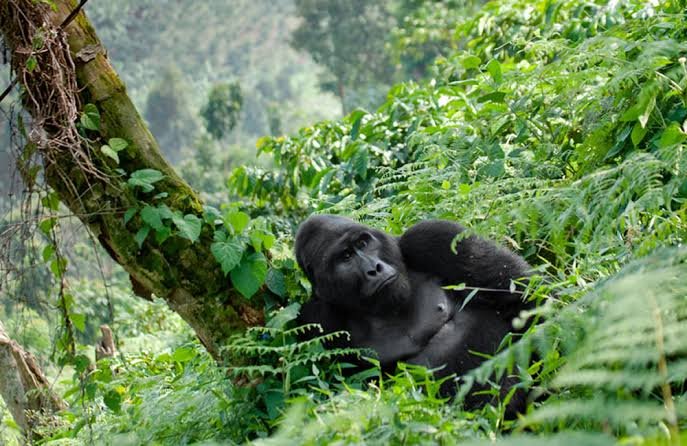
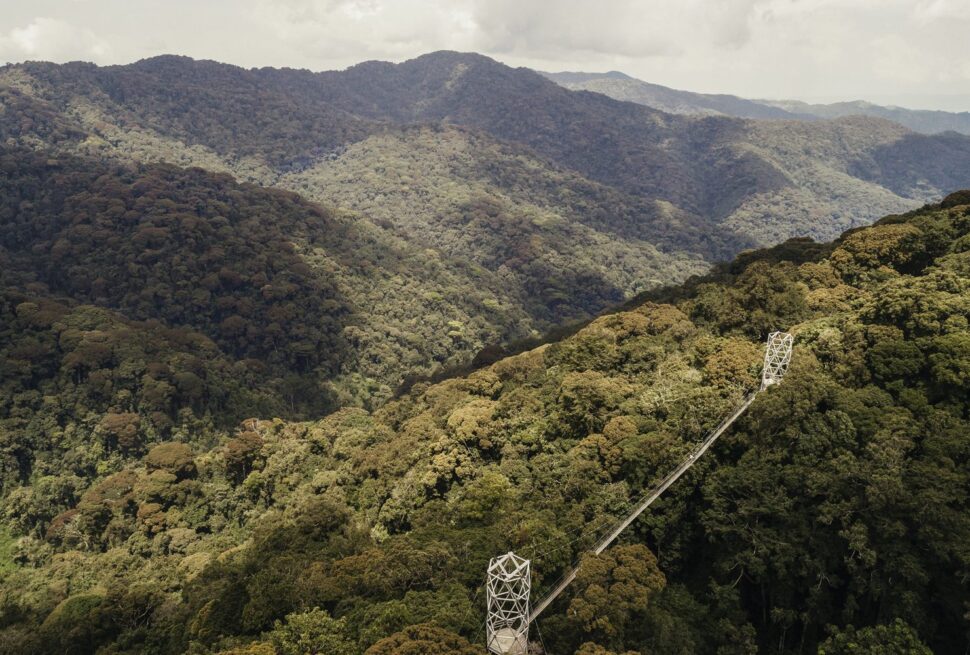
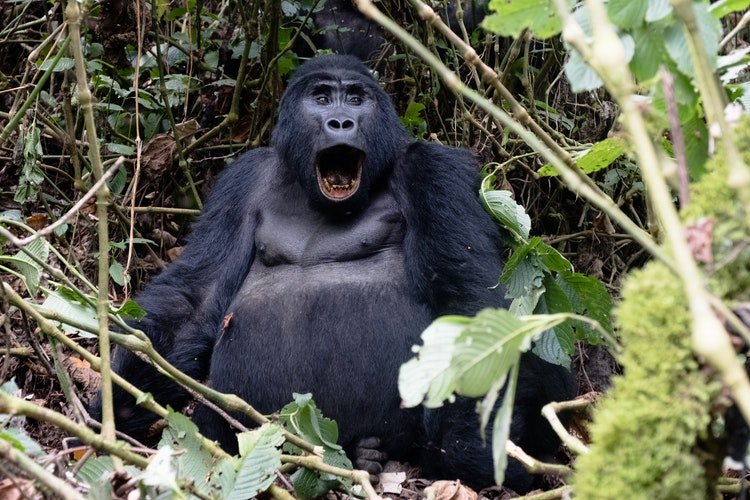
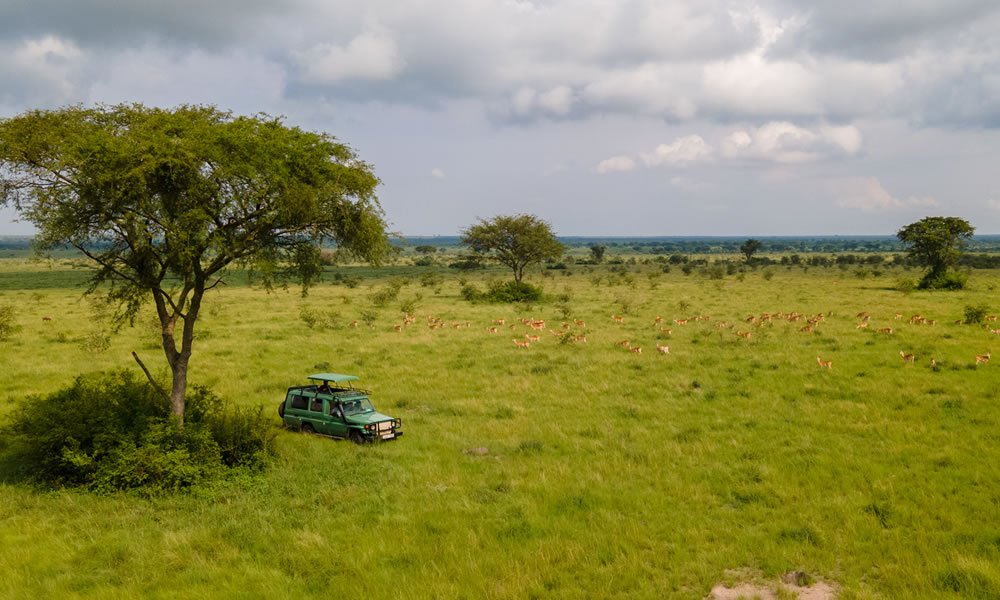
Rwanda’s main wildlife areas are well-managed. Volcanoes National Park, Akagera National Park and Nyungwe National Park are all managed parks with formal entry procedures, ranger presence and documented rules. Park fees and regulations are set by the Rwanda Development Board. The eight-visitor limit per gorilla family, the mandatory briefing, and the one-hour limit are all enforced rather than optional.
Transfers are long and arranged in advance. Rwanda is a small country but the drives between parks are substantial — Kigali to Volcanoes National Park, Kigali to Akagera, and the connections between the parks all involve real road time. Guided transfers mean a driver who knows the route, a suitable vehicle and a schedule that allows for it. Self-driving is possible and some travellers do it, but a guided transfer removes a meaningful set of decisions from the trip.
Accommodation is small-scale and known to the operator. Rwanda’s safari lodges are limited in number, and a licensed operator works with a defined set of properties. This is not a guarantee of any individual lodge, but it does mean the operator can confirm what is offered before you book rather than leaving you to find out on arrival.
None of that is a safety assurance. It is a description of what is structurally different about guided travel versus independent travel, and it is the honest scope of what an operator can add to the conversation.
Is Rwanda Safe for Tourists: What Is Publicly Documented
Beyond the safari structure, some practical points are well-documented and worth knowing.
Rwanda has a strict policy on plastic bags. Single-use plastic bags are restricted, and enforcement happens at points of entry — travellers have had bags confiscated. The precise rules and enforcement practice should be confirmed before travel, but the general position is that bringing plastic bags into the country is not advisable. Pack soft, reusable bags instead.
A monthly community work morning affects travel. Rwanda holds umuganda, a national community work morning, on the last Saturday of each month. During that period, business activity and transport are typically reduced for several hours. This is a normal part of Rwandan civic life rather than an unusual event, and it does not mean travellers cannot move — but it does mean schedules on the last Saturday of a month can be affected. Confirm timings and current arrangements with your operator before booking that day as a travel day.
Photography has restrictions. As in many countries, photography around government buildings, military installations, border posts and some official sites is not permitted. This is not unique to Rwanda, but it is worth knowing before you point a camera at something that looks interesting.
Rwanda is a conservative country. Modest dress and quiet behaviour are expected in towns and villages. This is not a safety risk — it is a social norm. Travellers who follow local norms will find the country welcoming, and travellers who ignore them will feel unwelcome rather than unsafe.
Health Considerations for Rwanda Travellers
Health is a separate question from safety, and it is worth thinking through in its own right. This section gives general guidance only. Specific medical advice should come from a travel health professional.
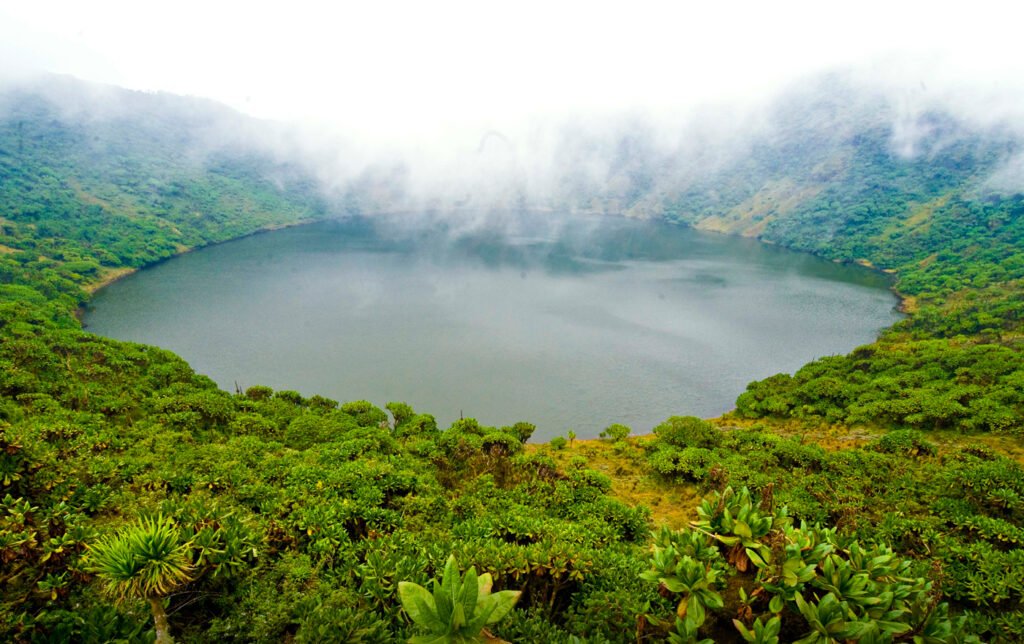
Altitude matters in the north-west. Volcanoes National Park sits at high altitude, and gorilla trekking involves walking at altitude through forest terrain. Travellers arriving from sea level notice it. The trek is manageable for anyone with reasonable fitness, but it is not a gentle walk, and travellers with heart or lung conditions should discuss it with a doctor before booking. The site’s guide to Rwanda gorilla trekking covers the trek itself.
Malaria is present in parts of Rwanda. Rwanda is a malaria-risk country, though the risk varies by area and altitude. Most travellers are advised to take antimalarial medication, and the specific recommendation depends on your itinerary. Rwanda’s guide to malaria risk at altitude in Bwindi and high-altitude trekking areas covers the altitude-related considerations, even though it is written for the Ugandan side of the region — the geography is the same. Consult a travel health professional for your own prophylaxis decision.
Yellow fever certificates are sometimes required. Rwanda’s requirements for yellow fever vaccination certificates depend on where you are arriving from and current regulations. Confirm current requirements before travel — rules change, and the specific requirement is a matter for the Rwandan immigration authorities and your own travel health provider, not an operator.
Travel insurance is worth reading carefully. Standard travel insurance usually covers medical treatment and evacuation, but the specific activities on a Rwanda trip — gorilla trekking, safari game drives, walking safaris — may be excluded or require additional cover. Confirm with your insurer that the activities you are actually doing are covered, rather than assuming.
Medical facilities are limited outside cities. Kigali has hospitals and clinics that meet international standards. Facilities in smaller towns and near the parks are more limited, and serious medical situations typically require transfer to Kigali or evacuation. This is a standard consideration in the region, not unique to Rwanda, and it is the reason travel insurance with medical evacuation cover matters more than for a European city break.
Safety for Solo Travellers, Women and Families
The practical experience of solo travel, women’s travel and family travel in Rwanda is shaped less by country-level safety than by the structure of the trip and the norms of the places you are visiting.
Solo travellers on a guided Rwanda itinerary typically find the structure of the trip supportive — a driver-guide, pre-arranged accommodation and guided activities mean the trip is not solo in the same way independent travel would be. The gorilla trek itself is in a group of up to eight with guides and trackers throughout.
Women travelling in Rwanda should apply the same judgement they would anywhere: modest dress in towns and villages, standard caution with strangers, and avoidance of walking alone in unfamiliar areas after dark. Rwanda’s cities and towns are generally considered safe for women travelling with normal precautions, but this is a judgement worth checking against your own government advisory for a current picture rather than relying on general reputation.
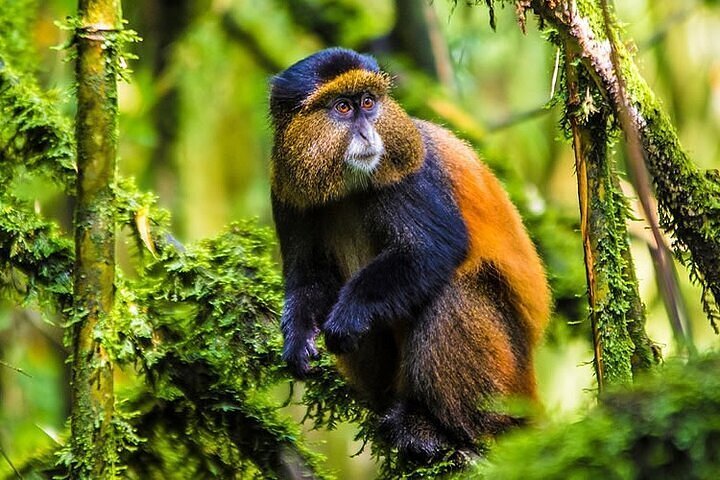
Families face one fixed constraint that shapes everything else: the minimum age for mountain gorilla trekking is 15, without exception. It is a condition of the permit and there is no workaround. Families with younger children can still do a Rwanda trip — Akagera’s game drives and boat safaris, Kigali’s museums, and Volcanoes National Park’s golden monkey trekking are all options that do not require a gorilla permit — but the gorilla trek itself is a fixed 15-plus activity. The site’s guide to the gorilla trekking age limit sets out what younger children can do instead.
Anyone with significant mobility or fitness concerns should raise them with the operator at the time of booking rather than on the morning of the trek. Gorilla trekking involves walking at altitude through forest terrain, and guides can plan routes accordingly if they know in advance.
What It Costs
A Rwanda trip’s fixed costs are published and verifiable; accommodation, transport and park fees vary by property and operator. The table separates the two.
| Element | Where | What drives the cost | Price (per person) |
|---|---|---|---|
| Gorilla trekking permit — Rwanda | Volcanoes National Park | Fixed by the Rwanda Development Board; no low-season discount | From $1,500 |
| Gorilla trekking permit — Uganda (for comparison) | Bwindi Impenetrable NP and Mgahinga Gorilla NP | Reduced in April, May and November | From $800 (From $600 in April, May and November) |
| Gorilla habituation experience — Uganda (for comparison) | Rushaga sector, Bwindi Impenetrable NP only | Four hours with a semi-habituated family | From $1,500 |
| Rwanda e-visa | Applied for online before travel | Fixed | $50 single entry / $70 multiple entry |
| East African Tourist Visa | Uganda + Kenya + Rwanda | Fixed; does not cover Tanzania | $100 (90 days, multi-entry) |
| Accommodation, transfers, park fees | All parks | Property tier, room category, season, vehicle type | Confirm current rates when booking |
| Travel insurance with medical evacuation | Varies by insurer | Cover level, age, activities included | Confirm current rates with your insurer |
The insurance row is included deliberately. On a Rwanda trip that involves gorilla trekking, game drives and significant road transfers, travel insurance with medical evacuation cover is not a discretionary addition — it is the most important safety purchase in the budget, and it is frequently the thing travellers economise on.
Permit prices and visa fees are set by the respective authorities and revised periodically — verify current rates before travel. The Rwanda visa is applied for at irembo.gov.rw (verify current requirements before travel — rules change). The Uganda visa requirements guide covers the East African Tourist Visa arithmetic, including when it is worth it and when separate visas are cheaper.
One correction worth stating because it circulates widely: the Uganda–Russia visa waiver announced in October 2026 covers diplomatic and service passports only. It does not apply to ordinary tourist passports and has not yet entered into force. No Rwanda or Uganda trip should be budgeted on the assumption of visa-free entry on that basis.
Frequently Asked Questions
Is Rwanda safe for tourists right now?
That depends on your nationality and the specifics of your itinerary, and the authoritative answer is your own government’s travel advisory. Check it before booking and again close to travel. A licensed operator can add context about guided safari travel but should not give a country-level safety verdict.
Is Rwanda safe for solo travellers?
Solo travellers on a guided itinerary typically find the structure supportive — driver-guide, pre-arranged accommodation, guided activities. Apply the same judgement you would anywhere, and check your government advisory for a current picture. The site’s guides cover the trip itself, including permit booking.
Is Rwanda safe for women travelling alone?
Standard precautions apply — modest dress in towns and villages, caution with strangers, and no walking alone in unfamiliar areas after dark. Rwanda is generally considered safe for women travelling with normal precautions, but check your government advisory for a current view rather than relying on general reputation.
What health risks should I know before travelling to Rwanda?
Malaria is present in parts of the country, altitude matters in the north-west, and yellow fever certificate requirements depend on where you are arriving from. Consult a travel health professional for your own decisions. Confirm current entry health requirements before travel.
Do I need travel insurance for a Rwanda safari?
Yes — and specifically insurance that covers medical evacuation and the activities you are actually doing (gorilla trekking, game drives, walking safaris). Standard policies may exclude some of these. Confirm with your insurer.
What rules in Rwanda affect tourists?
A strict plastic bag policy, a monthly community work morning on the last Saturday of the month, and photography restrictions around government and military sites. Confirm current arrangements with your operator before travel.
Can I bring plastic bags into Rwanda?
Rwanda has a strict plastic bag policy and enforcement happens at points of entry. Pack soft, reusable bags instead. Confirm current rules before travel.
Is Rwanda safe for families with children?
Guided safari travel is suitable for families, but the minimum age for mountain gorilla trekking is 15, without exception. Families with younger children can still do a Rwanda trip — Akagera game drives, boat safaris, golden monkey trekking and Kigali museums all work — but the gorilla trek itself is not available to under-15s.
How to Book
Before booking, check your government’s travel advisory and confirm travel insurance that covers the activities you plan to do. Then choose the shape of the trip — gorillas, savannah, forest primates, or a combination — and secure the permit date first, since permits are date-specific and capped at eight visitors per gorilla family. Afraeka Adventures is a licensed Ugandan operator based in Entebbe and Kampala, running safaris and primate trekking in Uganda, Rwanda, Kenya and Tanzania since 2018.
Contact Afraeka Adventures at info@afraekaadventures.com or use the enquiry form on our website with your dates, group size and any health or mobility considerations. Useful starting points:
- Rwanda safaris — the wider picture
- Rwanda gorilla trekking — the main trekking product
- Rwanda gorilla trekking permit booking — securing dates
- Uganda visa requirements — EATV arithmetic if combining countries
- East Africa multi-country safaris — combined routes
- All tour packages
- Enquiry form