The gorilla trekking age limit is one of the few rules in East African safari planning that has no workaround. It is 15 years, it applies to every mountain gorilla trek in Rwanda and Uganda, and it is not waivable by paying more, booking privately, or choosing a different operator. For families, it is usually the single factor that decides whether a Rwanda gorilla trip is possible at all — and it is worth understanding before any money is spent.
This guide covers the rule itself, why it exists, what it means for a family budget, and what younger children can do while the rest of the group treks. For the trekking day itself, the Rwanda gorilla trekking guide covers that in detail.
The Gorilla Trekking Age Limit, Stated Plainly
The minimum age for mountain gorilla trekking is 15 years. This is set by the wildlife authorities, not by operators or lodges, and it applies to:
- Gorilla trekking in Volcanoes National Park, Rwanda
- Gorilla trekking in Bwindi Impenetrable National Park and Mgahinga Gorilla National Park, Uganda
- Any gorilla trekking on either side of the border
Two things follow immediately. First, the rule is identical in both countries — Rwanda is not stricter than Uganda, and there is no advantage in shifting a family trip across the border to work around a child’s age. Second, the rule is a condition of the permit rather than a guideline. A permit is issued for a named person and a specific date, and turning up with a 14-year-old produces a problem that cannot be solved at the park gate.
Travellers should carry passports for all members of the group, since age is a documented requirement rather than something taken on trust. Confirm the current verification process at the time of booking — administrative arrangements change.
Why the Limit Exists
The 15-year threshold is a conservation and safety rule rather than a commercial one, and the reasoning behind it is straightforward in outline.
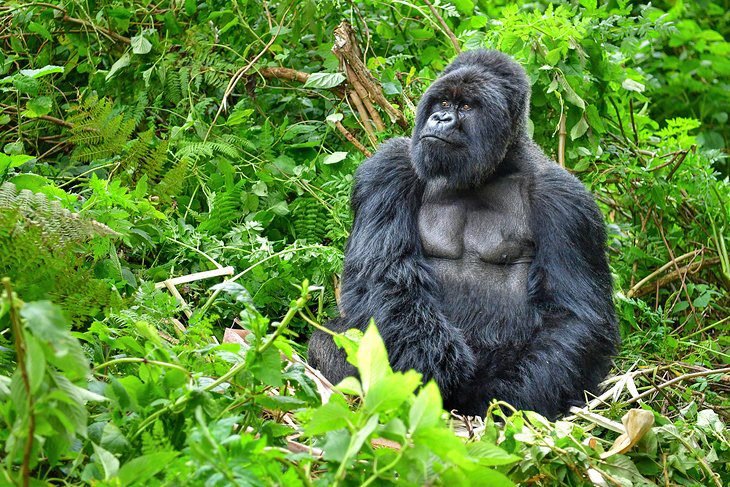
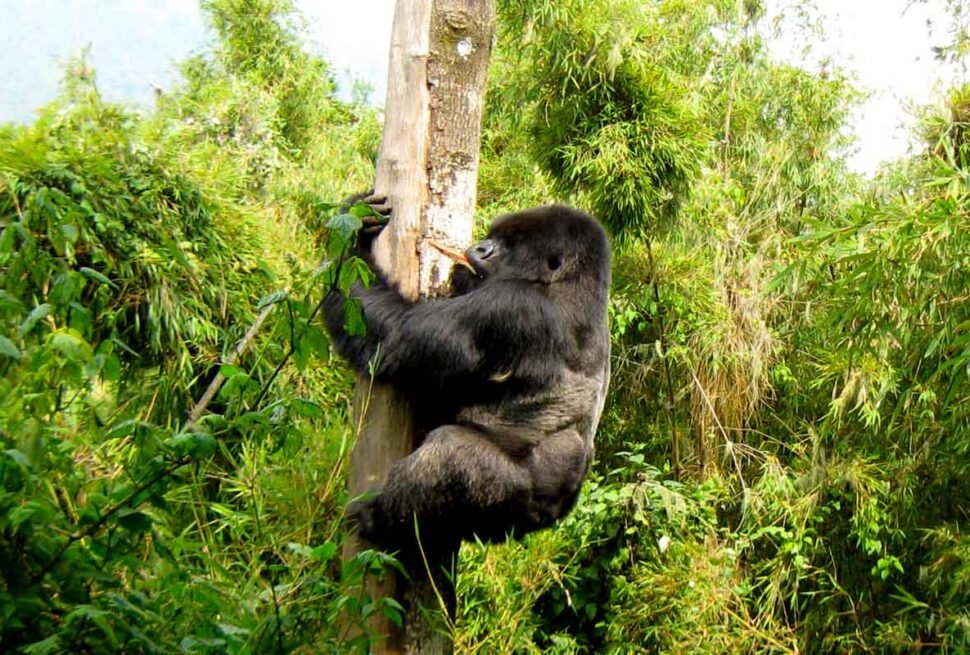
Mountain gorillas are a small, fragile population — approximately 1,000 individuals globally, found only in Uganda, Rwanda and DR Congo. Close contact with humans carries health risks to the animals, and the rules governing every trek exist largely to minimise those risks. The age limit sits within that framework of protections, alongside the one-hour visit limit and the cap of eight visitors per gorilla family.
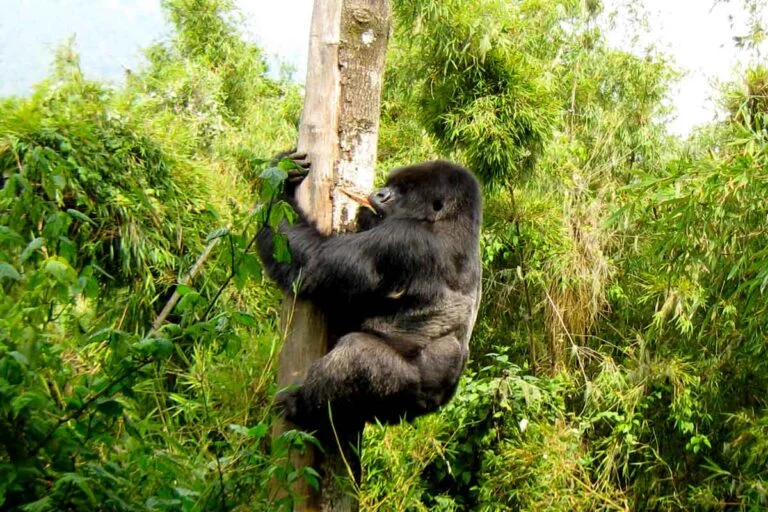
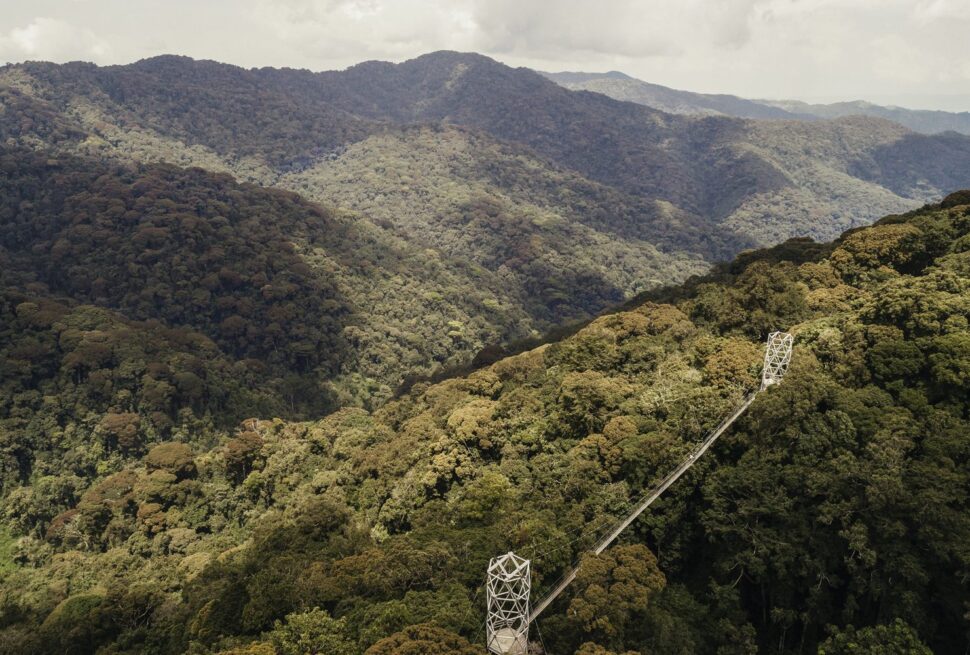
The second strand is the trek itself. Gorilla trekking involves walking at altitude through dense forest, often off established paths, on steep and frequently wet ground, for an unpredictable number of hours. It is not a walk suitable for a young child regardless of the wildlife considerations.
The precise rationale and any review of the rule sit with the wildlife authorities. Travellers with a specific edge case should raise it at the time of enquiry rather than assume, and verify current requirements before travel — rules change.
What It Means for a Family Budget
The age rule has a direct financial consequence, because every trekking member of the group needs their own permit at the full rate. Rwanda’s permit is $1,500 per person with no low-season discount and no family or group rate.
| Group | Permits required | Gorilla permit cost (per group) | Rwanda e-visas (per group) |
|---|---|---|---|
| 2 adults | 2 | From $3,000 | $100 (single entry) |
| 2 adults + 1 teenager aged 15+ | 3 | From $4,500 | $150 (single entry) |
| 2 adults + 2 teenagers aged 15+ | 4 | From $6,000 | $200 (single entry) |
| 2 adults + 2 children aged under 15 | 2 | From $3,000 | $200 (single entry, all four travellers) |
The arithmetic is not the interesting part; the fourth row is. An under-15 child still needs a visa, still travels, and still occupies a room — they simply cannot trek. A family in that position is paying for a full trip while only half the group enters the forest, which is why the decision to wait or to travel now is a genuine one.
Permit prices are set by the respective wildlife authorities and revised periodically — verify current rates before travel. For the full fixed-versus-variable picture, the Rwanda safari cost breakdown sets out how permits, lodging and transport fit together.
What Younger Children Can Do Instead
A family with children under 15 is not limited to cancelling the trip. Rwanda offers a range of activities that do not involve gorilla trekking, and several work well for mixed-age groups.
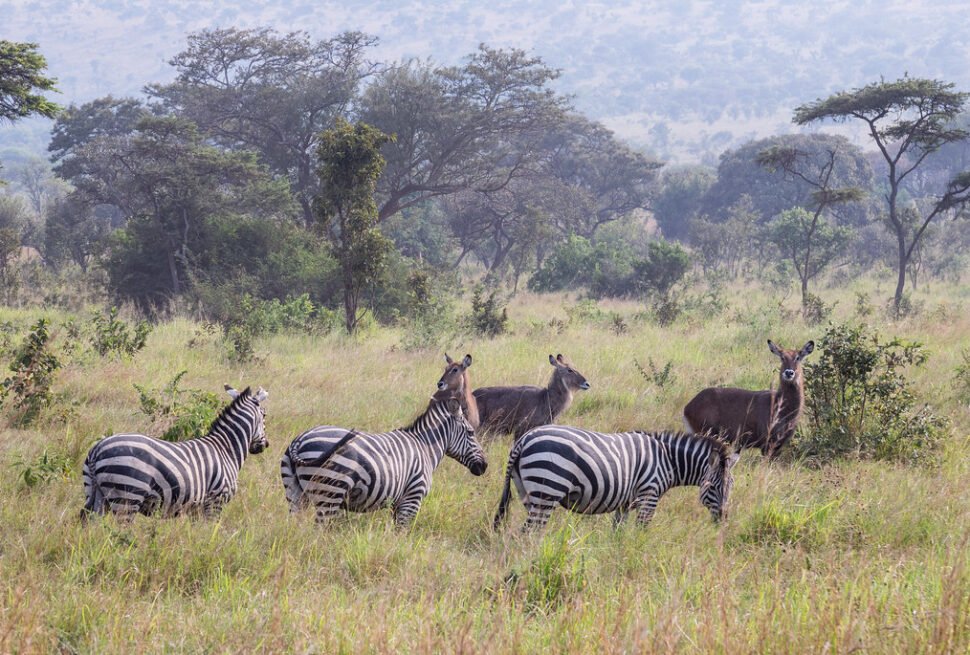
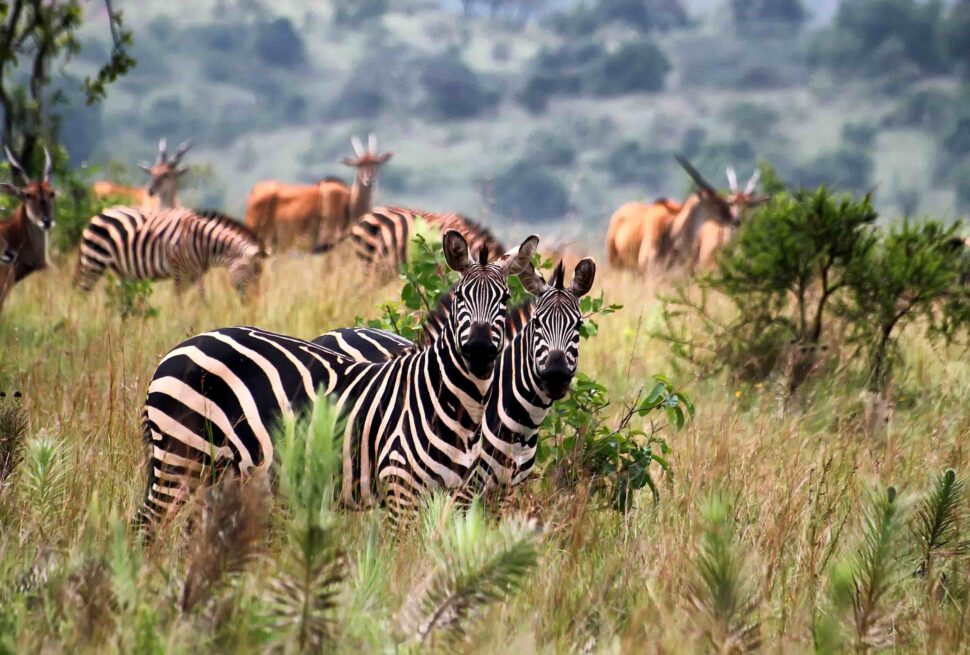
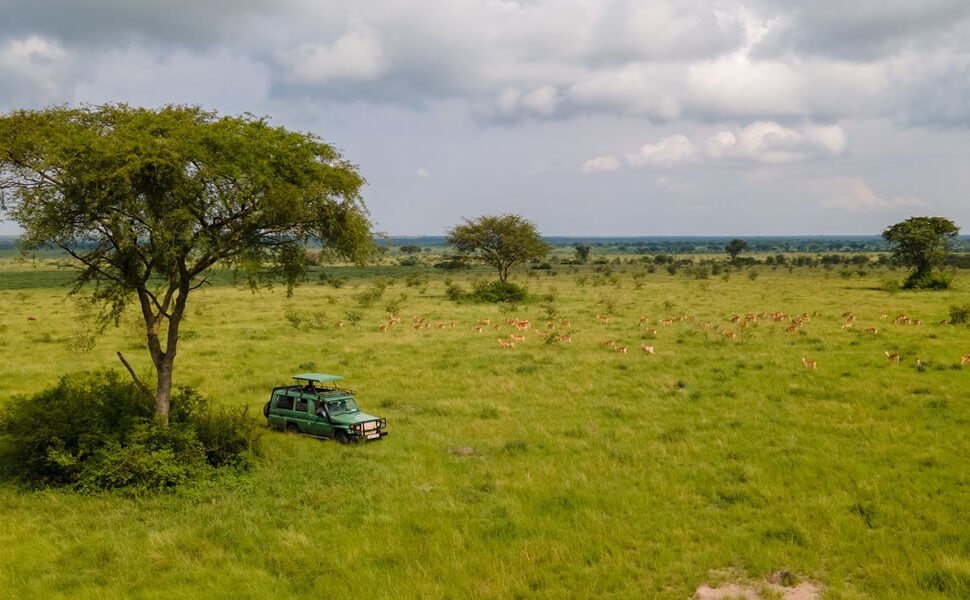
Akagera National Park in eastern Rwanda offers savannah game drives, night drives and boat safaris on Lake Ihema. Hippo, crocodile, zebra, giraffe and waterbirds are reliably seen from a vehicle or boat, and the format suits children far better than a long forest walk. The Akagera National Park safari guide covers the activities and itinerary shapes.
Kigali offers city-based days, markets and the Genocide Memorial, though the memorial’s content requires judgement about age-appropriateness that only a parent can make.
Golden monkey trekking in Volcanoes National Park is sometimes suggested as an alternative forest activity, but its own age rules are set separately and are not the same as the gorilla rule. Confirm the current requirement directly before planning around it — an assumption that it is open to younger children may not hold.
The practical structure that works for many families is a split day: the trekkers leave before dawn for the forest while the rest of the group does something else with a guide, then everyone reconvenes. That requires two vehicles and two guides, which is a cost, but it preserves the trip for the whole family rather than one half of it.
Age, Fitness and the Trek Itself
Fifteen is a minimum, not a qualification. A 15-year-old who meets the age rule still has to complete the trek, and the trek is genuinely demanding: altitude, humidity, steep ground, and a walk of unpredictable length before the gorillas are located.
There is no upper age limit on gorilla trekking, and plenty of older travellers trek successfully. Fitness matters more than age at either end of the range. Anyone with concerns about mobility or stamina should raise them at the time of booking so that the guide can be briefed and, where the park permits it, a shorter route or a porter arranged.
A few practical points for teenage trekkers specifically. The minimum age rule is a good indicator that the trek is a serious undertaking rather than a family outing. Porters are worth hiring and cost little. Long trousers and sleeves, sturdy boots and rain protection are not optional. And the one-hour limit with the gorillas applies to everyone regardless of age — it is not extended for families.
Health requirements at the park, including any assessment on the morning of the trek, are set by the authorities and should be confirmed before travel.
Booking Implications for Families
Permits are date-specific, issued per person, and capped at a maximum of eight visitors per gorilla family. For a family booking three or four permits on the same date, that cap matters — half a family group’s permits on one day is not much use if the rest cannot be secured for the same morning.
The dry seasons, broadly June to September and December to February, are the first dates to fill, and the December holiday period is the tightest of all. Families tied to school holidays are therefore competing for the most contested dates in the calendar. Availability is not guaranteed at short notice, so plan months ahead rather than weeks, and secure permits before committing to lodges and flights.
Confirm names and dates carefully before payment. Permits are issued for a named person and a specific date, and changes after issue are not straightforward — which matters more than usual when a family is booking several at once.
Visas for a Family Trip
Rwanda’s e-visa costs $50 for single entry or $70 for multiple entry and is applied for at irembo.gov.rw (verify current requirements before travel — rules change). Every traveller needs one, including children, so the visa line on a family budget scales with group size even where the permit line does not.
The East African Tourist Visa, at $100 for 90 days of multi-entry travel across Uganda, Kenya and Rwanda, is worth considering for a family combining countries — it is roughly cost-neutral for a two-country trip and clearly beneficial for three. It does not cover Tanzania. The Uganda visa requirements guide covers the trade-offs.
One correction worth repeating because it affects family budgeting: the Uganda–Russia visa waiver announced in October 2026 covers diplomatic and service passports only. It does not apply to ordinary tourist passports and has not yet entered into force.
Current permit and park information is published by the Rwanda Development Board — check before travel, as rates and conditions are revised periodically.
How to Book
For families, the age question should be settled before anything is booked — it determines whether the trip is a gorilla trip with add-ons or a Rwanda trip with a split day. Afraeka Adventures is a licensed Ugandan operator based in Entebbe and Kampala, running safaris and primate trekking in Uganda, Rwanda, Kenya and Tanzania since 2018.
Contact Afraeka Adventures at info@afraekaadventures.com or use the enquiry form on our website with the ages of everyone travelling, and the itinerary can be built around what the group can actually do. Useful starting points:
- Rwanda gorilla trekking — the trekking product explained
- Rwanda gorilla trekking permit booking — how permits are secured
- Rwanda’s gorilla families — how families differ
- Akagera National Park safari — for non-trekking days
- Rwanda safaris — the wider picture
- All tour packages
- Enquiry form