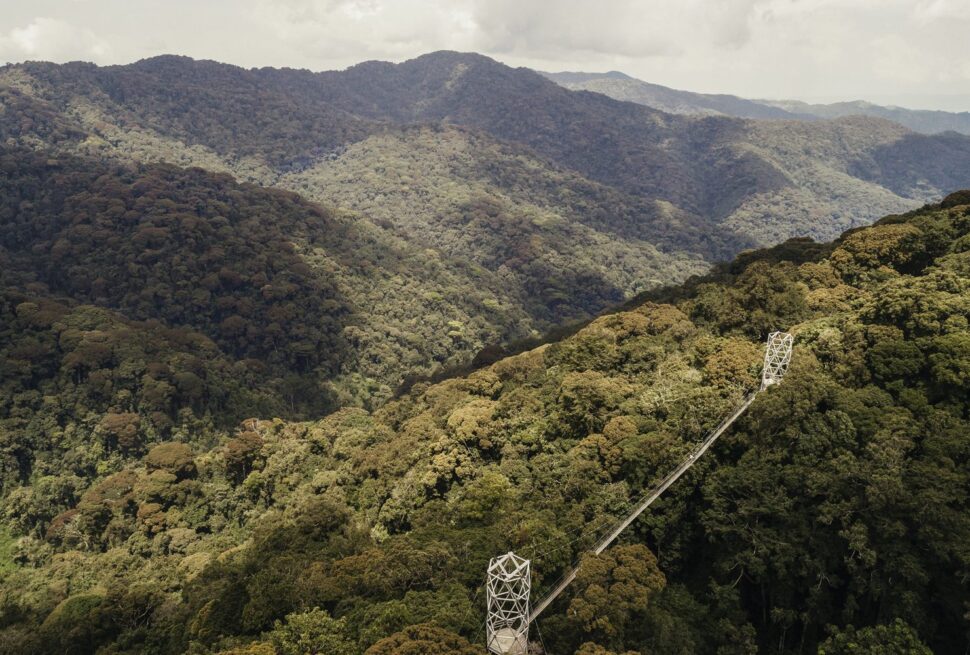
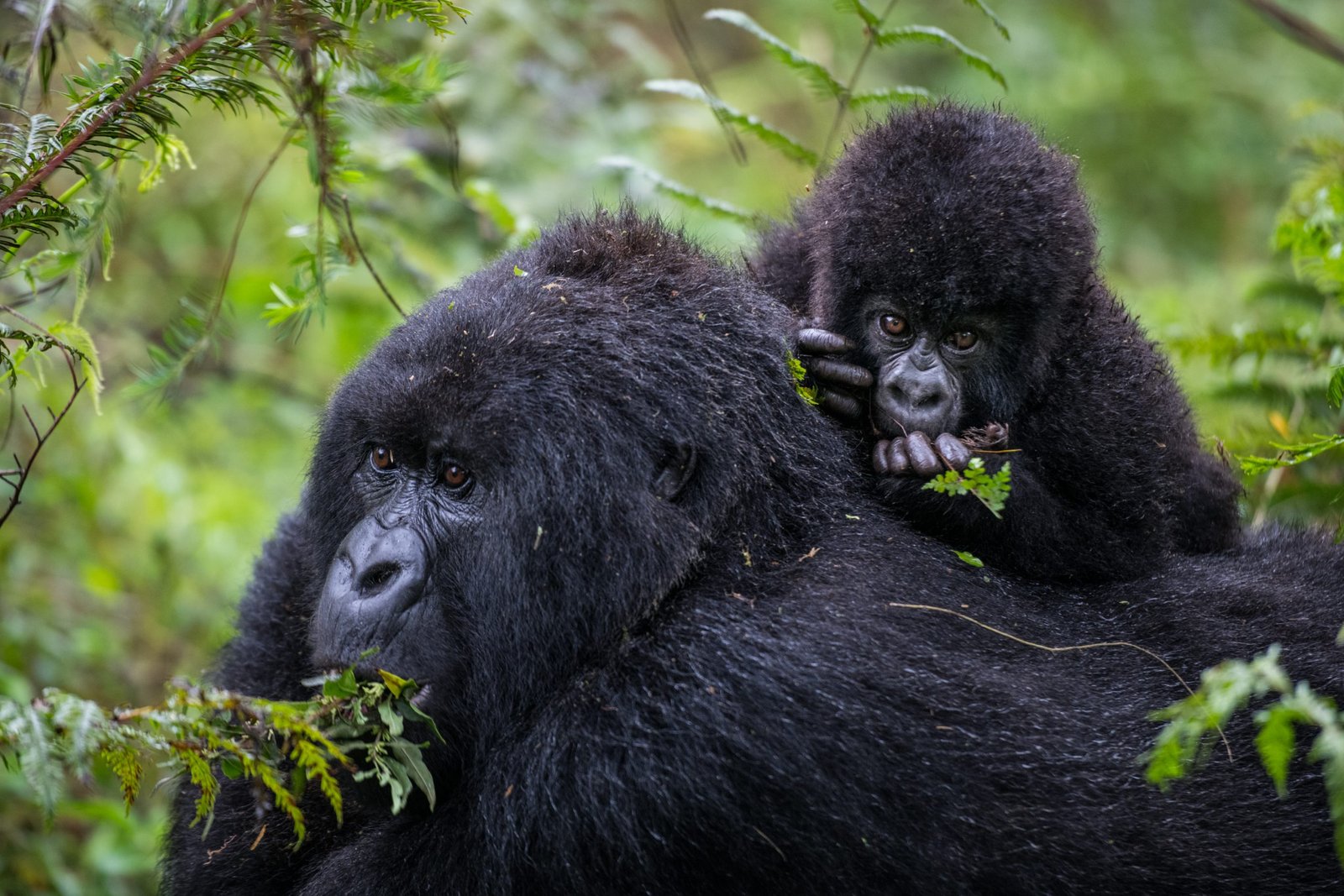
Rwanda gorilla families are the heart of the country’s most famous wildlife experience. In the bamboo forests and volcanic slopes of Volcanoes National Park, a small number of habituated mountain gorilla families live under the daily protection of trackers, researchers, and rangers—and a limited number of visitors are permitted to spend one hour with them each day. Understanding these families—how they’re structured, how they’re assigned, what makes each one distinct, and how the trekking process works—transforms a gorilla trek from a bucket-list tick into a deeply informed wildlife encounter. This guide explains how Rwanda’s gorilla families are organised, what to expect from each, how permits and family assignments work, and the practical details that matter when planning your trek.
Volcanoes National Park and its gorilla families are managed by the Rwanda Development Board (RDB), which issues permits and sets the rules for trekking. The Visit Rwanda website publishes general park information, and the Dian Fossey Gorilla Fund provides research and conservation context. For the main gorilla trekking hub, see our Rwanda gorilla trekking guide. For permit costs, see our Rwanda gorilla permit cost guide.
What Are Rwanda Gorilla Families?
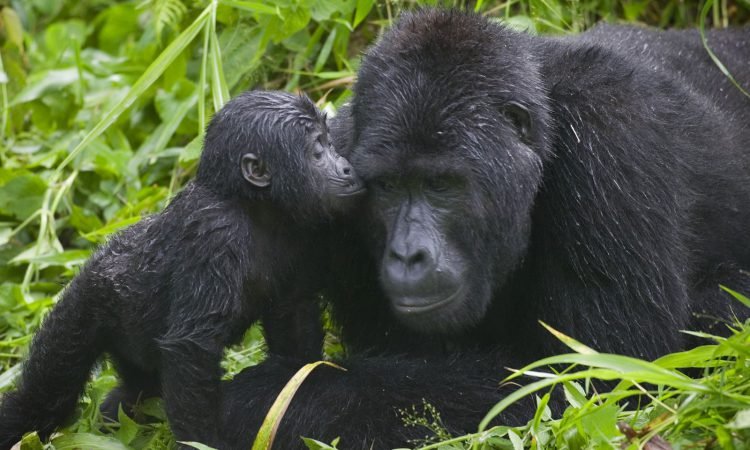
Mountain gorillas live in family groups led by a dominant silverback—an adult male with silver hair on his back. A family typically includes several adult females, their offspring of various ages, and sometimes younger males (blackbacks). Family size in Rwanda ranges from a handful of individuals to more than twenty, depending on births, deaths, and transfers between groups.
Habituation is the process by which a wild gorilla family becomes accustomed to the presence of humans. It takes years of careful, patient work by trackers and researchers, who gradually introduce themselves to the gorillas without disturbing their natural behaviour. Once a family is fully habituated, it can be visited by a small group of trekkers each day, under strict rules designed to protect both the gorillas and the visitors.
Habituation is essential for conservation. It allows researchers and veterinarians to monitor the health of individual gorillas, and it generates tourism revenue that funds anti-poaching patrols, veterinary care, and community programmes. It also carries risks—human diseases can be devastating to gorillas—which is why trekking rules are strict and enforced.
Rwanda’s Gorilla Families: An Overview
Rwanda currently has around a dozen habituated gorilla families available for trekking, with the exact number changing over time as new families are habituated and others are retired or merged. Each family has its own history, personality, and character, and each lives in a slightly different part of the park, with different trekking conditions.
What follows is a general overview of the types of families you might encounter and the factors that shape them. For up-to-date information on specific families, consult the RDB or a licensed operator before you travel.
Families in the Bamboo Zone
Some families live in the lower bamboo forests, which are closer to the park boundary and generally easier to reach. Treks to these families are often shorter (sometimes under an hour), making them a good option for travellers with limited fitness, older visitors, or families with older children. The bamboo zone is also where gorillas feed on bamboo shoots, so sightings can be close and dramatic.
Families in the Mid-Altitude Forest
Many families range between the bamboo zone and the higher montane forest. Treks here can take one to three hours, depending on where the family nested the previous night and how far they’ve moved during the day. The terrain is a mix of bamboo, open slopes, and dense forest, and the hiking is moderate.
Families in the High-Altitude Slopes
A few families live higher up the volcanic slopes, where the vegetation is denser and the terrain is steeper. Treks to these families can take three hours or more and are more physically demanding. They’re a good fit for fit, experienced trekkers who want a longer hike and a more remote feel.
Notable Gorilla Families
Each habituated family has its own story. Here are some of the most famous families in Volcanoes National Park, with a note that family composition and availability change over time.
The Susa Group
The Susa group is one of the most famous gorilla families in Rwanda. It was the group studied by Dian Fossey and was once the largest known mountain gorilla family, with over 40 individuals. Today, the family has split into smaller groups, but the Susa name remains associated with one of the more remote and challenging treks in the park. For a dedicated guide, see our Susa gorilla family page.
Families with Young Infants
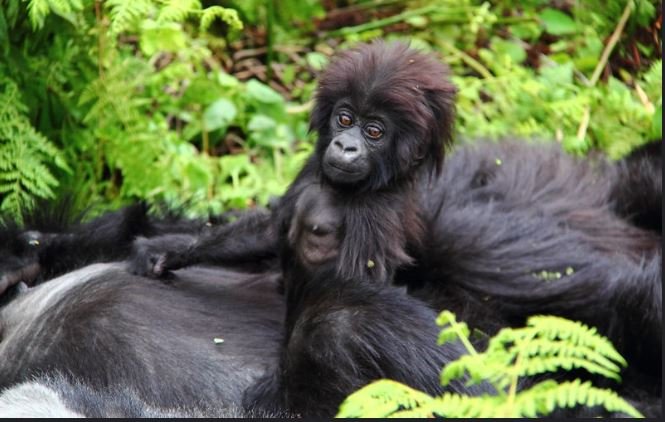
Some families have recently welcomed infants, and these families are particularly rewarding to visit. Watching a newborn cling to its mother, or older siblings play with a young gorilla, is a highlight for many trekkers. These families are often in high demand, so book permits early if this is a priority.
Families with Multiple Silverbacks
Some families have more than one adult male, which can create interesting social dynamics. Watching a dominant silverback interact with younger males—sometimes tolerantly, sometimes assertively—offers a fascinating glimpse into gorilla politics.
Families That Are Easier to Reach
Some families are known for being closer to the trailhead, making them a good option for travellers who want a shorter trek. These are often assigned to visitors who request an easier hike due to fitness, age, or other considerations.
Because family composition and availability change frequently, the best way to learn about current families is to ask your operator or the RDB at the time of booking. For more on specific families and trekking logistics, see our Rwanda gorilla trekking hub.
How Family Assignment Works
One of the most common questions from trekkers is: how do I get assigned to a particular gorilla family? Here’s how the process works.
The Morning Briefing
Family assignment happens on the morning of your trek, at the park headquarters in Kinigi. After a briefing by park officials, visitors are grouped and assigned to a gorilla family. The assignment is based on several factors:
- Fitness and mobility: Visitors who request an easier trek may be assigned to a family closer to the trailhead. Visitors who want a longer hike may be assigned to a more remote family.
- Group size: Each family can be visited by a limited number of trekkers per day, so assignments are balanced to avoid overcrowding.
- Group composition: Families with young children (15+) or older travellers may be assigned to gentler treks.
- Language: Guides are assigned to match the language of the group where possible.
- Special requests: If you have a specific reason to request a particular family (e.g., a researcher’s recommendation), let your operator know in advance. Requests are not guaranteed but are often accommodated where possible.
Can You Request a Specific Family?
You can request a specific family, but it’s not guaranteed. The final assignment depends on the park’s operational needs, the family’s location, and the number of trekkers in each group. If a family is fully booked or has moved to a remote area, you may be assigned to a different family. For most visitors, the assignment is part of the adventure—every family is extraordinary in its own way.
How Many Trekkers Per Family?
Each gorilla family can be visited by a small group of trekkers per day, typically capped at eight. This limit is designed to minimise disturbance to the gorillas and ensure a low-impact experience. It also means permits are limited, which is why booking early is essential.
What a Gorilla Family Encounter Is Like
Spending an hour with a habituated gorilla family is a profound experience, and every family is different. Here’s what to expect.
The Silverback
The dominant silverback is usually the focal point of the family. He is the largest and most powerful member of the group, and his role is to protect and lead. Watching him interact with his family—grooming, playing, or simply resting—is a window into the social dynamics that have fascinated researchers for decades.
The Females and Infants
Adult females and their offspring are often the most active members of the family. Infants cling to their mothers, juveniles play and climb, and older siblings practice the behaviours they’ll need as adults. If you’re lucky enough to visit a family with a newborn, the experience is unforgettable.
The Blackbacks
Younger adult males, called blackbacks, are often on the periphery of the group. They may test the dominant silverback’s authority, play-fight with each other, or simply observe. Their presence adds an edge to the social dynamics and offers a glimpse of the family’s future.
The One-Hour Rule
Visitors are allowed to spend one hour with the gorillas. This rule is strictly enforced to minimise disturbance and disease transmission. The hour passes quickly, so it’s worth putting your camera down for a few minutes and simply observing. Many travellers say the most memorable moments are the quiet ones—watching a mother groom her infant, or a silverback dozing in the sun.
Trekking Rules for Gorilla Families
Rwanda has strict rules for gorilla trekking, designed to protect both visitors and gorillas. These rules apply to all families, and they are enforced by guides and park officials.
- Minimum age: 15 years, strictly enforced.
- Distance: Keep at least 7 metres from the gorillas.
- Time limit: One hour with the gorillas.
- Health: Do not trek if you have a cold, flu, or other respiratory illness—gorillas are vulnerable to human diseases.
- No flash photography: Flash can disturb gorillas.
- No feeding: Never feed or touch gorillas.
- Follow your guide: Guides are trained to keep you safe and to protect the gorillas.
- No littering: Take all rubbish with you.
- Stay with your group: Don’t wander off or approach the gorillas on your own.
For a detailed guide to the rules, see our gorilla trekking rules in Rwanda guide.
Conservation Context: Why Gorilla Families Matter
Rwanda’s habituated gorilla families are central to mountain gorilla conservation. The revenue from permits and tourism funds anti-poaching patrols, veterinary care, and community programmes. It also provides employment for trackers, rangers, and guides—many of whom come from communities around the park.
The mountain gorilla population has grown steadily in recent decades, from an estimated 250 individuals in the 1980s to over 1,000 today. This is a remarkable conservation success story, and tourism has played a significant role. The Dian Fossey Gorilla Fund and other organisations continue to work on research, protection, and community engagement, ensuring that gorilla families have a future.
When you visit a gorilla family, you’re not just witnessing an extraordinary wildlife experience—you’re directly supporting the conservation of one of the world’s most endangered primates.
Practical Planning for a Gorilla Family Trek
Permits
All gorilla trekking permits are issued by the Rwanda Development Board. They are limited and sell out months in advance, especially in peak season. Book as early as possible—six to nine months ahead for peak season, and earlier for festive dates. For current rates and booking procedures, see our Rwanda gorilla permit cost guide.
Fitness and Preparation
Gorilla trekking is physically demanding, and the difficulty depends on the family you’re assigned to. Some families are close to the trailhead; others require long hikes at altitude. Be honest about your fitness with your guide and operator, and prepare accordingly. Start training 3–6 months before your trip, and bring sturdy hiking boots and layers. For more, see our how hard is gorilla trekking in Rwanda guide and our gorilla trekking Rwanda for seniors guide.
What to Pack
- Clothing: Long-sleeved shirt, long trousers, waterproof jacket, warm fleece, sturdy hiking boots with good grip, hat, and gloves.
- Gear: Daypack, camera with zoom lens, binoculars, reusable water bottle, snacks, and a walking stick (available locally).
- Health: Antimalarial medication, insect repellent, and any prescription medications.
- Documents: Passport, visa, yellow fever certificate, travel insurance, and printed permits.
For a full packing list, see our what to pack for Rwanda guide.
Frequently Asked Questions
How many gorilla families are in Rwanda?
Rwanda has around a dozen habituated gorilla families available for trekking, with the exact number changing over time as new families are habituated and others are retired or merged. Each family can be visited by a small group of trekkers per day.
Can I choose which gorilla family to visit?
You can request a specific family, but it’s not guaranteed. Family assignment happens on the morning of your trek, based on fitness, group size, and operational needs. Requests are accommodated where possible.
What is the largest gorilla family in Rwanda?
The Susa group was once the largest known mountain gorilla family, with over 40 individuals. It has since split into smaller groups, but the Susa name remains associated with one of the more remote and challenging treks. For more, see our Susa gorilla family page.
How many people can visit a gorilla family per day?
Each family can be visited by a small group of trekkers per day, typically capped at eight. This limit is designed to minimise disturbance to the gorillas and ensure a low-impact experience.
What happens if the gorillas move far away?
Trackers locate the gorillas early in the morning and guide the trekkers to their location. If a family has moved far, the trek may take longer—sometimes several hours. This is why fitness and sturdy boots matter, and why some families are considered more challenging than others.
Do gorilla families ever change?
Yes. Gorilla families change over time as individuals are born, die, or transfer between groups. New families are habituated, and older families may merge or split. The RDB manages these changes and updates trekking assignments accordingly.
Are gorilla families dangerous?
Habituated gorillas are generally calm around humans, and treks are conducted with strict safety protocols. Gorillas are wild animals, however, and guides are trained to read their behaviour and keep visitors safe. Follow your guide’s instructions at all times.
Start Planning Your Gorilla Family Trek
Every safari we create is tailored to your interests, budget, and travel dates. Whether you want a short gorilla-focused trip or a comprehensive Rwandan adventure, we’ll help you secure permits, choose the right itinerary, and prepare for an unforgettable encounter with a gorilla family.
Contact us today to begin planning your Rwanda gorilla trekking trip.
Last updated: October 2026. Fees, permits and park rules are set by the Rwanda Development Board and can change; we confirm current details when you book.
Official sources and further reading
About the author: Victoria Kayaga
Victoria Kayaga is a Ugandan-born safari expert and the founder of Afraeka Adventures, with over 7 years of experience in the East African tourism industry. She specializes in gorilla trekking, wildlife safaris and multi-country itineraries across Uganda, Rwanda, Kenya and Tanzania.