Rwanda Gorilla Trekking Accommodation is not simply a matter of choosing a nice place to sleep. Trekking mornings start before dawn, the park briefing happens early, and where you stay determines how much of that morning is spent in a vehicle rather than in the forest. The choice also has a real effect on cost, because lodging is the largest variable in a Rwanda trip while the permit is the largest fixed one.
This guide is about how to choose — the areas to base yourself in, the tiers of accommodation available, what genuinely matters on a trekking morning, and where travellers overspend or underspend. It deliberately does not name individual properties; the site already carries a dedicated guide to lodges in Volcanoes National Park, and that is the place to go for property-by-property detail.
The Three Rwanda Gorilla Trekking Accommodation Options
Almost every Rwanda gorilla itinerary uses one of three approaches, and they differ far more than the price tags suggest.
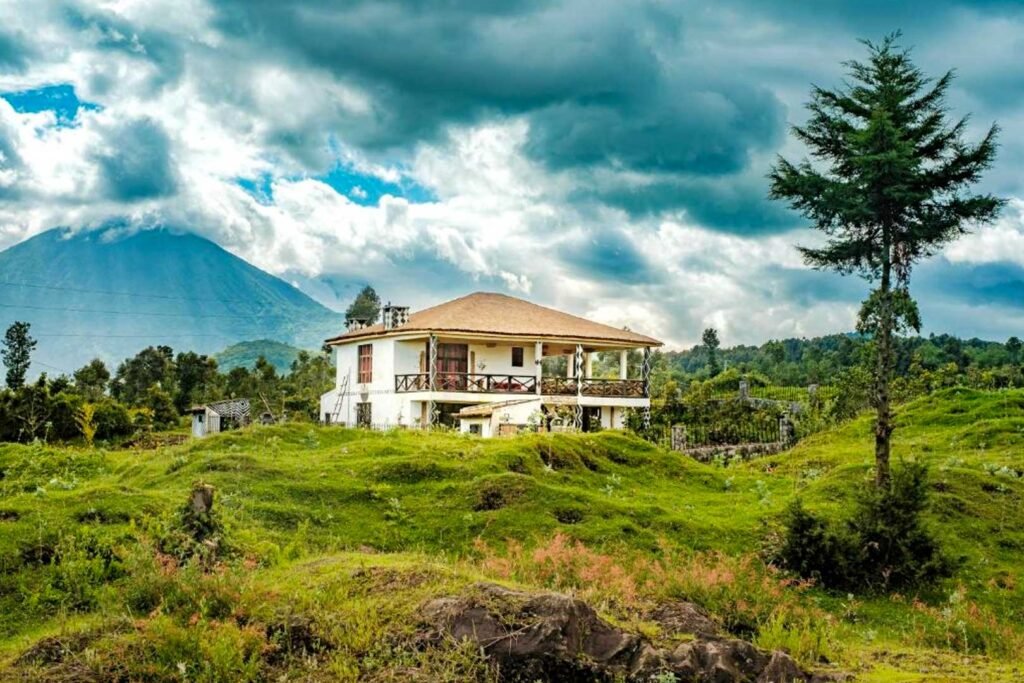
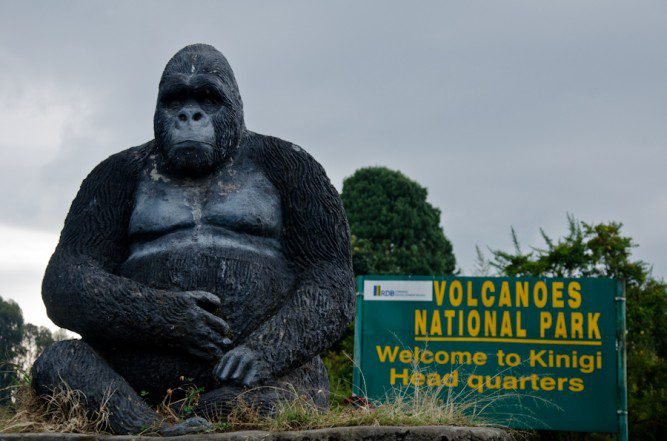
Park-adjacent, near Kinigi. The village area around the park headquarters is where most trekking accommodation clusters. The advantage is the shortest possible transfer on trekking morning, which matters more than it sounds — a ten-minute drive at 4:30am is a different experience from an hour of winding road in the dark. This is the default choice and usually the right one.
Town-based, in Musanze. The nearest sizeable town offers a wider spread of accommodation at lower rates, restaurants and services. The trade-off is a longer morning transfer, which has to be built into an already early start. Town makes sense for travellers on a tighter budget or spending several nights in the area rather than one or two.
Kigali-based day trip. This is where the most consequential mistakes happen. Volcanoes National Park is not a Kigali day trip in any comfortable sense — the drive is substantial and a pre-dawn departure from the capital means a very long day. Some itineraries do offer it, and it is not dishonest, but it is a compromise. Two nights near the park is the standard recommendation, and it is the one most travellers are glad they took.
What Actually Matters on a Trekking Morning
Four things affect the trekking day itself, in rough order of importance.
Distance to the park headquarters. The briefing, permit checks and guide allocation all happen at the park before the group moves to a trailhead. Proximity here is the single most valuable attribute an accommodation option can have.
Reliability of the early breakfast. Trekking groups leave before normal hotel breakfast hours. A property that habitually gets this right is worth more than one with a more impressive building, and this is the detail most worth asking about directly when booking. Ask what time breakfast is served and whether it is arranged the night before.
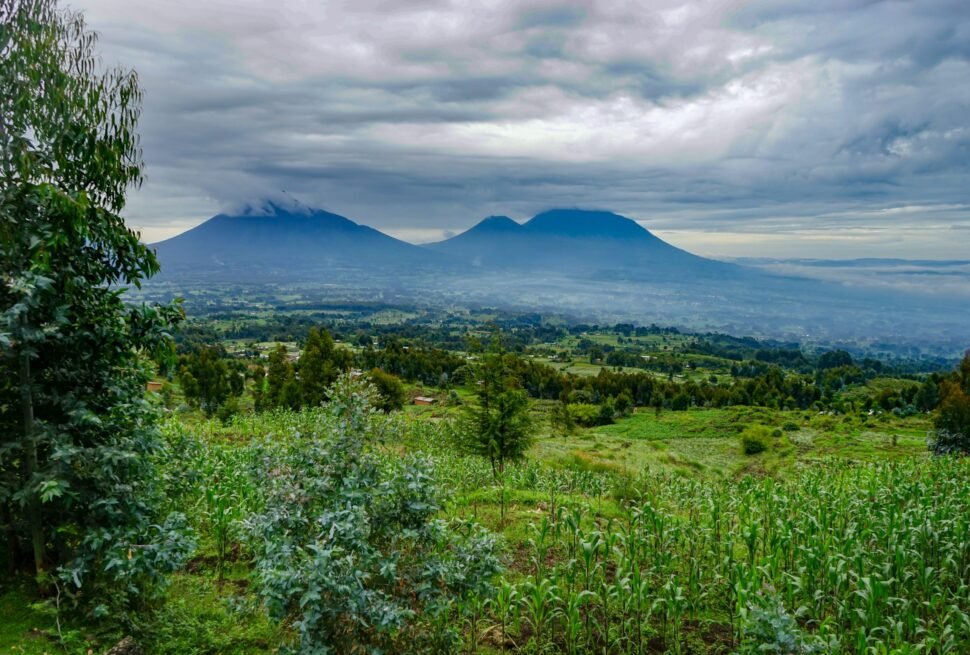
Altitude and warmth. Volcanoes National Park sits at altitude and mornings are cold and often wet. Heating, hot water and a warm room matter more here than in a savannah lodge, and not every property delivers them equally.
Packing and storage logistics. Trekkers leave gear behind and return muddy and wet. Somewhere to dry boots and store luggage while you are in the forest is a small thing that improves the day.
Notice what is not on that list: views, architecture and dining. They are pleasant, and some properties do them exceptionally well, but they do not change the trek. Travellers who prioritise them over proximity are optimising for the hours they are not in the forest.
The Tiers, and What Separates Them
Accommodation near Volcanoes National Park divides into recognisable tiers, and the useful distinctions are about access, privacy and service model rather than star ratings.
Top tier, park-adjacent. Closest to the headquarters, larger private units, higher staff-to-guest ratios and more tailored service. The genuine value is the short morning transfer and the consistency of the logistics.
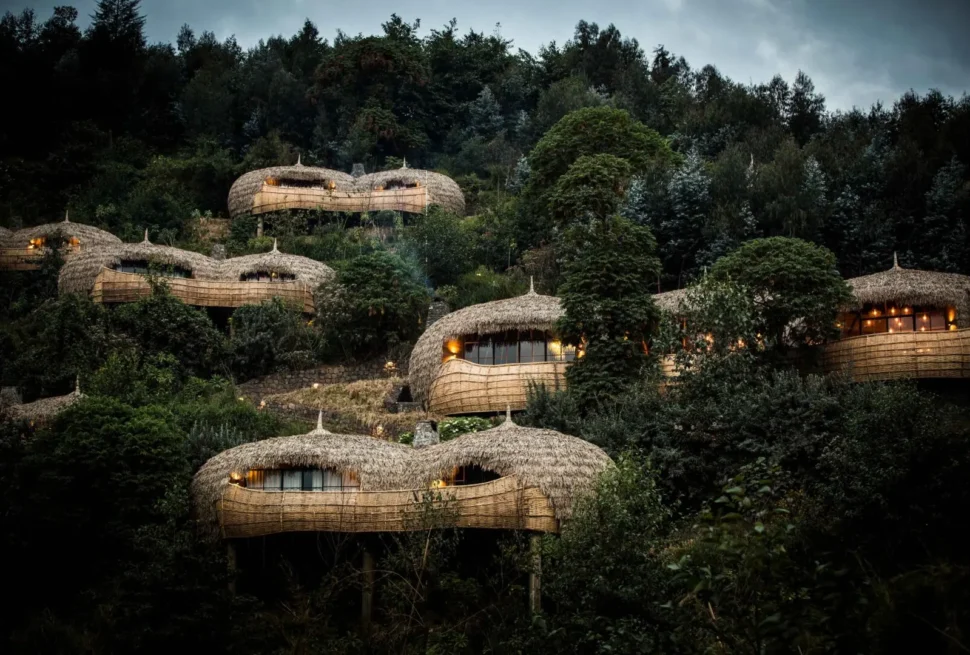
Smaller, higher-privacy properties. Further from the gate, fewer rooms, quieter grounds. These trade proximity for exclusivity and suit travellers who want the property itself to be part of the trip rather than a base.
Established mid-tier lodges. Frequently excellent, comfortable and well run, within reach of the park. This is where most of the value sits for travellers whose budget is concentrated on permits rather than rooms — which, given a $1,500 permit per person, is a rational place to economise.
Guesthouses and budget options. Available in Musanze and around Kinigi, with basic facilities and longer transfers. Perfectly workable for travellers who want the permit and the trek and are not interested in paying for the room.
What Accommodation Costs — and What It Doesn’t
Accommodation rates vary by property, room category, board basis and season, and quoting a single figure would be misleading. The table below sets out what is verified and fixed in a Rwanda gorilla trip, and what needs confirming at the time of booking.
| Element | Where | What drives the cost | Price (per person) |
|---|---|---|---|
| Gorilla trekking permit — Rwanda | Volcanoes National Park | Fixed by the Rwanda Development Board; no low-season discount | From $1,500 |
| Gorilla trekking permit — Uganda (for comparison) | Bwindi Impenetrable NP and Mgahinga NP | Reduced in April, May and November | From $800 (From $600 in April, May and November) |
| Gorilla habituation experience — Uganda (for comparison) | Rushaga sector, Bwindi Impenetrable NP only | Four hours with a semi-habituated family | From $1,500 |
| Accommodation — top tier, park-adjacent | Kinigi area | Property tier, room category, board basis, season | Confirm current rates when booking |
| Accommodation — mid tier | Kinigi and Musanze | As above | Confirm current rates when booking |
| Accommodation — guesthouse and budget | Mainly Musanze | As above | Confirm current rates when booking |
Two observations worth more than the numbers. First, the permit does not change with the property — a $1,500 permit is the same whether you sleep in a guesthouse or the best room in the country. Where a quote varies substantially between operators, the difference is in the room, the vehicle and the guiding, not the permit. Second, Rwanda’s permit carries no low-season discount, so travelling in a wetter month reduces lodging rates and improves availability but does not touch the largest fixed cost.
For the full fixed-versus-variable picture, the Rwanda safari cost breakdown works through the whole budget.
How Many Nights to Book
Two nights is the standard recommendation and the shape most itineraries take: arrive the afternoon before, trek the following morning, depart the day after. It removes the risk of a delayed arrival spoiling the trek and leaves room to recover afterwards.
One night is possible if you arrive early the previous day and leave late the day after, but it is tight and leaves no margin for a delayed flight or a slow transfer. Given that the permit is date-specific and cannot simply be moved, the margin is worth paying for.
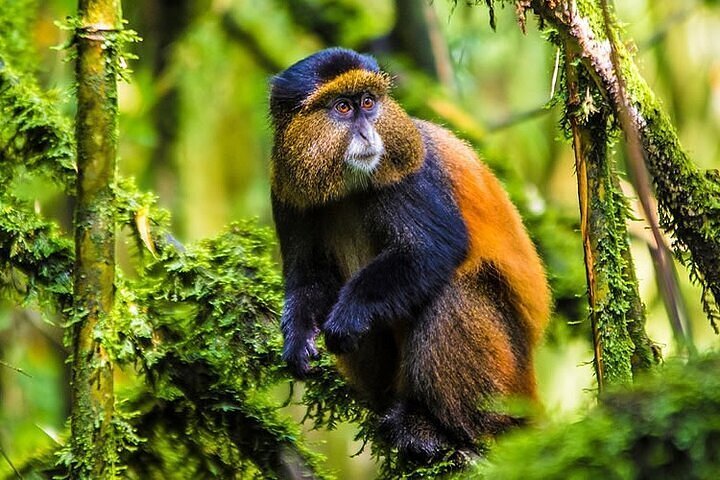
Three nights or more suits travellers adding golden monkey trekking, doing a second gorilla trek on a different family, or simply wanting the forest without the pressure of a next-morning departure. Availability of accommodation near the park is limited year-round and fills early in the dry months, so this is not a place to leave booking late. Availability is not guaranteed at short notice.
Split Stays and Wider Rwanda Itineraries
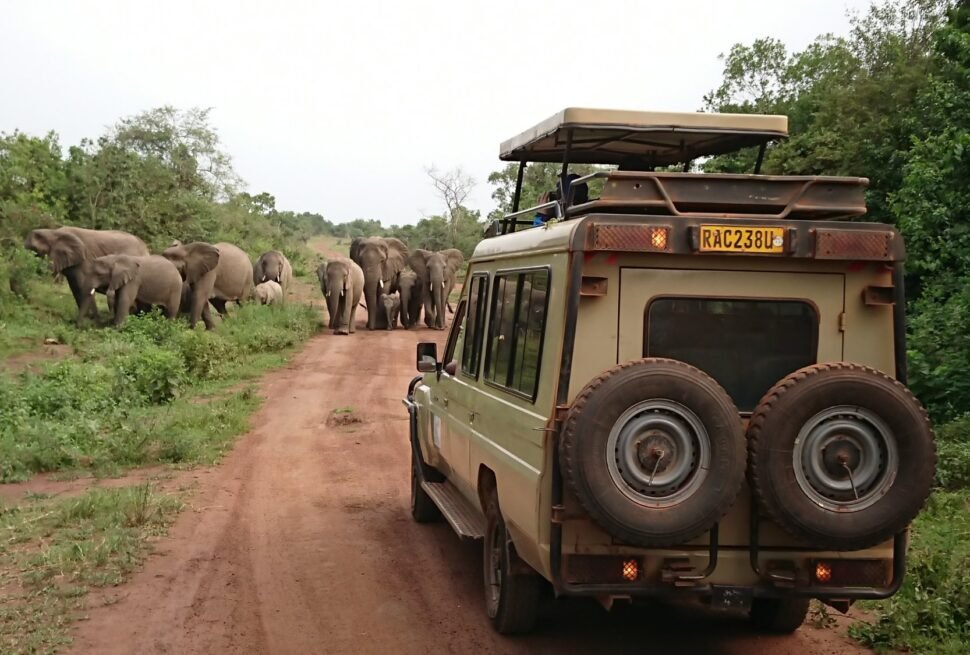
Volcanoes National Park is in the north-west of Rwanda, and the country’s other wildlife areas are elsewhere. A typical Rwanda trip combines the gorilla leg with Akagera in the east for savannah game, or Nyungwe in the south-west for forest primates and birds. Both involve real transfers rather than short hops, so accommodation has to be arranged in stages rather than from a single base.
The Akagera National Park safari guide covers accommodation and activities for the savannah leg, and the Rwanda safaris overview sets out how the parks fit together.
One structuring rule worth stating: sequence the trip around the gorilla permit date rather than around the lodges. Permits are date-specific and capped at eight visitors per gorilla family, so a booking that starts with accommodation risks having to move everything if the permit date is full.
Booking Logistics
Rwanda’s e-visa costs $50 for single entry or $70 for multiple entry and is applied for at irembo.gov.rw (verify current requirements before travel — rules change). The East African Tourist Visa at $100 covers Uganda, Kenya and Rwanda for 90 days multi-entry and is roughly cost-neutral for a two-country trip; it does not cover Tanzania. The Uganda visa requirements guide covers the trade-offs.
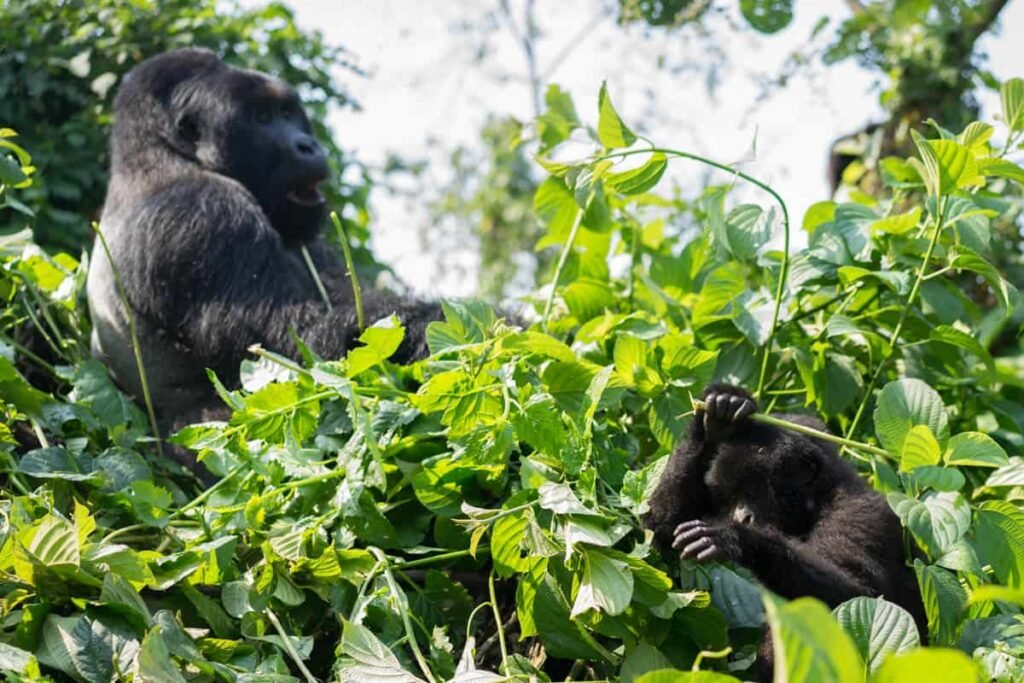
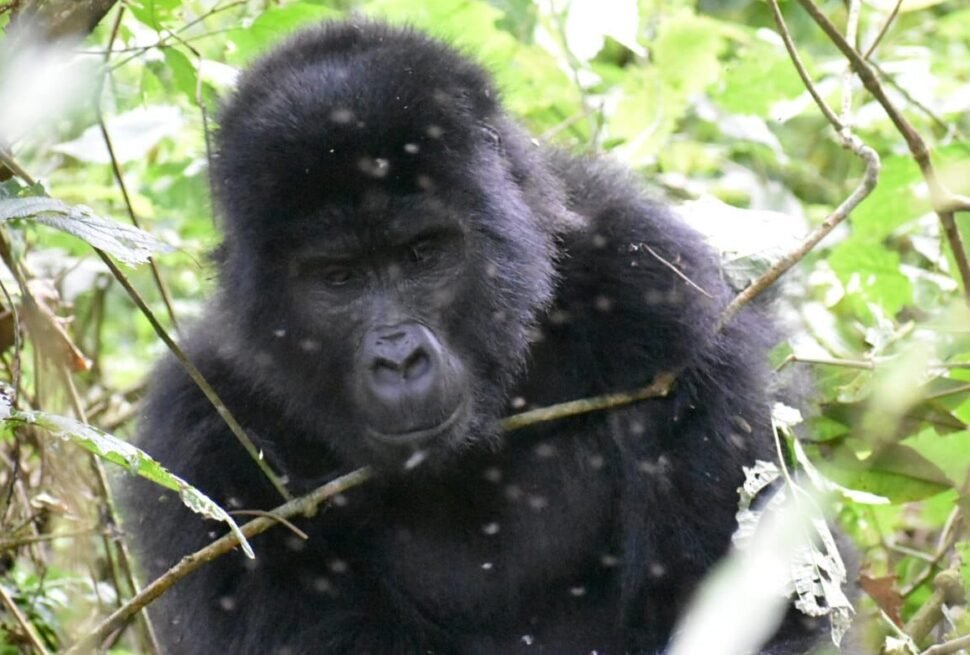
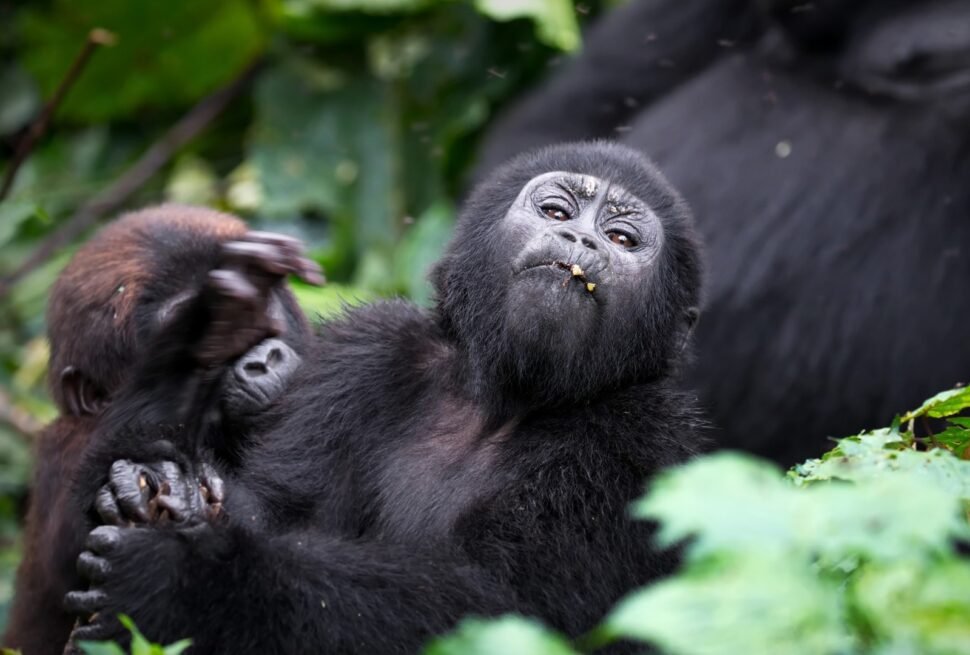
Two clarifications that come up repeatedly. The Uganda–Russia visa waiver announced in October 2026 covers diplomatic and service passports only, does not apply to ordinary tourist passports, and has not yet entered into force. And gorilla trekking in Rwanda means Volcanoes National Park — mountain gorillas are found in Uganda, Rwanda and DR Congo only, and no amount of accommodation planning changes that.
Current permit and park information is published by the Rwanda Development Board — check before travel, as rates and conditions are revised periodically.
How to Book
Accommodation near Volcanoes National Park is limited and fills early, and permits are date-specific and capped — so the permit date should be secured first and the property arranged around it. Afraeka Adventures is a licensed Ugandan operator based in Entebbe and Kampala, running safaris and primate trekking in Uganda, Rwanda, Kenya and Tanzania since 2018.
Contact Afraeka Adventures at info@afraekaadventures.com or use the enquiry form on our website with your dates, group size and preferred standard of accommodation. Useful starting points:
- Rwanda gorilla trekking — the trekking product explained
- Rwanda gorilla trekking permit booking — securing the permit date first
- Rwanda gorilla trekking age limit — for family groups
- Rwanda safaris — the wider picture
- Luxury Rwanda safari — what the top tier buys
- All tour packages
- Enquiry form