Last updated: 26 September 2026. Rates and availability are set by UWA and subject to change — confirm before booking.
Short answer: A primate safari Uganda 7 days is a week-long route built around chimpanzee trekking at Kibale Forest and gorilla trekking at Bwindi Impenetrable National Park, with one or two nights at Queen Elizabeth National Park in between as the transfer stop and the big-game segment. Seven days is the minimum for a comfortable version — fewer days and the trip becomes a race between treks. The route runs Entebbe, Kibale, Queen Elizabeth, Bwindi, Entebbe, and the two trekking permits anchor the whole itinerary.
Seven days is the sweet spot for a Uganda primate safari. Short enough to fit into a standard leave allowance and a reasonable budget. Long enough to include both headline primate experiences — chimpanzees and gorillas — with a proper savannah stop between them and enough buffer to absorb a slow transfer or a delayed flight. Below seven days, the itinerary starts to feel rushed; above seven days, you have room to add Mgahinga or a second gorilla trek, but the week itself covers the essentials.
This guide is the reference for what actually fits into a primate safari Uganda 7 days. It covers the day-by-day route, what each stop contributes, the transfer logistics between parks, what you cannot fit into seven days, and how to decide whether a longer format would suit you better. It sits alongside the wider primate content on the primate tracking experiences page and the gorilla-specific detail on the Uganda gorilla trekking hub. Permit categories and current rates sit on the gorilla permits Uganda page, and the regulatory framework for Uganda’s protected areas is published by the Uganda Wildlife Authority.
Primate safari Uganda 7 days — key facts
- Route length: 7 days total including arrival and departure days
- Parks included: Kibale Forest, Queen Elizabeth, Bwindi Impenetrable
- Primate treks: Chimpanzee trekking (Kibale) and gorilla trekking (Bwindi)
- Permits required: Two — one chimp permit, one gorilla permit
- Transfer times: Entebbe–Kibale 5–6 hours; Kibale–Queen Elizabeth 3 hours; Queen Elizabeth–Bwindi 4 hours; Bwindi–Entebbe 7–9 hours
- Best season: Dry months (Dec–Feb, June–Sept) for easier trails and better game viewing
- Minimum age: 15 for both treks
- Best for: Travellers who want both chimps and gorillas in a single week
What does a primate safari Uganda 7 days include?
A primate safari Uganda 7 days typically includes two or three nights at Kibale Forest for the chimpanzee trek and the Bigodi Wetland Sanctuary walk, one or two nights at Queen Elizabeth National Park for game drives and the Kazinga Channel boat safari, and two or three nights at Bwindi for the gorilla trek and a recovery day. Add a day at each end for arrival and departure from Entebbe, and you have a full week.
Three things define what fits:
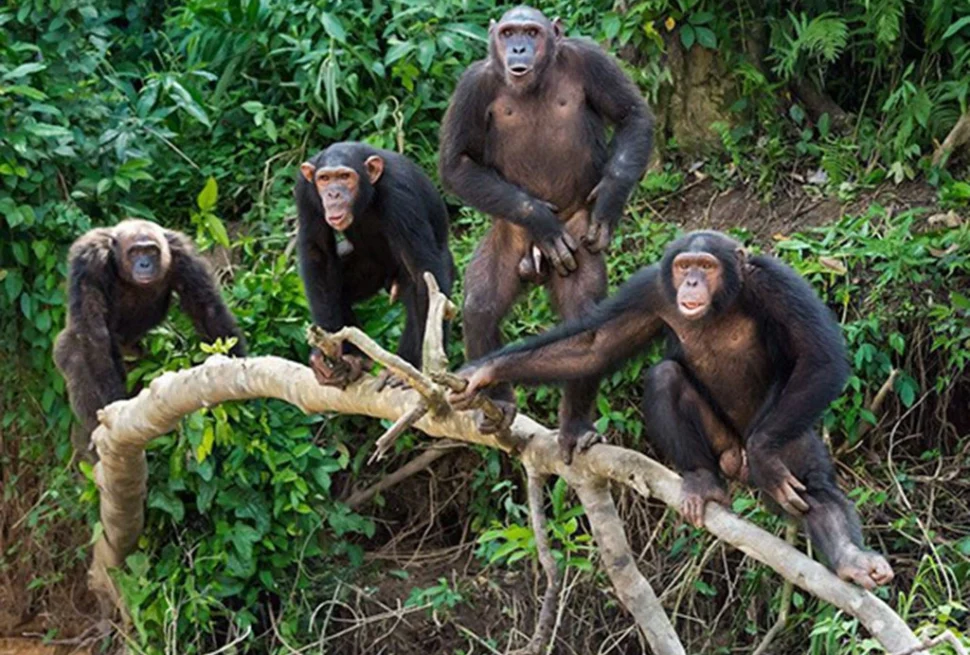
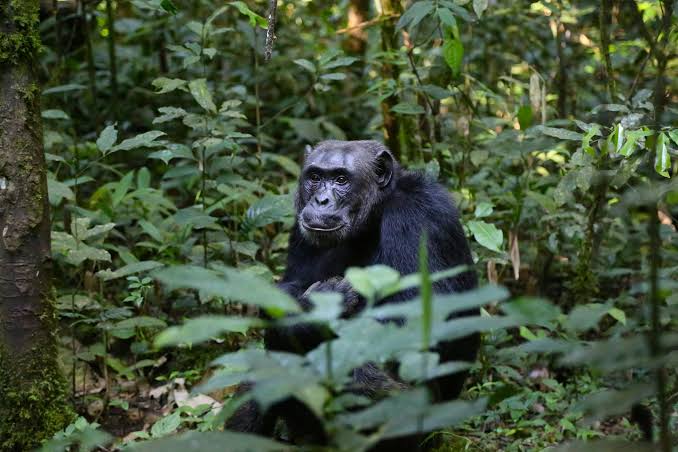
- Two primate treks. The chimpanzee trek at Kibale and the gorilla trek at Bwindi are the anchors. Both are permit-based, both run on a pre-dawn-to-midday schedule, and both deliver a one-hour viewing window. Together they are the two headline experiences of the week.
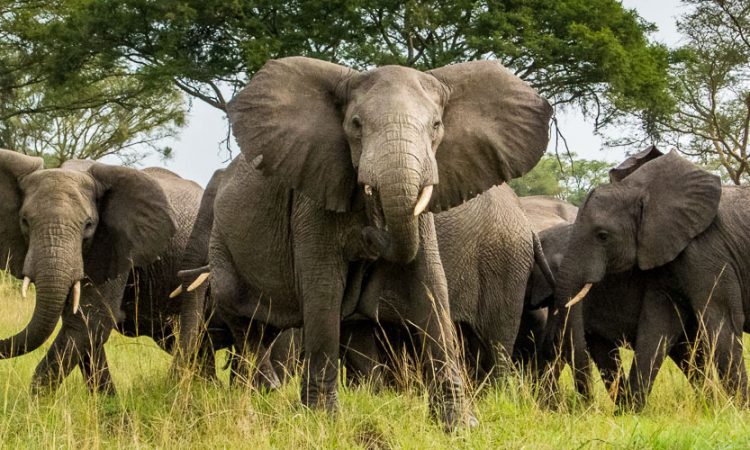
- One savannah stop. Queen Elizabeth National Park sits on the driving route between Kibale and Bwindi and provides the game-viewing segment — lions, elephants, buffalo, hippos, and the Kazinga Channel boat safari. It also breaks the long transfer into two manageable driving days.
- Buffer for transfers. The Kibale to Bwindi drive alone is a full day, and the return leg to Entebbe is another long day. A seven-day itinerary has enough room to absorb those drives without sacrificing any of the trekking days.
What typically is not included at seven days: the full-day chimpanzee habituation experience (which uses an entire day and does not fit a week that also includes gorillas), a second gorilla trek on a different Bwindi sector, Mgahinga Gorilla National Park, and any of Uganda’s northern parks. Those are the additions that push the itinerary to nine or ten days. Our guide on the chimpanzee habituation experience covers the full-day format and why it needs its own itinerary.
Afraeka tip: If you are booking a primate safari Uganda 7 days, decide the gorilla permit date first. It is the scarcer of the two permits, and it anchors the whole week. Once the gorilla date is fixed, the chimp trek slots into the days before or after, and the transfer days fit around both. Trying to do it the other way round — chimp permit first, then gorilla — usually means reshuffling the lodges and the route.
What does the day-by-day route look like?
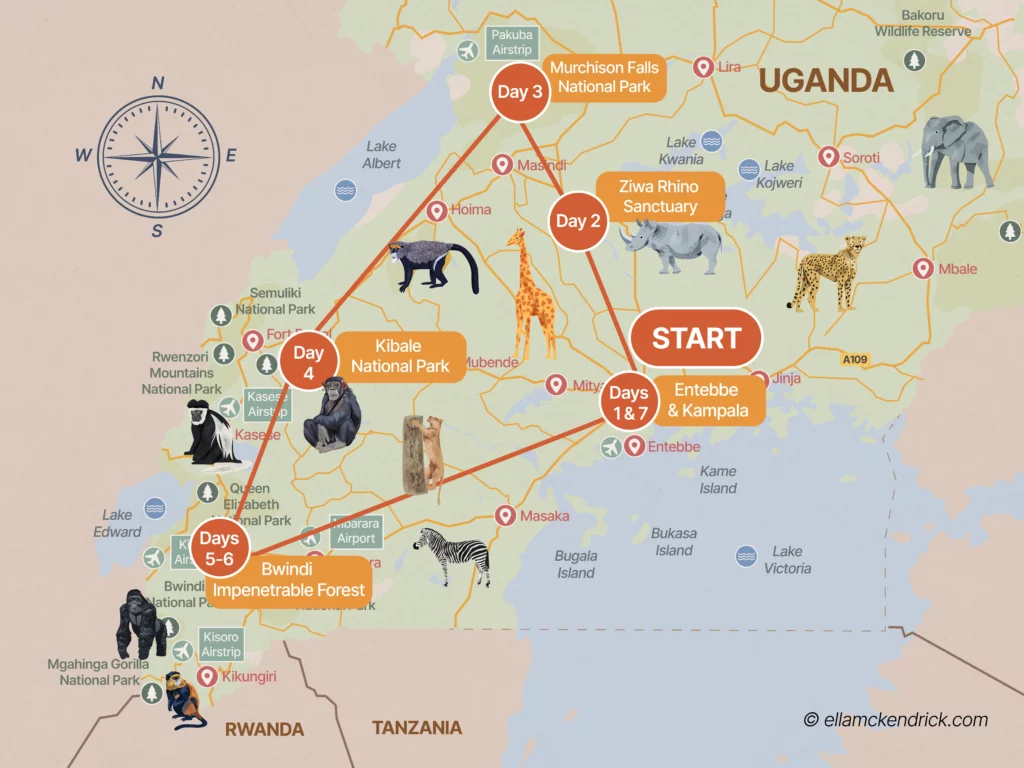
The standard primate safari Uganda 7 days route runs west from Entebbe to Kibale, south-east to Queen Elizabeth, then south-west to Bwindi, and back to Entebbe. The route is a broad loop and does not involve significant backtracking. Here is how the days typically break down.
The 7-day route, day by day
- Day 1 — Arrival and transfer to Kibale. Land at Entebbe, drive west toward Fort Portal (5–6 hours) or overnight in Entebbe if arriving late. Most travellers arrive in the morning and reach a Fort Portal or Kibale lodge by evening.
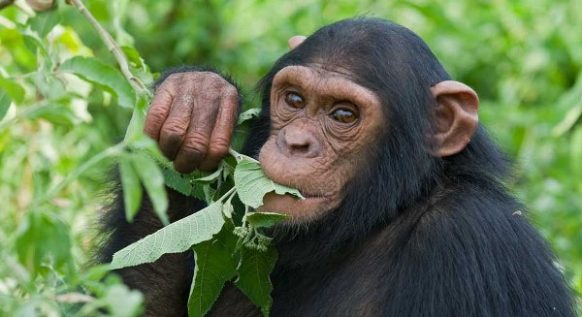
- Day 2 — Chimpanzee trekking at Kibale. Pre-dawn briefing, forest walk, one hour with the chimps, walk back. Afternoon Bigodi Wetland Sanctuary walk or a crater lakes drive.
- Day 3 — Kibale to Queen Elizabeth. Drive south-east via Kasese (3 hours). Arrive at Queen Elizabeth by mid-afternoon. Afternoon game drive in the Kasenyi plains if time allows.
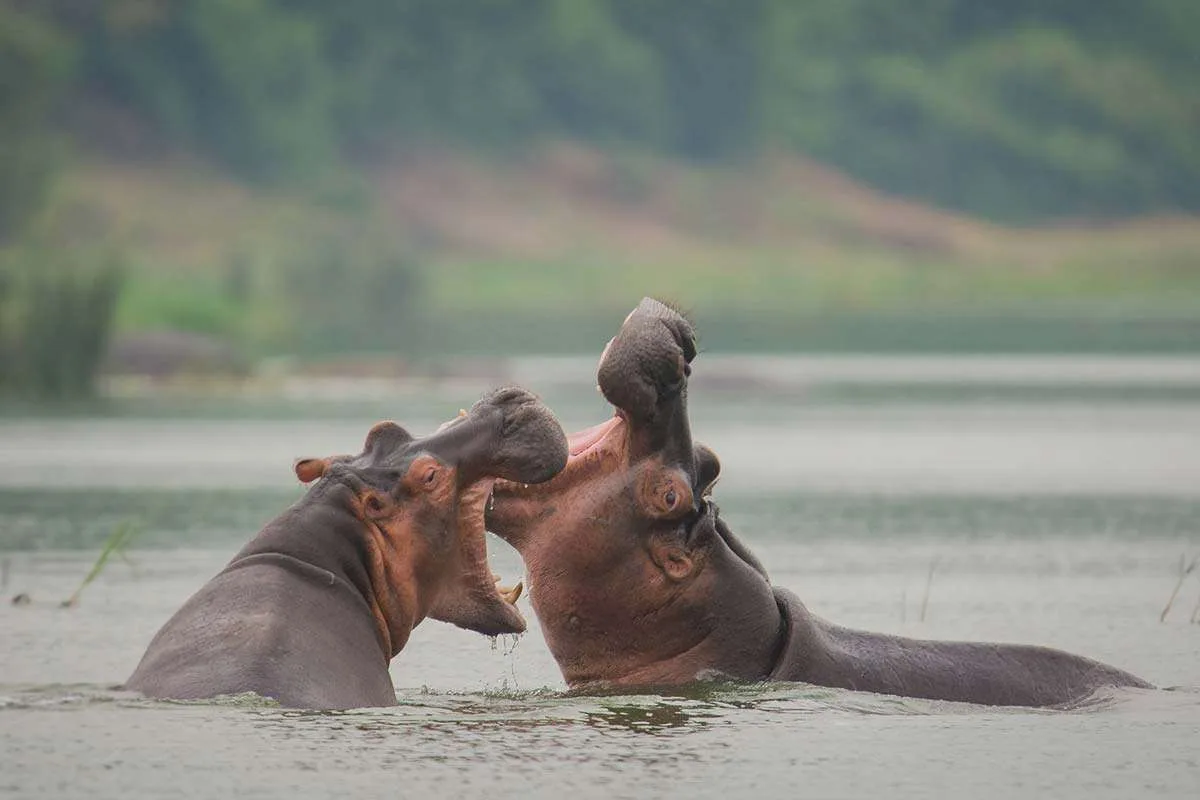
- Day 4 — Queen Elizabeth game viewing. Morning game drive. Afternoon Kazinga Channel boat safari. Big game, hippos, crocodiles, waterbirds.
- Day 5 — Queen Elizabeth to Bwindi. Drive south through the Ishasha sector (2 hours) for the tree-climbing lions, then continue to Bwindi (another 2–3 hours). Arrive at your Bwindi lodge in the late afternoon.
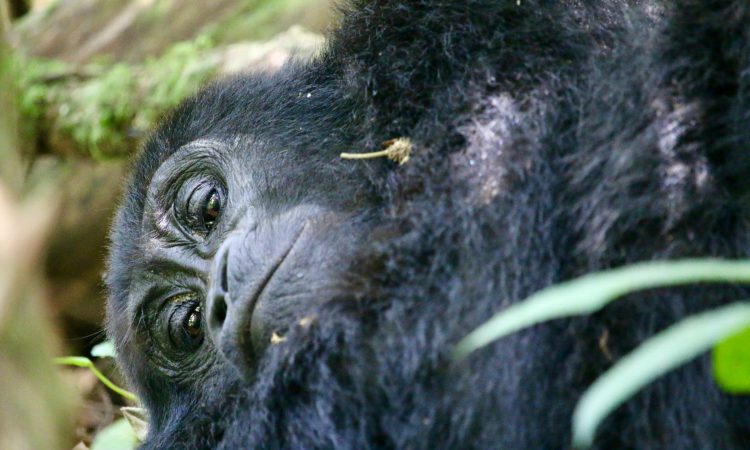
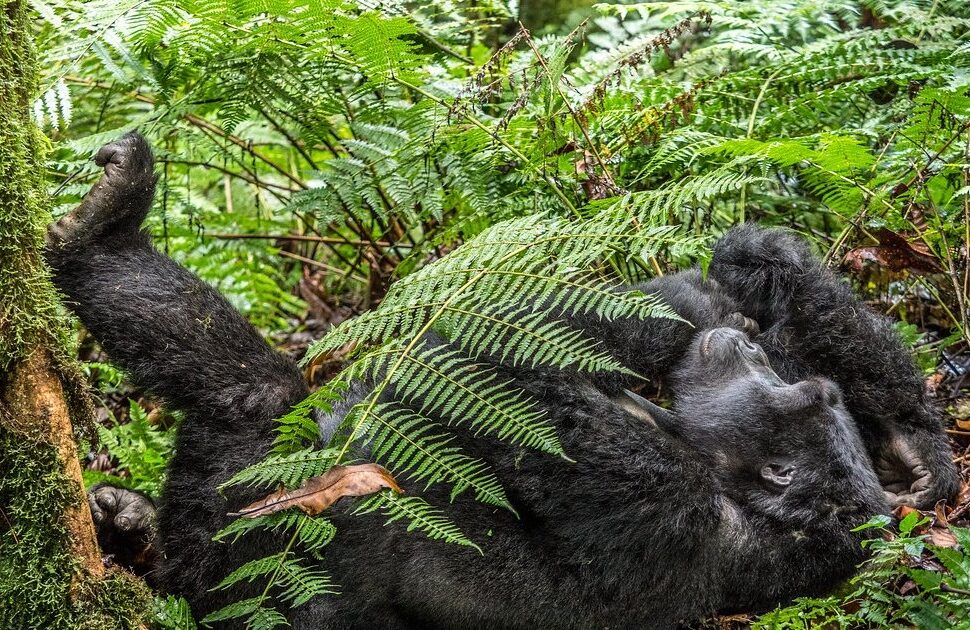
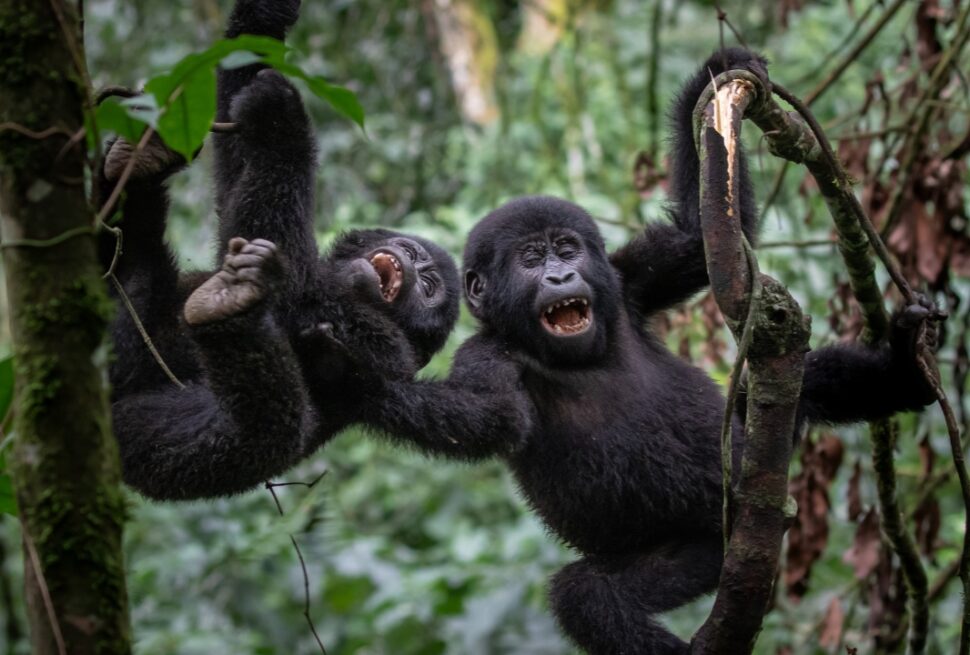
- Day 6 — Gorilla trekking at Bwindi. Pre-dawn briefing, forest walk, one hour with the gorilla family, walk back. The hardest and most memorable day of the week.
- Day 7 — Bwindi to Entebbe. Long drive back to Entebbe (7–9 hours) or a short flight from Kihihi airstrip to Entebbe (approximately 1 hour). Buffer evening in Entebbe before the international flight.
Two structural notes on this route. First, the two trekking days fall on days 2 and 6, which gives a natural rhythm: a trek, two days of driving and game viewing, a trek, then departure. Second, the return leg from Bwindi to Entebbe is the longest single drive of the trip, and it is often done on the final day. If your international flight is early the following morning, a buffer night in Entebbe is worth building in.
How should you structure the week?
How you structure the primate safari Uganda 7 days depends on what you want to prioritise. The two treks are fixed; the variable is how much time you spend between them. Three structural choices shape the week.
| Structure | Nights at each park | Emphasis |
|---|---|---|
| Kibale-heavy | 3 Kibale, 1 QE, 3 Bwindi | More primate time; less game viewing |
| Balanced (standard) | 2 Kibale, 2 QE, 3 Bwindi | Two primate treks plus a full savannah segment |
| Bwindi-heavy | 2 Kibale, 1 QE, 4 Bwindi | Full gorilla experience; room for a second trek or more rest |
All three structures fit the same 7-day window. Which one suits you depends on whether you prioritise primates, game viewing or rest.
The balanced structure is the standard recommendation. Two nights at Kibale gives you the chimp trek and the Bigodi walk. Two nights at Queen Elizabeth gives you a game drive and the Kazinga Channel boat safari. Three nights at Bwindi gives you the gorilla trek plus a recovery day. It is a well-paced week that covers both primatology and game viewing without feeling rushed.
The Kibale-heavy structure suits travellers who are primarily interested in primates and are happy to spend less time on game drives. The extra night at Kibale allows the night forest walk or a second Bigodi visit. Our guide on the other primates in Kibale Forest covers what the additional time can be used for.
The Bwindi-heavy structure suits travellers who want the full gorilla experience and are willing to sacrifice one night at Queen Elizabeth. The extra night at Bwindi can be used for a second gorilla trek on a different sector (which requires a second permit) or simply for rest. Our guide on the Kibale and Bwindi combined safari covers the two-park version in more detail if you decide to cut Queen Elizabeth entirely.
What can you not fit into seven days?
A primate safari Uganda 7 days is comfortable for two treks and one savannah stop, but it is genuinely too short for several of Uganda’s other experiences. Being honest about what does not fit prevents the itinerary from becoming a race.
- The full-day chimpanzee habituation experience. The habituation runs from dawn to dusk and uses a full day. Adding it to a seven-day route would mean losing one of the other segments. It works best on a dedicated Kibale itinerary of three or more nights.
- A second gorilla trek. A second gorilla trek requires a second permit, a second trekking day, and an additional night at Bwindi. Seven days can accommodate it if you drop Queen Elizabeth entirely, but not if you keep the savannah stop.
- Mgahinga Gorilla National Park. Mgahinga sits in the far south-west and adds another gorilla trekking option, plus golden monkey trekking and volcano hiking. It is a natural extension for a ten- to twelve-day trip but not a seven-day one.
- Uganda’s northern parks. Murchison Falls and Kidepo Valley are on the northern circuit and are geographically separate from the primate route. Combining them with a southern primate trip adds at least four days of driving.
- Rwanda. Adding Volcanoes National Park in Rwanda extends the itinerary by at least two days, plus border crossing time. It is a strong option for a ten-day trip but not a seven-day one.
- Lake Bunyonyi relaxation. The lake near Kabale is a common post-trek stop, but adding it to a seven-day route means sacrificing a night at Bwindi or Queen Elizabeth. It works better on longer itineraries.
The general principle is that seven days is the correct length for the two-trek core — chimps at Kibale, gorillas at Bwindi, with Queen Elizabeth as the bridge. Everything beyond that is an addition for a longer trip. Travellers who want more should plan eight, ten or twelve days rather than trying to compress the additional experiences into a week.
How does the route extend if you have more time?
If you have more than seven days, the primate safari Uganda 7 days route extends naturally in three directions. The most common addition is Mgahinga Gorilla National Park for a second gorilla trek in a different park and a golden monkey trek on the same visit. The second is a Rwanda extension for Volcanoes National Park. The third is a Lake Bunyonyi or Lake Mburo stop for lakes and relaxation.
| Extension | Adds | Additional days |
|---|---|---|
| Mgahinga Gorilla National Park | Second gorilla trek, golden monkeys, volcano hiking | 2–3 |
| Rwanda — Volcanoes National Park | Second gorilla trek in Rwanda | 2–3 |
| Lake Bunyonyi | Lakeside relaxation, canoeing, island hopping | 1–2 |
| Lake Mburo National Park | Savannah stop on the return to Entebbe | 1 |
| Kibale habituation | Full-day chimp experience | 1–2 |
| Queen Elizabeth Ishasha extension | Deeper coverage of the southern sector | 1 |
Extensions are additive to the 7-day core. Each is booked as part of the wider itinerary, and additional permits may be required for additional treks.
The Mgahinga extension is the most popular. Adding two or three nights at Mgahinga after Bwindi gives a second gorilla trek (Nyakagezi is the only habituated family at Mgahinga), a golden monkey trek, and the option of a volcano hike. The drive from Bwindi to Mgahinga is roughly an hour, so the extension is logistically smooth. Our guide on the golden monkey trekking at Mgahinga covers the additional trek.
The Rwanda extension adds two or three days and requires crossing the Cyanika border. The most common format is Bwindi to Volcanoes National Park for a second gorilla trek in Rwanda, then return to Entebbe or continue to Kigali for the flight home. The route is well established but adds permit costs and border logistics.
When is the best time for a primate safari Uganda 7 days?
The best time for a primate safari Uganda 7 days is the drier months — December to February and June to September. The trails at Kibale and Bwindi are firmer, the transfer roads are more predictable, and the game viewing at Queen Elizabeth is easier in the thinner vegetation. The wet months of April, May and November are workable but slower, and the transfer days can stretch significantly in heavy rain.
Three practical points on timing:
- Dry season is easier. Firm trails, better road conditions, better game viewing. The itinerary flows more smoothly overall. December to February and June to September are the peak windows.
- Wet season is more affordable. Permits and lodges are more available and often less expensive in April, May and November. The trade-off is muddier trails and slower driving, but the primate experiences are equally good.
- Peak-season permits need early booking. Both the chimp permit at Kibale and the gorilla permit at Bwindi sell out months ahead for peak-season dates. Book six to twelve months ahead for the June–September and December–February windows.
The wider country map is on the Uganda destinations page, and the country-level tourism overview sits with the Uganda Tourism Board. The two-permit structure of the trip means that both permits should be booked well ahead of peak-season dates, and the gorilla permit should be confirmed before the lodges and transfer days are finalised.
How do you book a 7-day primate safari?
You book a primate safari Uganda 7 days by confirming both permits, choosing lodges for each stop, and arranging a vehicle and driver-guide for the full route. The permits are the schedule anchors; everything else fits around them.
What to arrange before the trip
- Gorilla permit at Bwindi — sector, date, paid in full at booking
- Chimpanzee trekking permit at Kibale — date, paid in full at booking
- Lodges at Kibale, Queen Elizabeth and Bwindi — matched to the permit dates
- Vehicle and driver-guide for the full 7-day route
- Queen Elizabeth game activities — game drives and the Kazinga boat safari
- Porter arrangements for both treks if you want one
- Any mobility or fitness notes shared with the operator in advance
- Buffer night in Entebbe before the international departure
Two things are worth confirming when you book. First, the gorilla permit sector determines the Bwindi lodge — Buhoma permits need a Buhoma lodge, Rushaga permits need a Rushaga lodge. Book the permit first, then match the lodge. Second, the standard chimp trek at Kibale is the right choice for a 7-day route; the habituation experience is a full-day format and does not fit. Our guide on Kibale chimpanzee permit availability covers the seasonal patterns for the chimp side.
The wider combination options — the two-park version without Queen Elizabeth and the Kibale-plus-Queen-Elizabeth format without Bwindi — are covered in the guides on the Kibale and Bwindi combined safari and the Kibale and Queen Elizabeth safari. The full trip formats are listed on the trips page linked below, and the primate activities across Uganda are covered on the primate tracking experiences page.
Common mistakes with a 7-day primate safari
Most of what goes wrong with a primate safari Uganda 7 days comes down to a small set of avoidable mistakes, and all of them can be prevented with one careful planning conversation.
- Only six days. Six days compresses the route to the point where the transfers feel rushed and the treks are back-to-back. Seven is the practical minimum; eight is more comfortable.
- Booking the chimp permit before the gorilla permit. The gorilla permit is the scarcer of the two. Book it first and fit the chimp trek around it.
- Skipping the Queen Elizabeth stop. The direct Kibale to Bwindi transfer is a full day with no game viewing. Breaking it at Queen Elizabeth adds a savannah segment and makes the driving manageable.
- Scheduling a trek on a transfer day. The transfers between parks are long. Do not try to combine them with a morning activity.
- Not building in a buffer night at Entebbe. The Bwindi to Entebbe drive is seven to nine hours. A spare night before the international flight removes the risk of a late arrival.
- Booking a habituation permit by mistake. The full-day format does not fit a 7-day route. Book the standard chimp trek instead.
- Underestimating the gorilla trek. The Bwindi trek is the hardest day of the week. A recovery day afterwards makes the return to Entebbe much more manageable.
- Travelling with children under 15. Both treks have a minimum age of 15. Families with younger children need to plan a different kind of trip or an alternative itinerary for them.
Can one permit cover two people?
No. One permit covers one person for one trek, and this applies to both the chimp permit at Kibale and the gorilla permit at Bwindi. A couple doing a primate safari Uganda 7 days needs four permits in total — two chimp permits and two gorilla permits. A family of four needs eight. Each permit is tied to a named individual, and there is no way to share one or transfer it to another person. Current permit categories and rates sit on the gorilla permits Uganda page.
The two permit types use separate allocations. The chimp permit pool at Kibale and the gorilla permit pool at Bwindi operate independently, and the daily caps apply separately. A party of eight fills a full day’s allocation at either park, so large groups need to book both permits especially early.
Once both permits are confirmed, the specific community or family you follow is allocated on the morning of each trek. You will know your sector or site in advance because it is on the permit; you will learn your specific family or community at the briefing alongside everyone else. The regulatory framework is set by the Uganda Wildlife Authority.
Afraeka field note: A traveller once asked us whether a primate safari Uganda 7 days was “enough time to do it properly” or whether he should stretch it to ten days. We told him honestly that seven days is the right minimum for the two-trek core and that anything less starts to feel rushed, but that ten days only makes sense if he wanted to add Mgahinga or a second gorilla trek. He booked the seven-day version. On the trip, he did the chimp trek on day two, the gorilla trek on day six, and spent the days between at Queen Elizabeth with the boat safari and the Ishasha lions. His message afterwards was that the pacing had been exactly right — the two trekking days felt spaced out, the savannah stop had given the week variety, and he had not felt rushed at any point. What he had not anticipated was that seven days would feel like enough. Travellers often assume they need longer than they do. For chimps, gorillas and one savannah stop, seven days is the honest answer.
A question that comes up regularly on TripAdvisor’s Uganda forum and on r/Uganda is some version of: “Is 7 days enough for chimps and gorillas in Uganda?” The honest answer is yes — seven days is enough for both trekking experiences plus a savannah stop, provided the itinerary is structured around the two permits and the transfers are broken sensibly. What seven days does not allow is a second gorilla trek, the full-day chimp habituation, Mgahinga or Rwanda. Those are the additions that push the trip to ten or twelve days, and they are worth adding if you have the time. But for the two-trek core, seven days is the right length.
Frequently asked questions
Is 7 days enough for a Uganda primate safari?
Yes. Seven days is the practical minimum for chimpanzee trekking at Kibale and gorilla trekking at Bwindi with a savannah stop at Queen Elizabeth in between. Fewer days start to feel rushed; more days allow extensions like Mgahinga or a second gorilla trek.
What parks should I include in a 7-day primate safari?
The standard route includes Kibale Forest for the chimp trek, Queen Elizabeth National Park as the transfer stop and savannah segment, and Bwindi Impenetrable National Park for the gorilla trek. Mgahinga and Rwanda are optional extensions for longer itineraries.
Which park comes first — Kibale or Bwindi?
Kibale first. The route moves steadily south-west from Entebbe through Kibale and Queen Elizabeth to Bwindi, then returns to Entebbe. Doing the easier chimp trek at Kibale first also builds acclimatisation and confidence for the harder gorilla trek at Bwindi.
Do I need two permits for a 7-day primate safari?
Yes. One chimpanzee trekking permit at Kibale and one gorilla trekking permit at Bwindi per person. The two permits are separate documents with separate allocations and separate bookings. Both require passport details, full payment at booking, and are non-refundable and non-transferable once issued.
How far in advance should I book?
Six to twelve months ahead for peak-season dates (June to September and December to February). Both the chimp permit and the gorilla permit sell out months ahead in peak season. Low-season dates in April, May and November are more forgiving and can sometimes be booked three to six months ahead.
Can I add a second gorilla trek to a 7-day safari?
Only if you drop the Queen Elizabeth stop. A second gorilla trek requires a second permit, a second trekking day, and an additional night at Bwindi — which does not fit alongside the savannah segment in seven days. It fits comfortably in nine or ten days.
What is the minimum age for both treks?
15 years for both chimpanzee trekking and gorilla trekking. Families with children under 15 cannot do either trek on this route. The Bigodi Wetland Sanctuary walk, the Kibale night forest walk, and the Queen Elizabeth game drives have no minimum age, and can fill the itinerary for younger children.
Should I break the Kibale to Bwindi transfer?
Yes — the direct drive is seven to nine hours and is not a comfortable single-day transfer. Breaking it at Queen Elizabeth turns the transfer into a game-viewing segment and makes the driving manageable. Most 7-day itineraries do this as standard.
Can I fly between the parks instead of driving?
There are no scheduled flights between Kibale and Bwindi. Domestic charter flights can be arranged via Entebbe or Kajjansi, but the drive is the standard option. Flights are best used for the return from Bwindi to Entebbe at the end of the trip, from Kihihi airstrip.
Planning a 7-day primate safari?
Send us your dates, party size and how many days you have, and we will check permit availability at both parks, recommend the route order and the number of nights at each stop, and outline how the transfers fit together. If seven days is tight for what you want to include, we will tell you honestly what to add or remove. No price figures until we know your route, because the permits are only one line of the total.
Plan your 7-day primate safari
About the author: Victoria Kayaga is a Ugandan-born safari expert and founder of Afraeka Adventures, with 15+ years in East African tourism. Based in Kampala, she has planned primate-focused itineraries across Kibale, Bwindi, Mgahinga and Queen Elizabeth for years, and she advises travellers on fitting Uganda’s headline experiences into realistic trip lengths. More about Victoria.
Keep planning