A Rwanda gorilla porter is the most underrated part of a trekking day. Porters are hired at the park headquarters before departure, they carry bags, they steady trekkers on difficult ground, and they are usually the people who know the trail best after the trackers themselves. The fee is modest, it goes directly to local people, and the difference a porter makes on a wet descent is larger than most first-time trekkers expect.
This article covers what a porter actually does, where and when the hire happens, what it costs and how the fee is structured, what to give them to carry, and the etiquette around tipping. It also covers the honest question of whether a porter is necessary if you are fit — because the answer is more nuanced than a simple yes.
The Rwanda gorilla trekking guide covers the permit and the trekking day. This article is about the porter specifically.
Rwanda Gorilla Porter: The Short Answer
Three practical points cover most of it.
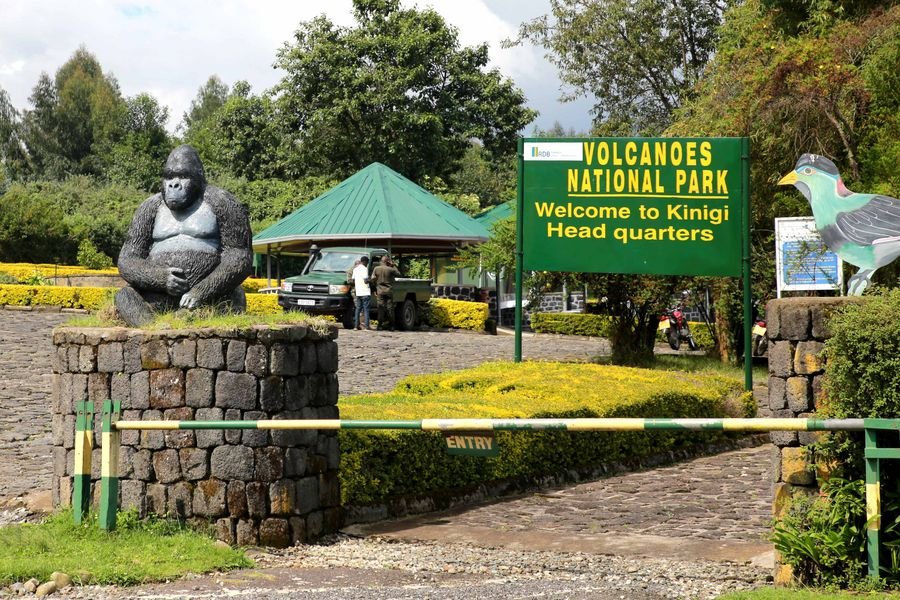
Porters are hired at the park headquarters, on the morning of the trek. In Rwanda that means at Kinigi, before the briefing and the transfer to the trailhead. The hire is arranged on the day rather than booked months in advance.
The fee is set locally and paid in cash. It is not a fixed national rate in the way the gorilla permit is, and it should be confirmed at the time of booking rather than assumed from an article. Cash is required — cards are not part of this transaction.
A porter is not mandatory, but is strongly recommended. The recommendation holds even for fit trekkers, for reasons set out below that have as much to do with the descent and the local economy as with the ascent.
What a Porter Actually Does
The job is often described as carrying bags, which undersells it. A porter on a Rwanda gorilla trek does several things at once.
Carries the day pack
The most visible part of the job. Trekkers carry a day pack with waterproofs, water, snacks, camera gear and a change of layer, and a porter carries it for them. On a steep, wet trail this is the difference between walking and walking with weight.
Porters will also carry items a trekker cannot easily manage — a second camera body, a tripod, or the waterproof layer that gets shed once the climb starts and needs to be somewhere other than in the way.
Steadies trekkers on difficult ground
This is the part that matters most and is least expected. Bwindi and the Virunga slopes are steep, the ground holds water, and the descent is where slips happen. A porter offers a hand or an arm on the sections where footing is uncertain, and walks at the pace of the slowest member of the group.
For older trekkers, or anyone with knee, hip or balance concerns, this is the strongest argument for hiring one — stronger than the bag-carrying.
Knows the trail and the terrain
Porters are usually local to the area around the park and know the trails, the stream crossings and the sections that become difficult after rain. They work alongside the trackers who cut the route, and many have walked the same ground many times.
Adds a local wage to the trekking economy
Porter work is one of the most direct ways that gorilla tourism money reaches local households — more direct than revenue sharing, which is distributed through districts and sub-counties. The fee is paid person to person on the day. That is part of why the recommendation to hire one is made so consistently, including by operators who gain nothing from it.
Where and When Porters Are Hired in Rwanda
In Rwanda, porters are hired at the Volcanoes National Park headquarters at Kinigi, on the morning of the trek, before the group transfers to its trailhead.
The sequence matters for planning. Registration, the briefing and family allocation happen first, and porter hire sits alongside them — which is why the Kinigi briefing guide lists porter hire as one of the stages of the morning rather than as a separate arrangement.
Two practical consequences follow.
- Bring cash to Kinigi. The fee is paid on the day, in cash. Trekkers who arrive without cash cannot hire a porter, and the nearest ATM is not at the park gate.
- Arrive with the kit already organised. The morning is not the time to repack a suitcase. A day pack that is ready to hand over makes the hire straightforward.
The number of porters available on a given day is not something this article can state, because it depends on how many trekkers are going out and how many porters have turned up to work. In practice the system is well established and porters are available for trekking groups, but it should not be assumed that a specific porter can be requested in advance.
What It Costs
The porter fee is set locally rather than nationally, and it is not a figure that can be quoted reliably from a general article. The confirm current rate when booking rule applies here more than almost anywhere else in a Rwanda trip.
What can be said with confidence is how the cost behaves.
It is small relative to the trip. Against a $1,500 gorilla permit, the porter fee is a minor line. That is part of the argument for hiring one: the cost is trivial in the context of the overall budget and the benefit is not.
It is paid in cash, directly. Not billed to the lodge, not added to the operator’s invoice. Cash, on the day, at Kinigi.
It is separate from the tip. The fee is the hire; a tip is additional and discretionary. Both should be budgeted for.
It is per porter, per trek. A group may hire more than one porter, and a trekker who wants their own bag carried should expect to hire their own porter rather than share one across a group.
Ask the operator for the current figure before travel so that the right amount of cash is carried, and confirm it again at the park office on the morning in case it has changed.
Do You Need a Porter If You Are Fit?
The honest answer is that fitness reduces the need for bag-carrying but does not eliminate the case for hiring one.
Where fitness matters: a fit trekker can carry their own day pack on the ascent without difficulty, and on a dry day with a short walk in, the bag-carrying benefit is modest.
Where fitness does not help: the descent. Steep, wet ground is where slips happen, and being fit does not make a muddy slope less slippery. This is the part of the day where a porter’s steadying hand is genuinely useful regardless of fitness.
The other considerations: the altitude affects everyone differently, and a trekker who is fine on the ascent can feel it on the way back. And the local-economy argument applies whether or not the bag-carrying is needed.
The reasonable position is that a porter is worth hiring on almost every trek, and is close to essential for older trekkers, anyone with knee or balance concerns, and anyone trekking in the wetter months. The gorilla trekking low season article covers why the wet months change the footing.
What to Give a Porter to Carry
Porters are not a luggage service and the arrangement works best when the load is a day pack rather than a suitcase. What to hand over:
- The day pack itself — with waterproofs, water, snacks, sun protection and the camera if it fits
- The waterproof layer once it is shed — the climb warms up quickly, and having somewhere for the jacket to go is useful
- A camera bag or second lens — if the trekker wants both hands free
- A change of clothes for the return — left at the lodge in most cases, but a dry shirt in the pack is worth having
What to keep with you: passport, permit confirmation, cash for the tip, and anything you would not want to be separated from. A porter is a stranger on the morning of the trek, however reliable the system, and valuables belong on the person.
The full kit list for the trekking day is covered in the Rwanda gorilla trekking guide.
Tipping and Etiquette
Tipping is discretionary and separate from the porter fee. It is not built into the price and not compulsory, but it is customary and expected in a modest way.
No amounts are given here, because tipping norms shift and a figure quoted in an article can quickly become either stingy or excessive. Ask the operator or the guide for current guidance, and carry small notes so a tip can be given without needing change.
A few points of etiquette that apply to porters as much as to guides:
- Greet the porter before handing over a bag. The greeting is the opening of the interaction, as it is everywhere in Rwanda.
- Agree what is being carried before setting off, so the load is clear to both parties.
- Tip at the end, in person, in cash. A tip handed to a coordinator to distribute is not the same thing.
- Do not photograph the porter without asking. The same courtesy applies as to anyone else on the trek.
Kinyarwanda greetings for the interaction are covered in Kinyarwanda phrases for tourists.
What a Rwanda Gorilla Trekking Trip Costs
Verified costs are set out below. The permit and visa figures are fixed and confirmed; the porter fee and other elements are set locally or by the operator and should be confirmed at the time of booking.
| Element | Where | Price (per person) |
|---|---|---|
| Rwanda gorilla permit | Volcanoes National Park — no low season discount | $1,500 |
| Rwanda e-visa — single entry | Applied for at irembo.gov.rw before travel | $50 |
| Rwanda e-visa — multiple entry | Applied for at irembo.gov.rw before travel | $70 |
| East African Tourist Visa | Uganda + Kenya + Rwanda, 90 days multi-entry; does not cover Tanzania | $100 |
| Porter fee | Volcanoes National Park headquarters, Kinigi — paid in cash on the day | Confirm current rate when booking |
| Porter tip | Paid directly, in cash, at the end of the trek | Ask the operator or guide for current guidance |
| Golden monkey permit | Volcanoes National Park | Confirm current rate when booking |
| Akagera National Park fees | Akagera National Park | Confirm current rate when booking |
| Nyungwe activity fees | Nyungwe National Park | Confirm current rate when booking |
| Airport transfer and road transport | Kigali and the national park circuit | Confirm current rate when booking |
| Lodges and meals | Varies by standard and season | Confirm current rate when booking |
Permit and park fees are set by the Rwanda Development Board and revised periodically. Verify current rates before travel (verify current requirements before travel — rules change).
Frequently Asked Questions
Do I need a porter for gorilla trekking in Rwanda?
A porter is not mandatory, but is strongly recommended. Porters carry day packs, steady trekkers on steep and wet ground, and know the trails. The steadying help on the descent is useful regardless of fitness, and the fee goes directly to local households.
How much does a porter cost in Rwanda?
The fee is set locally rather than nationally and changes over time, so no figure is given here. Confirm the current rate with the operator before travel and carry enough cash to pay it at Kinigi on the morning. It is small relative to the $1,500 permit.
Where do I hire a porter?
At the Volcanoes National Park headquarters at Kinigi, on the morning of the trek, alongside registration and the briefing. The fee is paid in cash on the day, so trekkers should arrive with cash rather than relying on finding an ATM near the park.
What does a porter carry on a gorilla trek?
A day pack with waterproofs, water, snacks, sun protection and camera gear, plus items like a second lens or a shed waterproof layer. Valuables such as passports, permit confirmation and tip cash should stay with the trekker rather than being handed over.
Should I tip my porter?
Tipping is discretionary and separate from the fee, but customary. Ask the operator or guide for current guidance, carry small notes, and tip in person at the end of the trek rather than handing money to a coordinator to distribute.
Can a porter carry my camera bag?
Yes, and many do. A camera bag or second lens is a common item to hand over, particularly where the trekker wants both hands free on steep ground. Keep the camera itself accessible if you want to photograph during the trek.
Who are the porters and where do they come from?
Porters are usually local to the area around the park. The work is one of the most direct ways that gorilla tourism money reaches local households, because the fee is paid person to person on the day rather than distributed through districts and sub-counties.
Is a porter worth it if I am fit?
Often yes. Fitness reduces the need for bag-carrying but does not change the descent, where steep wet ground is slippery regardless of how fit the trekker is. Older trekkers and anyone with knee or balance concerns should treat a porter as close to essential.
How to Book
The porter fee is arranged on the day at Kinigi rather than booked in advance, but the permit and the night before the trek are worth confirming early. Afraeka Adventures is a licensed Ugandan operator based in Entebbe and Kampala, running safaris and primate trekking in Uganda, Rwanda, Kenya and Tanzania since 2018.
Contact Afraeka Adventures at info@afraekaadventures.com or use the enquiry form on our website with your dates, group size, fitness levels and whether the trek is the main purpose of the trip or part of a longer Rwanda itinerary. Useful starting points:
- Rwanda gorilla trekking — the permit, the trekking day and the full kit list
- Rwanda safaris — itineraries across the country
- Uganda and Rwanda tours — combined itineraries
- East Africa multi-country safaris
- All tour packages
- Enquiry form