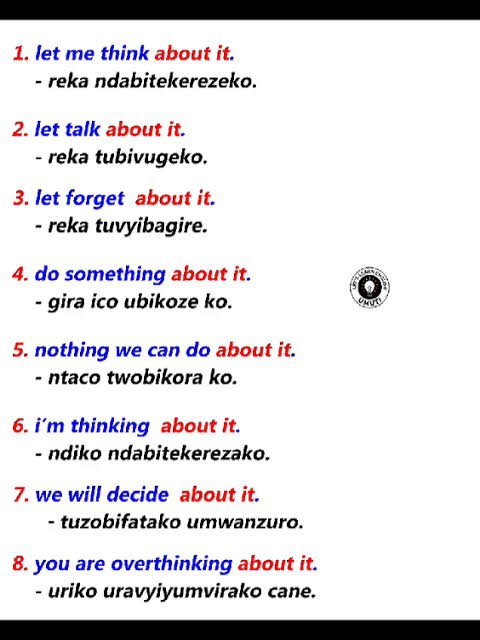
A short list of Kinyarwanda phrases for tourists is worth carrying into Rwanda, not because English will fail you — in Kigali and on the safari circuit it usually will not — but because the greeting is the point. Rwandan social interaction opens with an exchange of greetings before any business is conducted, and a visitor who knows the first two lines of that exchange is treated noticeably differently from one who launches straight into a question.
This article sets out the phrases that come up most often, how to pronounce them, the etiquette around them, and a handful of cultural words that explain things you will see and hear on a Rwanda safari. It is a practical companion, not a language course.
Why a Few Kinyarwanda Phrases Go a Long Way
Rwanda is a multilingual country and visitors are not expected to speak Kinyarwanda. Guides, hotel staff, drivers and park officials all work in English. The reason to learn a few phrases is social, not practical. Attempting the greeting is read as a mark of respect, and the effort is usually met with warmth and, frequently, a short impromptu lesson.
The reverse is also true. Skipping the greeting and opening with a direct question — “where is the trailhead”, “how much is this” — reads as abrupt. In rural areas around Volcanoes National Park and in markets, the difference is more pronounced than in Kigali.
The Languages of Rwanda
Kinyarwanda is the national language and the first language of the great majority of Rwandans. It is spoken across the country and is mutually intelligible with Kirundi, the language of neighbouring Burundi.
Rwanda has four official languages: Kinyarwanda, English, French and Swahili. Swahili was added as an official language in 2017, and it is heard in trade, in the police and military, and along the borders. French remains in use in administration and in some media, a legacy of the pre-1994 period. English has been the primary language of instruction in schools since 2008.
For a visitor the practical result is this: English works in Kigali, in hotels, in national parks and with any licensed guide. In rural markets and villages, Kinyarwanda is the working language and English may be limited. Swahili is a useful fallback in some settings but is not the local language, and greeting someone with “jambo” is a small tell that the phrase came from a general East Africa list rather than a Rwanda one.
Basic Kinyarwanda Phrases for Tourists
The phrases below are the ones that come up in ordinary travel situations. They are standard forms rather than deep rural dialect, and a guide will happily correct pronunciation. Kinyarwanda is a tonal language and tone is not marked in ordinary writing, so the written form understates what you will hear.
Greetings — the essential set
These carry the most social weight. The pattern is a greeting, then “Amakuru?” (how are you), then the reply “Ni meza” (fine).
| Kinyarwanda | English | When it is used |
|---|---|---|
| Muraho | Hello | The general greeting, to one person or a group |
| Mwaramutse | Good morning | Morning greeting |
| Mwiriwe | Good afternoon / good evening | From midday onwards |
| Muramuke | Good night | Late evening greeting |
| Amakuru? | How are you? | Literally “what is the news?” — follows the greeting |
| Ni meza | Fine | The standard reply to Amakuru? |
| Urabeho | Goodbye | To one person |
| Murabeho | Goodbye | To a group, or respectfully |
| Murakaza neza | Welcome | To a group, or respectfully |
| Ikaze | Welcome | To one person |
Please, thank you and courtesy
| Kinyarwanda | English | Note |
|---|---|---|
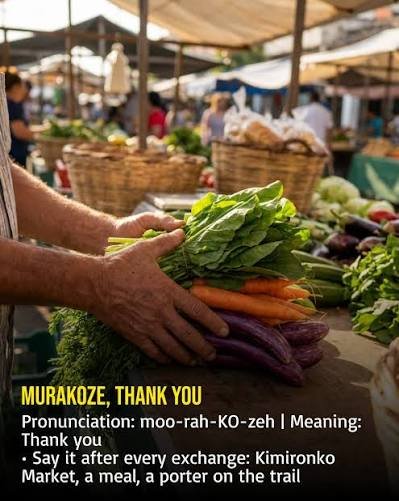
| Murakoze | Thank you | To a group, or respectfully — the safe default with strangers |
| Urakoze | Thank you | To one person, less formal |
| Murakoze cyane | Thank you very much | Cyane intensifies |
| Nyamuneka | Please | Attached to a request |
| Mbabarira | Excuse me / sorry | For getting attention or apologising |
| Yego | Yes | |
| Oya | No |
Getting by — practical phrases
| Kinyarwanda | English | Note |
|---|---|---|
| Uvuga icyongereza? | Do you speak English? | Useful in rural markets |
| Uvuga igifaransa? | Do you speak French? | Occasionally useful with older Rwandans |
| Sinumva | Not understood | A polite way to signal a language gap |
| Ni angahe? | How much is it? | For markets and small purchases |
| Ndashaka amazi | Water, please | Ndashaka is the pattern for “would like” plus a noun |
Numbers one to ten
Counting is genuinely useful in markets. Kinyarwanda numbers agree with the noun class of what is being counted, so forms vary slightly depending on the object. The set below is the basic counting form and will be understood.
| Number | Kinyarwanda |
|---|---|
| 1 | Rimwe |
| 2 | Kabiri |
| 3 | Gatatu |
| 4 | Kane |
| 5 | Gatanu |
| 6 | Gatandatu |
| 7 | Karindwi |
| 8 | Umunani |
| 9 | Icyenda |
| 10 | Icumi |
Pronunciation: What to Expect
Kinyarwanda spelling is consistent, which makes it easier to read aloud than English. A few features do most of the work.
- Cy is pronounced “ch”. Cyane, meaning much or very, sounds like “chane”.
- Vowel length carries meaning. A doubled vowel is held longer, and that length can distinguish one word from another. Do not rush the vowels.
- R is lightly rolled. Softer than a Spanish r, not the English r.
- Stress is fairly even. Kinyarwanda does not use the heavy stress pattern English speakers expect, so resist the urge to emphasise one syllable.
- Tone matters but is not written. The same spelling can carry different meanings depending on pitch. Expect to be corrected, and expect the correction to be friendly.
Greeting Etiquette in Rwanda
Greeting is not optional small talk. It is the opening move of any interaction, and skipping it is the single most common mistake visitors make.
Greet first, then ask. A greeting, a moment for the reply, and then the question. This applies at a hotel desk, a market stall and a park gate.
Use the respectful forms with elders and officials. The “mura-” forms — muraho, murakoze, murabeho — are the respectful register, used with older people, officials and anyone you have not met. The shorter forms, such as urakoze and urabeho, are for peers and people you know.
Handshakes are standard. Follow the lead of the person being greeted. Some Rwandans will offer a hand, others will greet verbally; either is normal and neither is a slight.
Expect “muzungu” from children. The word means foreigner and is called out cheerfully, particularly in rural areas. It is not an insult, but it is also not a word visitors should use.
Cultural Words Worth Knowing
A few Kinyarwanda words explain things you will encounter on a Rwanda trip and do not translate neatly into an itinerary.
- Umuganda — community work. Held nationwide on the last Saturday of each month, from 8:00 to 11:00, when residents take part in shared projects such as road clearing or tree planting. Many businesses and services are closed during it, so a transfer or activity scheduled for that window should be checked in advance.
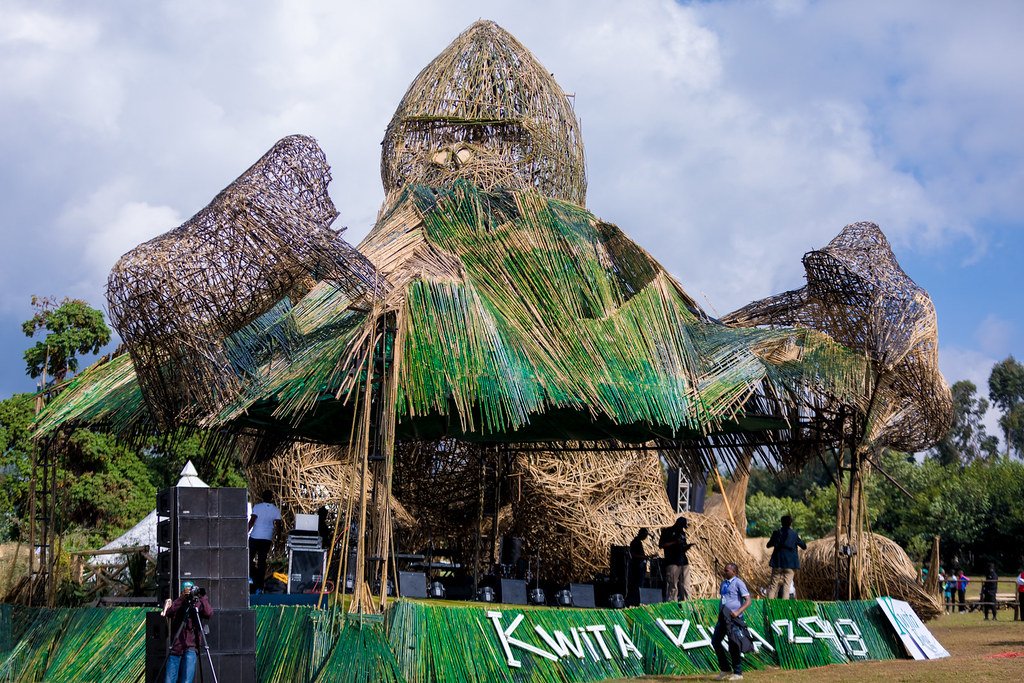
- Kwita Izina — the annual gorilla naming ceremony, held near Volcanoes National Park. The name means “to give a name”. The date varies by year and should be confirmed with the Rwanda Development Board.
- Ikinyarwanda — the language itself.
- Intore — the traditional dance troupe, and the dance form itself. Performances are common at cultural villages and lodge welcome events.
- Inyambo — the long-horned cattle central to Rwandan royal tradition, still kept and paraded at ceremonial occasions.
- Agaciro — dignity or worth. The word recurs in public life and in the name of the national development fund.
Where Kinyarwanda Helps Most — and Where It Does Not
In Kigali, in lodges, with drivers and guides and at park headquarters, English is the working language and a few phrases are a courtesy rather than a necessity.
In rural markets, at roadside stalls, in villages near the parks and in taxi-moto negotiations outside the city, Kinyarwanda is the language that actually functions. Numbers and “Ni angahe?” are the two most useful things to carry into those situations.
Swahili is worth recognising but not relying on. It is an official language and is used in parts of public life, but it is not the everyday language of most Rwandans. A visitor using Swahili phrases will usually be understood and occasionally answered in Swahili, but Kinyarwanda is the language that signals genuine effort.
What a Rwanda Trip Costs
Verified Rwanda trip costs are set out below. The permit and visa figures are fixed and confirmed; other Rwanda costs vary by operator, season and itinerary and should be confirmed at the time of booking.
| Element | Where | Price (per person) |
|---|---|---|
| Rwanda gorilla permit | Volcanoes National Park | $1,500 — no low-season discount |
| Rwanda e-visa — single entry | Applied for at irembo.gov.rw | $50 |
| Rwanda e-visa — multiple entry | Applied for at irembo.gov.rw | $70 |
| East African Tourist Visa | Uganda + Kenya + Rwanda, 90 days multi-entry; does not cover Tanzania | $100 |
| Golden monkey permit | Volcanoes National Park | Confirm current rate when booking |
| Akagera National Park fees | Akagera National Park | Confirm current rate when booking |
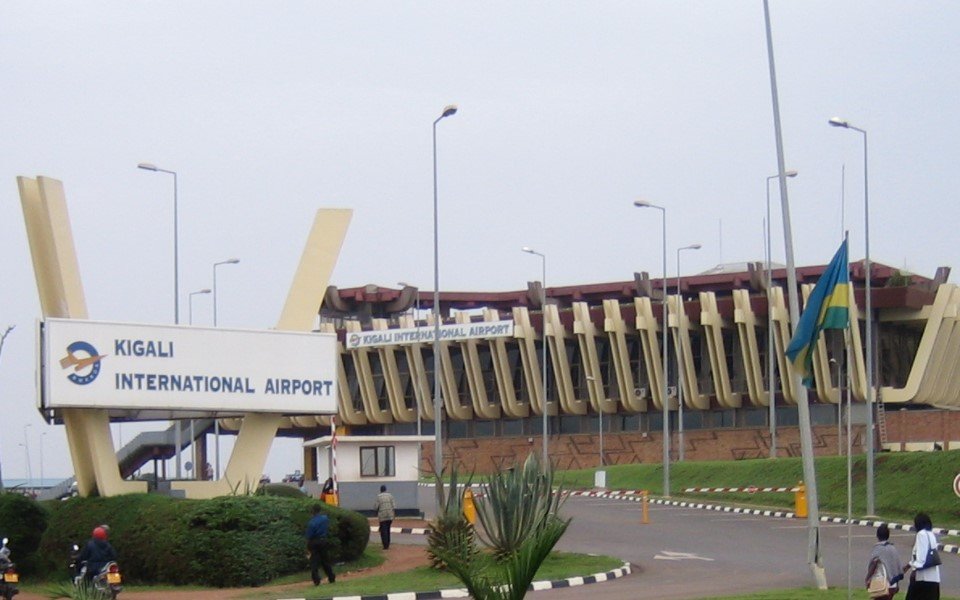
| Kigali airport transfer | Kigali International Airport to city hotels | Confirm current rate when booking |
Rwanda park fees and permits are set by the Rwanda Development Board and revised periodically. Verify current rates before travel (verify current requirements before travel — rules change).
Frequently Asked Questions
What language is spoken in Rwanda?
Kinyarwanda is the national language and the first language of most Rwandans. English, French and Swahili are also official languages. English is the main language of instruction in schools and is widely used in tourism.
How do you say hello in Kinyarwanda?
Muraho is the general greeting and works with one person or a group. Mwaramutse is good morning and Mwiriwe covers the afternoon and evening. The greeting is usually followed by “Amakuru?” and the reply “Ni meza”.
How do you say thank you in Kinyarwanda?
Murakoze is the respectful form and the safe default with strangers and officials. Urakoze is the less formal form for one person. Murakoze cyane means thank you very much.
Do Rwandans speak English?
In Kigali, in hotels, in national parks and with licensed guides, English is widely spoken. In rural markets and villages, English may be limited and Kinyarwanda is the working language. A few phrases and the numbers one to ten cover most of those situations.
Is Kinyarwanda hard to learn?
The pronunciation is more regular than English and the greetings are quick to pick up. The grammar is complex, with extensive noun classes and agreement, and it is a tonal language. For a short trip, learning greetings, thank you, please and the numbers is enough to change how interactions go.
Is Swahili spoken in Rwanda?
Swahili became an official language in 2017 and is used in trade, in the police and military, and near the borders. It is not the everyday language of most Rwandans, so Kinyarwanda is the more effective choice for a visitor.
Do you need French in Rwanda?
No. French remains in use in some administration and media and with some older Rwandans, but English is sufficient for travel. “Uvuga igifaransa?” is worth knowing if a conversation stalls, but it is not necessary.
How to Book
The phrases above are easier to practise in context, and a guide is usually happy to correct pronunciation on the drive to the trailhead. Afraeka Adventures is a licensed Ugandan operator based in Entebbe and Kampala, running safaris and primate trekking in Uganda, Rwanda, Kenya and Tanzania since 2018.
Contact Afraeka Adventures at info@afraekaadventures.com or use the enquiry form on our website with your dates, group size and the parks you want to include. Useful starting points:
- Rwanda gorilla trekking — permits, sectors and what a trekking day involves
- Rwanda safaris — itineraries across the country
- Uganda and Rwanda tours — combined itineraries
- Things to do in Kigali
- Kigali airport arrival guide
- East Africa multi-country safaris
- All tour packages
- Enquiry form