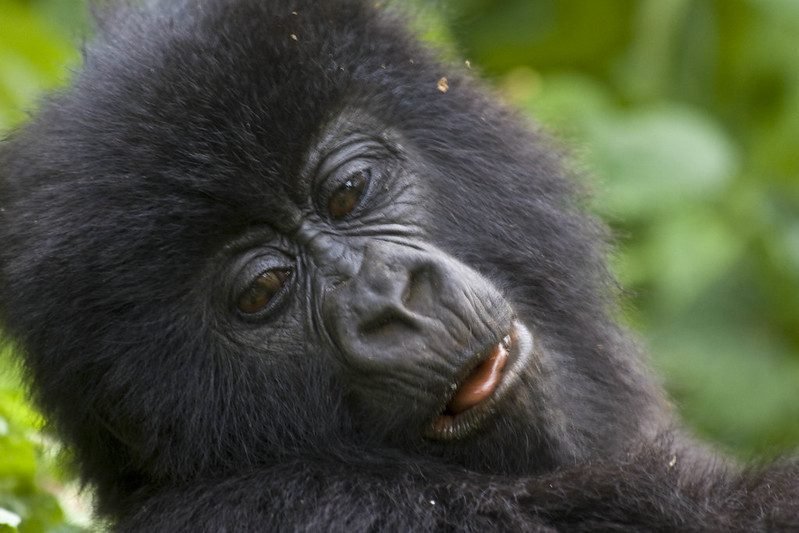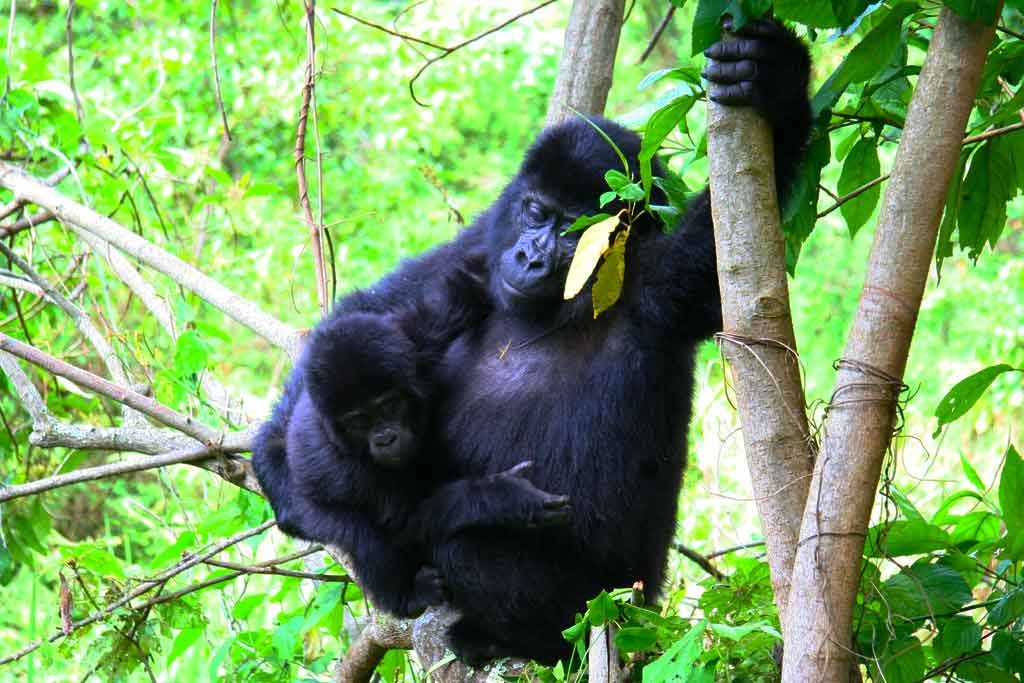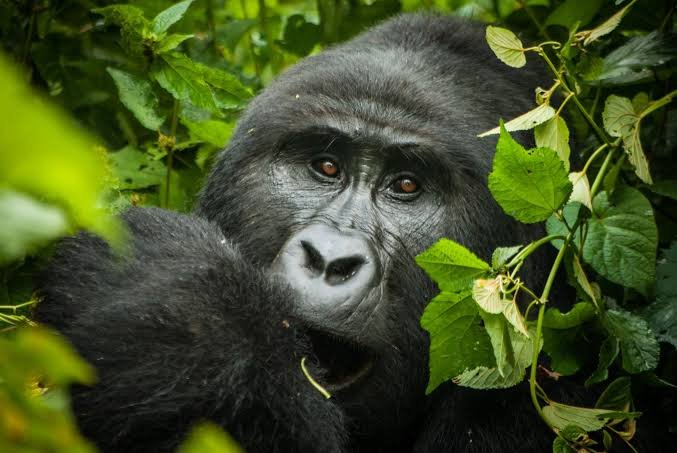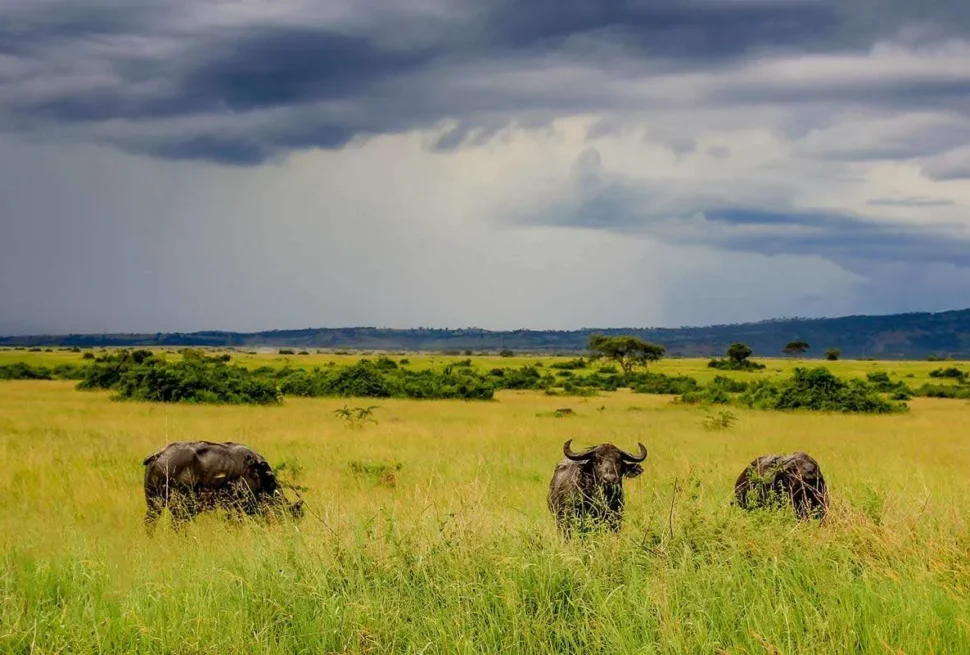
Gorilla trekking low season is a real, priced season in Uganda rather than a marketing phrase. The Uganda Wildlife Authority (UWA) sets a low-season gorilla permit rate of $600 per person for foreign non-residents in April, May and November, against $800 outside those months, in its Conservation Tariff for January 2027 to June 2028 (foreign residents pay $500 in those months instead of $700). That is a $200 saving per trekker on a fixed cost, and it is the single biggest reason travellers ask about trekking in the rains.
The discount is only half the story. Low season also means wetter trails, denser vegetation and a different kind of trekking day — and in Rwanda, no discount at all. This article sets out what actually changes, what does not, and who the low season genuinely suits.
Why Low Season Matters for Gorilla Trekking
Gorilla permits are the largest fixed cost in a Uganda gorilla trekking trip, and they are priced by season rather than by demand. The Uganda Wildlife Authority sets a discounted rate for three months of the year and a standard rate for the rest. The gorillas themselves are unaffected — they are wild, they are in the forest every day, and trekking runs year-round.
What changes in low season is the conditions: rainfall, trail surface, vegetation density and visitor numbers. Those conditions are the trade-off for the lower permit price.
It is worth being clear about the term. Low season in Uganda gorilla trekking means the discounted permit months, not an empty forest. April, May and November are wetter, and demand is lower, but popular dates and good lodges can still fill. A discounted permit is not a guarantee of availability on a specific date — book in advance.
What Gorilla Trekking Low Season Means for Permits
The Uganda permit structure is straightforward.
| Period | Uganda gorilla permit (per person) |
|---|---|
| April, May and November (low season) | From $600 |
| All other months | From $800 |
The saving is $200 per trekker, per trek. For a couple trekking once each, that is $400 — enough to change the arithmetic on a Uganda itinerary.
Two things the discount does not cover. First, it applies to the standard gorilla trekking permit only. The gorilla habituation experience in the Rushaga sector of Bwindi, which allows four hours with a habituated family instead of one, costs $1,800 per person for foreign non-residents from 1 January 2027 ($1,500 until 31 December 2026). The UWA tariff’s low-season table lists only gorilla tracking and chimpanzee tracking, so the habituation experience keeps its full price in April, May and November.
Second, the discount is Uganda-only. Rwanda sets its permit at $1,500 per person, and Visit Rwanda, the Rwanda Development Board’s official tourism site, listed no low-season rate for international visitors when we checked on 26 November 2026. A combined Uganda–Rwanda trip saves on the Uganda leg and nothing on the Rwanda leg.
Permits are issued by the Uganda Wildlife Authority and are date-specific. Book in advance, particularly if your dates are fixed by flights or a wider itinerary.
Weather and Trail Conditions in Low Season
Bwindi Impenetrable National Park and Mgahinga Gorilla National Park sit in high-altitude forest in south-west Uganda. The trek involves walking at altitude through dense vegetation, and low season means more water on the ground and more growth in the way.
April and May fall in Uganda’s long rains. November is the shorter, less sustained rainy period. In practical terms, a low season trek tends to involve the following.
- Wetter, muddier trails. The forest floor holds water, and the trails become slippery, particularly on descents. Footing is the main difference from a dry season trek.
- Denser vegetation. Rain drives growth, and the undergrowth the trackers cut through is thicker. Visibility of the gorillas once found is usually unaffected, but the approach can be slower.
- Longer trekking time. Wetter ground and denser vegetation can extend the walk in to the family. Trek duration already varies by where the family moved the previous night, but low season tends to push it toward the longer end.
- Rain at any point in the day. Downpours are typically short and heavy rather than all-day drizzle, but a trek can start dry and finish wet.
- Green, overcast conditions. The forest is at its most lush. Light is often flat and diffuse, which some photographers prefer and others do not.
None of this stops trekking. Treks run every day of the year, and the gorillas are found. The difference is comfort and effort, not whether the experience happens.
Specific month-by-month rainfall and temperature figures for Bwindi are not given here. Reliable local weather data should be confirmed closer to travel rather than taken from a general article, and conditions vary between the park’s sectors and trailheads.
Crowds, Availability and the Trailhead Experience
Visitor numbers in April, May and November are lower than in the peak months, and the effect is felt at the trailhead more than anywhere else.
Fewer trekkers means a quieter briefing, a less hurried ranger team and, at some trailheads, a better chance of a shorter transfer to the start of the trek. It also means less pressure on the tracked gorilla families, since group size is capped at eight visitors per family regardless of season.
The counterweight is availability. Popular lodges near the trailheads book out for peak dates well ahead, but low season dates are more open — which cuts both ways. It is easier to find a permit and a room at short notice, but the best-positioned lodges can still fill on specific dates. Book in advance for anything fixed.
Rwanda Has No Low Season
The Rwanda permit is $1,500 per person year-round. There is no discount in the rains and no discount in any other month. The same $1,500 applies to Volcanoes National Park in April and in August.
For a traveller comparing the two, this changes the low season calculation. A Uganda low season trek costs $600 against a Rwanda trek at $1,500 — a $900 difference per person. That gap is the reason many low season enquiries end up as Uganda itineraries, often combined with Rwanda for other reasons rather than for the permit price.
Rwanda’s permit, its sectors and its trekking rules are covered in the Rwanda gorilla trekking guide.
Who Low Season Suits and Who It Does Not
Low season suits:
- Travellers for whom the $200 per-person saving is meaningful — it is real money on a fixed cost
- Anyone comfortable walking in rain and mud, and prepared for the kit that requires
- Flexible travellers who can move a trek date if a particular day is especially wet
- Photographers who prefer green forest and soft light over harsh sun
- Travellers who value a quieter trailhead over dry boots
Low season does not suit:
- Travellers who want guaranteed dry trails and easy footing
- Anyone trekking with very young or elderly companions where slips are a genuine risk
- Travellers with a tight itinerary where a longer trek day could affect a flight or transfer
- Anyone whose main goal is bright, high-contrast photography
For a broader view of the trek itself, including fitness, altitude and how a trekking day runs, the Uganda gorilla trekking guide covers it. The Bwindi gorilla trekking page covers the park’s sectors and trailheads.
What to Pack for a Low Season Trek
The kit list for a low season trek is the dry season list plus waterproofing. The essentials:
- Waterproof jacket and trousers — a proper shell, not a poncho, and one you can walk in
- Waterproof gaiters — they keep mud and water out of boots and are the single most useful low season item
- Waterproof gloves — the vegetation is wet, and hands are on it constantly
- Dry bags or a waterproof liner for camera gear and a change of clothes in your daypack
- Boots with real grip — the descent is where slips happen
- Long sleeves and trousers — for vegetation and insects, regardless of temperature
- A change of clothes and footwear left at the lodge for the return
A porter is worth hiring in any season and especially in low season. Porters carry bags, steady trekkers on slippery sections and know the trail. The fee is set locally — confirm current rate when booking.
What a Gorilla Trekking Trip Costs
Verified costs are set out below. The permit, visa and habituation figures are fixed and confirmed. Other elements vary by operator, lodge and itinerary and should be confirmed at the time of booking.
| Element | Where | Price (per person) |
|---|---|---|
| Uganda gorilla permit — low season | Bwindi and Mgahinga, April, May and November | From $600 |
| Uganda gorilla permit — standard | Bwindi and Mgahinga, all other months | From $800 |
| Uganda gorilla habituation experience | Rushaga sector, Bwindi only — 4 hours; no low-season rate | $1,800 from 1 January 2027 ($1,500 until 31 December 2026) |
| Rwanda gorilla permit | Volcanoes National Park — no low season discount | $1,500 |
| Uganda e-visa | Applied for at visas.immigration.go.ug before travel | $50 |
| East African Tourist Visa | Uganda + Kenya + Rwanda, 90 days multi-entry; does not cover Tanzania | $100 |
| Porter fee | Set locally at the trailhead | Confirm current rate when booking |
| Lodge accommodation near the trailhead | Bwindi and Mgahinga | Confirm current rate when booking |
| Chimpanzee trekking permit | Kibale Forest and other forests | Confirm current rate when booking |
Permit and park fees are set by the Uganda Wildlife Authority and revised periodically. Verify current rates before travel (verify current requirements before travel — rules change). Rwanda permit and park fees are set by the Rwanda Development Board.
Frequently Asked Questions
When is low season for gorilla trekking?
In Uganda, low season is April, May and November, when the gorilla permit is discounted to $600 per person from the standard $800. Rwanda lists no low-season rate for international visitors; the permit is $1,500 per person (Visit Rwanda, checked 26 November 2026). These are the UWA rates for January 2027 to June 2028, so confirm the rate for your date when you book.
Is it cheaper to trek gorillas in low season?
In Uganda, yes — by $200 per person per trek. That is the only difference in price; lodges, transport and other costs do not automatically fall. In Rwanda, no, because there is no seasonal discount.
Is gorilla trekking possible in the rainy season?
Yes. Treks run every day of the year, including through the long rains in April and May and the shorter rains in November. The gorillas are in the forest regardless of weather. Trails are wetter and vegetation denser, and the trek can take longer, but it goes ahead.
Does Rwanda have a low season gorilla permit discount?
No. The Rwanda permit is $1,500 per person in every month of the year and has never been discounted by season.
What is the weather like in Bwindi in April and May?
April and May are Uganda’s long rains, so expect frequent rain, wet and muddy trails, and dense vegetation. Downpours are usually heavy and relatively short rather than continuous. Specific monthly rainfall and temperature figures vary by sector and should be confirmed closer to travel.
Will I still see gorillas in low season?
Yes. Trekking success rates are high year-round and the season does not change whether a family is found. What changes is the effort and time involved in reaching them, not the likelihood of the encounter itself.
Is low season better for photography?
It depends on the photographer. The forest is green and lush and light is often soft and diffuse, which some prefer. Others want brighter, higher-contrast conditions. Rain means protecting gear, and a waterproof liner is essential.
Should I book low season permits in advance?
Yes. Low season permits are easier to obtain than peak dates, but popular lodges and specific dates can still fill. Book in advance if your travel dates are fixed by flights or a wider itinerary.
How to Book
Afraeka Adventures is a licensed Ugandan operator based in Entebbe and Kampala, running safaris and primate trekking in Uganda, Rwanda, Kenya and Tanzania since 2018. Low season dates are a good point to start a conversation, because permit availability and lodge choice both open up.
Contact Afraeka Adventures at info@afraekaadventures.com or use the enquiry form on our website with your dates, group size and whether the trek is the main purpose of the trip or part of a longer safari. Useful starting points:
- Uganda gorilla trekking — the main trekking guide, including fitness and altitude
- Bwindi gorilla trekking — sectors, trailheads and what to expect
- Rwanda gorilla trekking — the Rwanda permit and trekking rules
- Uganda safari packages — itineraries that include a trek
- Uganda and Rwanda tours — combined itineraries
- East Africa multi-country safaris
- All tour packages
- Enquiry form