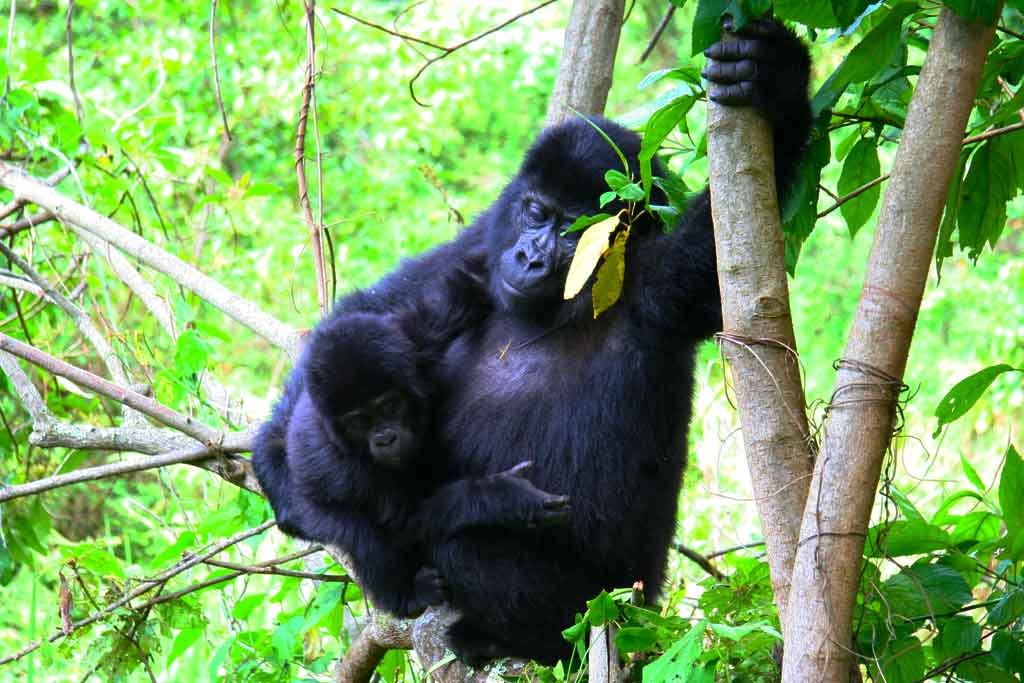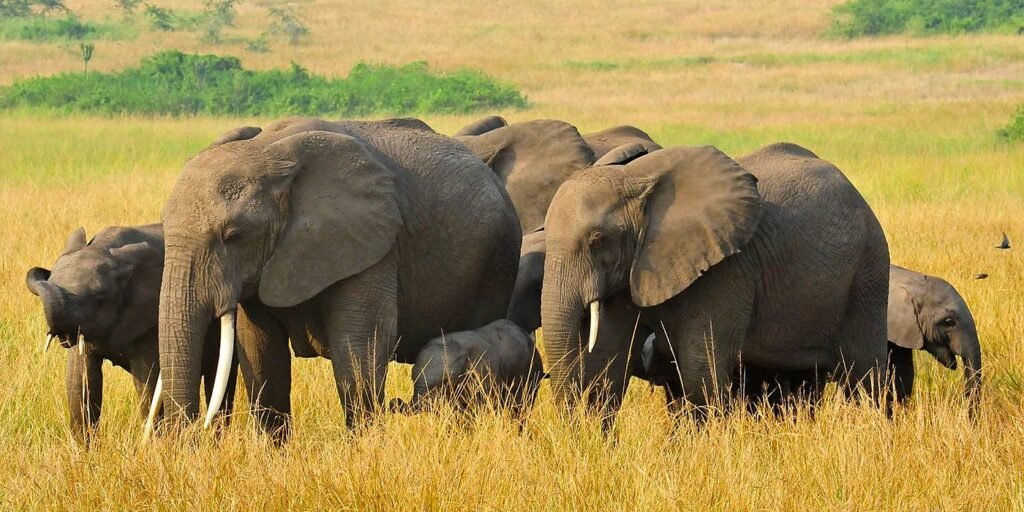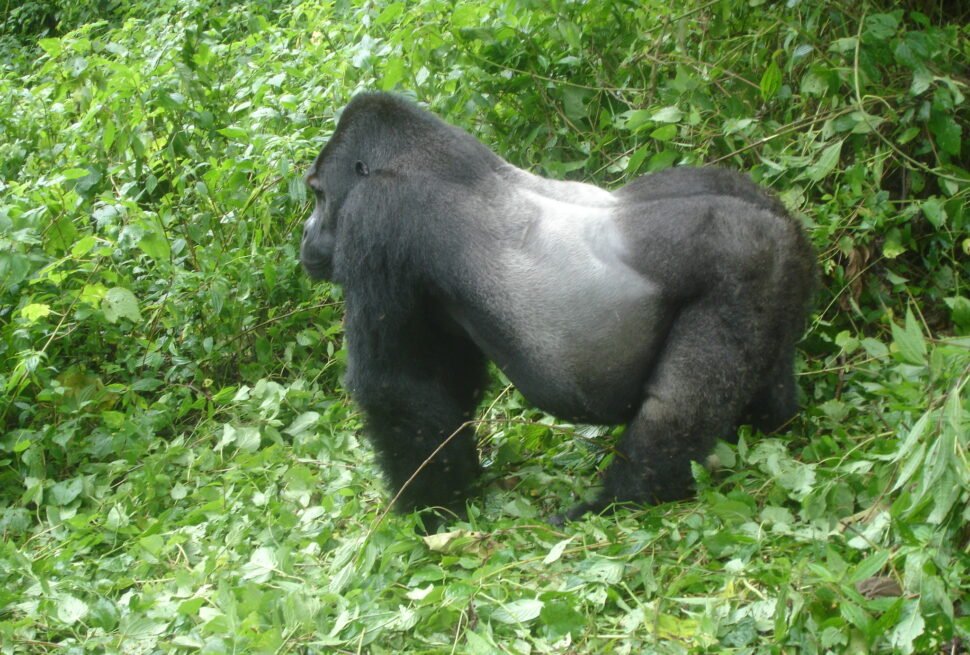
The honest answer to how many days in Uganda is somewhere between seven and fourteen for most travellers, and the precise number depends on how many of Uganda’s attractions you actually want to see. Uganda is not a country where the main wildlife is concentrated in one park. Gorillas are in the south-west, chimpanzees in the centre-west, savannah in the west and north, and the source of the Nile in the east. The country rewards longer trips than most first-time safari travellers initially budget for.
This guide works through that question specifically for Uganda: how much time each attraction genuinely requires, what 7, 10 and 14-day versions actually deliver, and where travellers most often get the length wrong. It is the Uganda-specific companion to the site’s broader East Africa multi-country planning — the site’s Uganda safari packages page shows the itineraries themselves; this article is about choosing which length to book.
The Short Answer
| Days in Uganda | What it realistically covers | Suits |
|---|---|---|
| 4–5 | Gorillas only, with travel days. Bwindi or Mgahinga, no other parks. | Travellers adding Uganda to another East Africa trip, or with a strict time limit |
| 7 | Gorillas and chimpanzees, with one savannah park. Tight but workable. | First-time visitors wanting a genuine range without committing to two weeks |
| 10 | Gorillas, chimpanzees, two savannah parks, and time at a lake or Jinja. | The sweet spot for most travellers. Enough range and enough margin |
| 14 | All the above plus Murchison Falls or Kidepo, and a genuine rest day. | Travellers wanting Uganda comprehensively, or combining with Rwanda |
| 21 | Every major park with time to spare. Rarely necessary unless the trip is a landmark. | Photographers, sabbaticals, anyone who may not return |
The pattern worth internalising: below seven days, Uganda is essentially a gorilla trip with travel attached. Between seven and ten, it becomes a wildlife trip. Above ten, it becomes a proper Uganda trip that reflects the country’s actual variety.
What Determines Trip Length in Uganda
Four factors decide how many days Uganda actually needs, and they matter in this order.
1. How many parks you want to see. Uganda’s ten national parks are spread across the country, and the drives between them are substantial. Adding a park is not just adding a day — it is adding a day of driving plus the time in the park plus the friction of moving accommodation. Two parks in a week is workable; four parks in a week is a driving holiday.
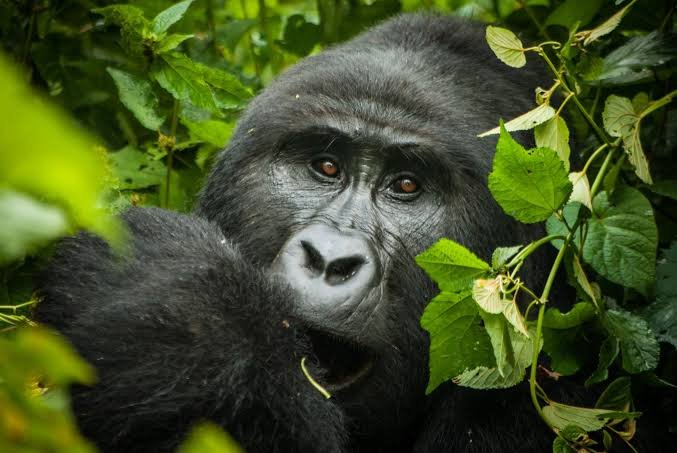
2. Whether gorillas are the priority. Gorilla trekking is the fixed cost and fixed date of most Uganda trips. The permit is date-specific, capped at eight visitors per gorilla family, and availability is not guaranteed at short notice. The trek consumes a full morning and leaves most trekkers tired for the rest of the day. Building at least two nights around it is close to essential — one to arrive and rest, one for the trek itself.
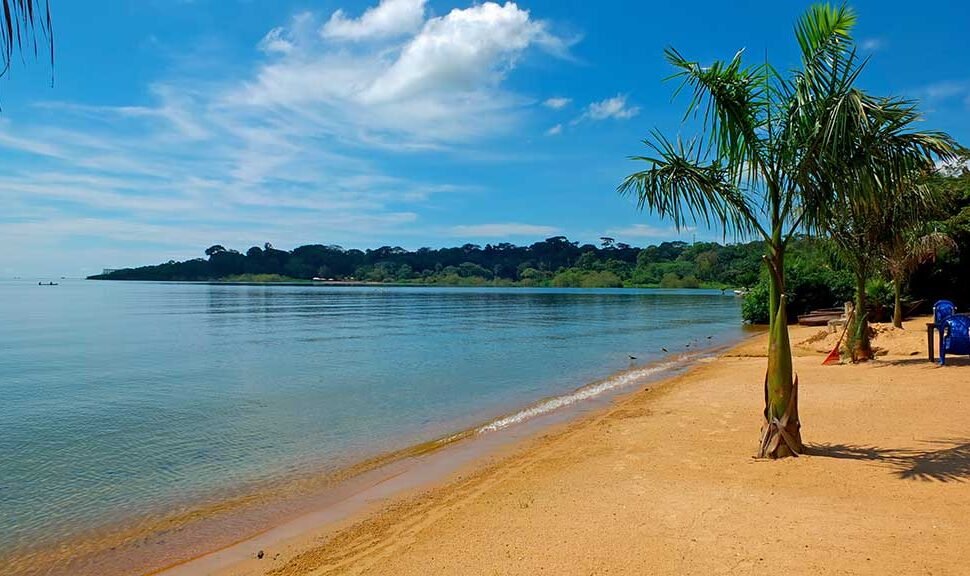
3. Whether you want to see Uganda outside the parks. Jinja, Lake Bunyonyi, Lake Mburo and the Ssese Islands are not national parks, but they are places travellers remember. Adding any of them adds two to three nights. Trips built entirely from parks tend to feel relentless by day eight.
4. How much margin you want for the permit date. Permits sell out for the popular dates, and if the date you want is not available, having flexibility in the trip length often means the difference between trekking and not. A 10-day trip absorbs a permit shift much better than a 7-day one.
Time Required for Each Attraction
This is where the Uganda-specific answer comes from. Each attraction has a realistic minimum time commitment, and adding them up gives a more honest trip length than starting from a fixed package.
| Attraction | Where | Minimum nights | Notes |
|---|---|---|---|
| Gorilla trekking | Bwindi Impenetrable NP or Mgahinga Gorilla NP | 2 nights | Trek morning is a full day; arrival day must be the day before |
| Chimpanzee trekking | Kibale Forest NP | 2 nights | Morning trekking; afternoon rest; often paired with Bigodi or crater lakes |
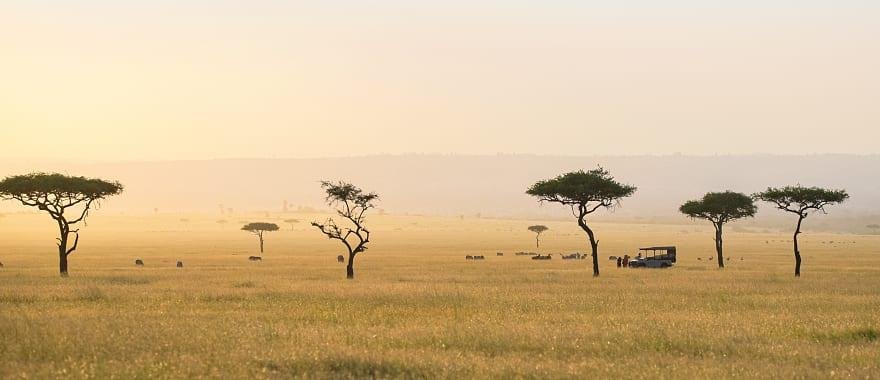
| Savannah game viewing | Queen Elizabeth NP | 2–3 nights | Kasenyi plains, Ishasha tree-climbing lions, Kazinga Channel boat |
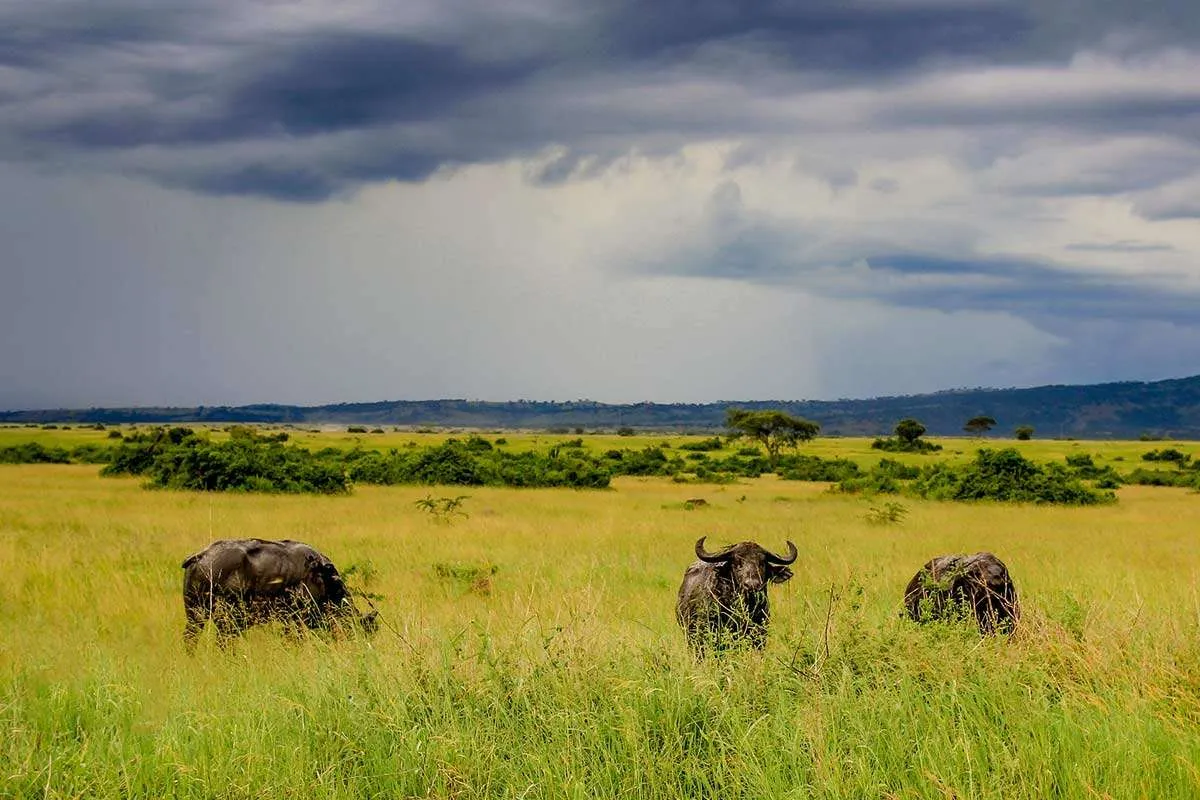
| Savannah game viewing | Murchison Falls NP | 2–3 nights | Nile boat trip, delta, northern bank game drives |
| Lake and rest stop | Lake Bunyonyi | 1–2 nights | Canoeing, crayfish, doing very little |
| Nile and adventure | Jinja | 1–2 nights | Source of the Nile, rafting, boat trips |
| Remote northern savannah | Kidepo Valley NP | 3 nights | Long transfer from anywhere else; genuine wilderness but expensive in time |
| Travel days | Entebbe, Kampala, transfers | 1 at each end | Arrival and departure days are not safari days |
Two useful totals. A trip with gorillas, chimpanzees and one savannah park comes to roughly 8–9 nights plus travel days — which is why a 7-day Uganda safari is tight, and 10 days is the honest version. A trip adding a second savannah park plus a lake stop comes to 11–13 nights, which is why 14 days is where Uganda starts to feel unhurried.
Notice what is not in the table: fixed itineraries and prices. The site’s Uganda safari packages page covers those as products. This table is time-per-attraction, which is the planning question.
What 7 Days in Uganda Actually Looks Like
A 7-day Uganda trip can be done well if it is structured around a single focus. It is a workable length for gorillas plus chimpanzees, or gorillas plus one savannah park.
A typical 7-day shape: arrive Entebbe, transfer to Kibale for two nights (chimpanzees), transfer to Bwindi or Mgahinga for two nights (gorillas), transfer back toward Entebbe with one night en route, depart. This gives two of Uganda’s three headline wildlife experiences and very little else.
What a 7-day trip does not include: savannah game viewing in the west or north, Jinja, Lake Bunyonyi, Murchison Falls. Trying to add any of those to 7 days produces a driving trip rather than a safari. Travellers who want them should be looking at 10 days or longer.
The permit price does not change with trip length. Uganda’s gorilla permit is from $800 per person, reduced to $600 in April, May and November. A 7-day trip and a 10-day trip pay the same for the gorilla permit; the difference is entirely in accommodation, transport and time.
What 10 Days in Uganda Actually Looks Like
Ten days is the length that suits most travellers, and it is where a Uganda trip starts to feel like a trip rather than a checklist.
A typical 10-day shape: arrive Entebbe, transfer to Kibale for two nights (chimpanzees), transfer to Queen Elizabeth for two nights (savannah and Kazinga Channel), transfer to Bwindi or Mgahinga for two nights (gorillas), transfer to Lake Bunyonyi for one night (rest), transfer back toward Entebbe, depart. It leaves a day of slack that a 7-day trip does not have.
The value of ten days over seven is not just more parks — it is more margin. The permit date can shift by a day without cascading into missed flights. A transfer that runs long does not eat into a trekking morning. A traveller who wakes up unwell on the planned trek day has a spare day to rearrange. In Uganda, where permit dates and driving distances both create scheduling pressure, that margin matters more than in most safari destinations.
The Uganda gorilla trekking guide covers the trekking day itself, and the chimpanzee trekking option in Kibale is a genuine second primate experience rather than a filler.
What 14 Days in Uganda Actually Looks Like
Fourteen days is the point where Uganda can be seen comprehensively, and it is also the length that opens up the country’s remote northern parks.
A typical 14-day shape: Entebbe, Jinja for two nights (Nile), transfer west to Kibale for two nights, Queen Elizabeth for three nights, Bwindi or Mgahinga for two nights, Lake Bunyonyi for one night, one night in Kampala, plus internal flights or long transfer days. Adding Murchison Falls replaces Jinja and adds three nights in the north. Kidepo Valley requires another four to five nights and a flight — realistic only if the trip is genuinely fourteen days or more.
Fourteen days also works well as an Uganda-and-Rwanda combination: gorillas in one country, chimpanzees in the other, savannah from either side. The Uganda and Rwanda combined gorilla tours page covers the routes, and the site’s East Africa multi-country safaris page covers wider combinations.
The cost comparison worth knowing: Uganda’s permit is from $800, Rwanda’s is from $1,500 with no discount in any month. In a 14-day combined trip, putting gorillas on the Uganda side saves $700 per person before anything else is decided.
Where Travellers Get the Length Wrong
Three patterns account for most Uganda trips that come in too short.
Counting travel days as safari days. A “10-day Uganda safari” often includes two international travel days and one or two internal transfer days. The usable safari days are typically six or seven. Ask how many nights are spent in each park before booking, not how many days the trip lasts in total.
Adding parks without adding nights. Two nights per park is the minimum for a park to feel worth visiting; below that, the trip is mostly driving. A “five-park” Uganda itinerary in 10 days is a driving trip with wildlife stops.
Ignoring the permit date constraint. Gorilla permits are date-specific and capped at eight per family. A trip planned around accommodation and flights first, with the permit fitted in afterwards, routinely ends up needing to shift when the desired permit date is not available. Building the trip around the permit date, and having enough flexibility in length to absorb a shift, is the correct order. The Uganda visa requirements guide covers the entry formalities; the permit booking logic is the same as the Rwandan pattern.
When to Go, and How It Interacts with Length
Uganda’s drier windows, broadly December to February and June to September, give firmer forest trails and easier travel. Those are also the months when permits fill first — availability is not guaranteed at short notice in the dry season.
April, May and November are the low-season months for gorilla permits, when the price drops from $800 to $600. Those months are wetter, with muddier trails and more rain on the long drives, but the permit saving is genuine and the roads are quieter. A trip built around those months can often extend to a longer itinerary for the same total budget, because the permit saving funds an extra night.
Confirm current conditions and permit availability before committing to dates — patterns vary year to year.
What It Costs
The permits and visas are verified; everything else depends on standard, route and season.
| Element | Where | Price (per person) |
|---|---|---|
| Gorilla trekking permit — Uganda | Bwindi Impenetrable NP and Mgahinga Gorilla NP | From $800 (From $600 in April, May and November) |
| Gorilla habituation experience — Uganda | Rushaga sector, Bwindi only | From $1,500 |
| Gorilla trekking permit — Rwanda (for comparison) | Volcanoes National Park | From $1,500 (no low-season discount) |
| Uganda e-visa | Applied for at visas.immigration.go.ug | $50 |
| East African Tourist Visa | Uganda + Kenya + Rwanda, 90 days multi-entry | $100 |
| Accommodation, transfers, park fees | All parks | Confirm current rates when booking |
| Domestic flights | Entebbe to Bwindi and other airstrips | Confirm current schedules and fares when booking |
Permit prices and visa fees are set by the respective authorities and revised periodically — verify current rates before travel. Official sources are the Uganda Wildlife Authority for permits and parks, and the Uganda immigration portal at visas.immigration.go.ug for the e-visa (verify current requirements before travel — rules change).
One clarification worth repeating because it circulates widely: the Uganda–Russia visa waiver announced in October 2026 covers diplomatic and service passports only. It does not apply to ordinary tourist passports and has not yet entered into force.
Frequently Asked Questions
How many days in Uganda for a safari?
Seven to ten is the realistic range for most travellers. Seven covers gorillas and chimpanzees; ten adds savannah parks and margin. Fourteen is the length for a comprehensive Uganda trip including Murchison Falls or Kidepo.
Is 7 days enough for Uganda?
For gorillas and chimpanzees, yes. For anything more, no. A 7-day Uganda trip is essentially a primate-focused trip with very little else. Adding savannah parks requires 10 days or longer.
How many days for gorilla trekking in Uganda?
Two nights near Bwindi or Mgahinga is the minimum. One night is possible but leaves no margin if a flight is delayed. The trek itself is a morning, but the day is consumed by briefing, walking, the hour with the gorillas and recovery afterwards.
How many days to visit Uganda’s national parks?
Two to three nights per park is the realistic minimum. Uganda has ten national parks; seeing all of them requires three weeks or more. Most travellers see three to five.
Can you see Uganda in 10 days?
Yes — a 10-day Uganda trip can cover gorillas, chimpanzees, one or two savannah parks and a lake or Jinja. It is the most commonly chosen length for a genuine Uganda trip.
Is 14 days too long for Uganda?
No, if the trip uses the time well. Fourteen days is the length where Uganda can be seen comprehensively, including Murchison Falls or a Uganda-and-Rwanda combination. It is not too long — most travellers who come for 14 days find it passes quickly.
How many days for Uganda vs Rwanda?
Uganda rewards longer trips because its wildlife is spread across more parks. Rwanda is more compact — four to five nights covers gorillas and Akagera; seven allows Nyungwe. A Uganda-and-Rwanda combination works well at 12–14 days total.
Does trip length affect the gorilla permit cost?
No. The permit is the same price regardless of trip length — from $800, or from $600 in April, May and November. Longer trips pay more for accommodation, transport and park fees, not for the permit.
How to Book
Decide the length using the time-per-attraction logic above, then anchor the trip to the gorilla permit date — it is the only element that cannot be rearranged at short notice, and having enough margin in the trip length is what makes the permit shiftable if the preferred date is not available. Afraeka Adventures is a licensed Ugandan operator based in Entebbe and Kampala, running safaris and primate trekking in Uganda, Rwanda, Kenya and Tanzania since 2018.
Contact Afraeka Adventures at info@afraekaadventures.com or use the enquiry form on our website with your available dates, group size and what you most want to see. Useful starting points:
- Uganda safari packages — one-country itineraries
- Uganda gorilla trekking — the main trekking guide
- Uganda and Rwanda combined gorilla tours — for combined trips
- Uganda visa requirements — the e-visa and EATV arithmetic
- East Africa multi-country safaris — wider routes
- All tour packages
- Enquiry form