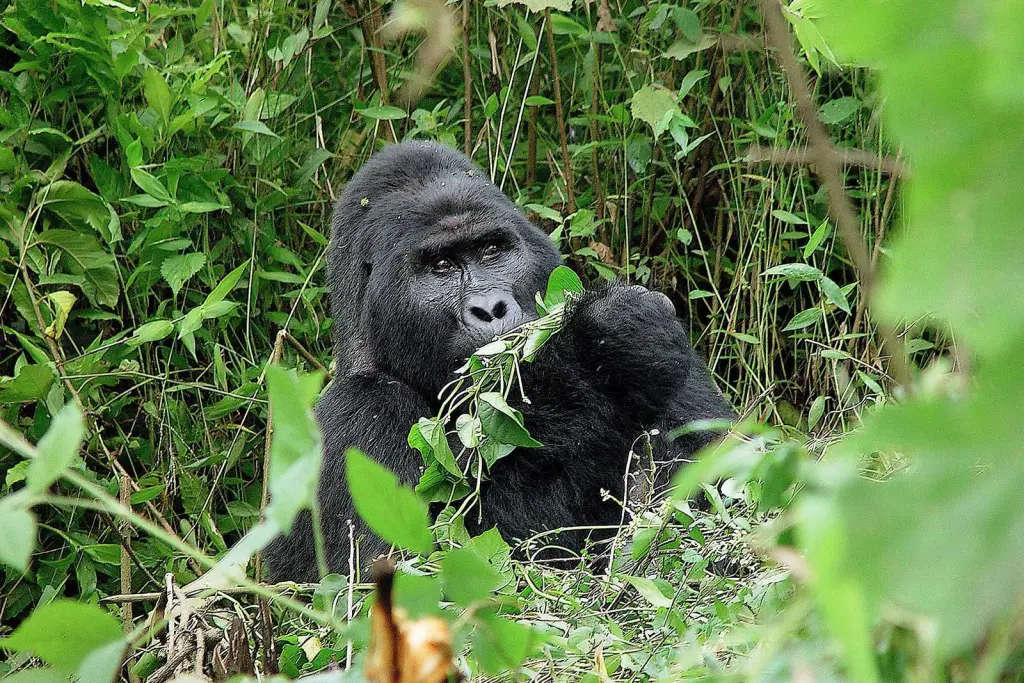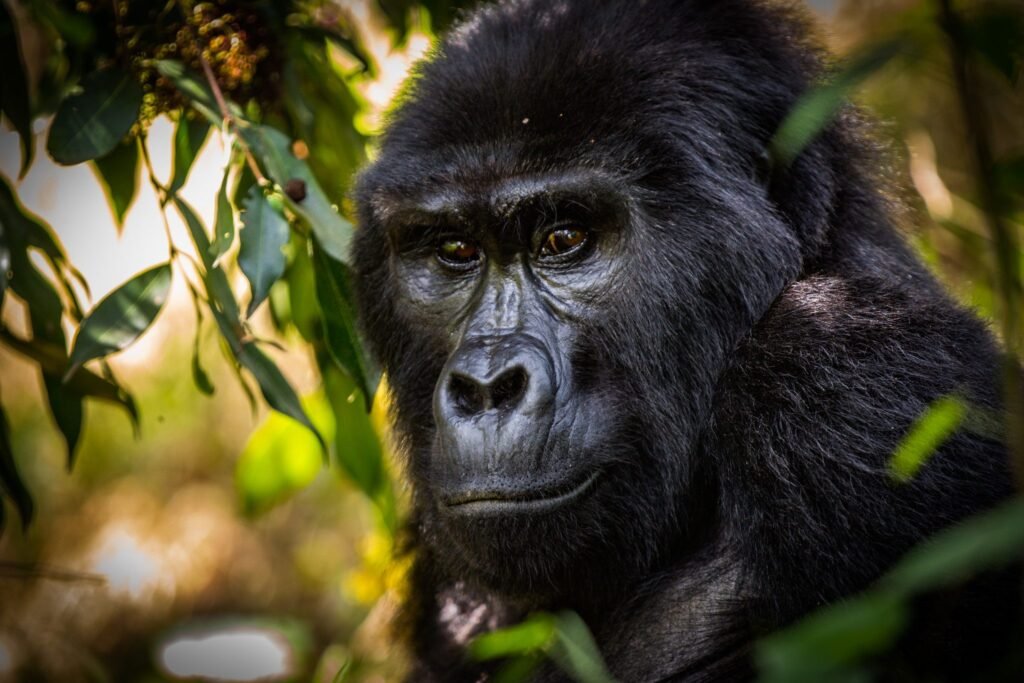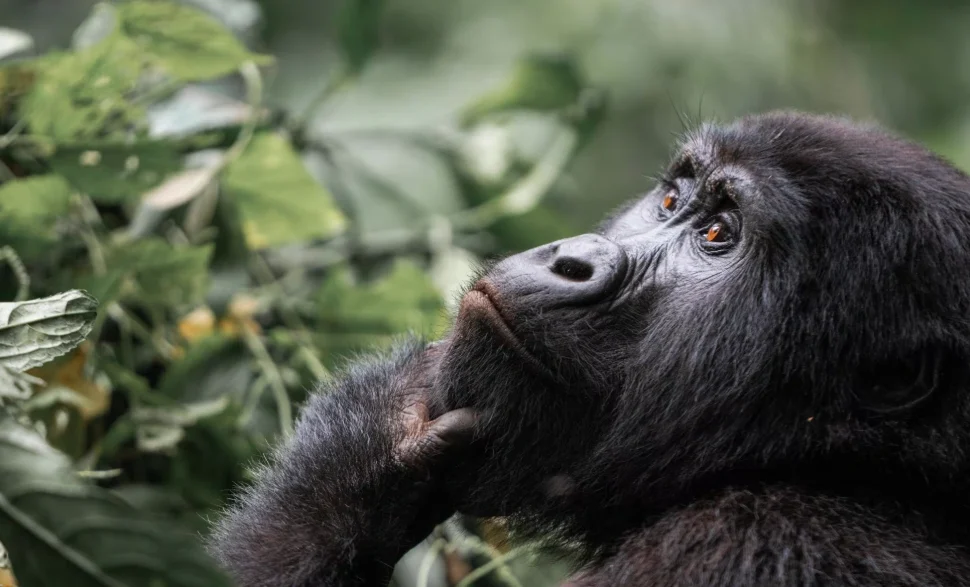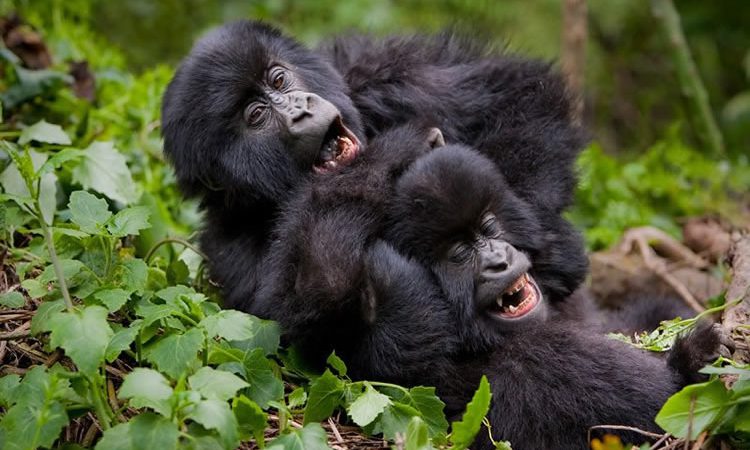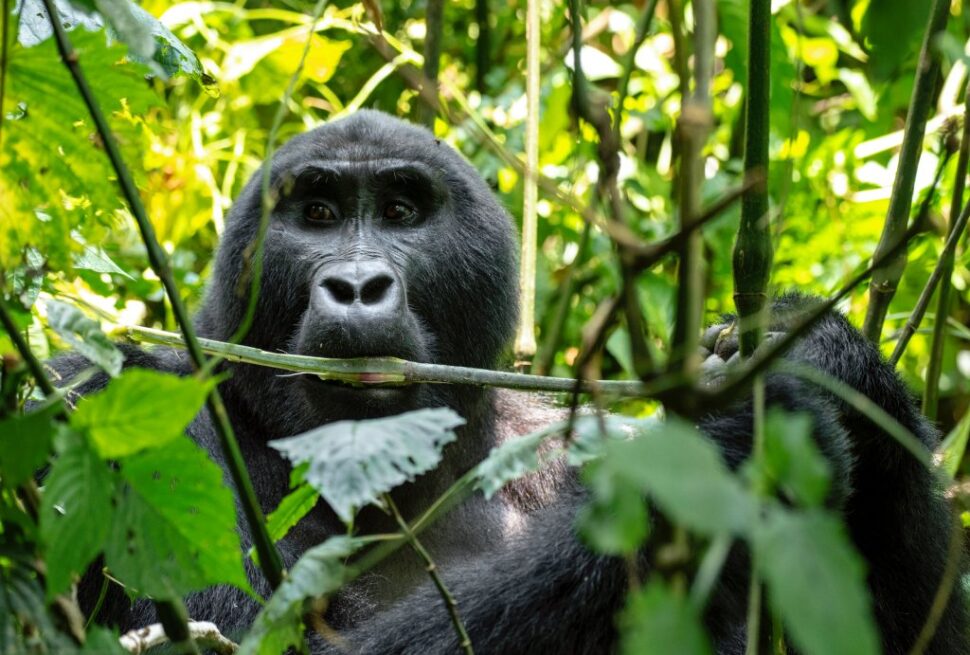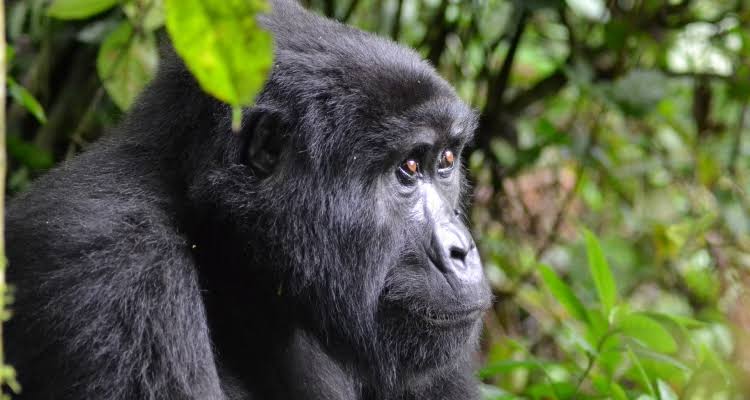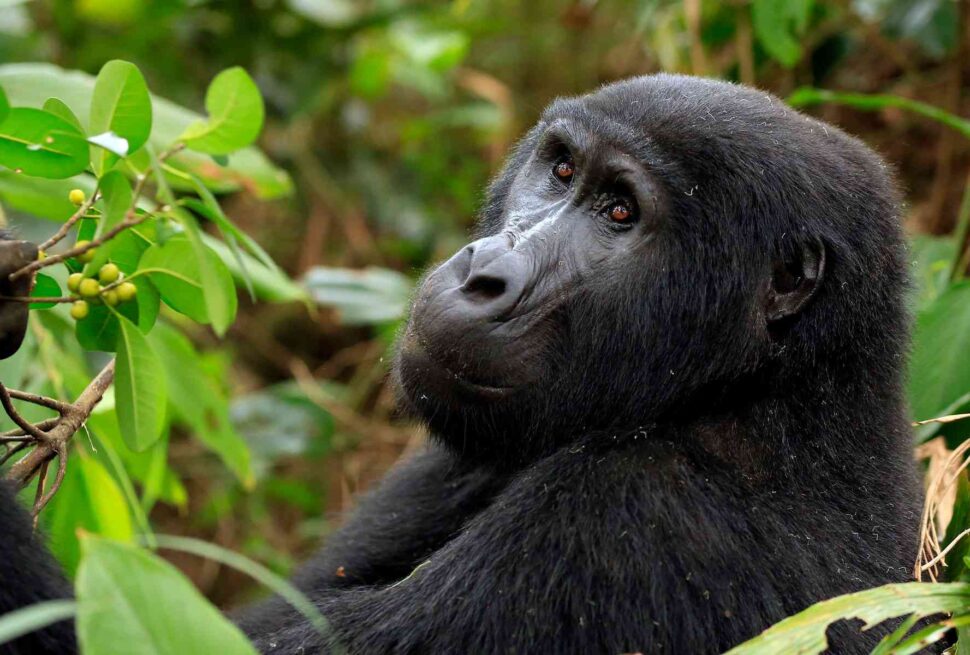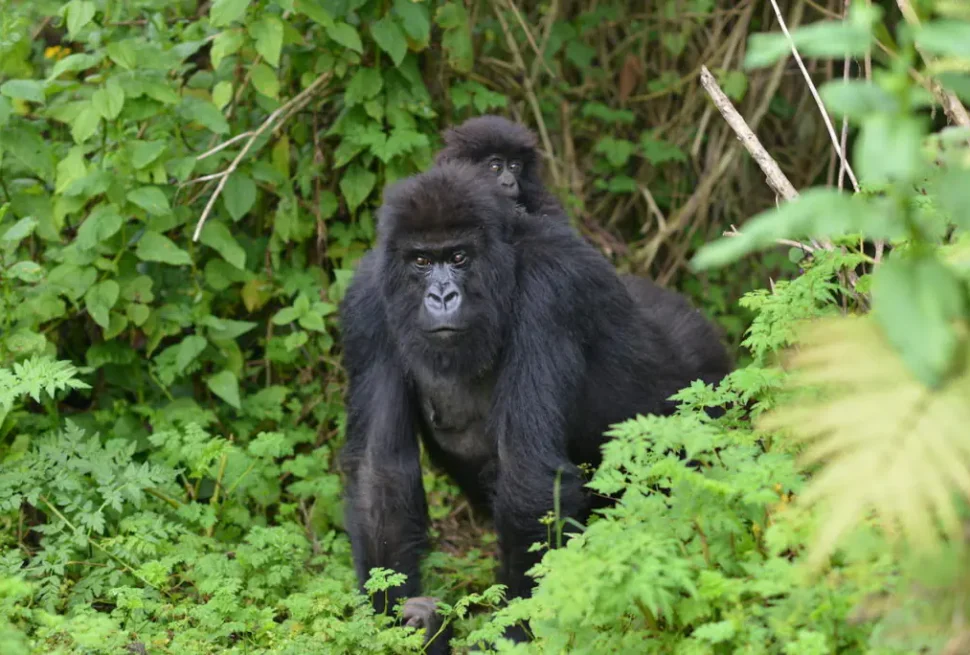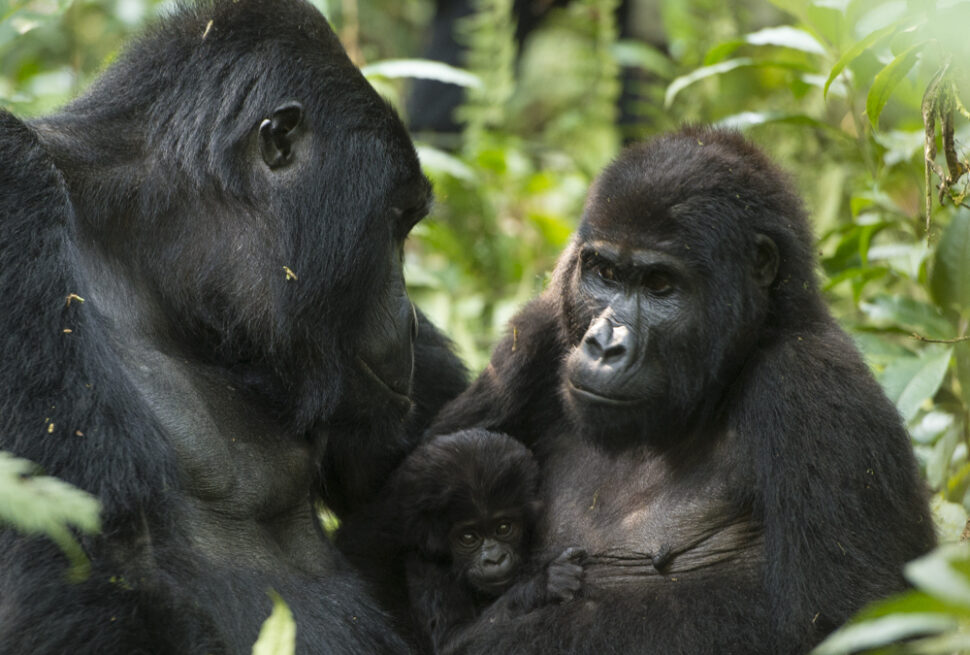
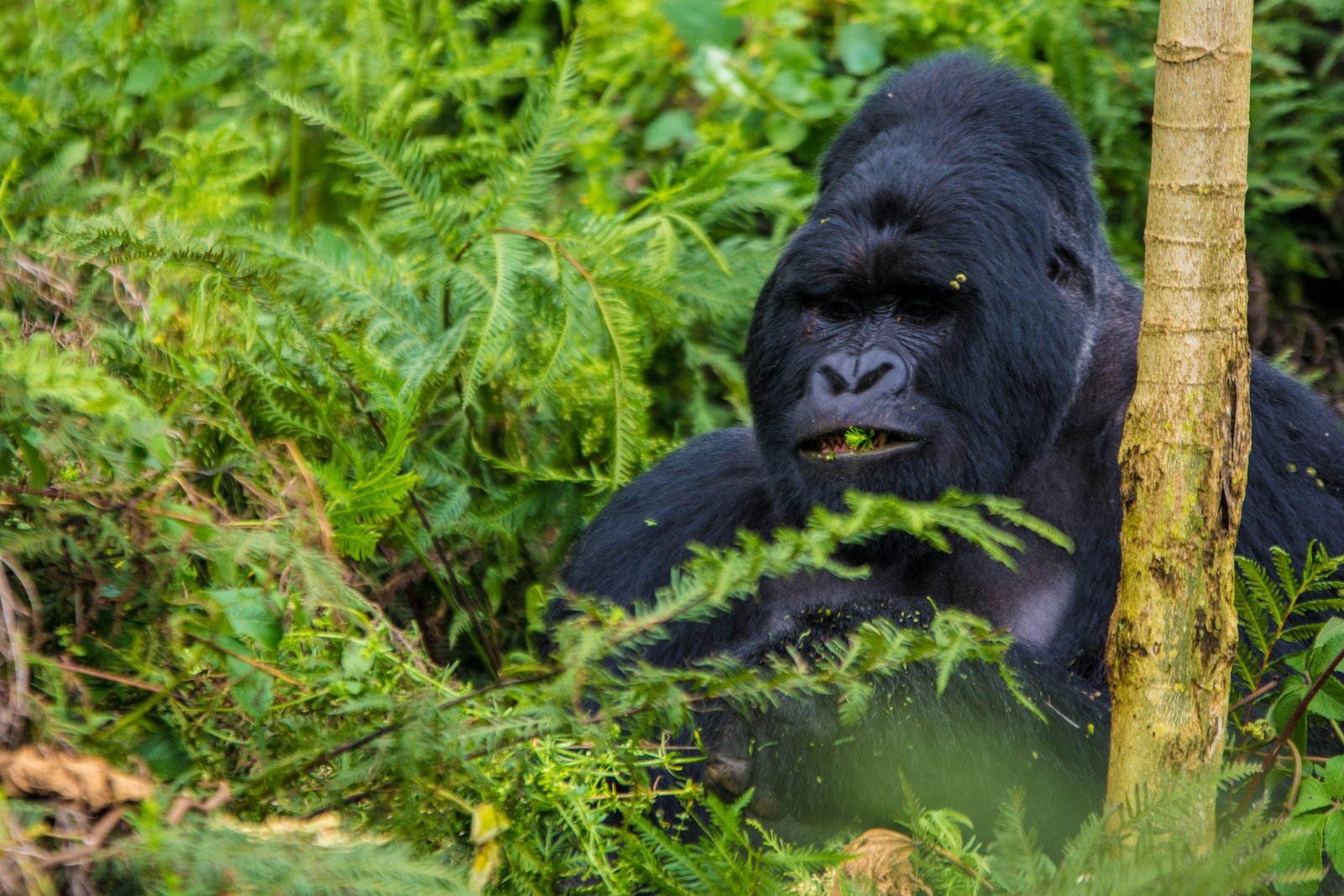
Responsible gorilla tourism is not a marketing label. It is a specific system of rules, permits and conservation funding that exists because mountain gorillas are a small, fragile population that humans can harm simply by being near them. Understanding that system — why the eight-visitor cap exists, why the hour is fixed, why you cannot trek when unwell — turns a gorilla trek from a wildlife sighting into something more meaningful. It also makes the traveller a participant in conservation rather than a spectator of it.
This guide covers the ethics behind gorilla trekking rather than the practicalities of the trekking day itself. It explains what responsible tourism actually means in this context, the science that shapes the rules, the habituation debate, how permit revenue funds conservation, and how to tell an ethical operator from one that simply uses the word “sustainable.” The site’s guides to Uganda gorilla trekking and Rwanda gorilla trekking cover the trek itself; this article is about doing it well.
What Responsible Gorilla Tourism Actually Means
The phrase covers three distinct things that are often used interchangeably but should not be.
Conservation impact. Gorilla tourism exists within a framework designed to protect the species. Permit revenue funds park management, ranger patrols, veterinary care and community programmes around the parks. Without tourism revenue, mountain gorilla conservation would be substantially harder to fund. That is the honest argument for tourism as a conservation tool, and it is also why the rules are strict — the point of the rules is to protect the resource that makes the tourism possible.
Animal welfare. Every rule on the trek — the distance, the hour limit, the group size cap, the prohibition on trekking when unwell — exists to reduce the risk of harm to the gorillas. The most serious risk is disease transmission, because mountain gorillas share enough of our biology that a human cold can be devastating to a population with no immunity. Animal welfare is not a secondary consideration in gorilla trekking; it is the primary one.
Community benefit. Responsible tourism also means the communities living around the parks benefit from the tourism revenue rather than bearing the cost of living with protected wildlife. This is not charity — it is a structural requirement for conservation to work in the long term, because parks that deliver no economic benefit to their neighbours are parks that face ongoing pressure.
A good operator addresses all three. A less good one uses “sustainable” or “eco” as adjectives and does none of the three specifically. The rest of this article explains how to tell the difference.
Why the Rules Exist
The rules of gorilla trekking are unusual in wildlife tourism — the eight-visitor cap, the one-hour limit, the minimum age of 15 — and each exists for a reason that can be explained rather than just enforced.
Eight visitors per gorilla family. The cap limits the total human presence around a family on any given day. Mountain gorilla populations sit at approximately 1,000 individuals globally, and habituation — the process of making a wild family tolerant of human observers — carries real behavioural and disease risks. Keeping the daily human presence small and predictable reduces those risks.
One hour with the gorillas. The hour is a compromise between the visitor experience and the animals’ tolerance. Spending longer with a family on a daily basis would increase the cumulative stress of human presence and increase the risk of disease transmission over the family’s lifetime. The hour is deliberately short because the animals are visited every day of the year.
Minimum age 15. This is partly safety and partly disease. Younger children are more likely to be unpredictable around wild animals, and children also carry and transmit common illnesses at higher rates than adults. The 15-year minimum is a condition of the permit, not a guideline.
No trekking when unwell. This is the single most important rule, and it is enforced. Human respiratory and gastrointestinal illnesses can be devastating to gorillas. A visitor with a cold or stomach bug should not trek — not because the park is being difficult, but because the risk to the family is real and the rules are designed around it.
Understanding why these rules exist is not the same as needing to like them. It is the difference between a visitor who follows the rules reluctantly because they are enforced and a visitor who understands what the rules protect. The silverback gorilla guide explains the family structure these rules are designed to protect.
The Disease Transmission Problem
The disease rule deserves its own section because it is the one that is most often taken lightly by visitors and most consequential if broken.
Mountain gorillas are genetically close enough to humans that many human infections are transmissible to them. Their small population and lack of acquired immunity mean that a disease which causes a mild cold in a human can cause serious illness — or worse — in a gorilla family. Respiratory infections have been documented as a significant cause of illness and mortality in habituated mountain gorilla populations.
This is why the rules around illness are strict, and why responsible trekking means being honest about your own health even when it costs you the trek.
- Do not trek with a cold, flu, cough or fever. The morning briefing includes a health check, and guides may exclude anyone who appears unwell. This is not negotiable.
- Do not trek with a stomach bug or diarrhoea. Same reasoning.
- Cover coughs and sneezes. Even when healthy, basic hygiene reduces transmission risk.
- Do not touch the gorillas. The one-hour limit, distance rules and no-touch rules all exist within the same framework — reducing contact reduces transmission.
- Do not eat or drink in the family’s presence. This is both a disease precaution and a behavioural one — it can change how gorillas respond to human groups.
Travel insurance with trip cancellation cover is worth considering precisely because of this rule. A trekker who falls ill the day before a trek and cannot go is unlikely to receive a permit refund — the permit was reserved for that date and the park cannot reallocate it at short notice.
The Habituation Debate
Habituation is the multi-year process by which a wild gorilla family becomes tolerant of human presence. It is what makes gorilla tourism possible, and it is also the most contested part of the system — worth understanding honestly rather than treating as a settled good.
The case for habituation. Without habituated families, there is no tourism, and without tourism, there is less funding for protection, veterinary care and community programmes. Habituation also supports research: habituated families are studied in ways that unhabituated ones cannot be, and much of what is known about mountain gorilla behaviour comes from this research.
The case against, or the costs. Habituation changes behaviour. Gorillas that have been habituated range differently, interact with humans routinely, and lose some natural wariness. The disease risk rises with every human contact. Some argue that the population’s recovery from its twentieth-century low has occurred despite habituation rather than because of it, and that the case for continued habituation of additional families should be examined rather than assumed.
The habituation experience that Uganda offers — four hours with a semi-habituated family in the Rushaga sector, at $1,500 per person — sits inside this debate. It generates more revenue per visitor than a standard permit, and it lets visitors observe the late stage of habituation directly. Whether it is the right balance is a legitimate question that the wildlife authorities decide rather than the tourism industry.
For the traveller, the responsible position is not to settle the debate but to recognise it exists, to choose an operator who can discuss it honestly, and to understand that a habituated gorilla is not a tame one. Habituation is a tolerance of human presence under specific, managed conditions — not a change in the animal’s nature.
Where the Permit Money Goes
A common question from responsible travellers: what does the permit actually fund? The short answer is that permit revenue supports park management, ranger and tracker salaries, conservation activities and community programmes around the parks — but the detailed allocation varies between Uganda and Rwanda and is a matter for the respective wildlife authorities.
A dedicated article on where gorilla permit money goes is planned; this section covers the concept rather than the detail. What matters for responsible trekking is that travellers should ask their operator, and should expect a specific answer rather than a vague one. An operator who cannot explain what a permit funds is not in a position to describe their own commitment to responsible tourism.
The official sources for what permit revenue funds are the Uganda Wildlife Authority and the Rwanda Development Board. Both publish information about their conservation and community programmes, and both are the authoritative source on how revenue is allocated.
How to Choose a Responsible Operator
Every operator claims responsible tourism. The difference between a genuine one and a marketing one is usually visible in how they answer specific questions.
Ask about licensing. A responsible operator is licensed and can tell you by whom. Uganda’s operators are licensed by the Uganda Tourism Board; Rwanda’s are licensed through Rwanda Development Board processes. Ask directly and expect a specific answer.
Ask about guides and trackers. Responsible operators use guides and trackers who are trained, salaried and part of the conservation framework rather than ad hoc hires. The guides and trackers are the ones who enforce the rules on the day, and their training and working conditions are part of whether tourism is responsible.
Ask about porter arrangements. Porters are a standard part of trekking, and how an operator handles porter hire, pay and working conditions is a fair proxy for their approach to responsible tourism more generally.
Ask what happens if you are unwell. A responsible operator will explain the illness rules clearly and will not encourage you to trek when you should not. An operator who suggests that a mild cold is fine is telling you something important about their priorities.
Ask about community benefit. Responsible operators can describe how their trips support communities around the parks — through employment, direct purchases, community visits or contributions. The detail varies, but a specific answer is a good sign and a vague answer is not.
Ask about conservation contributions. Some operators contribute directly to conservation programmes beyond the permit fee. This is not a requirement, and many good operators do not, but it is worth asking.
None of these questions has a single right answer. What matters is whether the operator’s answers are specific, honest about trade-offs, and consistent with how the trek actually works on the day.
What You Can Do on the Trek Itself
Responsible trekking is not just about choosing the right operator. A list of specific things a traveller can do on the day:
- Follow the guides’ instructions without debate. They are trained to read the family’s behaviour and to manage the encounter safely for both visitors and gorillas.
- Maintain the distance the guides set. The distance is not a recommendation — it is the rule, and it is often greater than the photographs suggest.
- Keep quiet. Loud noises, sudden movements and dramatic gestures are what the guides are trained to prevent. Stillness and quiet are how you see more of the gorillas’ natural behaviour.
- Do not eat or drink near the family. The rule is not about litter — it is about disease and behaviour.
- Do not touch the gorillas. No exceptions, no matter how close one approaches.
- Do not block the family’s path. If gorillas want to move through, the group moves aside.
- Leave no litter. This should not need stating, but the forest is a working habitat rather than a park bench.
- Do not trek when unwell. The most important rule, and the one most often bent.
Following these rules is not a burden — it is the entire experience. The one hour with the gorillas is a privileged encounter, and the rules are what make it possible for the next visitor as well as for you.
Photography Ethics
Most travellers on a gorilla trek carry a camera, and photography raises its own ethical questions. Three matter most.
Do not use flash. Flash photography is restricted on primate treks, and the guides will confirm the current rule at briefing. Flash is startling to wildlife and can interrupt natural behaviour.
Do not let photography replace the experience. The hour passes faster than most travellers expect, and spending all of it behind a lens means missing the observation that makes the trek worth doing. Responsible trekking includes putting the camera down for part of the hour.
Do not photograph when the guides signal not to. If a gorilla is in a position where photography would compromise the encounter — too close, unsettled, or in the middle of a significant behaviour — the guides will signal. Trust the signal.
Ethical photography also extends to photographing guides, trackers, porters and community members. Ask before photographing individuals, accept a no without negotiating, and consider whether the photograph represents the subject in a way they would recognise as fair. This is standard travel photography ethics rather than anything specific to gorilla trekking, but it is worth stating in a guide that is explicitly about trekking ethically.
What It Costs
Responsible tourism does not have a separate price — the permit is the permit — but the choices within the trip vary. The table separates the fixed permit cost from the choices.
| Element | Where | Price (per person) |
|---|---|---|
| Gorilla trekking permit — Uganda | Bwindi Impenetrable NP and Mgahinga Gorilla NP | From $800 (From $600 in April, May and November) |
| Gorilla habituation experience — Uganda | Rushaga sector, Bwindi only | From $1,500 |
| Gorilla trekking permit — Rwanda | Volcanoes National Park | From $1,500 (no low-season discount) |
| Uganda e-visa | Applied for at visas.immigration.go.ug | $50 |
| Rwanda e-visa | Applied for at irembo.gov.rw | $50 single entry / $70 multiple entry |
| East African Tourist Visa | Uganda + Kenya + Rwanda | $100 (90 days, multi-entry) |
| Porter hire | All gorilla trekking parks | Confirm current rate when booking |
| Accommodation, transfers, park fees | All parks | Confirm current rates when booking |
The porter row is included because porter hire is one of the most direct ways a visitor contributes to community benefit around the parks. It is also a genuinely better experience for the trekker, which makes it an easy choice.
Permit prices and visa fees are set by the respective authorities and revised periodically — verify current rates before travel. Official sources are the Uganda Wildlife Authority and the Rwanda Development Board.
One clarification worth repeating because it circulates widely: the Uganda–Russia visa waiver announced in October 2026 covers diplomatic and service passports only. It does not apply to ordinary tourist passports and has not yet entered into force.
Frequently Asked Questions
What is responsible gorilla tourism?
Gorilla tourism that operates within the conservation framework designed to protect the species — respecting the rules, contributing to park and community funding through permit revenue, and choosing an operator who takes the framework seriously rather than using “sustainable” as a marketing label.
Is gorilla trekking ethical?
There is a legitimate debate about specific elements (habituation of new families, the number of visitors permitted), but gorilla trekking as practiced in Uganda and Rwanda is designed around conservation and animal welfare. Whether it is ethical depends on whether you accept that the conservation benefit outweighs the risks, and on trekking within the rules rather than bending them.
How does gorilla tourism help conservation?
Permit revenue funds park management, ranger and tracker salaries, veterinary care and community programmes around the parks. Without tourism revenue, mountain gorilla conservation would be substantially harder to fund. The Uganda Wildlife Authority and Rwanda Development Board publish information about their conservation programmes.
Is gorilla habituation ethical?
It is contested. Habituation enables tourism and research, which fund conservation, but it changes gorilla behaviour and increases disease risk. The habituation experience at Rushaga ($1,500, four hours) sits within this debate. The responsible position is to understand the trade-offs rather than assume they do not exist.
How can I trek gorillas responsibly?
Choose a licensed operator who can explain the conservation framework. Follow the rules without debate — especially the rule against trekking when unwell. Hire a porter. Do not touch the gorillas, do not use flash, and do not let photography replace the experience. Expect specifics from your operator rather than accepting vague sustainability language.
What happens if I am ill on the trek day?
The guides may exclude you from the trek, and the permit is unlikely to be refunded. This is a conservation rule — human illness can be devastating to a gorilla family with no immunity. Travel insurance with trip cancellation cover is worth considering for this reason.
Can I choose which gorilla family I trek?
No — the park allocates families on the morning of the trek, taking into account fitness and the day’s tracking information. Requests for a specific family are not part of the system. The Rwanda’s gorilla families guide covers how allocation works.
Does hiring a porter count as responsible tourism?
Yes. Porter hire is one of the most direct ways a visitor contributes to the local economy around the parks, and it also improves the trekking experience. The cost is small and the benefit is significant.
How to Book
Booking responsibly means asking the operator specific questions about licensing, guides, porters and the illness rules — and being willing to accept the answers rather than just the price. Afraeka Adventures is a licensed Ugandan operator based in Entebbe and Kampala, running safaris and primate trekking in Uganda, Rwanda, Kenya and Tanzania since 2018.
Contact Afraeka Adventures at info@afraekaadventures.com or use the enquiry form on our website with your dates, group size and any questions about how the trip handles the conservation framework. Useful starting points:
- Uganda gorilla trekking — the trekking guide
- Rwanda gorilla trekking — the Rwandan product
- Rwanda’s gorilla families — allocation and family structure
- What is a silverback gorilla — the animal these rules protect
- Rwanda gorilla trekking permit booking — securing the permit date
- All tour packages
- Enquiry form